
TheTimeo / Watches
Rolex GMT-Master IIA closer look
Beyond the bezel colour: understanding GMT-Master generations, original components, service history and the documents that tell a watch’s story.

Rolex GMT-Master II reference 126710GRNR on a Jubilee bracelet. Courtesy of Rolex/JVA Studios.
Explore the story
The red-and-blue bezel is the detail most people remember. Look a little closer at a Rolex GMT-Master, however, and its character begins to emerge elsewhere: in the shape of the crown guards, the finish of the dial and the way the bracelet meets the case.
These details matter when comparing watches. Two examples with the same reference number can have quite different histories. One may retain its early dial and bracelet; another may have received replacements during service. Both can be attractive watches, but they offer different things to a collector. This guide explains the principal generations, then looks at the questions worth asking about an individual example.
What changed with the GMT-Master II?
Rolex introduced the GMT-Master in 1955, as long-distance air travel was opening up the world. Alongside the usual hour and minute hands, a hand making one complete turn every 24 hours allowed the wearer to read another time zone against the rotating bezel.
The GMT-Master II, introduced in 1982, made travelling easier. Its local hour hand could be moved independently in one-hour steps, without resetting the minutes or the 24-hour hand. On arrival, the wearer could change local time while keeping home time in view.
That mechanical difference is more useful than the familiar “Pepsi” and “Coke” nicknames. Those describe bezel colours, not how the watch works. A red-and-blue GMT-Master and a red-and-blue GMT-Master II belong to the same family, but setting them is a different experience.
The generations worth knowing
The earliest reference, 6542, has an immediately recognisable profile: the winding crown sits without the protective shoulders seen on later models. Its translucent bezel insert also gives it a different appearance from the aluminium inserts that followed. Surviving examples need particularly careful examination, since an early insert or dial may have been replaced over the intervening decades.
The 1675 brought crown guards and an aluminium insert into the design. Across its long production life, dial finishes and details evolved. A glossy early dial and a later matte dial can both belong to this reference; the question is whether the particular dial suits the watch’s period. The successor 16750 added a quick-set date but remained a GMT-Master, without the independent local-hour adjustment of the GMT-Master II.
The first GMT-Master II reference was the 16760. It was followed by the long-running 16710, whose aluminium bezel and comparatively slender construction remain central to its appeal. Across the 16710’s production, luminous materials and other components changed. A reference number alone therefore cannot describe every detail of the watch.
From 2005, ceramic bezel inserts marked the start of another chapter. The later six-digit watches have a different case, bracelet and clasp construction from their predecessors. The family resemblance is strong, but a modern ceramic GMT should be judged on its own qualities rather than treated as a vintage model with a newer bezel.
Start with the case and bezel
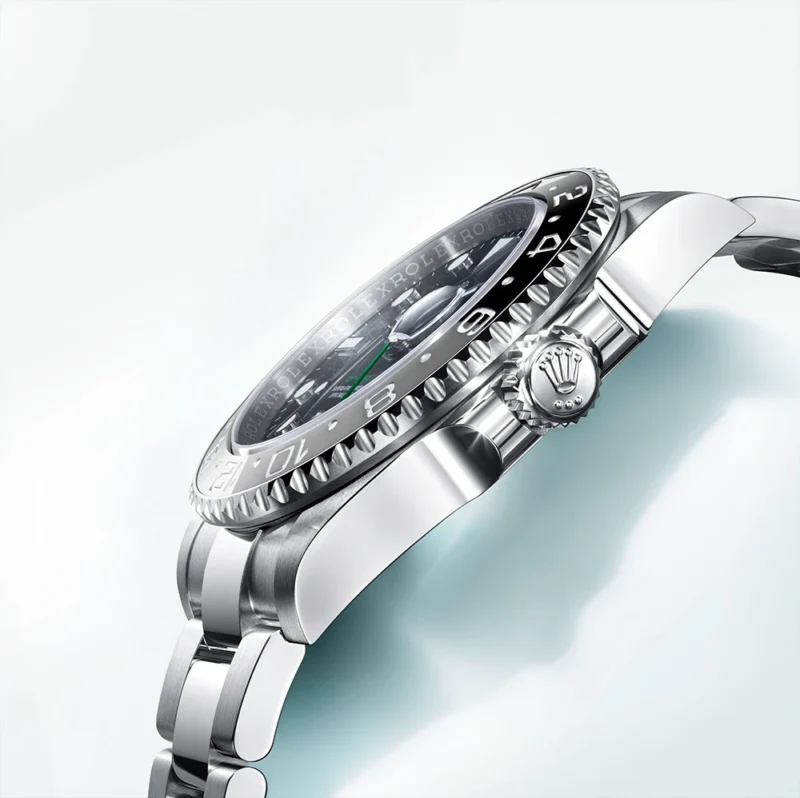
Case and crown profile of the Rolex GMT-Master II reference 126710GRNR. Courtesy of Rolex/Ulysse Frechelin.
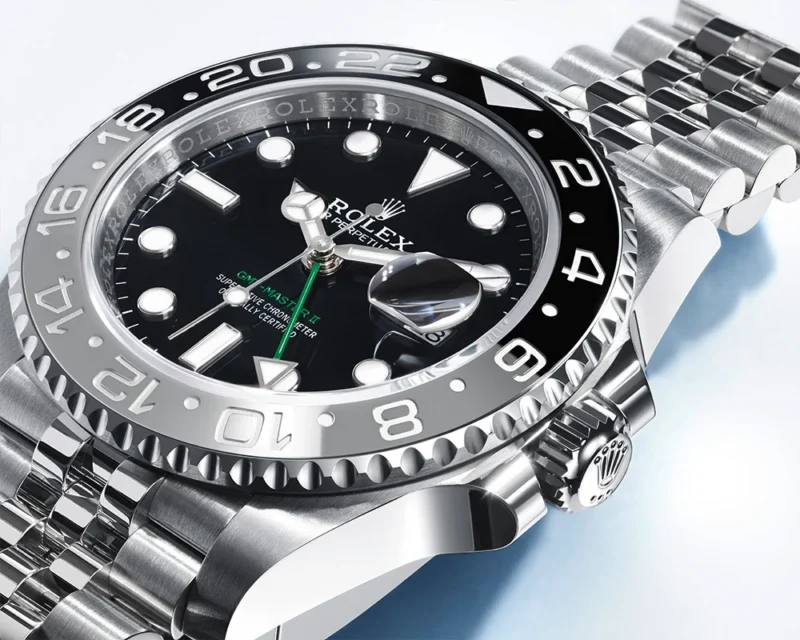
Grey and black 24-hour Cerachrom bezel and dial detail. Courtesy of Rolex/Ulysse Frechelin.
When looking at a watch, begin with a clear side view as well as the familiar photograph of the dial. The lugs, crown guards and transitions between polished and brushed surfaces help describe the case. Heavy polishing can soften these shapes. Wear, by contrast, may leave scratches without changing the underlying proportions to the same extent.
The bezel needs a similarly close look. An aluminium insert can fade and pick up marks over time. Ceramic behaves differently, so the same signs of ageing should not be expected from both. Colour alone tells you little about whether an insert was fitted when the watch was first sold.
This is where the description accompanying a watch becomes important. “Genuine Rolex” means something different from “original to this watch”. A genuine replacement insert may be perfectly suitable for continued use, while changing the appeal of the watch to someone seeking a largely untouched vintage example.
The dial and bracelet deserve equal attention
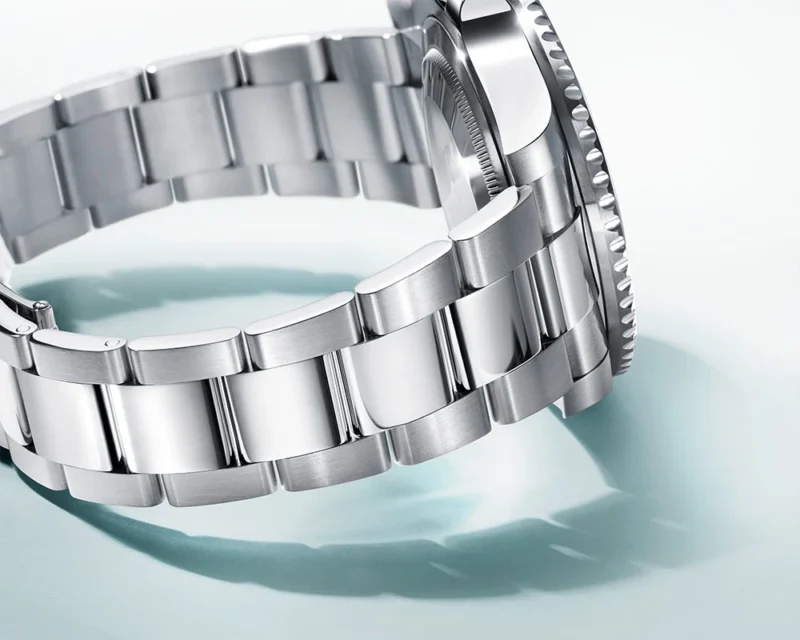
Oyster bracelet detail on a Rolex GMT-Master II. Courtesy of Rolex/Ulysse Frechelin.
A dial usually attracts attention before a clasp, yet both can help explain a watch’s history. Printing, luminous material and hands should be considered together and against documented examples from the relevant period. Matching cream-coloured markers and hands may look pleasing, but their colour is not proof that they have always been together.
The bracelet has its own history too. A later Rolex bracelet may have replaced a worn original, or a previous owner may simply have preferred another style. Bracelet references, end-link numbers and clasp markings give a specialist useful points of comparison. Ask about fit and remaining links as well: these affect the experience of wearing the watch, even when they are less dramatic than a rare dial detail.
On modern models, Oyster and Jubilee bracelets change the visual balance considerably. The broad three-piece Oyster links give a more continuous surface; the five-piece Jubilee creates a finer pattern. Where both configurations were offered, the full product description is more informative than the reference root alone.
What provenance actually tells you
Provenance is the documented history of an individual watch: who owned it, where it was sold and what happened to it afterwards. An original retailer’s invoice bearing the watch’s identifying details can connect it to its first sale. A later service invoice can explain when the dial, hands or bracelet were replaced.
A box and booklet are pleasant things to keep, but they tell a different story. Unless there is evidence linking them to the watch, they may simply be accessories of the right period. A box bought separately does not establish who owned the watch or how it has been maintained.
When a seller says “full set”, ask what is included. Distinguish the original guarantee from later service papers, and check that identifying details match where they appear. A small, coherent file can be more useful than a large collection of packaging. Gaps are common with older watches; a straightforward explanation is more helpful than an elaborate story.
Service can be part of the appeal
A vintage GMT-Master was made to be used. A well-documented service can make an example more appealing to someone who intends to wear it regularly. For a collector focused on original components, the same work may require a closer conversation about what was changed.
Ask for the invoice or description of the work, not just the statement that the watch was serviced. A later guarantee relates to that intervention; it is not a substitute for the original sale documents. Keep new paperwork with the watch so that the next owner can understand the decisions made during your ownership.
Photographs are useful for deciding which questions to ask, but they cannot reveal everything inside a watch. Before a significant purchase, arrange examination by a suitably experienced specialist and understand the seller’s terms. Opening a case and assessing its components is a different task from comparing photographs online.
Choosing the GMT that suits you
The most rewarding comparison begins with your priorities. If you want the character of an early aluminium-bezel watch, concentrate on period, condition and disclosed replacements. If you want a modern travelling companion, give more weight to fit, bracelet choice, operation and service support.
In either case, ask for a complete description: reference, approximate period, case condition, dial and hands, bezel, bracelet and documents. You do not need to memorise every variation. You need to understand the watch in front of you well enough to know why you prefer it.
Sources & further reading
Rolex’s GMT-Master history and model dossier establish the main technical milestones. Its features guide explains the contemporary watch.
For the difference that later components make to an individual vintage example, see Christie’s 6542 with a later bezel and refinished dial. Catalogue descriptions concern the specific watch offered, not every example of its reference.
The Edit
Watches stories
Selected stories from the same editorial universe.
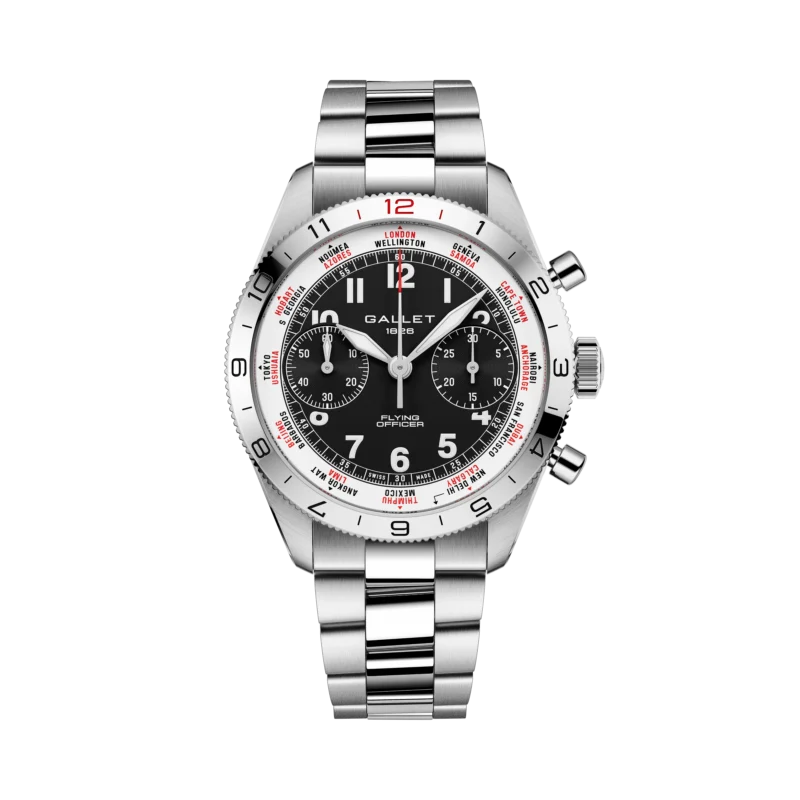
When Is a Revived Watch Brand Still the Same Brand? Testing the New Gallet Against the Archive
The archive is real and the manufacturing system is new. We test Flying Officer,
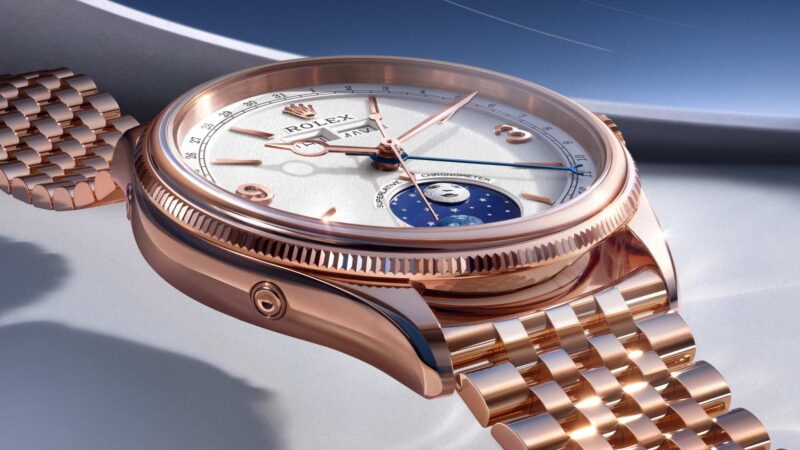
Rolex Perpetual Padellone: How an Annual Calendar Makes Three Displays Jump at Midnight
At midnight, Rolex’s new annual calendar has to identify a short month, skip a
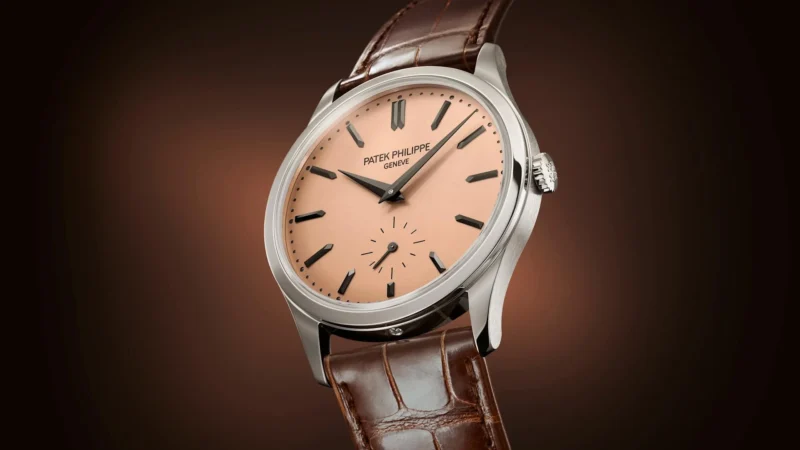
Patek Philippe: what references and archives reveal
A reference identifies the design; an archive extract adds part of its history. How

Omega Speedmaster: originality, service and the watch you wear
A replacement dial or bracelet can change a vintage Speedmaster’s appeal. How to understand
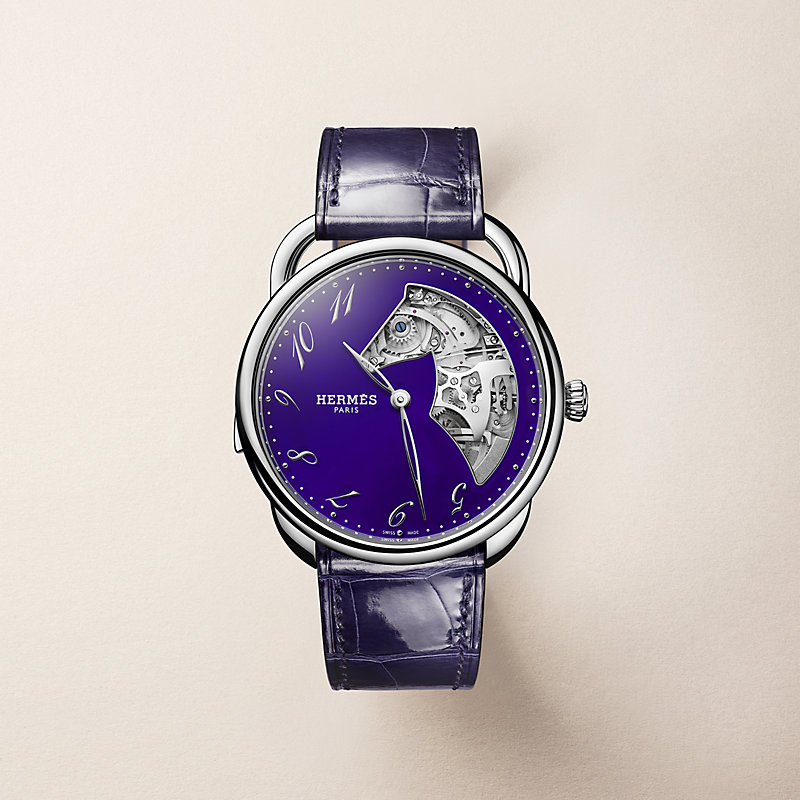
A Horse in Crystal: Hermès Arceau Samarcande
On the Arceau Samarcande W408546WW00, Hermès cuts a horse into a Saint-Louis crystal dial
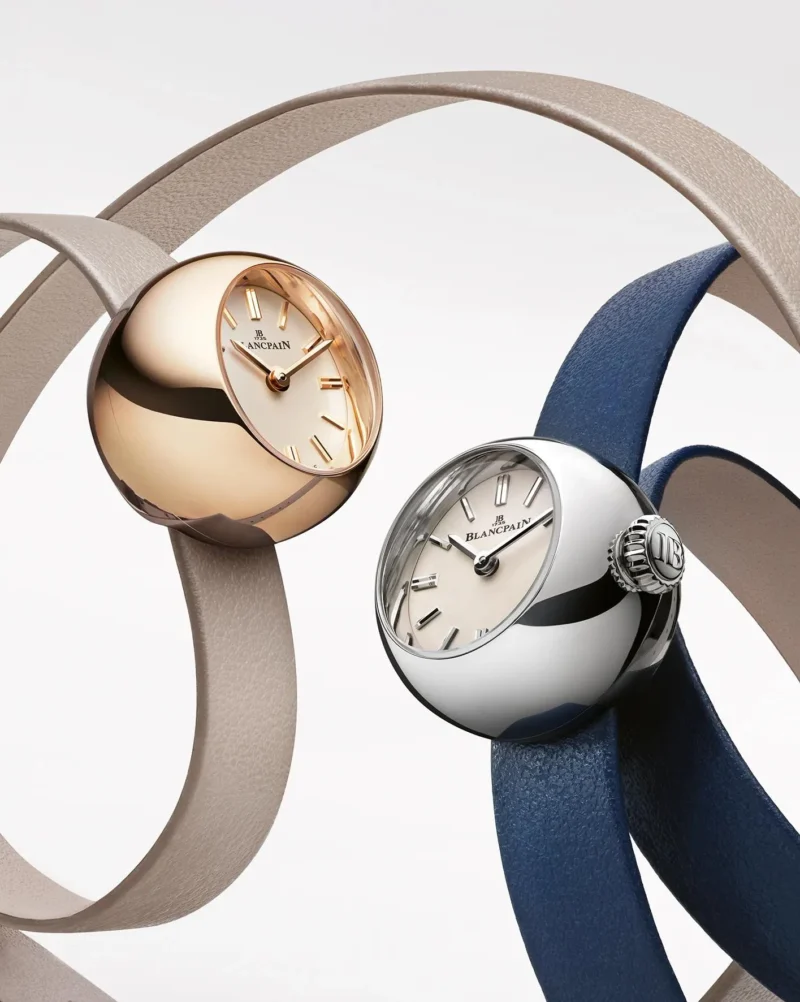
Blancpain Lady B: What Does 19 Millimetres Require?
Blancpain’s 19 mm Lady B is best understood as an exercise in mechanical volume: