Watches
How to Buy a Watch at Auction: A Calm First-Bid Guide
Buying a watch at auction should feel procedural, not theatrical. Identify the exact lot, read the sale terms, request the condition report, inspect the watch or appoint someone qualified, calculate the all-in cost and set a maximum before bidding begins. The winning bid is only the start of the obligation: buyer’s premium, tax, payment deadlines, shipping and any later service work belong in the same decision.
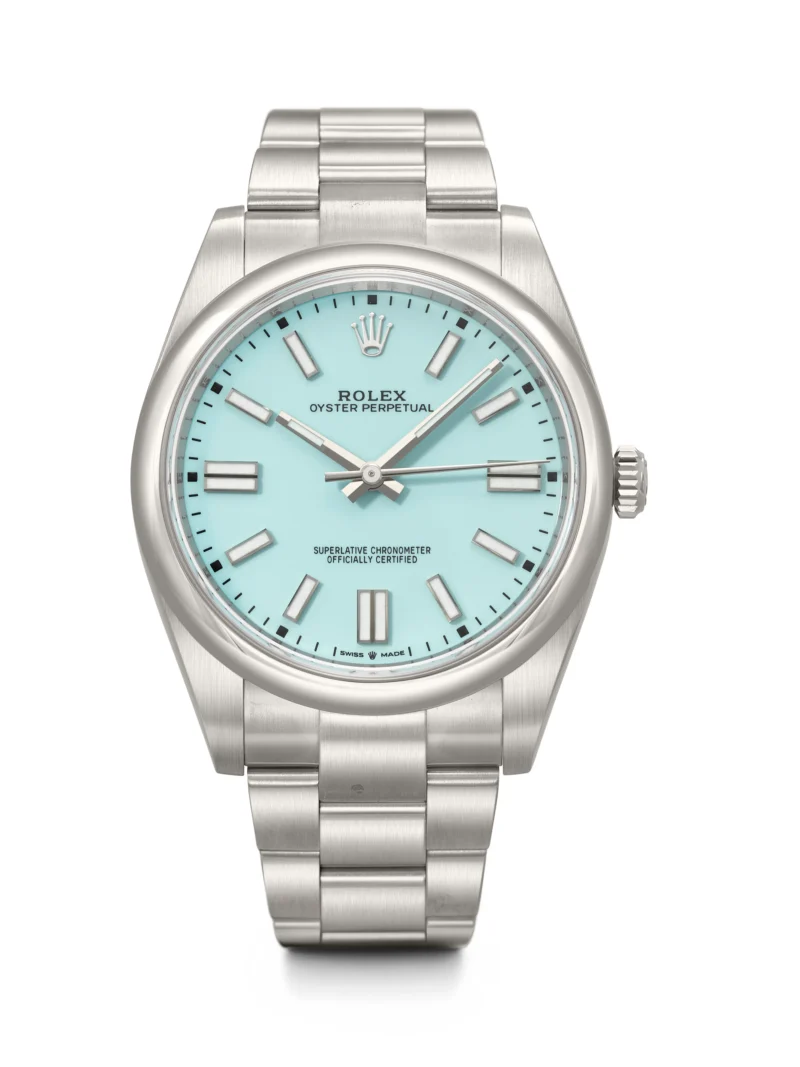
A modern catalogue example: Rolex Oyster Perpetual reference 124300, lot 2. CHRISTIE’S IMAGES LTD. 2025.
Answer first
Buying a watch at auction should feel procedural, not theatrical. Identify the exact lot, read the sale terms, request the condition report, inspect the watch or appoint someone qualified, calculate the all-in cost and set a maximum before bidding begins. The winning bid is only the start of the obligation: buyer’s premium, tax, payment deadlines, shipping and any later service work belong in the same decision.
Key takeaways
- Register early; an auction house may require identity and financial information before approving bids.
- Treat the catalogue entry, condition report and physical inspection as three different layers of evidence.
- Decide an all-in ceiling, then work backwards to a maximum hammer bid.
- Choose the least distracting bidding channel for you: room, telephone, absentee or online.
- A passed lot, an estimate and a result do not by themselves establish market value for another watch.
Before registration: know what you are trying to buy
Start with a collecting brief short enough to read in one breath. It might specify a reference family, production period, case material, acceptable service parts and maximum total spend. That sentence protects the decision when a catalogue offers dozens of plausible alternatives.
The lot title is only an index. Open the full record and note the reference, case and movement numbers where published, dimensions, material, approximate date, accessories, provenance statement and estimate currency. Save a PDF or dated copy of the page if the platform permits it. Online descriptions can be updated before a sale, and the latest notice or saleroom announcement takes precedence.
Three lots from Christie’s Geneva sale in May 2026 illustrate why detail matters. A turquoise-dial Rolex Oyster Perpetual was a modern steel watch; a Cartier Coussin Bamboo was a small 1970s shaped watch in gold; a Patek Philippe reference 605 HU was a 1943 open-face world-time watch accompanied by an archive extract. “Rare watch” is too broad to describe the different evidence each requires.
A closer look
Details worth keeping.
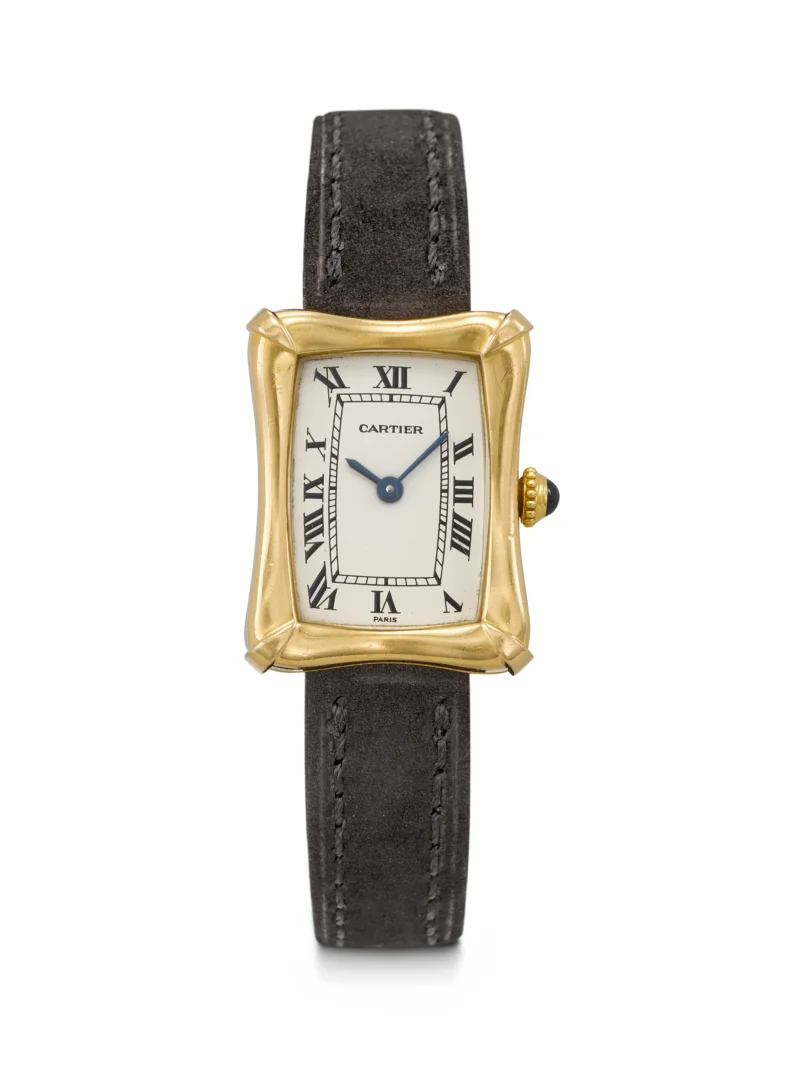
A shaped-watch catalogue example: Cartier Coussin Bamboo reference 78110, lot 10. CHRISTIE’S IMAGES LTD. 2025.
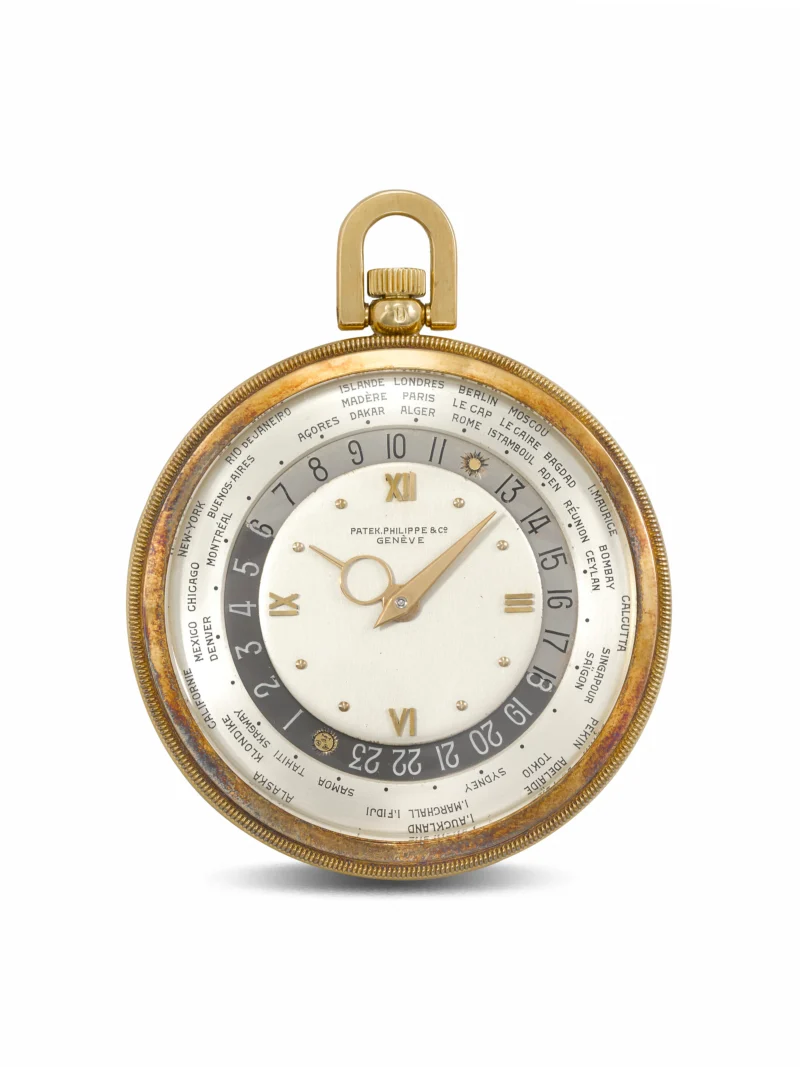
A documented vintage catalogue example: Patek Philippe reference 605 HU, lot 11. CHRISTIE’S IMAGES LTD. 2025.
Register before the interesting lot appears
Christie’s buying guide sets out a sequence of account creation, registration, bidding, payment and shipping. Its frequently asked questions note that identity documents may be required and that bidding can be conducted in the room, by telephone, through an absentee bid or online. Phillips describes the same four principal channels, while Sotheby’s buyer guide tells bidders to read the conditions governing the particular sale.
Do this well before the lot. Registration is not a promise to bid, but leaving it late can turn an administrative check into an avoidable deadline. If a watch is subject to export, endangered-material or payment restrictions, ask the auction house for the applicable information in writing.
Build an evidence file, not a mood board
The catalogue description states what the auction house is offering. The condition report addresses observed physical state. Christie’s describes its condition reports as written accounts intended to give an opinion of the lot’s condition and advises prospective buyers to inspect in person where possible. That wording matters: a report is guidance, not a substitute for independent judgement.
For a wristwatch, ask about dial originality, case polishing, replaced hands or crown, bracelet reference and length, movement function, service evidence, water-resistance claims and any missing accessories. For the Patek world-time lot, the archive extract supports production and sale information recorded by the manufacture; it does not eliminate the need to examine the current object. For the shaped Cartier, case geometry and dial condition deserve close attention. For the modern Rolex, the questions may shift towards completeness, service state and current condition.
If the amount is material to you, obtain specialist advice. A watchmaker can assess mechanical condition, while a scholar or experienced dealer may help with period correctness. Be explicit about conflicts and fees. An opinion is more useful when you know whether the adviser also wants to sell, finance or consign the watch.
Turn your budget into a hammer limit
The winning hammer bid is not normally the final amount due. Christie’s official fee guide states that buyer’s premium is added to the hammer price; tax, shipping and other charges may also apply. Phillips likewise tells bidders that bids exclude buyer’s premium and applicable taxes. Rates and thresholds can change, so use the terms published for the particular sale rather than an old percentage remembered from elsewhere.
Write down the calculation:
maximum total cost − buyer’s premium − estimated tax − shipping/import costs − immediate service reserve = maximum hammer bid
The exact calculation may be tiered, so ask the auction house for an illustration if necessary. Keep currency conversion conservative and allow for bank fees. TheTimeo’s separate auction-price guide explains estimates, hammer and premium without duplicating the process covered here.
Choose a bidding method that reduces noise
In-room bidding offers direct sight of the auctioneer but exposes you to pace and atmosphere. Telephone bidding gives a human intermediary but requires availability and a clear language of instructions. An absentee bid is disciplined because the ceiling is lodged in advance, though another bidder can still reach it. Online bidding is convenient, but connection delays and platform rules matter.
Whichever channel you choose, set one number and do not renegotiate with yourself in the final seconds. Auction urgency is real; a vanished opportunity is not the same thing as a bad outcome. There will be another sale, while an overextended purchase remains payable.
After the hammer
If you win, read the invoice immediately. Confirm the payment deadline, accepted method, collection address, insurance point and shipping responsibilities. Do not assume a watch can cross a border simply because payment has cleared. Materials, taxes and local import rules may affect delivery.
When the watch arrives, document the sealed package and opening, compare the object with the invoice and catalogue, and report any discrepancy promptly under the sale terms. Do not wear or alter it before resolving a material issue. Arrange insurance and a suitable mechanical assessment; “running” at the preview is not a service history.
If you do not win, record the hammer and price realised accurately. Then close the tab. Chasing a substitute lot without repeating the same checks defeats the discipline that made the first bid sensible.
A one-page bid file
Before the sale, your file should contain the lot URL and number, saved description, condition report, inspection notes, adviser comments, terms, premium calculation, currency assumption, shipping estimate, service reserve and maximum hammer bid. It should also name the facts that remain unknown.
That final line is important. Auction buying never removes uncertainty; it makes uncertainty visible and prices it. The calm bidder is not the one who knows everything. It is the one who knows which questions have answers, which do not and where the decision must stop.
Sources & further reading
The registration, bidding, payment and collection sequence was rechecked on 9 September 2026 against Christie’s official buying guide, frequently asked questions, condition-report guide and auction-fee guide. Bidding-channel and fee language was cross-checked against Phillips’ official How to Buy guide and Sotheby’s global guide for buyers. The three examples and images come from Christie’s official pages for lot 2, Rolex Oyster Perpetual, lot 10, Cartier Coussin Bamboo and lot 11, Patek Philippe reference 605 HU. Fees and rules vary by sale; this guide is editorial information, not legal, tax or financial advice.
Last verified: 9 September 2026.