
TheTimeo / Watches
F.P. Journe RésonanceAcross the generations
Two balances, a distinctive dial and several important revisions. How to recognise the main chapters of F.P. Journe’s Chronomètre à Résonance.
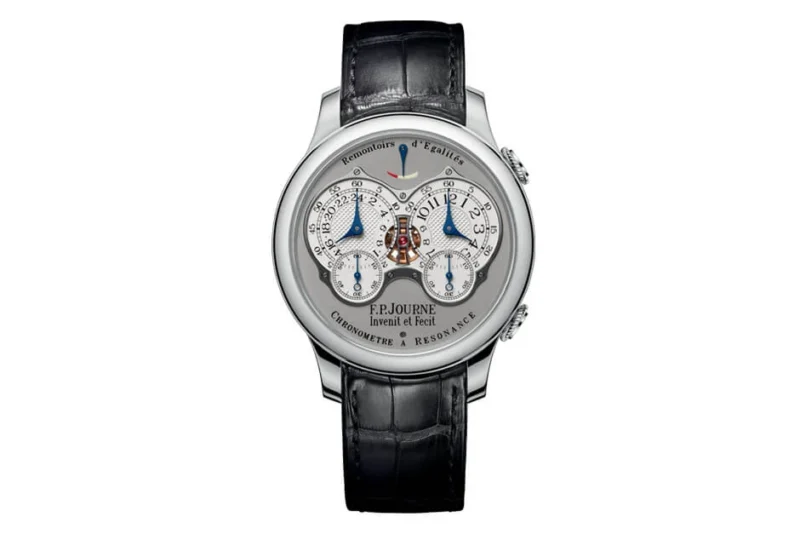
F.P. Journe Chronomètre à Résonance in platinum, front view. Courtesy of F.P. Journe.
Explore the story
Two small dials sit side by side on the Chronomètre à Résonance, each with its own seconds hand. They make the watch’s central idea visible: two timekeeping systems sharing one case.
F.P. Journe has returned to that idea through several substantially different movements. An early brass-movement watch and a later calibre 1520 model may have an obvious family resemblance, but their mechanics and displays are not interchangeable. Understanding the main generations makes the differences easier to enjoy — and a prospective purchase easier to assess.
What resonance means here
Inside a mechanical watch, the balance wheel oscillates back and forth to regulate timekeeping. The Chronomètre à Résonance uses two. F.P. Journe’s explanation is that, when adjusted closely enough, they exchange energy and settle into an opposing rhythm through the resonance phenomenon.
The intention is to improve stability when the watch is disturbed. The two balances are not connected by a gear that forces them to move together. Their adjustment is therefore essential to the principle, rather than something resonance makes unnecessary.
That distinction is useful when looking through the case back. Two balances are the beginning of the explanation; the way they are supplied with power, and how closely the watch is regulated, completes it. The later changes to the movement address those supporting systems without abandoning the original idea.
The early brass-movement watches
The wristwatch arrived in 2000. Early reference R examples use calibre 1499 with rhodium-plated brass plates and bridges, giving the movement a silvery appearance. The main serial generation is associated with the compact 38 mm case and two conventional analogue time displays.
“Brass movement” is useful shorthand, but it does not describe every variation within those early years. Dial surfaces, printing, case markings and later service work all deserve attention. The earliest watches have also attracted specialist classifications that are more detailed than the manufacture’s principal reference names.
For a watch described as Souscription or pre-production, seek documentation supporting that specific description. Such terms concern its place in the manufacture’s early history, not simply the colour of the dial. A specialist’s account should explain the case number and accompanying papers, rather than rely on resemblance to another auction example.
Gold movements and the RN generation
In 2004, F.P. Journe moved the Résonance movement into 18-carat rose gold. Reference RN retains the paired analogue displays, so the change is easier to appreciate from the back than from a quick glance at the dial.
RN examples include calibre 1499.2 and later 1499.3 movements. This is why “gold-movement Résonance” is still an incomplete description. The exact calibre and case should be identified when comparing examples, particularly around a production transition.
The material is historically significant, but it does not create a simple ranking. A collector may prefer an early brass watch for its connection to the founding years, or a later watch for its particular proportions and movement. The sensible comparison is between complete, documented examples, not brass and gold as abstract categories.
When the two displays became different
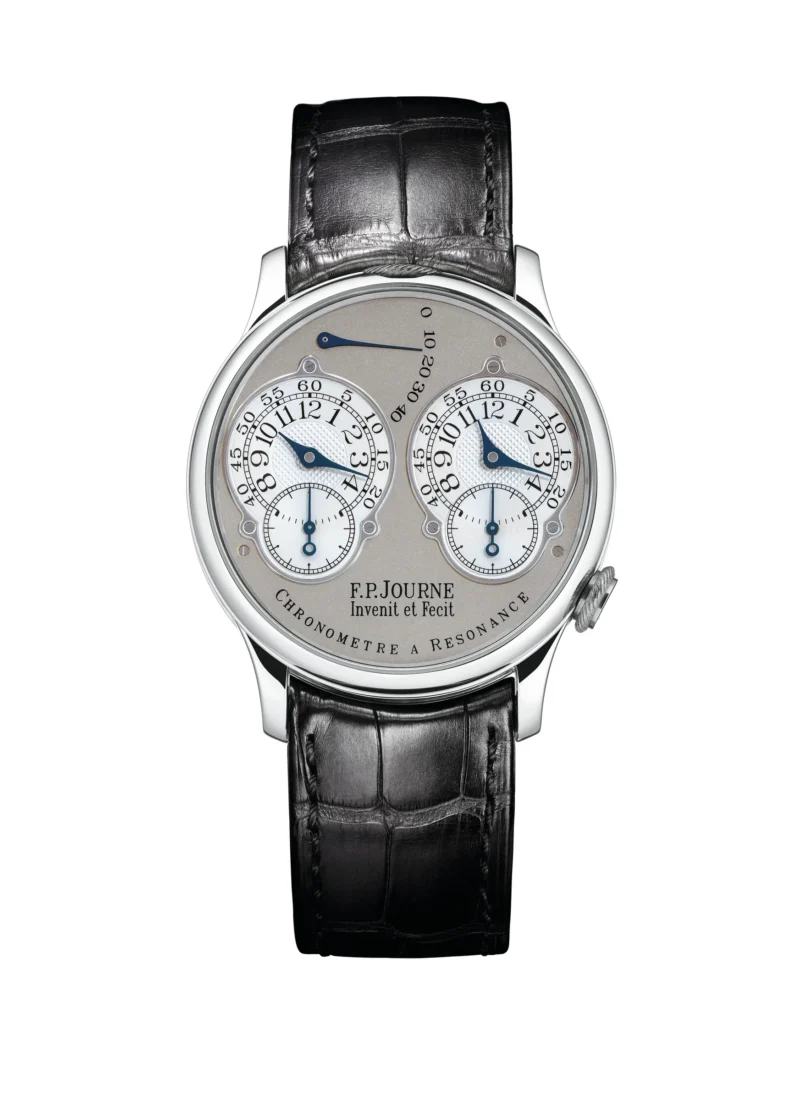
A 2001 38 mm Chronomètre à Résonance with calibre 1499. Courtesy of F.P. Journe.
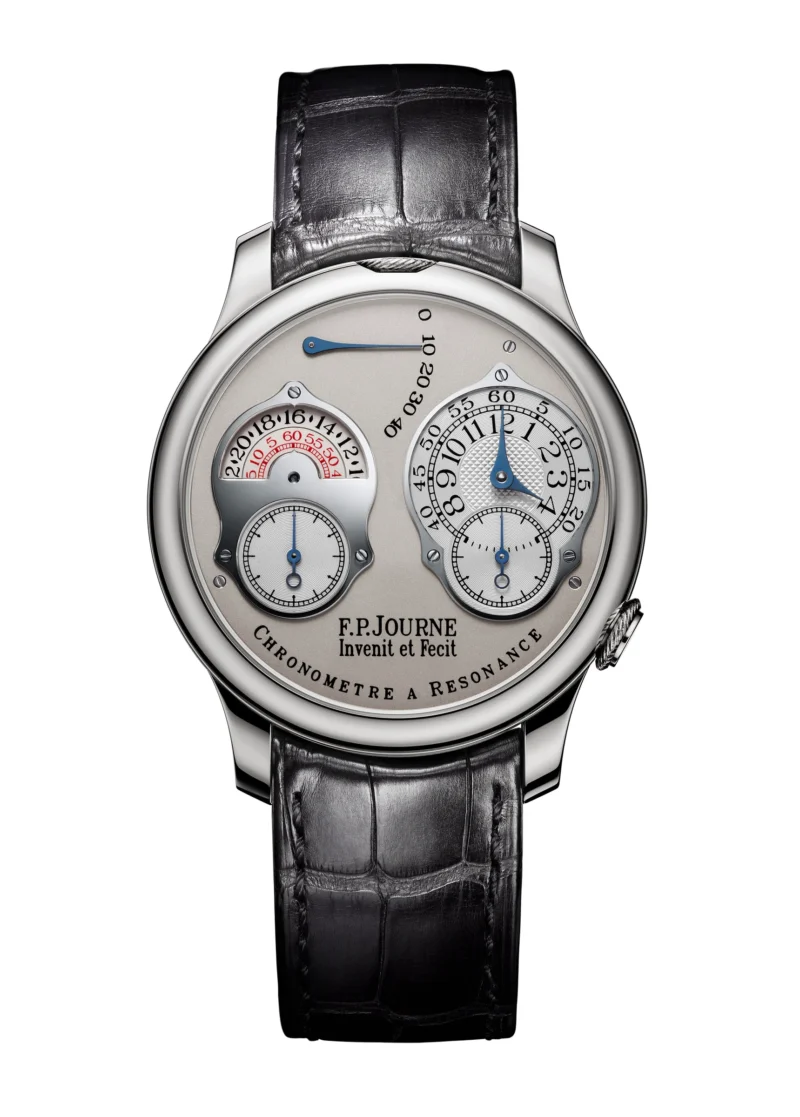
The 2010 Chronomètre à Résonance with a 24-hour display. Courtesy of F.P. Journe.
The RT generation, introduced in 2010, changes the dial more visibly. Its left-hand display uses a 24-hour indication, while the right retains the familiar 12-hour arrangement. The difference can help distinguish day from night in the second time zone.
This asymmetry gives the dial another character. Earlier watches appear closer to two small clocks placed side by side; the RT makes their different roles more apparent. Notice the display itself when identifying an example, rather than assuming that any watch with two time zones belongs to the same generation.
With the RQ generation introduced in 2020, the left display remains 24-hour but returns to an analogue presentation. The crown position also changes. These visible details are useful clues to a much larger revision beneath the dial.
Calibre 1520: a different supply of power
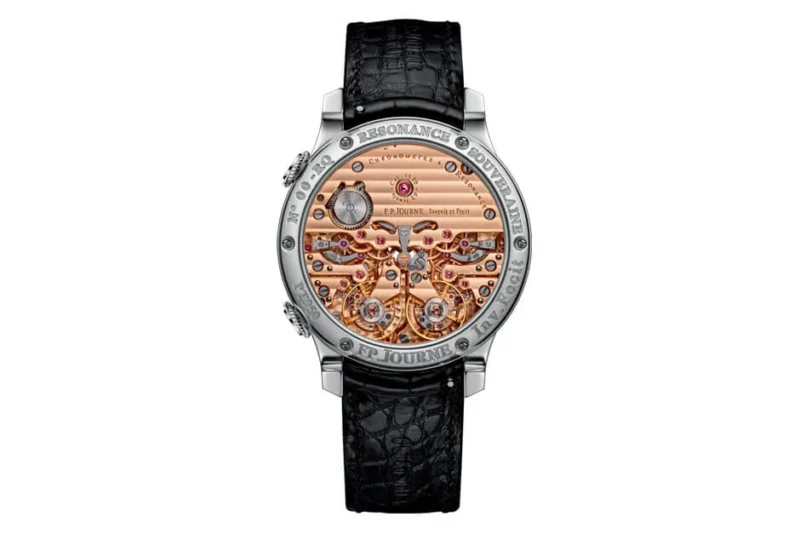
Calibre 1520 visible through the back of the 2020 Chronomètre à Résonance. Courtesy of F.P. Journe.
Calibre 1520 uses one mainspring and a differential to distribute energy to two separate gear trains. Each train has a remontoir d’égalité: a small intermediate energy store that is replenished at regular intervals, helping to deliver a steadier force to the escapement.
The two remontoirs and the resonance system solve different problems. The remontoirs regulate the delivery of power; resonance concerns the interaction of the balances. Combining them makes this generation more than a new face on the older movement.
The manufacture specifies approximately 42 hours of total autonomy and an effective running period of 28 hours, plus or minus two. These are distinct figures. The shorter period describes the specified effective running window, rather than the moment at which the watch necessarily stops.
How to compare two examples
Ask for the reference and calibre first, then clear photographs of the dial, case back and controls. The display layout and movement should support the seller’s description. Case dimensions and metal matter too: they change the physical experience of a watch whose dial is already unusually detailed.
Service paperwork adds another part of the story. Find out what work was done and whether aesthetic or mechanical components were changed. Original sale documents, later certificates and service invoices have different purposes; ask to see the actual documents rather than relying on “full set”.
If an important early-production claim influences your decision, have it examined by someone experienced with those watches. A case number is useful evidence, but it is not a complete ownership or service history.
Once the identity is clear, the choice becomes more personal. You might be drawn to the compact early case, the paired analogue displays of an RN or the open movement architecture of the RQ. Each offers a different view of a watchmaker returning to the same difficult question.
Sources & further reading
F.P. Journe’s explanation of resonance, retrospective collection and calibre 1520 technical record support the mechanical distinctions. Early-production and special-edition claims require documentation for the individual watch.
The Edit
Watches stories
Selected stories from the same editorial universe.
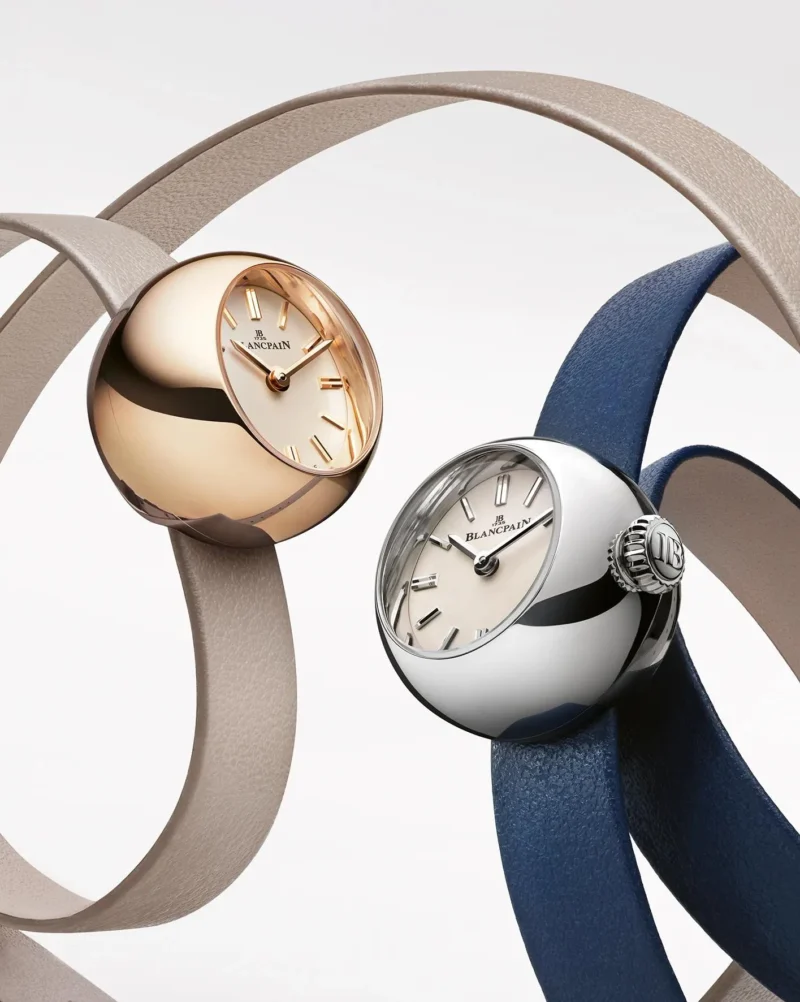
Blancpain Lady B: What Does 19 Millimetres Require?
Blancpain’s 19 mm Lady B is best understood as an exercise in mechanical volume:
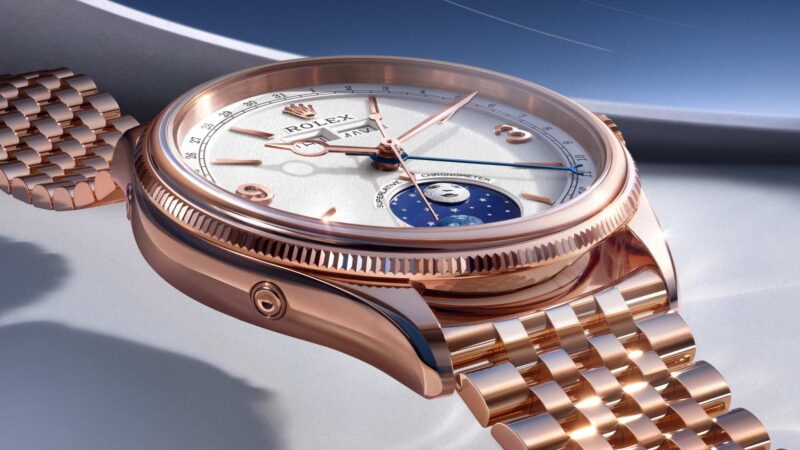
Rolex Perpetual Padellone: How an Annual Calendar Makes Three Displays Jump at Midnight
At midnight, Rolex’s new annual calendar has to identify a short month, skip a
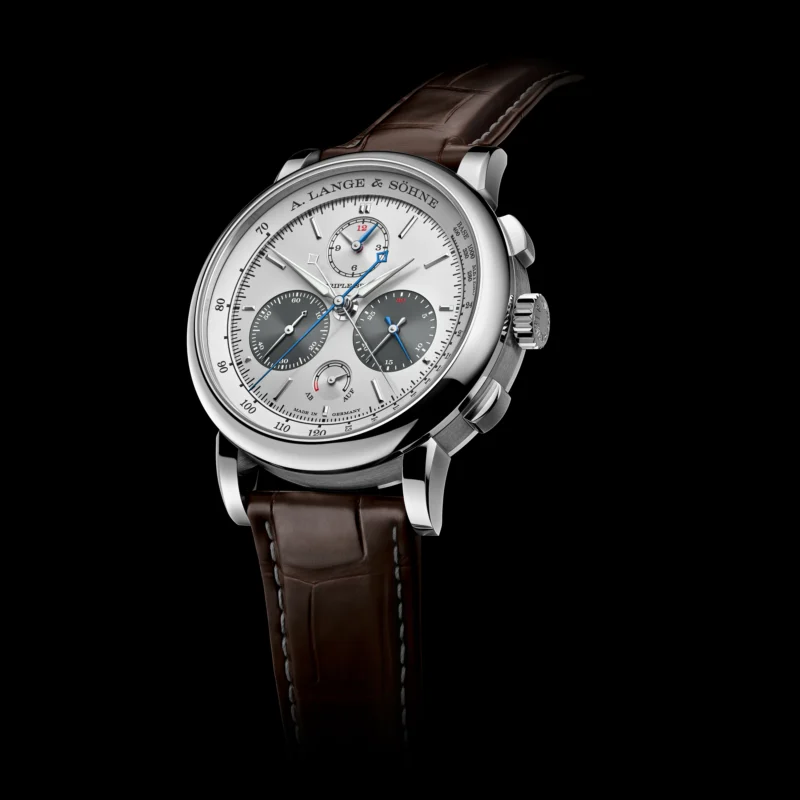
A. Lange & Söhne Triple Split: Why Twelve Hours Changes a Rattrapante
Seconds sweep, minutes jump and hours advance continuously. Calibre L132.1 must hold all three
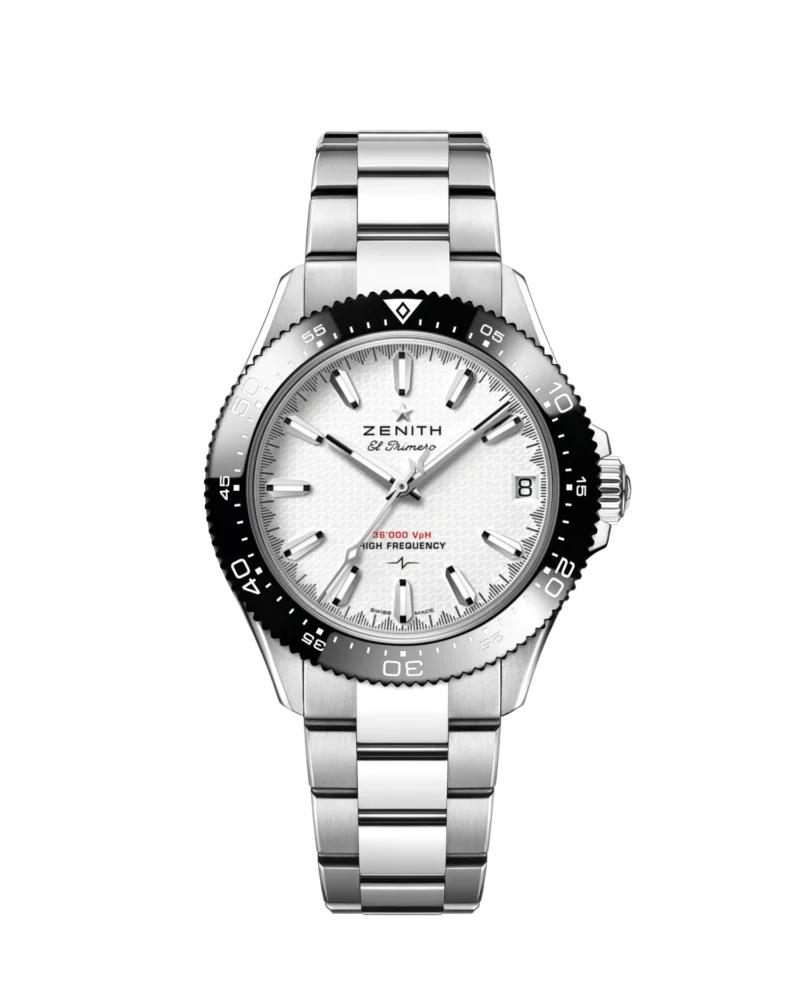
Zenith Chronomaster Solo Sport: What Is El Primero Without a Chronograph?
Zenith removes the pushers and counters from Chronomaster but keeps El Primero at 5
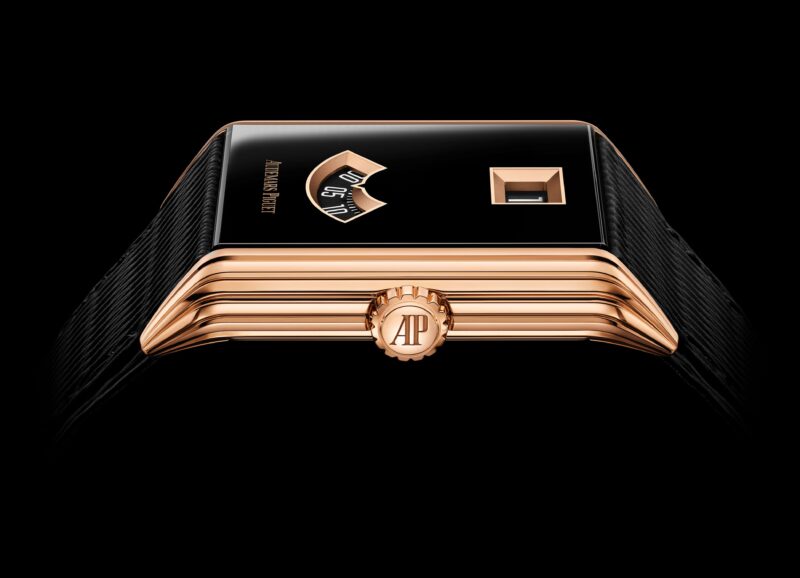
Audemars Piguet Neo Frame Jumping Hour: Why the New Calibre Matters More Than the Vintage Shape
Audemars Piguet returns to a two-window jumping-hour format from the late 1920s, reversing its
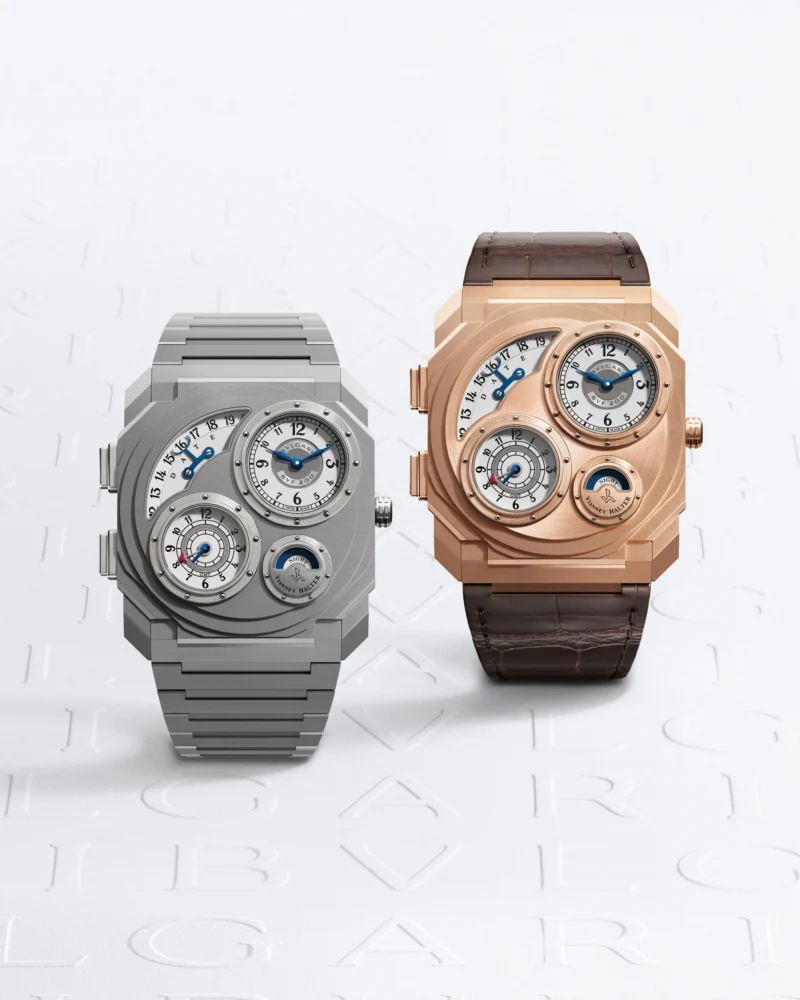
Bulgari Octo Finissimo Dual Time x Vianney Halter
Bulgari and Vianney Halter give the Octo Finissimo four separate displays, a new calibre