Insights & Investment
Rare Watches: Read the Reference Before the Story
The pleasure of an unusual watch begins with looking closely. How to define rarity, distinguish an archive extract from authentication and understand the example in front of you.
Different shapes. Different questions.
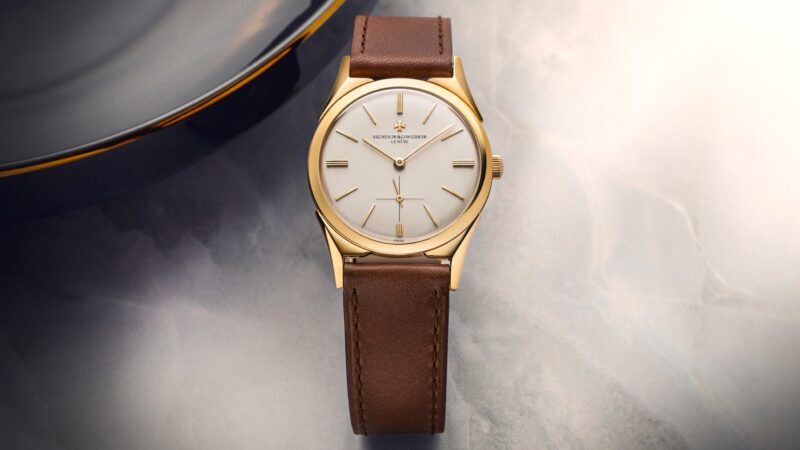
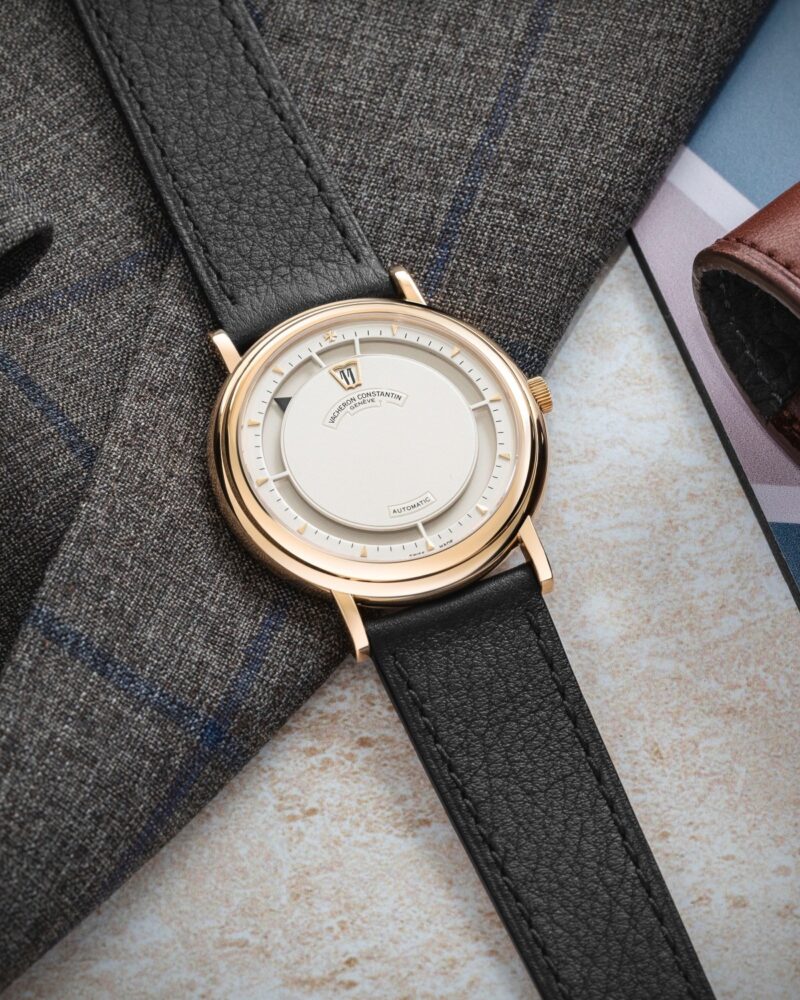
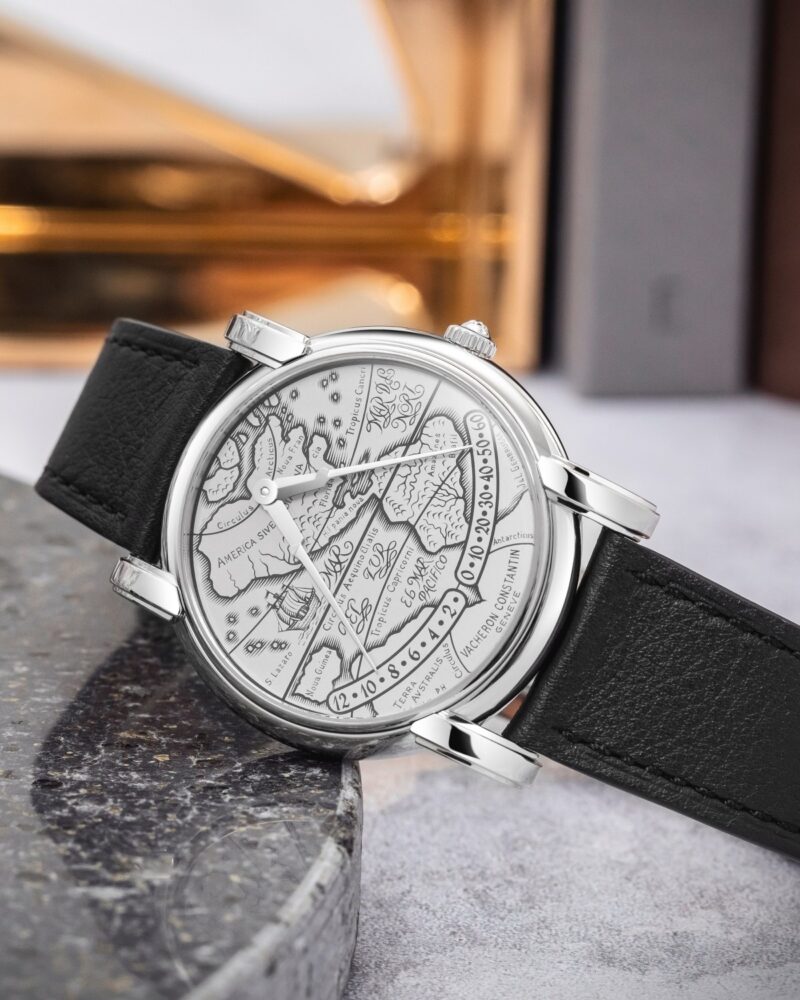
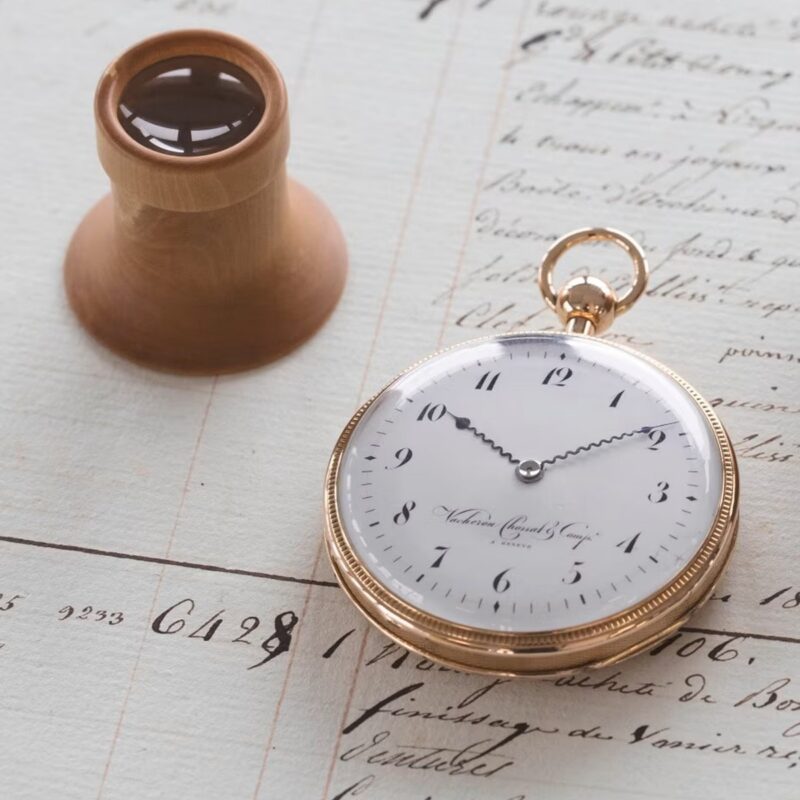
Vacheron Constantin’s official Les Collectionneurs images show Jump Hour, Prestige de la France and Mercator watches; an archive photograph adds historical context. A varied appearance invites enquiry. These photographs alone establish no production count or condition verdict.

The watch that makes you stop
Sometimes an unfamiliar dial or an unexpected case shape holds your attention longer than a celebrated name. You turn the photograph towards someone else, look again at the hands, wonder when such a watch was made. That curiosity is one of the pleasures of collecting. It deserves a better answer than a seller’s confident use of the word “rare”.
Start by asking what is unusual about this exact example. Its reference, its configuration, a documented production run, a recorded commission or a particular history? Those are different questions. A watch can be fascinating before any of them has been answered, but fascination should not be mistaken for evidence.
This guide sets out TheTimeo’s method for reading such claims. It is an invitation to study the watch, not a list of pieces expected to rise in price. Rarity, desirability and a sensible purchase remain separate judgements.
Give “rare” a precise meaning
Ask the person making the claim to define the group being counted. Does a stated number concern the whole reference or one dial and metal combination? Is it a documented total, an estimate, or simply the number the seller remembers seeing? Keep the original wording and source so that the distinction is not lost later.
If no reliable count is available, leave the count unknown. You can describe the configuration, explain why it interests you and record the limits of the research. A gap in the evidence does not become a small production number because the watch is difficult to find today.
It helps to write your own interest down before reading the sales description again. Perhaps you want an unusual display, an elegant rectangular case or a watch connected to a period you have studied. This gives you a reason to continue looking that does not depend entirely on exclusivity.
Four claims that should not be folded together
These distinctions form an editorial reading aid. They prevent a strong answer to one question from becoming an unsupported answer to all the others. Use them when discussing the example, especially when the description moves quickly between history, condition and price.
Production rarity
Ask for evidence about the defined reference or configuration and the basis of any stated total. Record whether the source gives a confirmed figure or an estimate. If the denominator is unclear, the number is not yet useful.
Unusual configuration
Identify the case, dial, display and movement being described. Request support for the claimed combination. A visually unfamiliar detail is a reason to investigate, not a conclusion that the example is exceptionally scarce.
Documented provenance
Read the records connecting the watch to an owner, occasion or commission. Separate contemporary documents from later recollection. A memorable story should be attributed and its gaps left visible.
Condition and intervention
Examine this watch’s disclosed condition and service history independently of its reputation. Ask which components or surfaces have been worked on. A rare reference does not establish the originality of every part in a particular example.
Use the photographs to decide what to research
The official Vacheron Constantin gallery offers three starting points: Jump Hour, Prestige de la France and Mercator. Move between them slowly. Look at the arrangement of the display, the outline of the case and the way the strap meets it. Decide which aspect makes you want to know more before asking what any of them costs.
The images provide visual context, not production statistics. Nor do they document a watch being offered by TheTimeo. For a purchase, you need photographs and information about the actual example, with a clearly identified reference and a disclosed configuration.
Request views that answer questions rather than merely increase the number of photographs. The complete dial, the case from more than one angle, the back and the relevant markings can form the beginning of a useful conversation. Have any necessary internal examination carried out by a qualified specialist. Keep private identifiers out of public discussion.
An archive extract is not an authentication certificate
Vacheron Constantin explicitly distinguishes these documents. Its archive extract records historical characteristics associated with the watch, including case and movement numbers, calibre and recorded dates. The Maison states that the extract does not constitute a certificate of authenticity. Its certificate procedure instead requires physical examination by Heritage Department experts.
The distinction changes how you read a file. Historical records and present physical assessment are complementary sources of information; one document should not be renamed to make it sound like the other. Read what the issuer says the document establishes, and do not extend its conclusion yourself.
The same page distinguishes a document for insurance purposes, giving the last recorded retail list price, from a collector-market estimate. A maker’s document therefore needs to be read by purpose, not treated as a single all-purpose guarantee of authenticity, condition and selling price.
Restoration needs a conversation of its own
In its Les Collectionneurs programme, Vacheron Constantin describes manufacture authentication and specialist restoration, using preserved historical components and, where needed, archive-supported recreation of movement parts. Programme watches are accompanied by a certificate, digital passport and two-year guarantee. Those terms concern that defined offer; they should not be transferred to every vintage watch bearing the same name.
For an individual purchase, ask what work was carried out and what the record actually shows. A restored watch may be appealing to you, or you may prefer an example with a different intervention history. Make that preference specific before agreeing to further work.
Avoid giving every ageing surface the romantic label of patina. Describe what you can see and seek an informed assessment of what it means. Equally, do not require a historical watch to resemble a fresh catalogue photograph. You are choosing a particular object with a particular history.
Build a file that keeps the questions separate
The six entries below are an editorial dossier. Use them to organise information without turning a document’s presence into a verdict. The most useful file makes both the established facts and the remaining uncertainties easy to find.
Identity
Record the reference, stated configuration and private case or movement identifiers where appropriate. Keep the source of each detail. Resolve material discrepancies before treating the description as settled.
The rarity claim
Write down the exact claim, the group it concerns and the supporting source. Distinguish a documented figure from an estimate or an observation about availability. Preserve uncertainty when it remains.
Historical records
Keep archive material with its issuer, date and stated scope. Separate recorded manufacture or sale information from later ownership stories. Do not label an archive extract as authentication unless the issuer does.
Physical assessment
Retain the qualified examiner’s findings and any limitations. Ask which questions were addressed and which were not. An exterior photograph and a historical document do not replace examination where it is required.
Work and condition
Keep service correspondence, restoration descriptions and disclosed changes together. Before commissioning work, agree its scope and ask what appearance and components are intended to be retained.
Purchase terms
Record the seller, invoice, agreed description, guarantee and return arrangements. Price evidence is a separate enquiry. Choose an amount you can accept without depending on appreciation or an easy future sale.
Let the evidence bring you back to the watch
Research can make an unfamiliar piece more compelling. A display that initially looked strange becomes readable; a case shape makes sense within the interest you are following. Spend time with those discoveries. They are part of the pleasure, even if the watch is never bought.
Then return to the physical experience. Can you read it comfortably? Does its size suit you? Are you willing to live with the disclosed condition and practical requirements? Rarity cannot answer those questions on your behalf.
Questions to resolve before committing
These are decision prompts rather than a universal authentication checklist. A clear limit can be as useful as a reassuring answer. Keep asking until the material questions are addressed—or decide that the available evidence is not enough for you.
01Is a watch without papers automatically unsuitable?
A missing document is a gap to evaluate, not an automatic verdict. Identify which claim needs support and what appropriate examination or records can establish. Decide whether the remaining uncertainty is acceptable for your purchase.
02Does a limited-production claim make a watch a good investment?
No purchase decision should depend on that assumption. A stated production limit answers a different question from future demand or selling price. We make no appreciation forecast; consider the price and practical commitments on their own terms.
03When should I stop researching and walk away?
Pause when significant contradictions remain unresolved, the actual example cannot be examined as needed or agreed descriptions will not be put in writing. You do not need to prove wrongdoing to decide against a purchase.
Curiosity is enough to begin
You need not own every unusual watch you learn to appreciate. Looking carefully, reading the records and talking with knowledgeable people can deepen the interest without turning it into a race for acquisition.
If an example eventually comes home, let it be one you understand well enough to enjoy. The story should still draw you in after its grandest adjectives have been removed.
Sources & credits
Sources & further reading
Methodology and sources. Rechecked on 13 September 2026 against Vacheron Constantin’s official Heritage Documents guidance and Les Collectionneurs programme. Document scope, physical examination, restoration and guarantee terms are attributed only to the named Maison and programme. Definitions, research questions and the six-part dossier are TheTimeo’s editorial method, not an authentication protocol or financial advice. Official photographs illustrate visual and archival enquiry; they establish no production count or condition verdict. Source pages, original media endpoints, credits, dimensions and hashes are retained. No unverified production figure, market forecast or investment-return assertion is included.
A good story makes you look at a watch. Good evidence lets you understand the one you are looking at.
TheTimeo — editorial collecting principle
Further stories from this world

Insights & Investment
The TheTimeo Provenance Standard: What Should Travel With an Object

Insights & Investment
How to Read a Jewellery Auction Lot: Five Separate Lines of Evidence

Insights & Investment
Watch Documents and Provenance: Build the File, Test the Claims
Insights & Investment