

Collecting Intelligence
Insights & Investment
Watch Documents and Provenance: Build the File, Test the Claims
A watch can become more captivating when its past comes into focus. An archive extract may place a reference in the history of a manufacture; a dated invoice can illuminate an early chapter; service papers reveal the care invested over time. No single document tells the entire story. The pleasure comes from assembling a coherent file in which each paper has a clear role, each date leads naturally to the next and the object itself remains at the centre.
Historical ledgers are where a watch’s documented life begins to come back into focus. Courtesy of Patek Philippe.
The visual edit
Objects that give the story its shape.
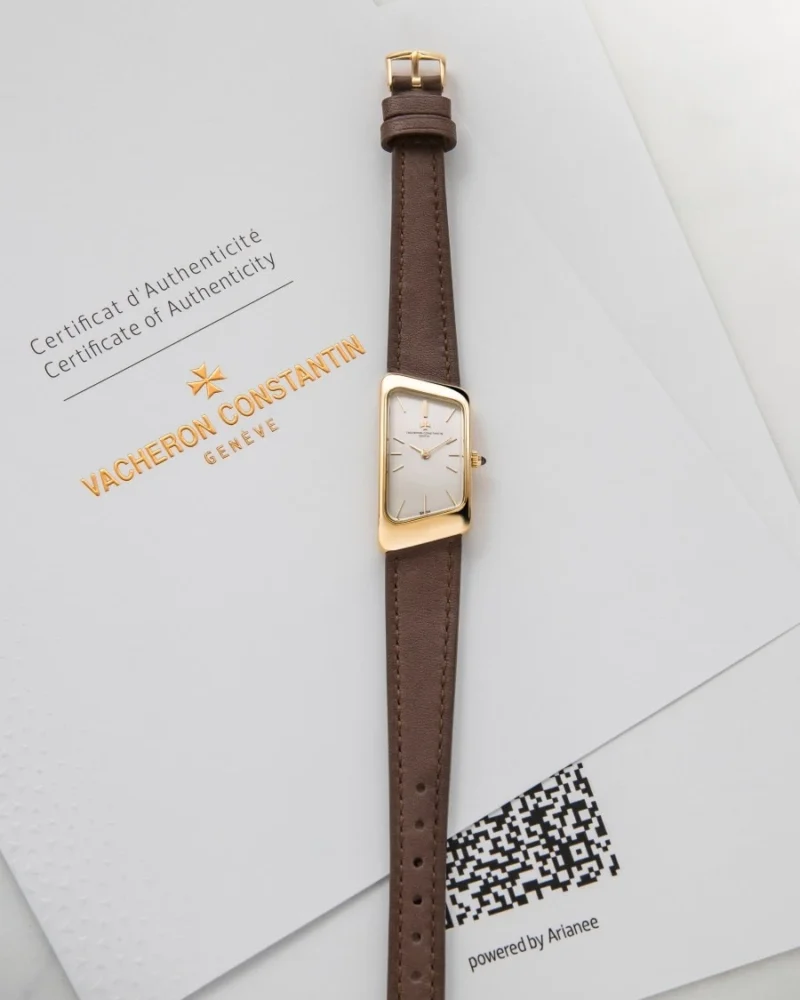
A vintage watch alongside a certificate of authenticity: related evidence, but never interchangeable evidence. Courtesy of Vacheron Constantin.
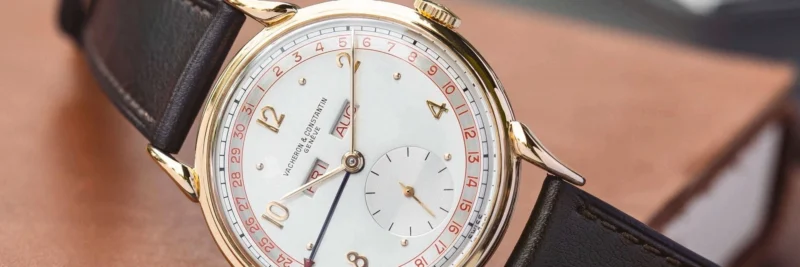
A heritage watch placed against the archival record that helps establish its history. Courtesy of Vacheron Constantin.
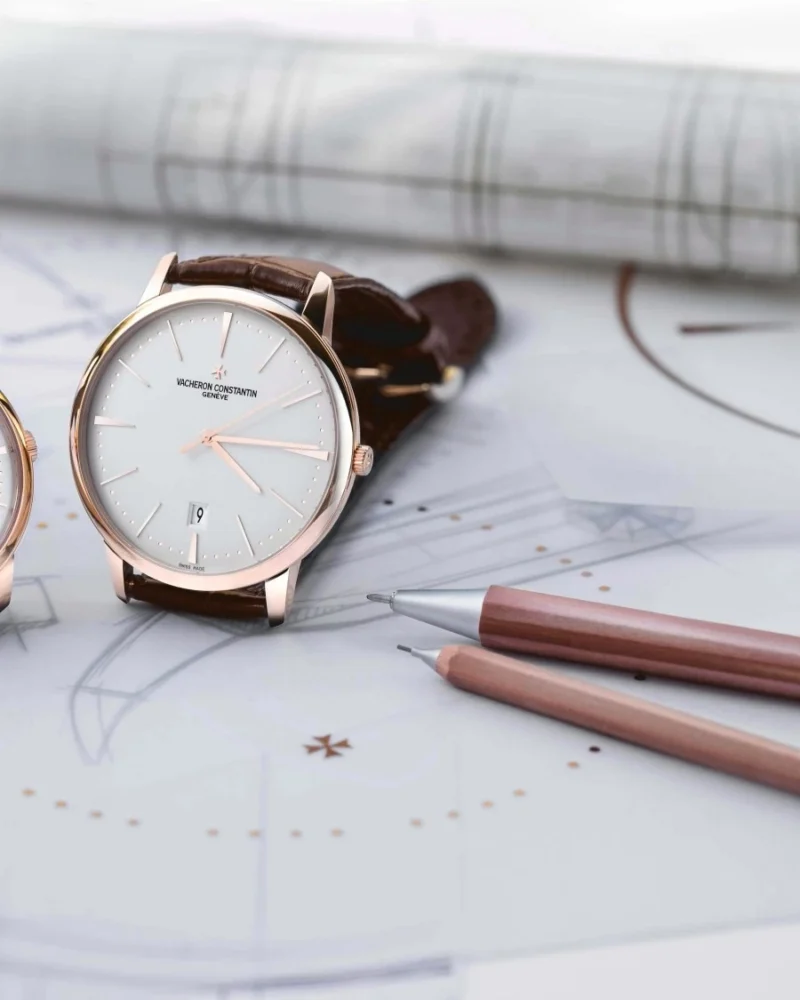
Design drawings and archive material can add context to the physical object. Courtesy of Vacheron Constantin.
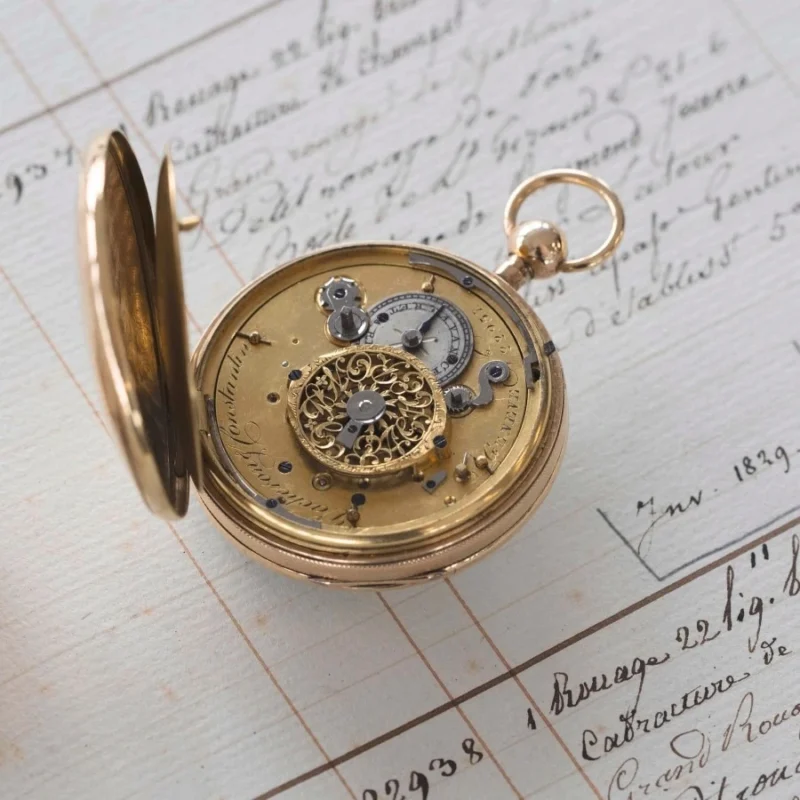
The object itself remains central: documents support what close examination can establish. Courtesy of Vacheron Constantin.
The papers that bring a watch closer
A watch can become more captivating when its past comes into focus. An archive extract may place a reference in the history of a manufacture; a dated invoice can illuminate an early chapter; service papers reveal the care invested over time. No single document tells the entire story. The pleasure comes from assembling a coherent file in which each paper has a clear role, each date leads naturally to the next and the object itself remains at the centre.
The documents that matter
- Build a chronology of the watch, not a pile of accessories.
- Record issuer, date, identifiers, scope and limitations for every document.
- An archive extract may describe original manufacture and sale without authenticating the present object.
- A certificate based on physical examination answers a different question from an extract based on records.
- Negative database searches and missing records do not prove clean title or authenticity.
Four kinds of evidence, four different roles
Provenance, authenticity, originality and documentation often appear in the same sentence, but they are not interchangeable. Provenance is a history of custody or association. Authenticity concerns whether the object is what it is represented to be. Originality concerns whether components and finishes remain from the documented production configuration. Documentation is the set of records used to support—or sometimes merely repeat—those claims.
A warranty card can connect a reference and serial to a retailer and sale date. It does not record every later owner. A service invoice can show that a named workshop performed work on a date. It does not necessarily authenticate every component. A fitted presentation box may be correct for the period without being original to the watch. An archive extract can transcribe factory records while saying nothing about the present dial or movement unless its terms expressly do so.
The first discipline is therefore grammatical: write exactly what a record supports. “Patek Philippe Extract from the Archives dated 2026 records reference X, movement Y and sale date Z” is stronger than “full papers prove authenticity.”
Begin with the object itself
Create a private master record with a stable collection ID. Record maker, displayed brand, model, reference, case and movement numbers where safely available, materials, dimensions, inscriptions, distinguishing marks and current components. Add straight photographs of the front, back, sides, clasp and marks. Store unedited originals and note the capture date.
The International Council of Museums' Object ID standard provides a useful cross-category foundation. It calls for photographs and fields including object type, materials and techniques, measurements, inscriptions and markings, distinguishing features, title, subject, date or period and maker, followed by a short description kept securely. Object ID was created for cultural objects rather than specifically for wristwatches, so a collector can extend it with reference, calibre, movement number, service history and accessories.
This record helps identification after loss and stops descriptions drifting each time the watch changes context. It should not be posted publicly with full serial numbers, addresses or unredacted invoices. Create a separate sharing copy that preserves the evidentiary fields while removing personal and security-sensitive data.
Let the chronology unfold
Each event needs a date or bounded date range, an event type, the parties or roles involved, the document supporting it and a confidence note. Useful event types include manufacture, first sale, transfer, inheritance, auction, exhibition, publication, service, restoration, loss report and recovery.
Do not smooth gaps. If the record moves from a 1972 warranty to a 2008 auction catalogue with no intervening custody, write “ownership not documented between 1972 and 2008.” A family account can be recorded as an oral history with speaker and interview date, but it should not be converted into a documented chain without supporting records.
Keep scans of both sides of cards and receipts. Record catalogue corrections and saleroom notices, not just the original PDF. If an online page may change, save a lawful archival copy or PDF with retrieval date and checksum. Keep translations beside the original, naming the translator and date.
What an archive extract adds
Patek Philippe states that its Extract from the Archives transcribes key features and sale date from records dating to 1839. As checked on 3 September 2026, the service was available for watches first sold at least ten years before the request, cost CHF 500 and could be requested once per year for the same timepiece. Those are changing service terms, not permanent facts, and they must be rechecked before an order.
An extract can connect submitted numbers to a factory record. It should not be described as a physical certificate unless the issuer says it is. The present dial, hands, case finish and internal components may have changed since manufacture. The archive record and a current condition examination complement rather than replace each other.
Vacheron Constantin makes the distinction explicit. Its heritage page says an Extract from the Archives includes original characteristics and recorded information such as calibre, case and movement numbers, dial or strap type, manufacture date and sale date, but “in no way constitutes a certificate of authenticity.” Its Certificate of Authenticity requires physical examination by the Heritage Department. One document reads the archive; the other examines the object under the maison's process.
Jaeger-LeCoultre similarly says its archive extract provides original technical details based on supplied information and cannot be treated as a certificate of authenticity. Its request asks for front, back, movement, engraved numbers and hallmarks, with the movement photograph obtained through a qualified official point. Comparing issuer definitions prevents a collector from giving all “papers” the same meaning.
Original papers and the later life of a watch
Original point-of-sale papers may include a warranty certificate, retailer stamp, sale date and buyer information. Their value as evidence depends on legibility, consistency with the watch and continuity of custody. A blank or altered card raises different questions from a fully completed one. A replacement document should be labelled as such.
Later service papers can be equally important for chronology. They may show the watch in a recognised network, record replaced parts and add a dated performance warranty. Auction invoices establish a transaction between named parties but may need redaction before transfer. Insurance schedules establish that an item was declared for cover, not necessarily that every description was independently authenticated.
Boxes, tags, booklets and tools belong in an accessories inventory. Photograph identifying marks and condition. Avoid calling the set “complete” unless a reliable reference defines what was supplied with that precise watch and all items are present. Accessories can be assembled later; their presence alone does not create provenance.
When a name becomes part of the story
A connection to a public figure, designer, institution or historic event can change how a watch is understood. It also raises the risk of repetition outrunning proof. Build the claim from the strongest available records: direct invoices, correspondence, photographs showing identifying details, estate inventories, institutional archives or an unbroken chain of transfer.
A photograph of someone wearing a similar model rarely identifies a particular serial. An engraved name can be contemporary, later or spurious. An auction catalogue is evidence that the house made a statement on a date; inspect the sources behind that statement where access is available. If privacy prevents publication of the full document, an independent specialist can describe what was examined and what it supports.
Use bounded language. “Consigned by the family of the original owner, according to Christie's” attributes the chain. “Owned by” without the source silently upgrades it. The distinction protects both the reader and the historical record.
Quiet checks before a new chapter
INTERPOL's Stolen Works of Art Database contains police-certified records supplied by authorised entities and allows authorised users to search identifiable items. Its ID-Art terms warn that a negative search is not sufficient due diligence: an item may not yet be reported, may be recorded only nationally or may lack searchable information. A positive match is also potential, not final, and should be referred to the appropriate authorities.
Watches may fall within different databases, laws and insurer records depending on jurisdiction and circumstances. Record the databases searched, date, identifiers and result, but never write “clear” merely because no match appeared. Request proof of ownership and origin from the seller and obtain specialist legal advice where title, sanctions, cultural-property or import questions arise.
A database result also does not authenticate the watch. It answers whether the search produced a potential match within the database's scope and current records. Keep that narrow meaning in the ledger.
A file designed to endure
Explore the comparison
| Record | Fields to capture | What it may support | What it does not automatically prove |
|---|---|---|---|
| Warranty paper | issuer, retailer, date, reference, serial | first-sale record | present condition or full ownership chain |
| Archive extract | issuer, request date, numbers, transcribed fields | manufacture and recorded sale data | physical authenticity unless issuer says so |
| Authenticity certificate | examiner, date, scope, object identifiers | conclusion within stated examination | title, value or untouched condition |
| Service invoice | provider, dates, work and parts | intervention history | original production configuration |
| Auction invoice | house, sale, lot, date and buyer | transaction and custody event | every catalogue claim independently |
| Photograph | creator, date, original file checksum | appearance and possible association | identity when details are insufficient |
| Oral history | speaker, date, transcript and relationship | attributed recollection | documented continuous ownership |
| Database search | service, identifiers, date and result | search outcome | clean title or authenticity |
Store the file in date order and also maintain this index. A checksum can show whether a scan changed, but it cannot prove the underlying document genuine. Physical papers should be kept safely away from conditions that could damage them, with secure backups for scans.
Keeping the story alive
New research can change a production date, attribution or ownership sequence. Preserve the previous statement, add the new source and write a dated correction note. Do not erase a gap by merging two similarly named owners. If an archive extract conflicts with a catalogue, ask the issuer or a qualified specialist to explain the difference and publish the unresolved conflict if it remains material.
The strongest provenance files are not those without uncertainty. They are those in which uncertainty is visible, specific and capable of being reduced by a named next step. That makes the record useful beyond a sale and allows future scholarship to improve it.
Sources & credits
Sources
The documentation framework was checked on 3 September 2026 against ICOM's Object ID standard and INTERPOL's Stolen Works of Art Database and ID-Art terms. Manufacturer document scopes come from Patek Philippe's Extract from the Archives, Vacheron Constantin's Heritage Documents and Jaeger-LeCoultre's archive extract service. Current fees and eligibility are dated and require recheck. This guide does not provide authentication, title or legal advice.
The Edit
Insights & Investment stories
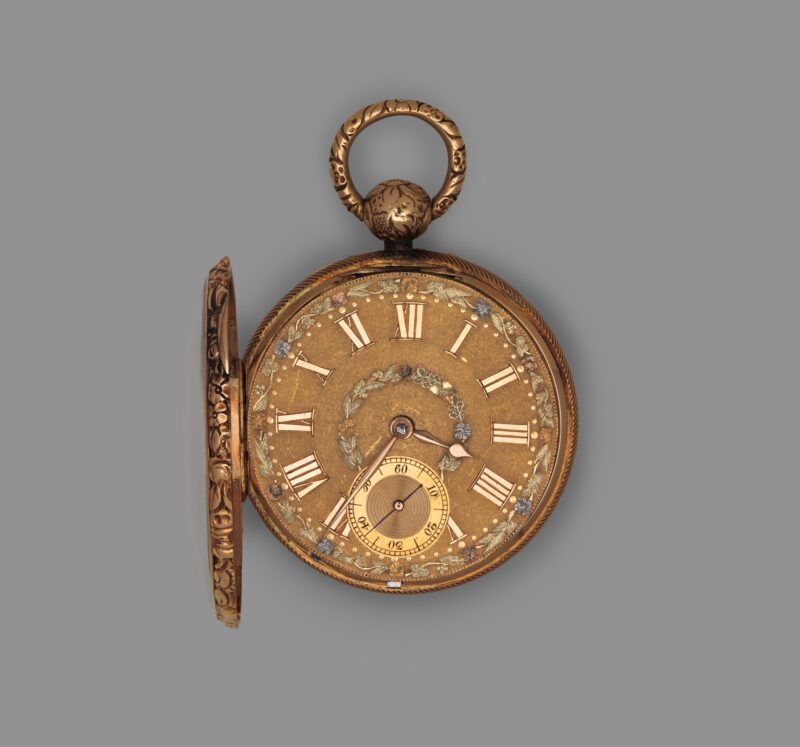
Inside a Gold Roskell: The Date in the Case
A richly worked gold dial, an engine-turned back and a signed movement: a Robert
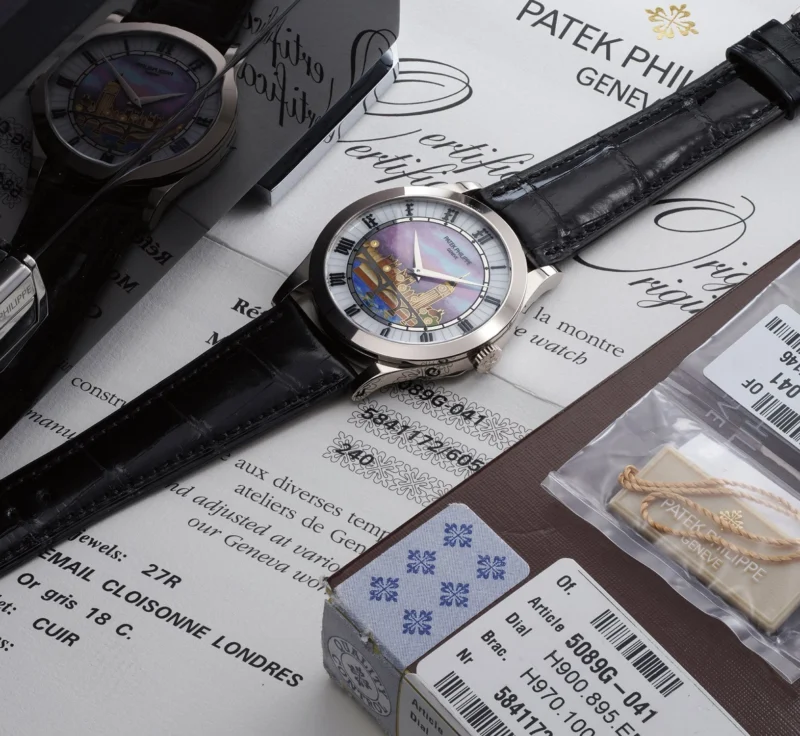
The TheTimeo Provenance Standard: What Should Travel With an Object
A collectible object needs more than a pile of accessories. Identity, ownership, service, condition,
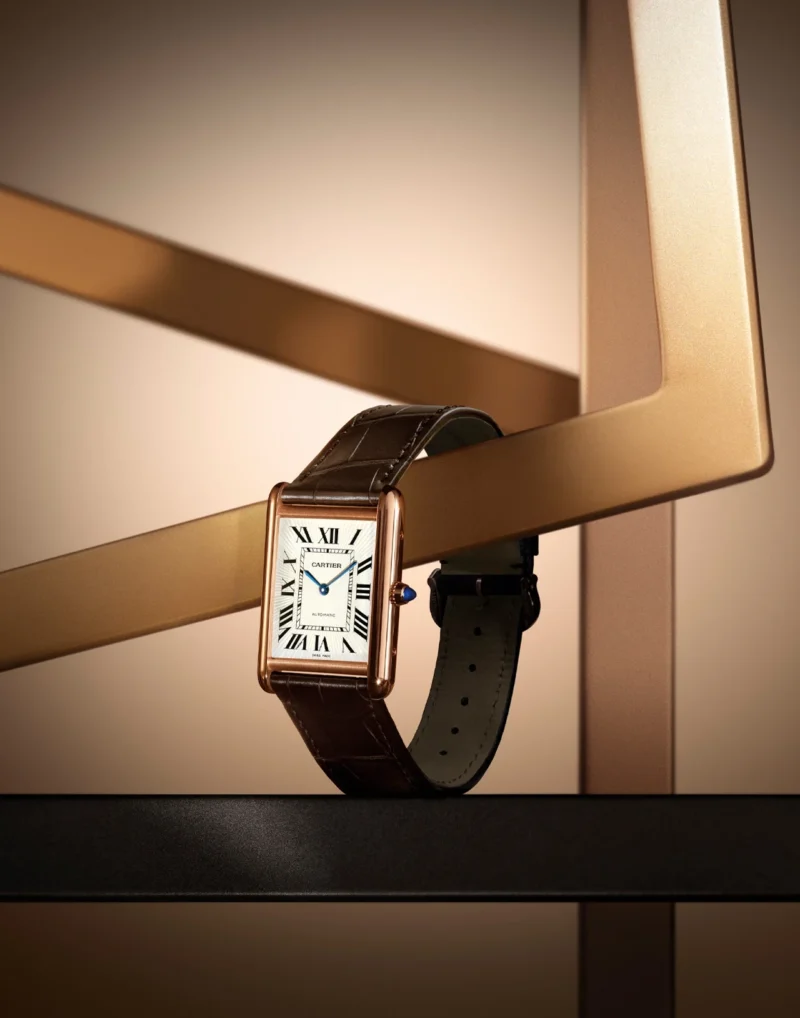
How to Audit a Luxury Watch Listing: Nine Details That Matter
Before judging price, audit the listing: identity, configuration, condition, service, documents, photography, seller claims,
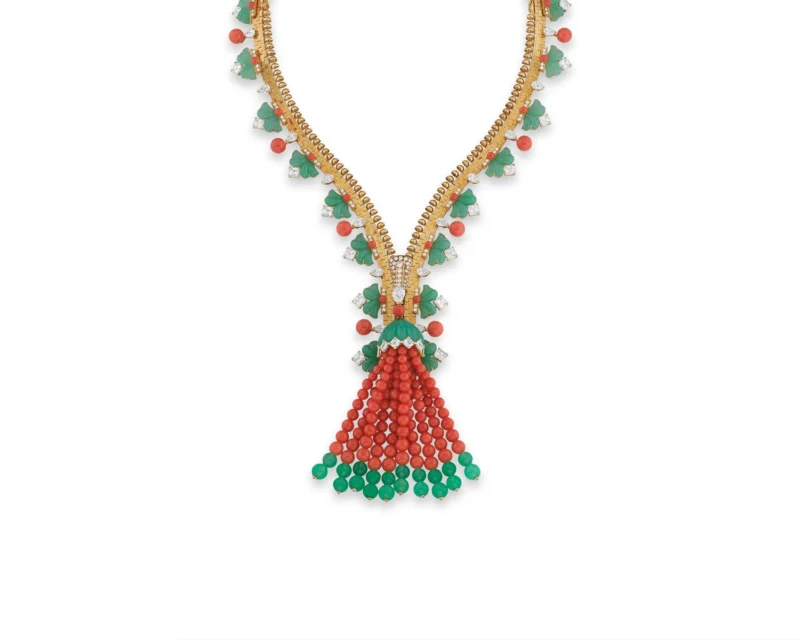
How to Read a Jewellery Auction Lot: Five Separate Lines of Evidence
A laboratory report, maker’s mark, condition note, repair record and provenance answer different questions.
Auction Estimates, Hammer Price and Buyer’s Premium Explained
The fall of the hammer is wonderfully clear; the number that appears afterwards can
Watch Service History: Build a Record That Travels With the Object
The best service history reads like a biography of the watch. It shows how