
Collecting Intelligence
Insights & Investment
Phillips New York Watch Auction XIV: Beyond the Record Total
An early F.P. Journe Chronomètre à Résonance held the New York room for nearly nine minutes before selling for US$13,922,000. It became the defining object in a two-day Phillips auction that totalled US$75,807,200 and sold all 158 offered lots. Yet the sale was richer than one record. Early independent watchmaking, rare Patek Philippe references and carefully documented provenance created a catalogue of distinct personalities. This is a closer look at the watches behind the total—and at the details that made collectors stay with them.
The New York Watch Auction: XIV assembled important independent and historic watches in Manhattan. Courtesy of Phillips.
The visual edit
Objects that give the story its shape.
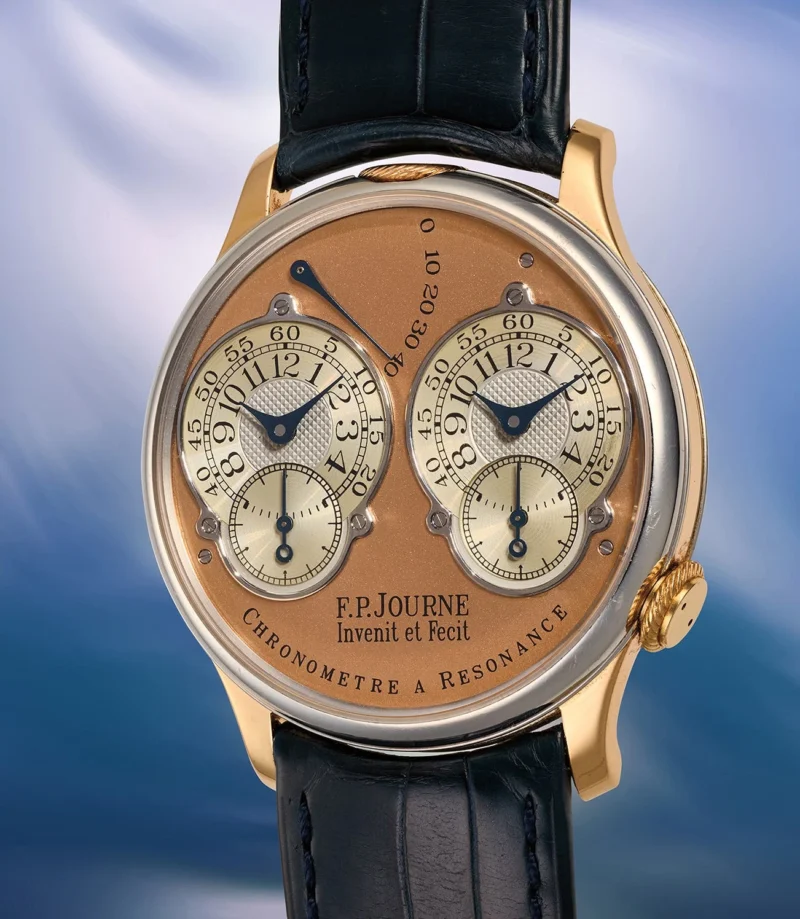
The F.P. Journe Souscription No. 007 that became the sale’s defining object. Courtesy of Phillips.
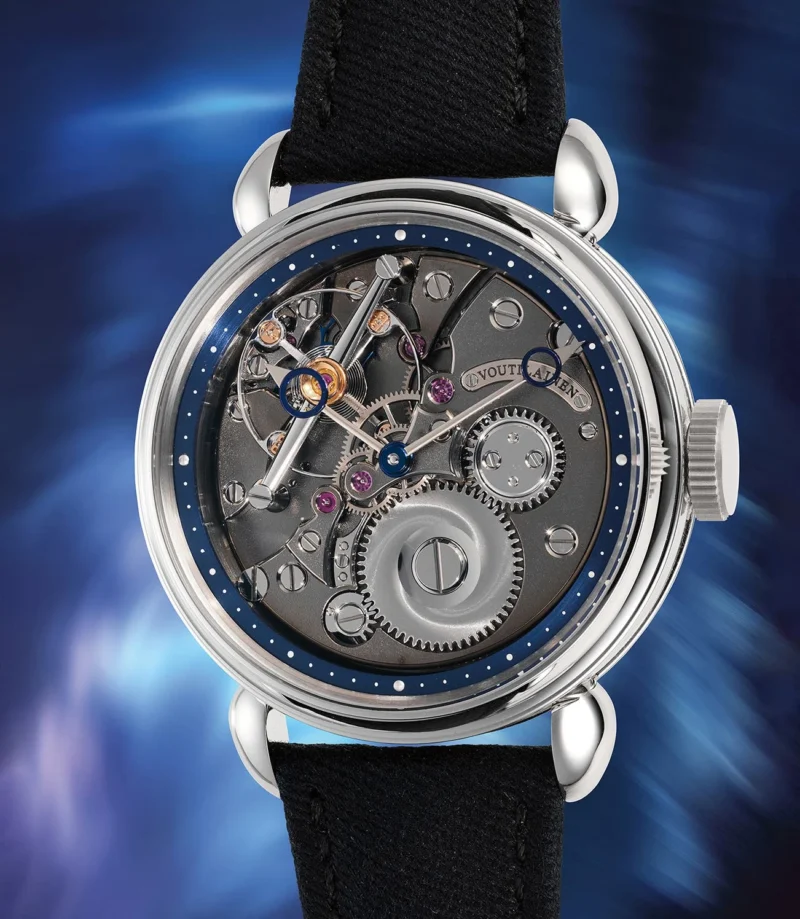
The Voutilainen Vingt-8 Inversé brought artisanal independence to the centre of the New York sale. Courtesy of Phillips.
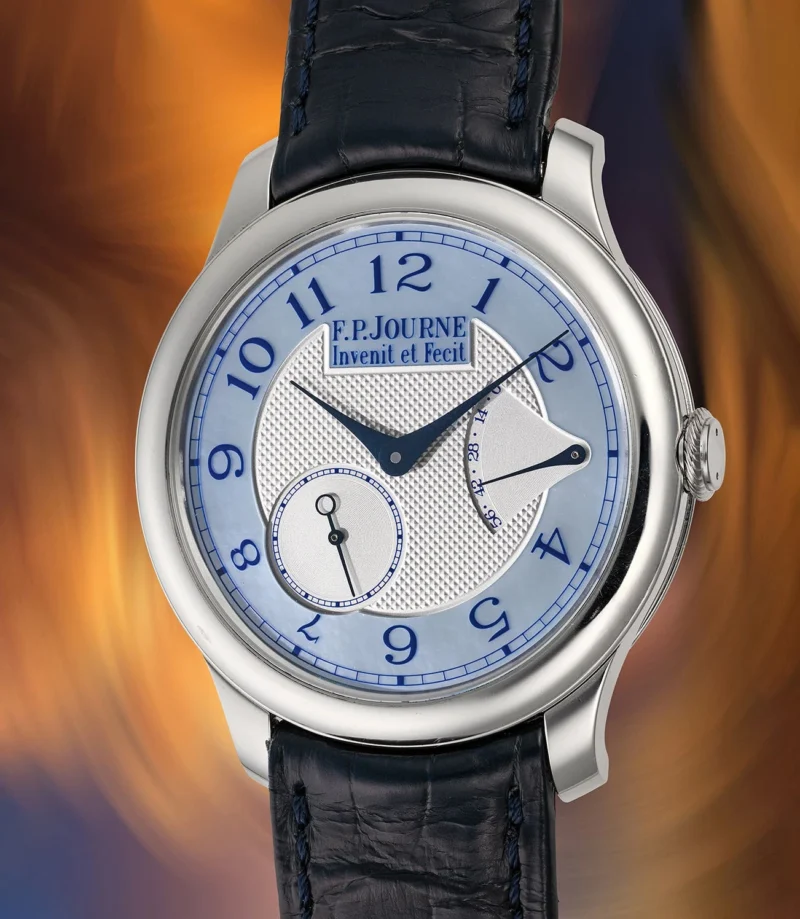
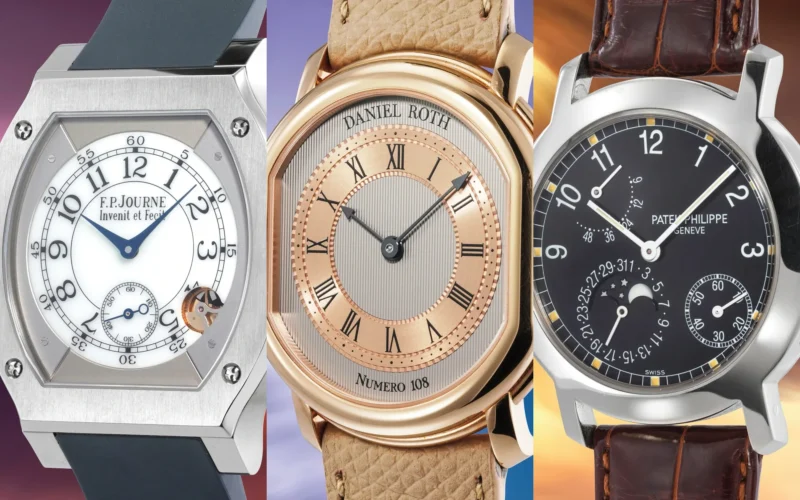
F.P. Journe Chronomètre Souverain Nacre, one of the sale’s distinctive early lots. Courtesy of Phillips.
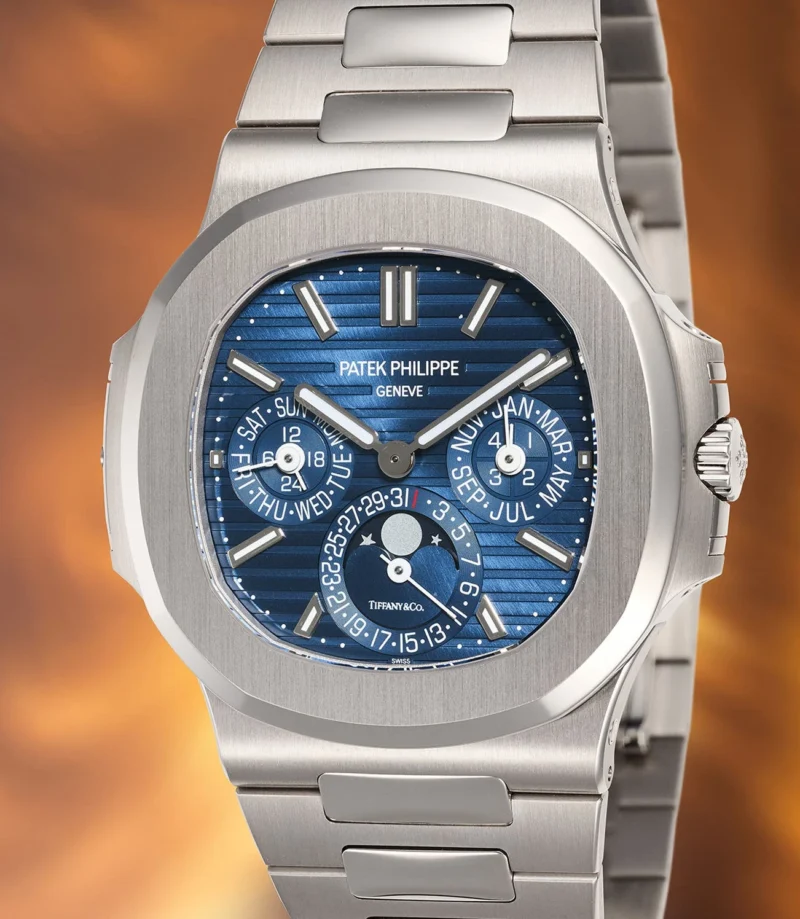
Patek Philippe Nautilus Perpetual Calendar reference 5740/1G with Tiffany & Co. signature. Courtesy of Phillips.
Nine minutes in New York
An early F.P. Journe Chronomètre à Résonance held the New York room for nearly nine minutes before selling for US$13,922,000. It became the defining object in a two-day Phillips auction that totalled US$75,807,200 and sold all 158 offered lots. Yet the sale was richer than one record. Early independent watchmaking, rare Patek Philippe references and carefully documented provenance created a catalogue of distinct personalities. This is a closer look at the watches behind the total—and at the details that made collectors stay with them.
What gave the sale its energy
- The house reported US$75,807,200, 158 lots sold from 158 offered and 100 per cent sold by value.
- The leading F.P. Journe represented about 18.36 per cent of the sale total using the published sold price and aggregate.
- Sixteen watches sold above US$1 million, according to Phillips, across several makers.
- Results shown on the auction page include buyer's premium, while estimates exclude it.
- Provenance, configuration and condition must travel with every comparison; a famous former owner is not a universal multiplier.
The sale at a glance
Explore the comparison
| Measure | Official result | Date and unit | Calculation or limit |
|---|---|---|---|
| Sale total | US$75,807,200 | 13–14 June 2026, US dollars | Phillips aggregate, including premium |
| Lots sold / offered | 158 / 158 | lots | 100% by lot |
| Sold by value | 100% | percentage | House-reported measure for this catalogue |
| Lots above US$1 million | 16 | sold-price threshold | Crosses makers and reference types |
| Leading lot | US$13,922,000 | sold price | F.P. Journe Souscription Résonance No. 007 |
| Lead share of total | 18.36% | calculation | `13,922,000 / 75,807,200 × 100` |
The percentage in the last row is an editorial calculation from two Phillips figures. It shows concentration, not profit or appreciation. The result release also published conversions of CHF 60,418,733, £56,549,459 and €65,539,182. Those house conversions are useful for orientation, but every comparison in this article remains in the sale currency.
The watch that held the room
Lot 10 was described by Phillips as an F.P. Journe Chronomètre à Résonance in pink gold and platinum, one of the early Souscription watches and numbered 007. The estimate was stated as “in excess of US$1,000,000,” so a conventional estimate multiple cannot be calculated: the disclosed number is a threshold rather than a bounded range. The sold price exceeded that threshold by US$12,922,000, but presenting the result as “13.922 times estimate” would imply a precision the estimate did not provide.
Phillips called it a record for the maker, for an independent watchmaker and for a twenty-first-century watch in a commercial sale. Those are auction-house claims checked on 3 September 2026 and should remain dated and attributed. Records depend on category definitions, public data and whether the comparison uses hammer or price including premium. A later result can supersede them.
The object also belongs to a specific early-production narrative. Its subscription number, material combination, documented configuration and place in the maker's early history separate it from later Chronomètre à Résonance watches. A collector can study the result as a public transaction; using it to value another example requires a much closer match.
Concentration beyond the lead
The catalogue shows that high value was not confined to one watch, although the top lot mattered materially to the aggregate. A Patek Philippe reference 5004G associated in the catalogue with Eric Clapton sold for US$5,202,000 against an estimate of US$700,000–1,400,000. A Patek Philippe reference 1518 sold for US$3,992,000 against US$1,200,000–2,400,000. An F.P. Journe Tourbillon Souverain Anniversaire “Hong Kong,” numbered one of five, sold for US$4,355,000 against US$600,000–1,200,000.
Those results were about 3.72, 1.66 and 3.63 times their respective high estimates. The calculations are `5,202,000 / 1,400,000`, `3,992,000 / 2,400,000` and `4,355,000 / 1,200,000`, rounded to two decimals. The ratios describe distance from catalogue ranges. They do not isolate the effect of rarity, condition, provenance, estimating or bidder competition.
Other seven-figure results broaden the object mix. A Voutilainen Masterpiece Chronograph II numbered one of ten sold for US$1,841,500 against US$120,000–240,000. A Rolex reference 6241 “John Player Special” sold for US$1,803,400 against US$700,000–1,400,000. An Urban Jürgensen tourbillon minute repeater described as a unique prototype sold for US$1,041,400 against US$120,000–240,000. It would be misleading to average these watches simply because each crossed one million dollars.
When provenance changes the way we look
Several catalogue titles attach a known name to a watch. Named provenance can be historically meaningful when supported by invoices, photographs, correspondence, estate records or an unbroken chain of custody. It can also be incomplete. A catalogue association should be read with the same care as a technical specification: what exactly is asserted, by whom, and on which documents?
The Patek Philippe reference 5004G provides a practical example. The auction title connects the watch to Eric Clapton. A comparable entry should record the supporting catalogue essay and documents, not repeat the name as an adjective. The US$5.202 million result belongs to the complete proposition presented in June 2026: reference, special-order configuration if documented, condition, accessories, provenance and sale setting. Removing any element changes the comparison.
Fame should not substitute for inspection. A watch with notable ownership can still contain service parts, polishing, wear or undocumented interventions. Conversely, an anonymous watch may have unusually strong original condition. Provenance and condition are separate fields that sometimes reinforce each other but should never be collapsed into a single aura.
The premium beneath the result
Phillips' New York auction page states that bids excluded buyer's premium. The watch premium schedule shown for the sale was cumulative: 27 per cent up to and including US$2,000,000; 21 per cent on the portion above US$2,000,000 through US$8,000,000; and 14.5 per cent above US$8,000,000. Taxes, tariffs, duties and shipping could add further amounts depending on the lot and buyer.
A US$1,000,000 hammer therefore becomes US$1,270,000 before tax. A US$5,000,000 hammer generates US$540,000 on the first US$2 million and US$630,000 on the next US$3 million, for a US$1,170,000 premium and US$6,170,000 before tax. This marginal calculation is more accurate than multiplying the whole hammer by one tier.
Reverse calculations from sold price can be informative but remain approximate unless the house confirms what the displayed number includes. The top lot's US$13,922,000 published price should therefore stay in its original form rather than be silently converted into a guessed hammer. The invoice is the final record of the buyer's actual cost.
A complete result across 158 lots
Phillips described the live sale as “white glove,” an auction term indicating that every offered lot sold. The house also said the result extended five and a half consecutive years of 100-per-cent-sold live watch auctions in New York. That is a record about Phillips' own sale sequence. It does not reveal how many potential consignments were declined, how reserves were negotiated or what happened in other channels.
Complete sell-through can reflect strong demand and expert sale construction at the same time. Those explanations are not mutually exclusive. The responsible conclusion is that all 158 lots cleared under the terms of this event, not that every comparable watch was readily saleable at its headline price in June.
How to read the next New York sale
Begin with a transaction sheet for each lot: sale and lot number, date, original currency, estimate, hammer if available, sold price, premium schedule and tax symbols. Add reference, case metal, dimensions, movement, dial, serial range and disclosed accessories. Then add the condition report, service statements and provenance documents.
Only after those fields align should a result enter a comparison set. Keep special commissions, unique pieces, charity lots and named-owner watches separate unless the purpose is specifically to study those factors. Record withdrawals and unsold lots, because a dataset of successes alone cannot represent supply.
Time also matters. A public result is a historical observation as soon as the auction closes. Currency conversion should use a named source and date, and an inflation adjustment should state its index. This article performs neither, because the primary question is what Phillips recorded in New York on 13 and 14 June 2026.
What New York leaves us with
New York showed how powerfully a particular watch can focus attention. The F.P. Journe shaped the total, but it did not stand alone: the catalogue rewarded early ideas, rare configurations and histories that made an object feel individual rather than interchangeable.
The most satisfying way to revisit the sale is therefore not as a forecast, but as a collection of encounters. Compare like with like, follow the provenance and notice which details continue to matter when the excitement of auction week has passed. That is where the character of the market becomes visible.
Sources & credits
Sources
The sale total, counts and record statements were rechecked on 3 September 2026 in Phillips' official New York XIV results release. Lot estimates and sold prices were checked against the official auction results. Pre-sale identity and catalogue context for the leading F.P. Journe come from Phillips' official sale announcement. Premium tiers and tariff cautions were checked on the official auction overview. Calculations use only displayed US-dollar figures and are rounded as stated.
The Edit
Insights & Investment stories
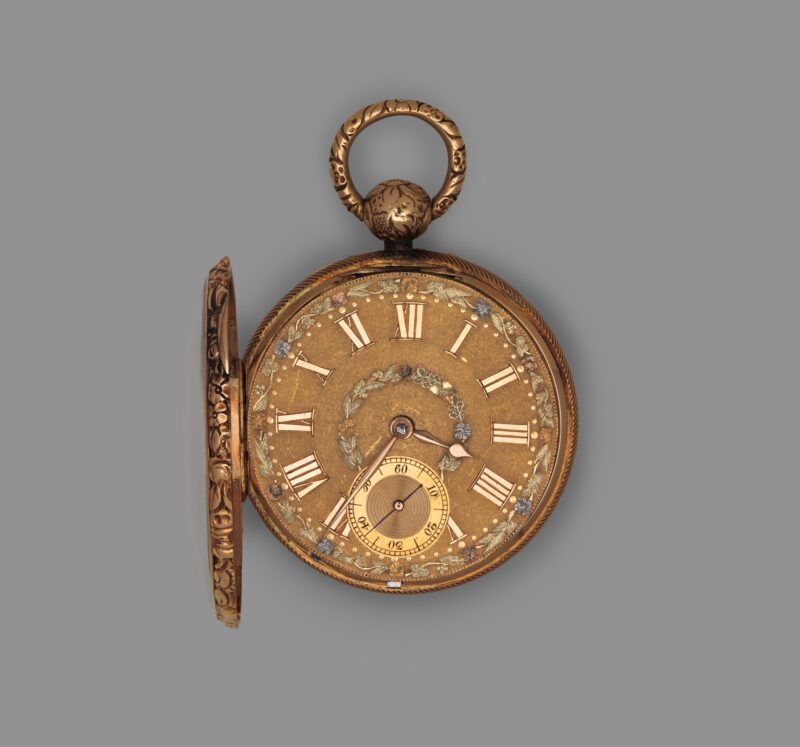
Inside a Gold Roskell: The Date in the Case
A richly worked gold dial, an engine-turned back and a signed movement: a Robert
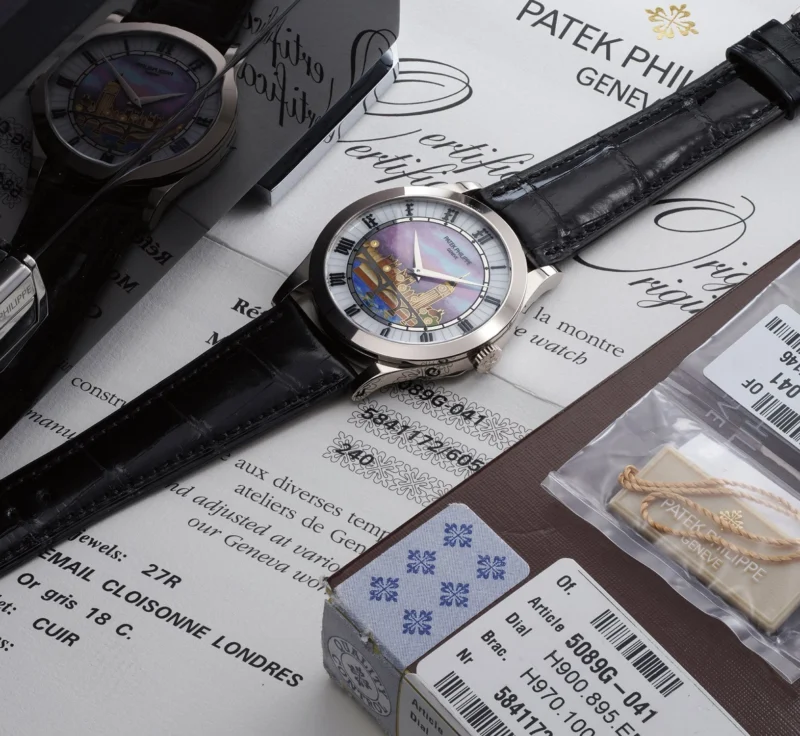
The TheTimeo Provenance Standard: What Should Travel With an Object
A collectible object needs more than a pile of accessories. Identity, ownership, service, condition,

How to Audit a Luxury Watch Listing: Nine Details That Matter
Before judging price, audit the listing: identity, configuration, condition, service, documents, photography, seller claims,
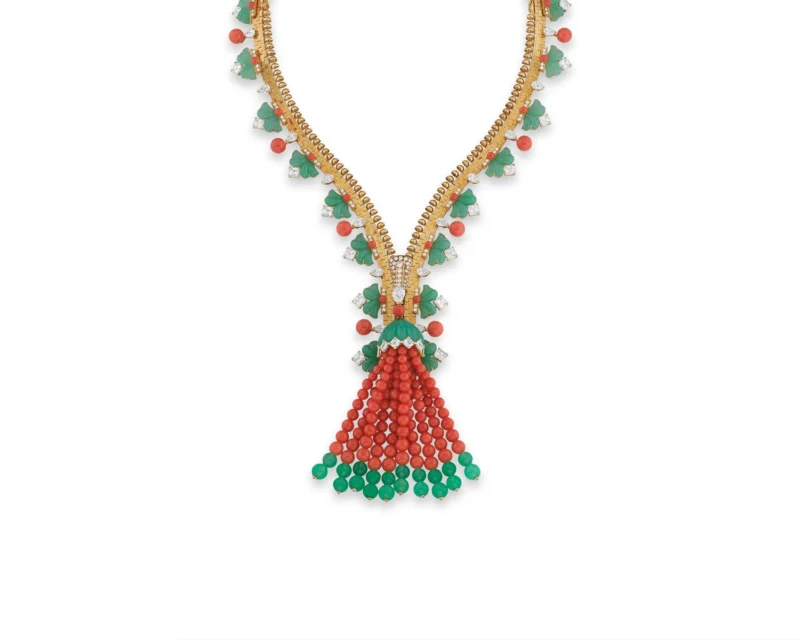
How to Read a Jewellery Auction Lot: Five Separate Lines of Evidence
A laboratory report, maker’s mark, condition note, repair record and provenance answer different questions.
Auction Estimates, Hammer Price and Buyer’s Premium Explained
The fall of the hammer is wonderfully clear; the number that appears afterwards can

Watch Documents and Provenance: Build the File, Test the Claims
A watch can become more captivating when its past comes into focus. An archive