
Collecting Intelligence
Insights & Investment
Watch Service History: Build a Record That Travels With the Object
The best service history reads like a biography of the watch. It shows how an object has been worn, cared for and prepared for the decades ahead—not simply when it entered a workshop. Photographs before intervention, a clear account of the authorised work, the parts returned or replaced and the final tests all add texture to that story. Kept together, these records help the next watchmaker understand the object and allow a future owner to appreciate the thought invested in preserving it.
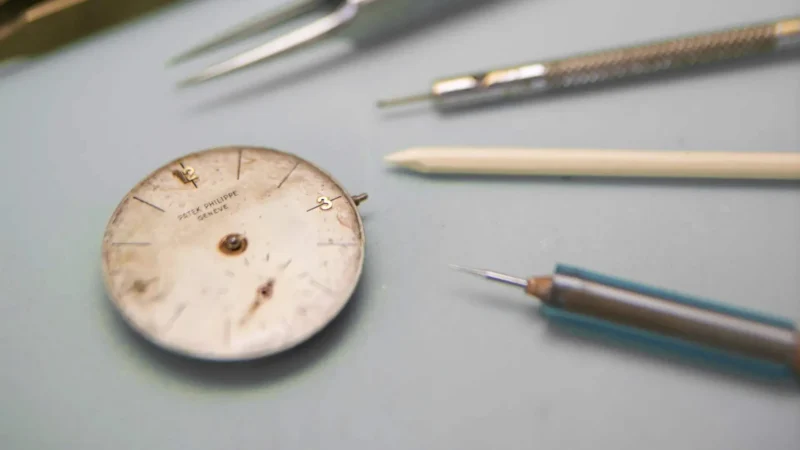
At the restoration bench, every intervention becomes part of the watch’s continuing history. Courtesy of Patek Philippe.
The visual edit
Objects that give the story its shape.
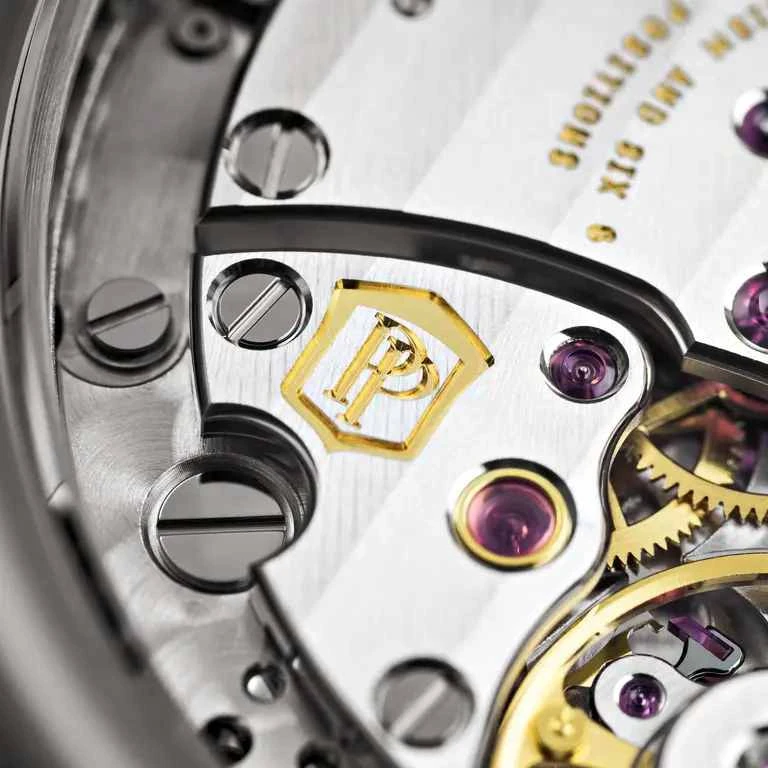
A movement under close examination during the restoration process. Courtesy of Patek Philippe.
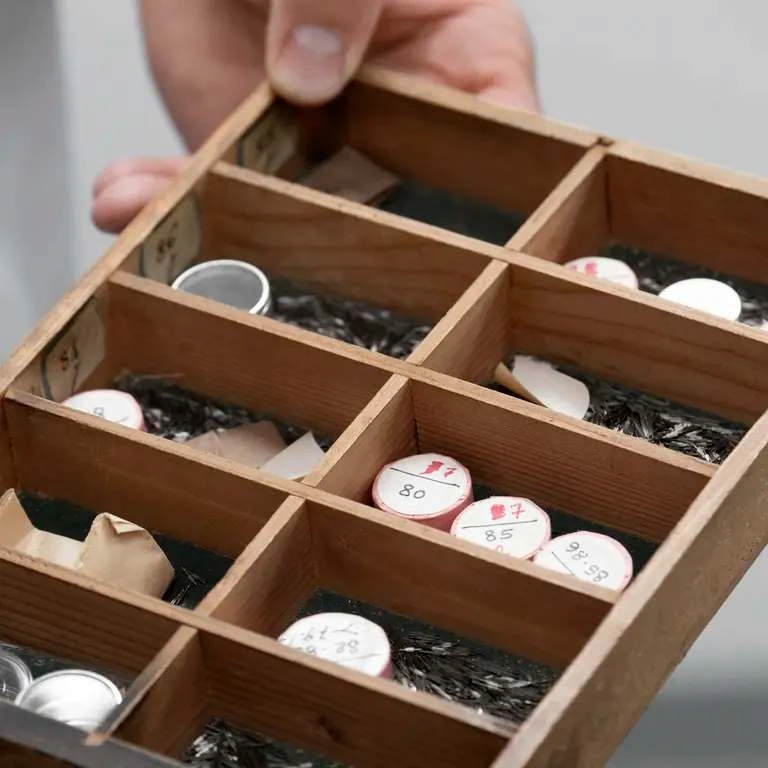
Specialist handwork preserves the watch while recording the nature of the intervention. Courtesy of Patek Philippe.
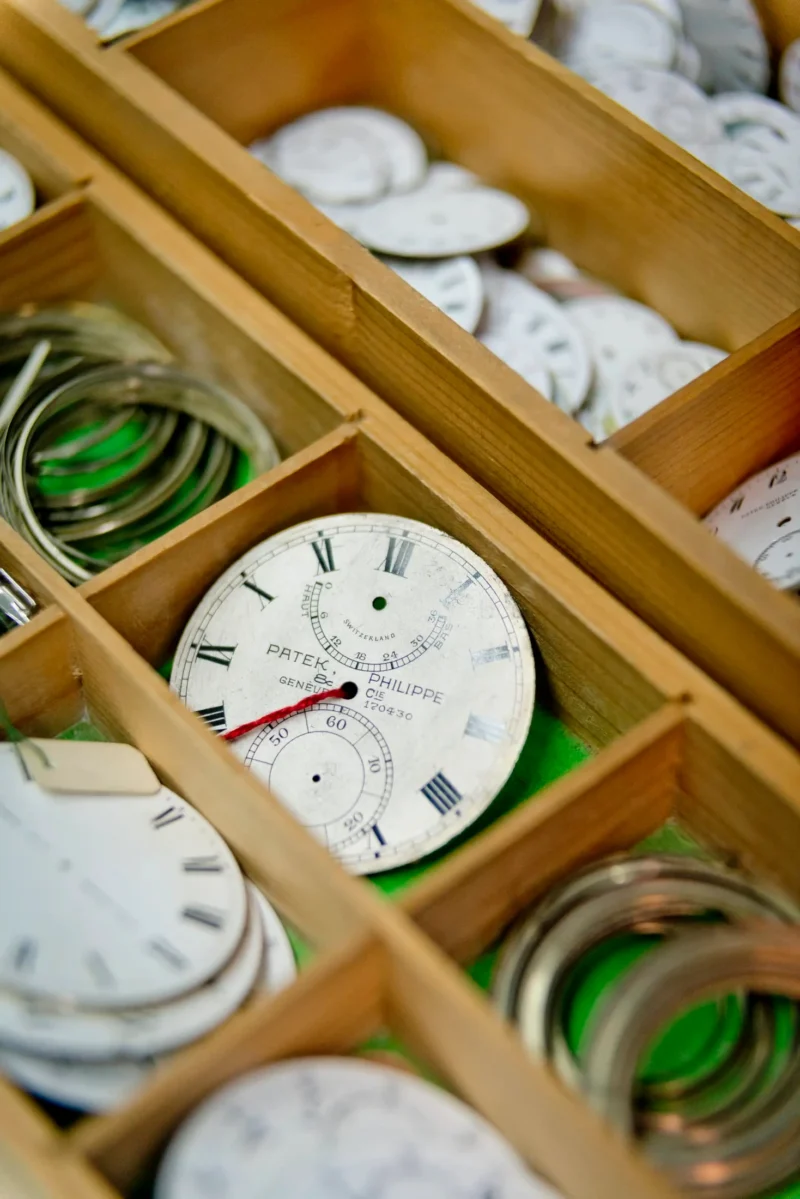
Historic components form part of the knowledge base behind a considered restoration. Courtesy of Patek Philippe.
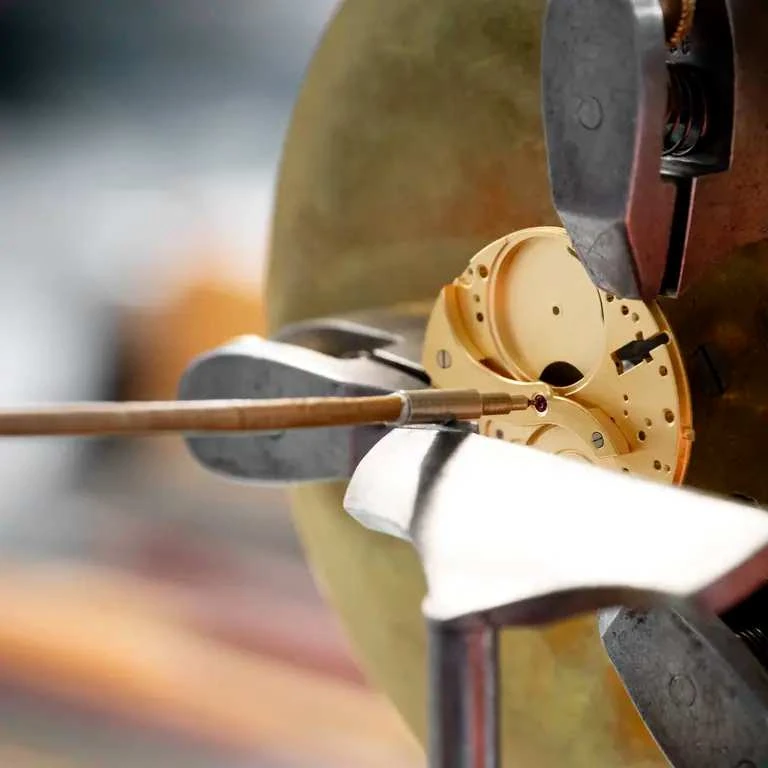
A close view of the restoration process, where technical care meets continuity of character. Courtesy of Patek Philippe.
A biography written through service
The best service history reads like a biography of the watch. It shows how an object has been worn, cared for and prepared for the decades ahead—not simply when it entered a workshop. Photographs before intervention, a clear account of the authorised work, the parts returned or replaced and the final tests all add texture to that story. Kept together, these records help the next watchmaker understand the object and allow a future owner to appreciate the thought invested in preserving it.
What belongs in the story
- Photograph and identify the watch before it leaves your control.
- Approve mechanical work, refinishing and visible-part replacement as separate decisions.
- Keep the estimate, approval, invoice, test results, warranty and transport record together.
- A genuine manufacturer replacement part may improve function while changing the watch's component history.
- Service intervals are maker- and use-specific; there is no universal calendar for every mechanical watch.
Why the chronology matters
Mechanical service is both an intervention and an information event. The movement may be dismantled, cleaned, lubricated and adjusted. Seals, springs, crowns, hands or other components may be replaced. The case and bracelet may be refinished. Each decision can affect function, appearance and the record of the watch, yet invoices often collapse the work into a short line such as “complete service.”
A service file restores that missing structure. It does not need to contain confidential personal data or publish serial numbers. It needs a stable internal identifier, dates and documents that show what was requested, what was proposed, what the owner approved and what the workshop completed.
The record is especially important when responsibility changes. A later watchmaker cannot infer every prior operation by inspection. An owner considering sale should not turn an undocumented memory into a claim. “Serviced around 2018” is less useful than an invoice dated 14 June 2018 naming the provider, movement work and replacement crown.
Before service: capture the watch as it is
Begin before packaging the watch. Photograph the dial, hands, crystal, crown, bezel, case sides, lugs, case back, bracelet, clasp and accessories under even light. Include close views of existing scratches, dents, chips or engraving. Retain the original files and capture dates. If the movement must be photographed, use a qualified professional; opening the case can damage surfaces or compromise seals.
Record the symptoms in plain language. Does the watch stop overnight? Is winding rough? Does the chronograph reset off-centre? When was water resistance last tested? Avoid diagnosing the cause unless a watchmaker has examined it. A precise symptom and context—“lost four minutes over 24 hours on the wrist after a full wind”—is more useful than “movement broken.”
List the items handed over: watch, bracelet, strap, buckle, travel case and documents. Note the visible serial internally but redact it from routine email where possible. Record the carrier, tracking reference, insurance basis and recipient. For a high-value or irreplaceable piece, confirm the workshop's transport instructions and liability terms before dispatch.
Turn the work into considered decisions
Ask the workshop to divide the estimate into at least four areas:
1. work required for the movement to function safely; 2. seals, crown, pushers or other parts related to water resistance and operation; 3. visible component replacement, including dial, hands, bezel, crystal and bracelet parts; 4. cosmetic work such as polishing, laser filling, lapping or dial restoration.
This separation makes consent meaningful. A complete service under a maker's standard may normally include replacement of worn parts and refinishing, while a collector may want a narrower conservation approach for a vintage object. Neither priority should be assumed. The service provider must explain what it can and cannot do within its policies.
Rolex's official FAQ states that a full service involves complete dismantling, ultrasonic cleaning, lubrication, electronic timing tests, refinishing and replacement with genuine Rolex parts for components that no longer meet the company's functional and aesthetic specifications. The current recommendation is approximately every ten years depending on model and use. Those statements describe Rolex's process, not a universal interval or a promise for a watch already altered outside its network.
Patek Philippe currently recommends service every eight to ten years through an official centre or authorised retailer for its quartz and mechanical watches. Its published full-service description includes disassembly, inspection, replacement of worn parts, cleaning, reassembly, lubrication, adjustment and testing; case and bracelet refreshing is listed separately in the service-cost schedule. Different manufacturers draw the scope differently, which is precisely why the estimate belongs in the file.
Agree the work with clarity
A verbal discussion can disappear when a watch passes from retailer to regional centre to workshop. Reply to the estimate in writing. Name the approved line items and exclusions. If you do not authorise polishing, say so. If you want to be contacted before the dial, hands, crown, bezel or case is replaced, list those components. Ask whether removed parts can be returned; manufacturer policy, safety or exchange programmes may prevent it.
Do not demand that a watchmaker retain a dangerous or failed component merely to preserve a collecting narrative. The responsible choice depends on the object and intended use. The record should show the decision: what risk was identified, what alternatives were offered and which course was authorised.
If additional work becomes necessary after dismantling, request a revised estimate. Save the revision and your response. A service history that contains only the final invoice cannot show whether an unexpected replacement was approved.
During service: keep the story together
The workshop may provide status updates, photographs or technical observations. Save them in date order. If the service uncovers corrosion, an incorrect component or a prior alteration, ask for neutral wording and images where available. Do not pressure the provider to make an authentication or valuation statement outside its service.
Manufacturer service networks can contribute distinctive documentation. Rolex states that watches serviced through Rolex World Service receive a two-year international service guarantee for parts and labour. It also says parts and labour are assured for at least 35 years after a watch leaves the catalogue, with a restoration atelier able to recreate parts later where availability ends. These are current manufacturer commitments checked on 3 September 2026; the applicable service papers and terms for the individual watch remain controlling.
Patek Philippe pledges to service, repair or restore its timepieces regardless of age and says watches typically over 45 years old are assigned to its Geneva restoration team. Its restoration material emphasises retention of original components where possible and hand recreation when required. Again, that is a maison-specific approach. A recreated part should still be documented as a recreated part rather than becoming “original” through silence.
At return: rediscover the watch
Open the package according to the provider's instructions and photograph the watch promptly. Compare it with the intake images. Check that the approved work and exclusions match the invoice. Confirm that accessories and any returned parts are present. If something differs, contact the provider before wearing or altering the watch.
Record the post-service tests supplied: rate, amplitude, beat error, power reserve, water-resistance test or complication checks. Each needs its units and test conditions. A single timing figure without positions, state of wind or duration is not a complete performance record. A pressure-test result is dated and does not guarantee indefinite water resistance.
The invoice should identify the service centre and date, the work performed and components charged. Retain the service card or warranty and its terms. Note the warranty start, end, geographic reach and exclusions. Keep proof of payment separately from public-facing provenance if it reveals personal or financial details.
A service record worth keeping
Explore the comparison
| Field | Example format | Purpose |
|---|---|---|
| Watch ID | private collection code; reference; redacted serial | joins records without exposing identity data |
| Intake | ISO date; custodian; photographs checksum | fixes pre-service state |
| Provider | legal name; location; authorised status as checked date | identifies who performed the work |
| Symptoms | owner's observations and dates | separates report from diagnosis |
| Estimate | document date, number, currency and scope | records proposed intervention |
| Approval | written accepted and declined line items | records consent |
| Work | invoice lines and additional workshop notes | states completed intervention |
| Parts | retained, returned, replaced or recreated | preserves component history |
| Tests | value, unit, instrument or method, date | records post-service performance |
| Warranty | issuer, term, exclusions and document | defines recourse |
Use checksums for digital scans if the collection system supports them. Keep an unedited master and a redacted sharing copy. File names should sort by date, such as `2026-07-14_estimate_provider.pdf`, rather than “final-final-service.pdf.” Back up the folder in more than one controlled location.
When the early chapters are missing
An undocumented interval does not prove that no service occurred. It means the service history is unknown. Inspect the watch, record tool marks or service inscriptions only if safely visible, and ask the manufacturer or prior service provider what records it can lawfully disclose. Do not invent an unbroken history from the absence of contrary evidence.
If the watch is newly acquired, a qualified watchmaker can advise on function and safety. The appropriate intervention depends on construction, present performance, seals, intended use and the availability of parts. A calendar rule copied from another manufacturer cannot resolve those variables.
When new documentation appears, append it; do not silently rewrite the earlier record. A note can say, “In August 2026 an invoice dated 2012 was supplied by the prior owner; the previous entry ‘history before 2019 unknown’ has been narrowed accordingly.” That maintains the chronology and makes correction visible.
Care that travels with the object
A complete manufacturer service may support confidence about work performed and a current warranty. It does not guarantee future resale value, prove that every component is original to manufacture or eliminate the need for independent inspection. A recent invoice can coexist with cosmetic change that matters to one collector and not another.
The value of the ledger is practical. It lets an owner plan care, lets a watchmaker avoid repeating uncertain work and lets a future reader understand change. The object may travel between generations; the service record should be capable of travelling with it without becoming a piece of marketing copy.
Sources & credits
Sources
Manufacturer procedures and intervals were checked on 3 September 2026 against Rolex's service FAQ and Rolex World Service description, plus Patek Philippe's watch-care recommendations, service-cost and scope page and restoration policy. Every interval and warranty is maker-specific and should be rechecked against the individual watch's current terms. This guide is a documentation framework, not a diagnosis or appraisal.
The Edit
Insights & Investment stories
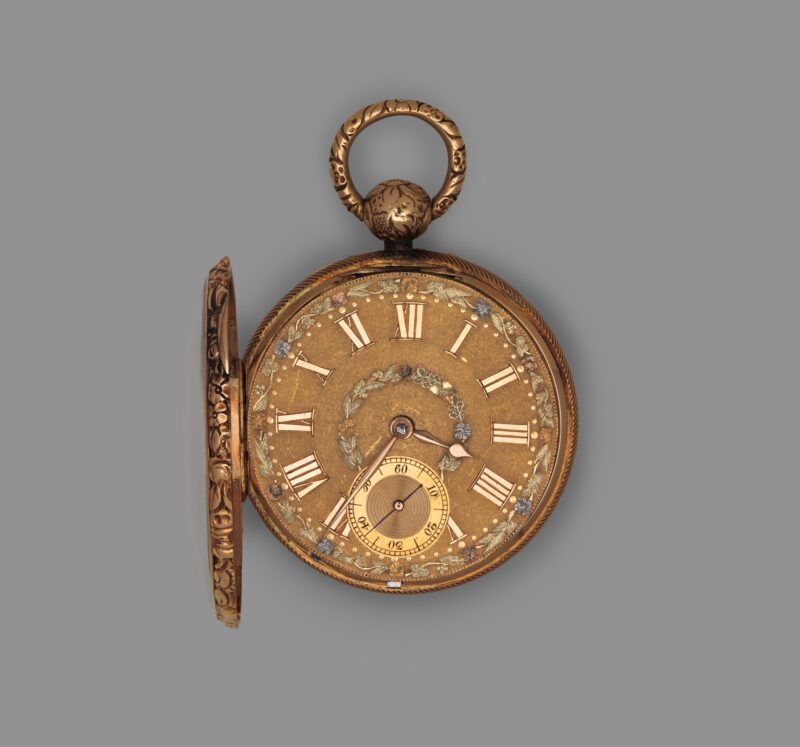
Inside a Gold Roskell: The Date in the Case
A richly worked gold dial, an engine-turned back and a signed movement: a Robert
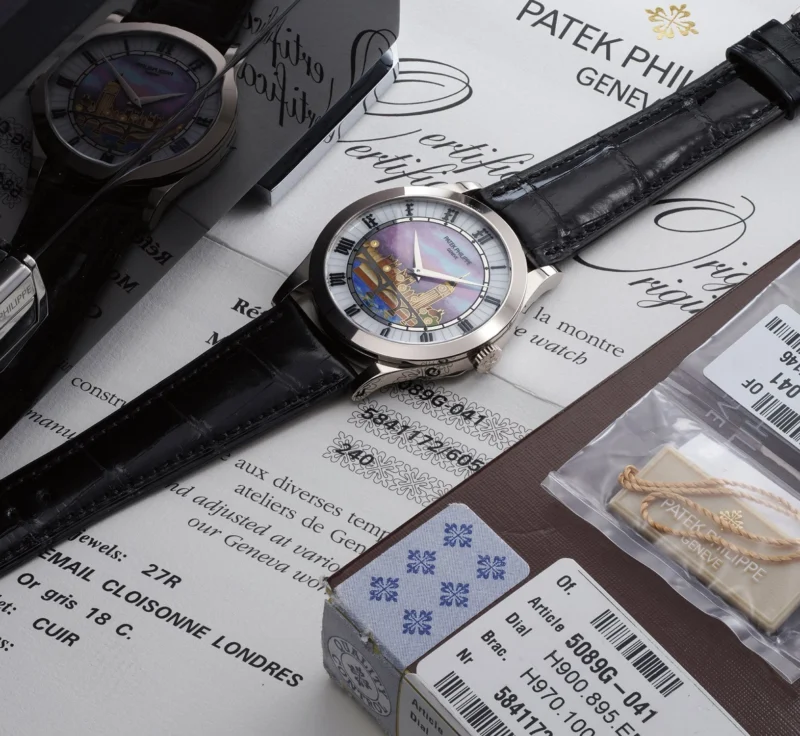
The TheTimeo Provenance Standard: What Should Travel With an Object
A collectible object needs more than a pile of accessories. Identity, ownership, service, condition,
How to Audit a Luxury Watch Listing: Nine Details That Matter
Before judging price, audit the listing: identity, configuration, condition, service, documents, photography, seller claims,
How to Read a Jewellery Auction Lot: Five Separate Lines of Evidence
A laboratory report, maker’s mark, condition note, repair record and provenance answer different questions.
Auction Estimates, Hammer Price and Buyer’s Premium Explained
The fall of the hammer is wonderfully clear; the number that appears afterwards can

Watch Documents and Provenance: Build the File, Test the Claims
A watch can become more captivating when its past comes into focus. An archive