
Insights & Investment
Younger Watch Buyers: Desire Beyond the Demographic
A watch can begin as an image on a screen and become something much more personal on the wrist. Reading younger buyers’ preferences without reducing their choices to a generation.
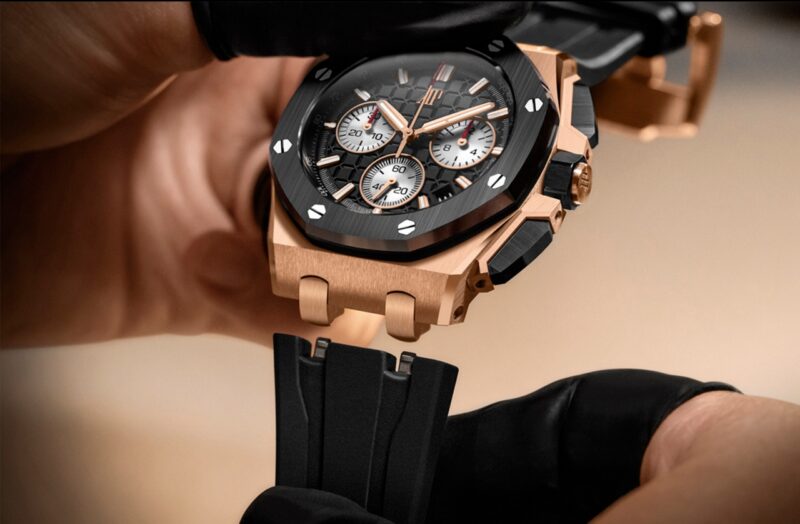
THE IMAGE STARTS IT. The wrist makes it personal.
A dial seen in passing can stay in the mind. The pleasure of choosing comes when the photograph gives way to an object you can try, question and make your own.
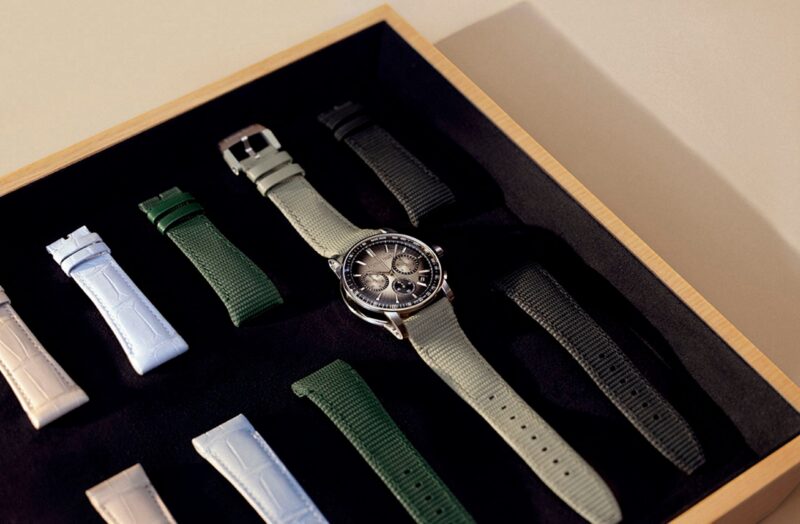
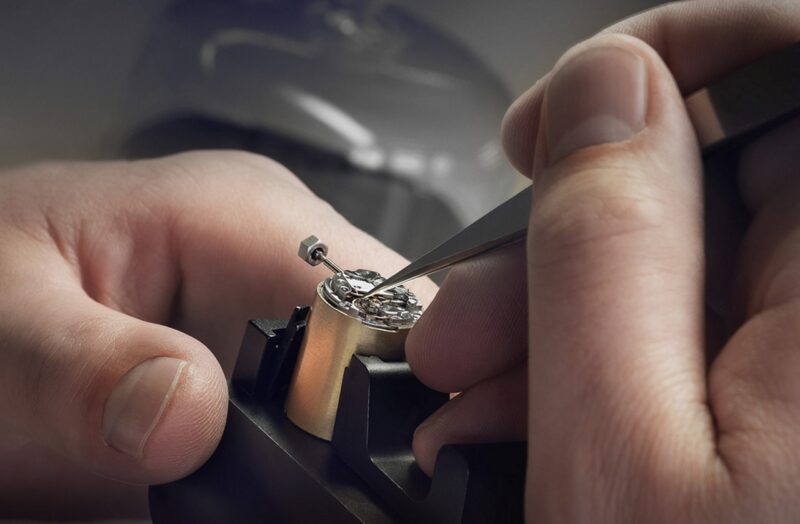
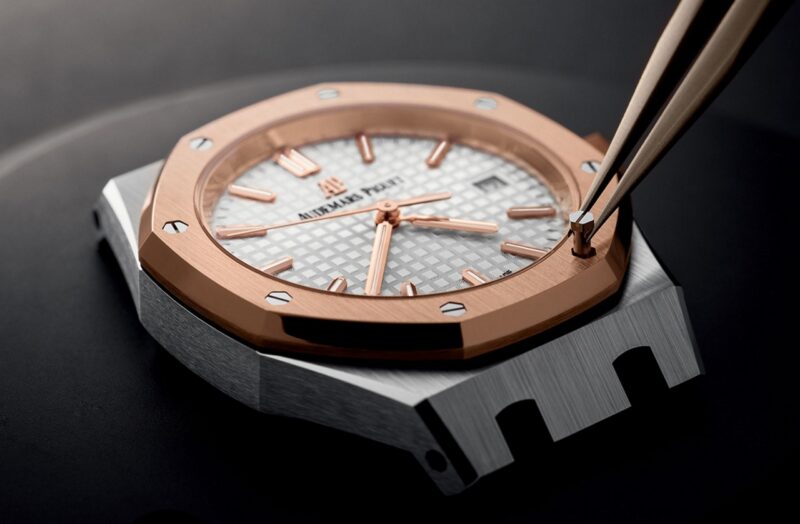
The watch before the label
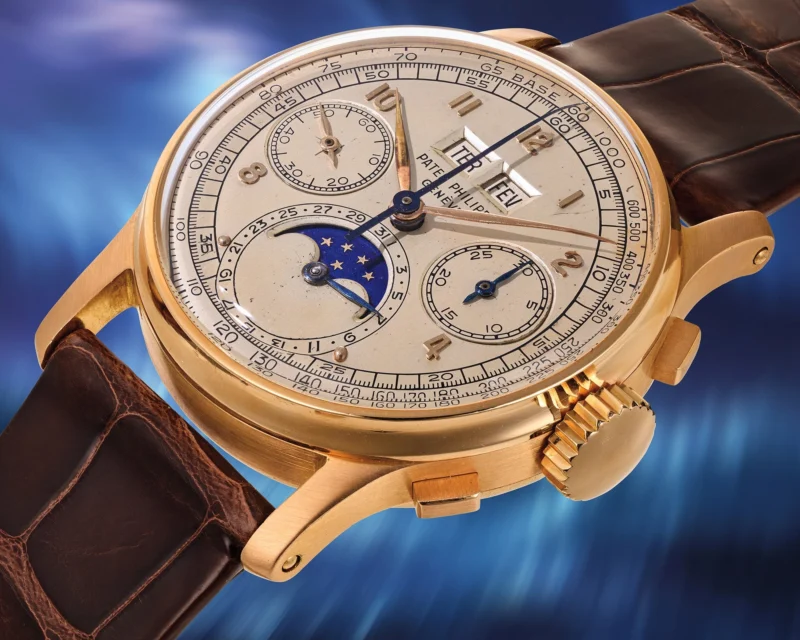
There is a small, revealing moment in a watch appointment: the piece is fastened, the wrist turns, and the dial you knew from photographs becomes a different thing. A case that looked imposing may sit quietly. A colour you had dismissed may be the detail you cannot stop looking at. That moment belongs to the person wearing the watch, not to a generation named in a market report.
Gen Z and millennials are useful categories for researchers. They are less useful as instructions for taste. The point of reading a study is to notice possibilities: where people prefer to shop, what attracts them to pre-owned pieces, and what an appointment can offer that a photograph cannot. It should not tell a younger reader what they are supposed to desire.
This guide uses dated research to open those questions, then returns to the individual choice. There is room for a first watch bought to mark an occasion, an older reference chosen for its proportions, or a contemporary design loved simply because it feels right. None needs to be dressed up as a prediction about resale value.
Discovery
Notice what first held your attention: a shape, a dial, an image of someone wearing the piece. Keep that attraction, but follow it to the maker’s actual reference information. A photograph can start the search without settling the specification.
Experience
Use the appointment to look and feel rather than perform expertise. Try the clasp, turn the wrist and ask to see the dial away from a spotlight. You do not have to know every movement term to recognise whether the watch suits you.
Explanation
Ask for the details that affect your choice: the exact reference, condition if pre-owned, included accessories and available service. A good explanation should answer your question plainly, not make you feel that asking it diminishes the pleasure.
Ownership
Imagine the watch on an ordinary day, not only at the moment of purchase. Think about comfort, the occasions on which you would wear it, and the care it will need. Wanting to live with a watch is a different question from wanting to be seen buying one.
What the 2025 research actually says
Deloitte’s October 2025 study drew on a June–July online survey of 6,500 consumers across Switzerland and selected markets, alongside a separate industry-executive survey. Its key findings report that 40% of millennial and Gen Z respondents said they were likely to buy a pre-owned watch in the coming year. That is stated purchase intention in a dated sample, not a count of completed purchases.
The accompanying release also reports the appeal of stores: trying on watches and personal advice feature prominently across respondents, while 35% of Gen Z respondents value the atmosphere and brand experience. These findings offer reasons not to confuse digital discovery with a wish to avoid physical retail. They do not establish that every younger buyer follows the same path.
Read the findings with their date and subject attached. A consumer preference, an executive’s plan to open a boutique and a forecast of future sales are three different things. Nor should a 2025 intention be quietly relabelled as a confirmed 2026 outcome. For a personal purchase, the useful question is narrower: which part of that experience would help you choose well?
Bring the reference
Save the exact piece that caught your eye rather than only a collection name. If more than one size or configuration exists, ask which one you are seeing. This keeps the conversation close to the watch you actually want to understand.
Describe the attraction
Say what you liked without borrowing a collector’s vocabulary: the colour, the shape, the bracelet or the way the piece was worn. That gives the adviser a starting point and allows alternatives to be compared for a reason, not simply a higher price.
Try a considered alternative
Ask to see another piece that changes one important feature: proportion, material or strap. Compare how both feel. The alternative need not be a rival you intend to buy; it can help you recognise what makes the original choice work.
Ask the ownership questions
Find out how the watch is used, where service is available and what the supplied terms cover. For a pre-owned example, ask about condition and disclosed interventions. Do not let a general story about a generation substitute for the details of this piece.
Leave time to decide
There is nothing unsophisticated about taking the reference details away. Consider the price alongside the practical commitments of owning the watch. If an answer remains unclear, return to it before buying rather than hoping the uncertainty will disappear afterwards.
Keep the pleasure in view
After the questions, look at the watch again. Do you still want to wear it? A well-documented piece may be the wrong choice for your wrist, and a fashionable reference may leave you cold. You are allowed to choose the object, not the consensus.
Pre-owned need not mean second choice
An earlier reference can attract you for an entirely immediate reason: you prefer the dial, the proportions or a configuration you have seen. You do not have to justify that attraction by calling it a financial opportunity. Begin with the actual example offered, and separate the design you admire from its condition and the information supplied with it.
Ask what is known about service, replaced components and accessories. If a claim matters to the purchase, request an explanation tied to the piece. A familiar collection name is not enough to settle those questions. An independent specialist may be useful when the price or an unresolved concern warrants further assessment.
Likewise, do not attach an environmental conclusion to the word “pre-owned” without evidence for the claim being made. Enjoy the possibility of giving an object another chapter, while keeping the practical enquiry honest. The appeal of a particular watch and the measured impact of a purchase are not interchangeable statements.
A personal vocabulary for a lasting choice
Try describing the piece after the appointment without mentioning its popularity. You might remember a dial that changed with the light, a bracelet that moved easily, or a case that disappeared beneath a cuff. Those observations are modest, but they are yours. They can be more useful than a list of references everyone else appears to want.
If this is a first purchase, resist the idea that you must prove membership of a collecting circle. Ask straightforward questions and accept straightforward answers. If you already own watches, compare the new piece with what you enjoy wearing, not just with an empty slot in a collection plan.
The retailer’s task is to help you understand the object and the purchase. Your task is not to fit a research profile. The most interesting outcome of the appointment may be the discovery that the watch you expected to love is not the one you choose.
01Does the survey prove that young buyers prefer pre-owned?
It reports a stated intention among the cited respondent groups in the 2025 sample. It does not describe every young person or establish that those intentions became transactions. Keep the research date and wording with the finding.
02Can online research replace trying the watch?
It can help you identify references and prepare questions. For your own choice, a fitting offers another kind of information: how the piece rests, moves and looks on your wrist. Use both if they are available rather than requiring one to answer every question.
03Must a first watch have resale potential?
No promise of resale value is made here. Consider the purchase price, ownership needs and your reasons for wanting the watch. If a future sale matters to your decision, seek relevant independent evidence rather than treating popularity or an age-group trend as a guarantee.
The choice should sound like you
A survey can explain why an industry is paying attention. It cannot explain the private pleasure of a dial you want to look at again. Keep the research in its place, and give the fitting, the questions and your own taste room to do their work.
When you leave the appointment, the strongest reason need not sound impressive. It may simply be that the watch felt right, you understood what you were buying, and you could already imagine wearing it.
Sources & credits
Sources & further reading
Sources checked directly on 13 September 2026. The numerical findings below belong to Deloitte’s 2025 research, not a live measure of purchases in 2026. Consumer intentions, preferred channels and executive expectations are kept separate. A respondent’s age does not establish the taste or behaviour of every person in that generation.
- Deloitte — Swiss Watch Industry Study 2025 press release
- Deloitte — Swiss Watch Industry Study 2025, full report
Practical reading and purchase questions are TheTimeo editorial method, not a guarantee of product availability, service terms or future value. Official photographs, original source pages, credits, file hashes and verification dates are recorded in the media provenance. Images illustrate objects and watchmaking; they are not demographic evidence or proof of a corporate transaction. No generated imagery or generative editing was used.
Let the watch earn its place on your wrist, not in a demographic.
TheTimeo — editorial buying principle
Further stories from this world
Insights & Investment
Phillips New York Watch Auction XIV: Beyond the Record Total

Insights & Investment
Market Price Is Not One Number: Seven Values, Seven Different Jobs

Insights & Investment
The TheTimeo Provenance Standard: What Should Travel With an Object

Insights & Investment

