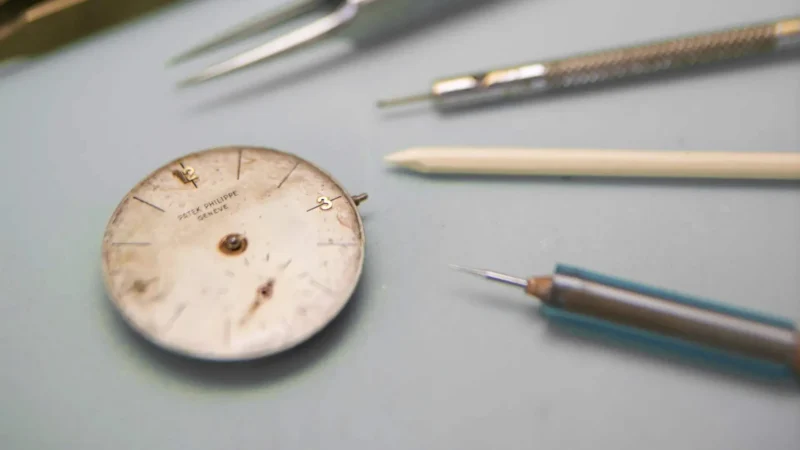
Insights & Investment
The Watch Collector’s Toolkit: Care, Observation and Restraint
A thoughtful toolkit makes a watch easier to live with. What to keep at home, what to learn from your manual and which jobs belong at the watchmaker’s bench.
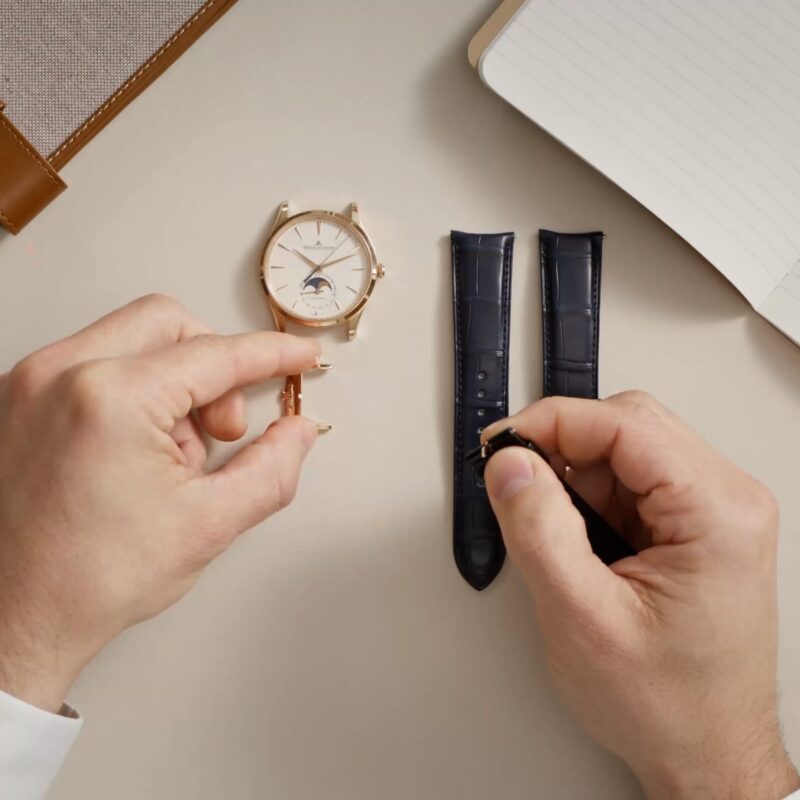
On the wrist. In the hand. At the bench.
Official Jaeger-LeCoultre photographs distinguish everyday handling and strap choices from specialist workshop work. They illustrate the guide; they do not make every task shown suitable for home maintenance.
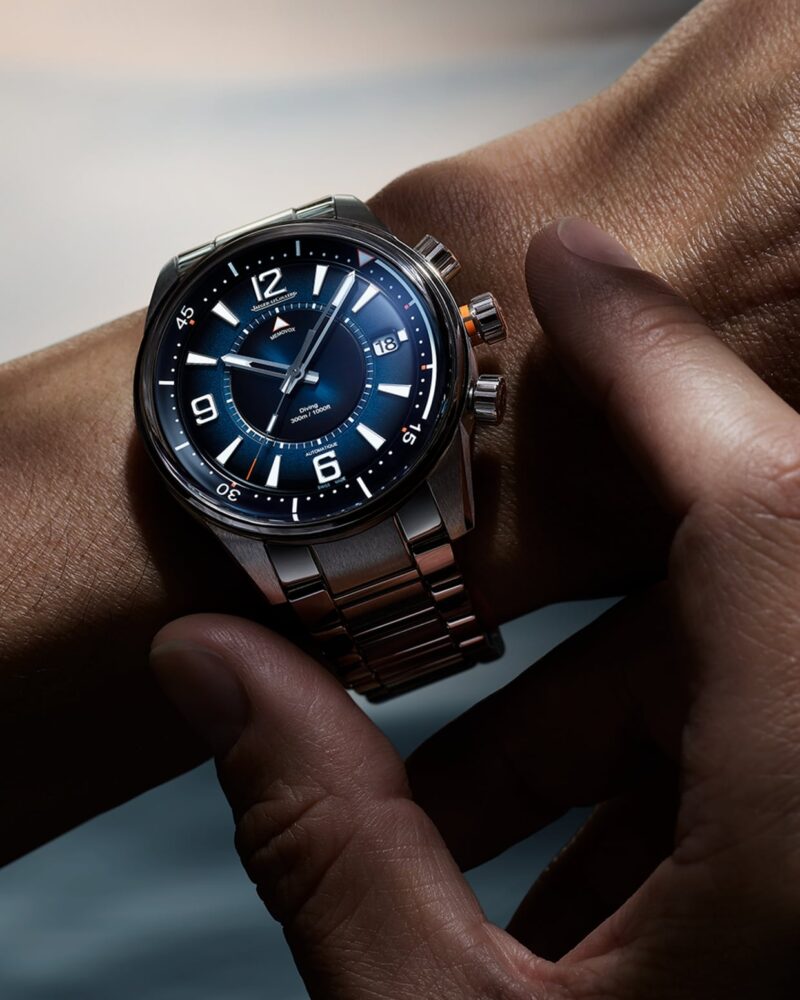
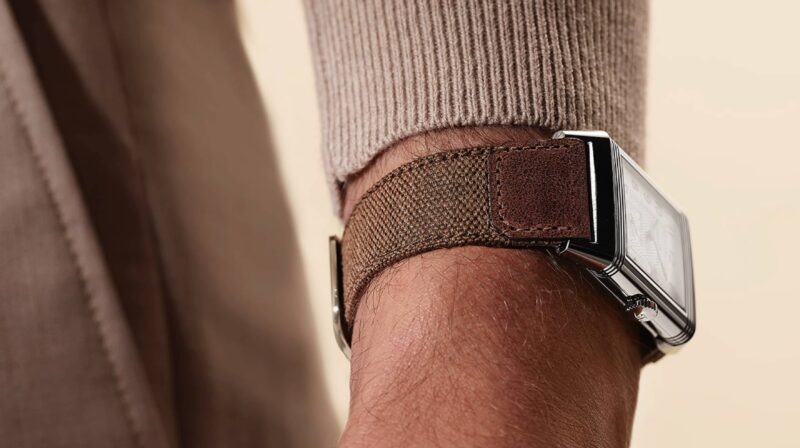
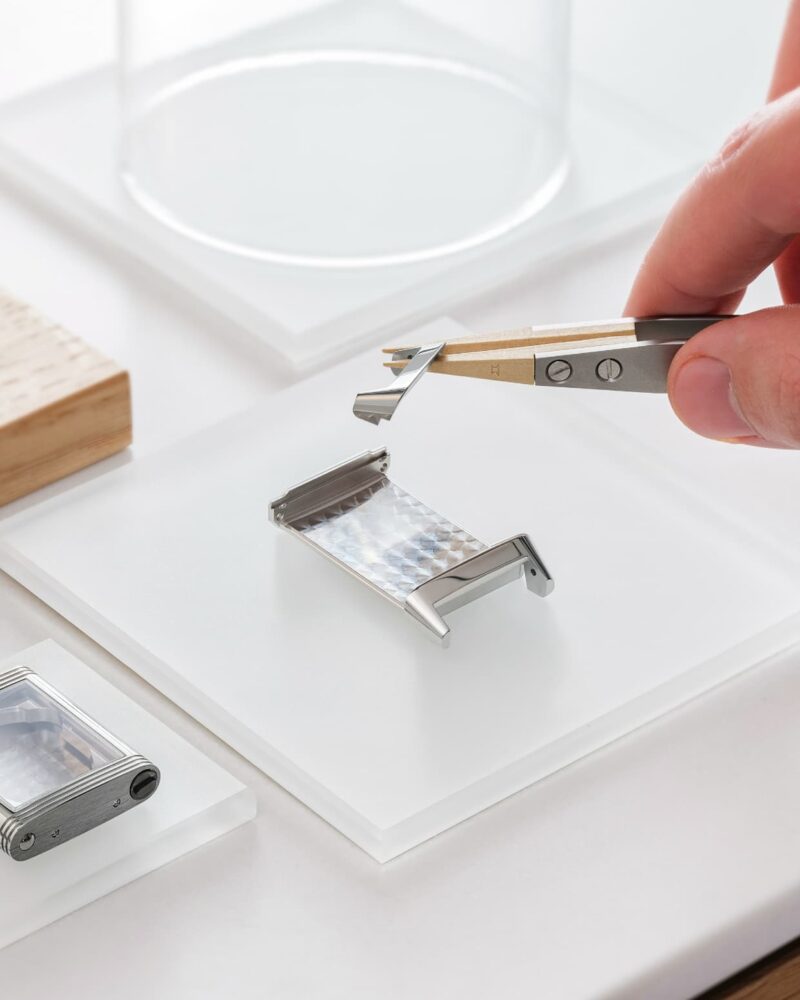
A small kit, used well
There is a satisfying moment at the end of a day when you unfasten a watch and see it properly again. The light across a brushed case, a mark you had not noticed, the curve of a strap after hours on the wrist. Good care begins with that attention. Buying a drawer full of miniature tools is a different activity.
A collector’s kit should help with the ordinary business of ownership: handling, keeping records, following instructions and recognising when to ask for help. It need not resemble a watchmaker’s bench. You can be deeply interested in a movement without opening the case that protects it.
The suggestions here are TheTimeo’s practical approach to organising that kit. Manufacturer instructions take precedence for the particular reference, its materials and its condition. No tool, cleaning routine or accessory guarantees that a watch will retain its selling price.
Start with the instructions, not the shopping basket
Find the operating manual for the exact watch. Keep a copy where you can reach it when a stopped watch needs setting, rather than relying on a remembered sequence from another model. Winding, calendar adjustment, crown operation and interchangeable straps deserve their own reference-specific answers.
Jaeger-LeCoultre’s care guidance warns against forcing a manually wound crown beyond resistance. Its FAQ also advises against shaking a stopped automatic watch to restart it. These are useful reminders to read before acting; they are not a universal number of crown turns or a setting sequence for every calibre.
Make a short note of the operations you actually use. If an instruction is unclear, ask the maker or a qualified watchmaker to demonstrate it. Understanding one crown properly is more useful than having the tools to remove several casebacks.
Four things worth giving space to
This is a starting arrangement, not an essential-products list. Choose items that suit the watches you own and keep them clean and organised. The aim is to make ordinary care straightforward, with nothing bought merely to fill a box.
A clean, soft cloth
Keep a cloth reserved for watches, stored away from grit and workshop debris. Use it only where the maker’s care advice permits. Choose gentle cleaning rather than an abrasive polishing product intended to change a surface.
A clear place to handle the watch
Set aside an uncluttered, well-lit area where you can put the watch down securely. A clean padded surface is a sensible editorial choice for handling. Clear it before you begin rather than moving objects around a loose watch.
A suitable storage or travel case
Look for an arrangement that separates the watches and accommodates their bracelets or straps without forcing them. Check how the actual watch rests inside. A travel case provides organisation; it does not replace security or insurance arrangements.
The manual and ownership file
Keep the correct instructions alongside invoices, private identifiers and service correspondence. A small digital folder can be as useful as a beautifully made case. Protect personal details rather than posting the complete file online.
Clean according to the material
A leather strap and a metal bracelet should not receive the same treatment simply because both fasten a watch. Jaeger-LeCoultre advises protecting leather from water, excessive humidity, prolonged sunlight, cosmetics and oily substances. Its guidance for metal bracelets and rubber straps describes soapy-water cleaning followed by rinsing and drying with a soft cloth.
Read that guidance within its scope. Do not turn instructions for a strap into permission to immerse an unknown vintage watch. Ask about the complete watch’s suitability before exposing it to water; uncertainty about its current condition is a reason to seek advice.
Resist the temptation to make every surface look freshly polished. The collector’s cloth and the workshop’s refinishing equipment serve different purposes. If you want scratches addressed, discuss the proposed work and what appearance you want retained before agreeing to it. Put that conversation in the ownership file.
A closer look can deepen the pleasure
A loupe can be enjoyable for studying dial printing, applied details and the meeting of case surfaces. Treat it as an aid to looking, not as an authentication service. Begin with the watch at normal viewing distance, then magnify a detail you want to understand. Keep your observations separate from conclusions you cannot substantiate.
A phone photograph can help you remember what you saw or explain a concern to a watchmaker. Use ordinary light and record the date. Avoid filters that change the colour of a dial or conceal a mark. A photograph of the exterior is a record of that view, not proof about the components inside.
You may find that slowing down is enough. The pleasure of a fine watch often lies in small decisions of proportion and finish that become clearer through familiarity. Inspection should add to that appreciation, rather than turn every evening into a search for something wrong.
What belongs at home—and what calls for help
The following distinctions keep the kit useful without encouraging work beyond the owner’s instructions. They are editorial decision prompts, not a repair protocol. If your watch requires an operation you have not been shown, resolve that question first.
Winding and setting
Use the exact manual and the prescribed controls. Do not borrow a calendar-setting sequence from a different watch. Stop when you encounter unexpected resistance or behaviour and ask for reference-specific advice.
Straps and bracelets
Check whether the model has an owner-operated system and follow its tutorial if it does. For unfamiliar fittings or screwed links, arrange qualified assistance. Jaeger-LeCoultre publishes specific tutorials as well as professional replacement advice.
Timing observations
A dated note of observed timekeeping can help a service conversation. Describe how the watch was worn and what changed. A number from a device needs qualified interpretation before it becomes a diagnosis.
A watch winder
Before buying one, ask the manufacturer whether it is appropriate and which settings apply. Treat it as a possible convenience, not a universal requirement. Do not assume that owning several automatics means every watch must stay running.
Case opening and batteries
Leave case opening, battery replacement and movement adjustment to appropriately equipped specialists. Ownership alone does not establish competence. Jaeger-LeCoultre’s service descriptions place technical interventions within a defined workshop process.
Water resistance and magnetism
Ask a qualified provider about relevant tests and any required intervention. Keep magnetic exposure in mind when reporting unusual behaviour; do not diagnose or demagnetise a watch on the strength of an online guess.
Keep notes that a watchmaker can use
If something changes, describe the observation plainly. When did you first notice it? Was the watch being worn normally? Had it stopped, been set or experienced an incident? Include what you know without filling the gaps with a theory about the movement.
Before service, photograph the exterior and list the accessories being handed over. Ask the provider how the work will be approved, which cosmetic interventions are proposed and what will be returned. This is an organisational habit, not a substitute for the provider’s own intake and testing procedures.
Three questions before adding another tool
A useful kit earns its place through actual use. These questions are worth asking before buying the next accessory, especially if it promises a shortcut to specialist judgement.
01Should I buy a case opener to inspect a vintage watch?
Our recommendation is to have a qualified specialist carry out any necessary opening and assessment. Ask for the findings and relevant photographs. You can learn from the examination without performing it yourself.
02Will a loupe tell me whether a watch is authentic?
A loupe helps you see exterior details. Authentication is a separate task involving the particular example and appropriate expertise. Use your observations to form questions, not to issue a verdict.
03How much equipment do I really need?
Begin with the correct manual, a suitable place to handle and store the watch, and the cleaning materials its maker permits. Add an accessory when a real ownership need appears, not because a generic list calls it essential.
Leave the bench to the bench
There is no lesser form of collecting in choosing not to repair your own watches. Knowing how to use them, looking after them thoughtfully and asking informed questions are substantial parts of the interest.
The right toolkit makes these habits easy. Once the watch is ready, put the cloth away, fasten the strap and wear it. Care has done its job when it leaves more room for that pleasure.
Sources & credits
Sources & further reading
Methodology and sources. Rechecked on 13 September 2026 against Jaeger-LeCoultre’s official watch-care guidance, strap-care guidance, service descriptions and FAQ. Manufacturer advice is attributed within its scope; the exact watch’s instructions and assessed condition take precedence. The toolkit, observation file and boundaries for home use are TheTimeo’s editorial recommendations, not instructions for repair or authentication. Photographs are illustrative official Jaeger-LeCoultre material; their source pages, original endpoints, credits, dimensions and hashes are retained. No generated imagery, accessory-performance guarantee or investment-return claim is included.
The most useful kit is the one that helps you enjoy the watch without doing work it does not need.
TheTimeo — editorial care principle
Further stories from this world

Insights & Investment
Market Price Is Not One Number: Seven Values, Seven Different Jobs

Insights & Investment
The TheTimeo Provenance Standard: What Should Travel With an Object

Insights & Investment
How to Audit a Luxury Watch Listing: Nine Details That Matter

Insights & Investment