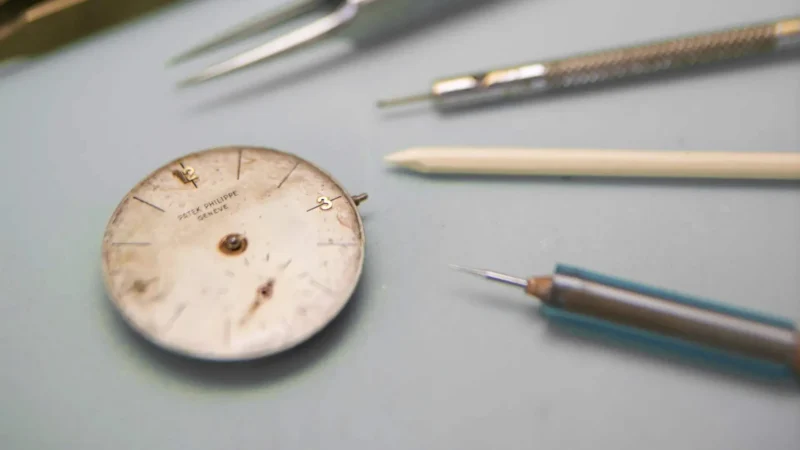
Insights & Investment
Private Sales: Finding the Watch or Jewel You Want
A quieter way to search, with room to look closely. How to approach a private-sale specialist, shape a useful brief and resolve the purchase before committing.
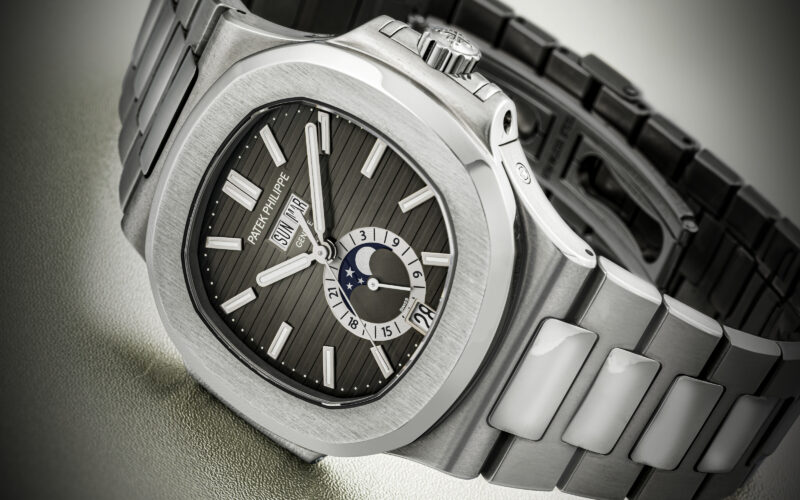
Look closely. Ask specifically.
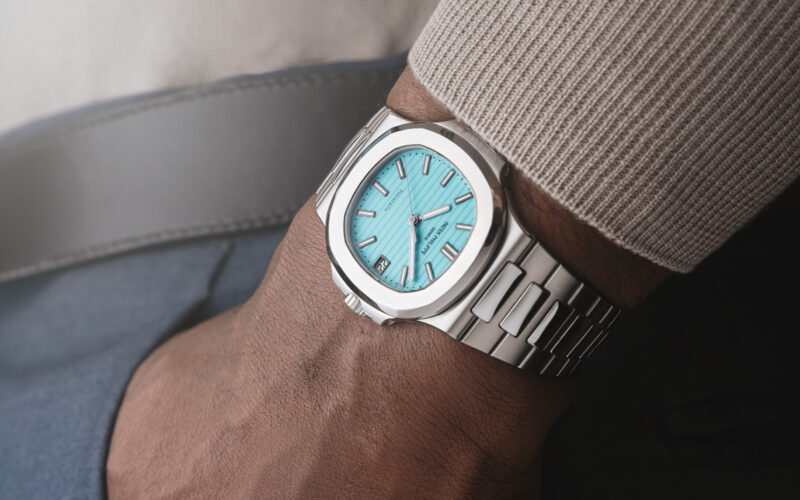
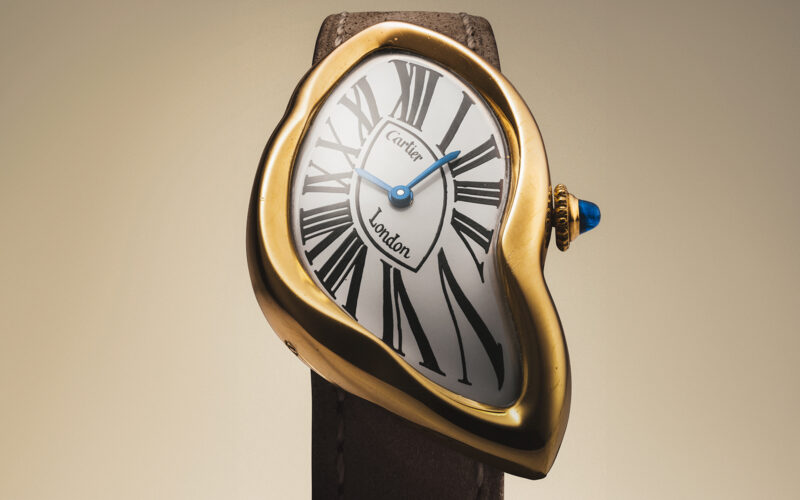
Official Christie’s photographs provide watch and jewellery context for a private-sale enquiry. Auction imagery is identified as illustrative: it does not imply that the photographed pieces are available privately, reserved for a reader or offered by TheTimeo.
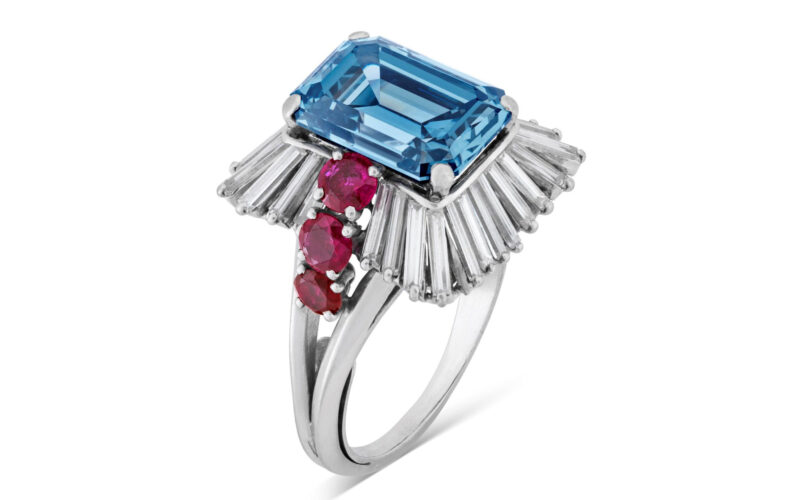
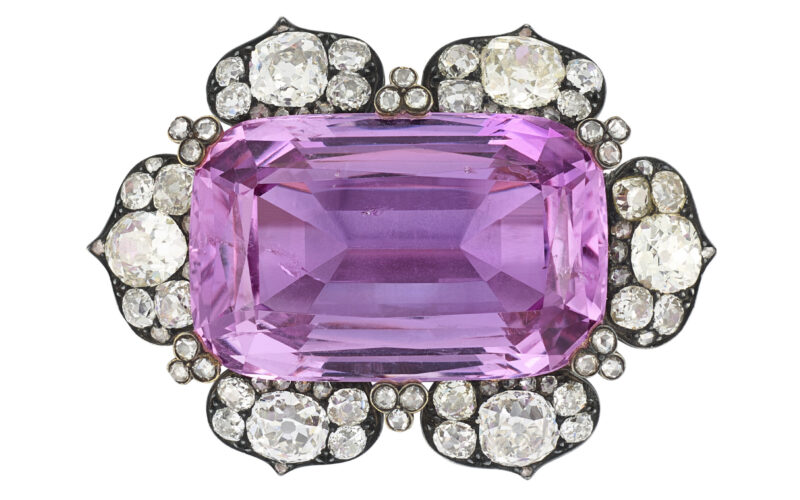
A search with a little more room
Perhaps you have a watch in mind but not an acceptable example. Or you know the kind of jewel you want to wear: a brooch with character, a necklace that feels right against the collarbone, a ring whose colour holds your attention in daylight. A private-sale conversation can begin with that specific interest. It need not begin with an invitation embossed with your name.
The attraction is the opportunity to describe what you want and ask about a particular piece without an auction countdown shaping every decision. Keep that freedom. An attentive conversation should bring the object into sharper focus, not make you feel that asking ordinary questions will cost you your place.
This guide explains the published routes into private sales and sets out TheTimeo’s approach to the enquiry. It offers no privileged access, allocation promise or forecast of appreciation. The piece and the terms still have to suit you.
What private sales actually means
Christie’s describes Private Sales as a service that connects buyers and sellers outside the auction room through its specialist network. It also makes an important distinction: some offerings are displayed publicly online, and selling exhibitions can be visited by anyone. “Private” does not necessarily mean concealed from view or restricted to an invitation-only club.
Its published buying guide describes year-round enquiries, an online gallery with a request-price route, selling exhibitions and direct discussion of specific requirements. The Private Sales page includes watches and jewellery among the categories. These are documented ways to begin; they are not evidence that a particular reference can be found to order.
Sotheby’s distinguishes private brokerage from auction and fixed-price Buy Now. On a private-sale listing, its help guidance directs buyers to the Enquire button to request a specialist response with price and further information. Identify the channel before discussing a piece, rather than assuming that every object outside a live sale has identical terms.
Write a brief that sounds like you
An enquiry becomes more useful when you explain what has drawn you to the piece. Start with the preference you can actually describe. A photograph can help communicate it, provided you identify it as a reference image rather than the example you expect to buy.
For a watch, you might name a reference and explain what matters about the dial, case or wearing experience. For jewellery, you might discuss type, proportions, materials and the occasion—or the ordinary days—on which you want to wear it. Be clear about firm requirements and about details you are willing to explore.
Keep the brief manageable. A specialist cannot infer your tolerance for restoration, an unfamiliar size or missing documentation from the phrase “the best example”. Set a spending boundary you can accept without a resale assumption. If you are unsure about a technical point, make it a question rather than a confident but inaccurate specification.
Four ways to make the enquiry clearer
These are editorial prompts for a first conversation, not entry requirements imposed by any named seller. Their purpose is to give the search a shape while leaving room for a piece you had not considered.
The object
Name the watch reference or kind of jewel you are seeking. Describe the details that caught your eye. Say whether you want a particular configuration or are open to alternatives with a similar visual character.
The way you will wear it
Explain whether the piece is for daily use, occasional wear or a particular interest within your collection. Ask to assess scale and comfort. A remarkable photograph is not yet an answer about how an object feels on you.
Condition preferences
Describe which interventions you are willing to consider and which require discussion. Request the available condition information for each proposed example. Keep preferences separate from claims about what is technically original.
Practical boundaries
Give a realistic budget and say what timetable you actually have. Ask how the enquiry will proceed. Do not imply urgency merely to sound like a serious buyer; a considered search can begin without an immediate commitment.
Let the conversation broaden your eye
There is pleasure in discovering why an alternative deserves attention. Ask the specialist to explain the connection to your brief. An unfamiliar dial arrangement, a different clasp or another proportion may change what you thought you wanted. Keep a note of the discovery before deciding whether it changes the purchase criteria.
At the same time, distinguish an interesting alternative from a compromise you would regret. If the central appeal was a particular colour or case shape, do not let a persuasive story make that preference disappear. You can appreciate the suggestion and continue the search.
The photographs in this guide are visual context, not a selection being sold by TheTimeo. Some originate in Christie’s auction imagery. They do not establish current private-sale availability or the condition of a piece you are considering. For a purchase, request the actual example’s information and views.
Arrange a view that answers questions
Ask what viewing or examination can be arranged for the proposed piece. If you can see it in person, bring the questions you have already written down. Look first at the complete object, then at the details that matter to you. A jewel’s proportions against your hand or a watch’s profile beneath a cuff deserves attention alongside the description.
If you cannot attend, ask what additional photographs or qualified assessment would address the gaps. Keep a request specific: the fastening, the back of the piece, the relevant markings, the disclosed intervention. More images are useful when they answer something, not simply because a longer email looks reassuring.
Do not perform an improvised examination or insist on opening a watch yourself. Discuss any required specialist assessment with the seller. Record what was examined, by whom and with what limitations. A professional name and an elegant presentation are not reasons to skip the scope of the findings.
Six points to settle before saying yes
The following is our purchase-conversation framework. It is not a statement of uniform legal rights or standard fees. Confirm the actual seller, sale channel, jurisdiction and written terms; obtain appropriate professional advice where the transaction requires it.
The actual example
Resolve the identity and agreed description of the piece being purchased. Keep the photographs and documents linked to that example. Do not allow a reference image or an attractive related object to stand in for it.
Condition and work
Request the available condition information and disclosed interventions. Ask which questions remain unanswered. If further work is proposed before delivery, agree its scope rather than assuming it is part of the purchase.
Documents and their scope
Read each document according to what its issuer says it establishes. Keep provenance, authentication, service information and valuation distinct. Ask for clarification rather than renaming a record to sound more comprehensive.
The full payable amount
Obtain the price and an explanation of any applicable additional charges, taxes or delivery costs. Ask which amounts are confirmed and which need a quotation. This guide makes no assertion that a private sale is cheaper than another channel.
Payment and delivery
Verify instructions through the seller’s established contact route before transferring money. Agree the delivery or collection arrangements and responsibilities in writing. Protect personal details when exchanging the purchase file.
The agreement itself
Clarify any guarantee, return or cancellation arrangements and their limitations under the applicable terms. Keep the invoice and correspondence. Seek qualified advice on significant uncertainties before committing, not after the piece arrives.
Keep discretion and clarity together
Privacy can be part of the appeal. You may prefer not to discuss the purchase publicly or publish identifying details of your collection. That preference does not require a vague agreement. A private transaction should still leave you with a readable account of the object, the price and the obligations you accepted.
Christie’s buying guide describes supplying an invoice, payment instructions and a shipping quotation once the chosen object has been sourced. Confirm the arrangements for your own transaction with the responsible team. Do not borrow payment, guarantee or return assumptions from an auction guide or a different country’s sale.
Our recommendation is to keep an enquiry folder from the first proposal onwards. Save the important exchanges rather than relying on a polished final description alone. The record should make it possible to understand why you chose the piece and what remained uncertain at the time.
Questions that need a plain answer
Private sales should not feel like a code you have to learn before asking about a watch or jewel. Begin with the documented enquiry route and make the material questions explicit.
01Do I need membership of a collectors’ club?
The published Christie’s routes include online enquiries, selling exhibitions and contact with specialists. Sotheby’s private-sale listings provide an Enquire route. These sources do not establish a universal club-membership requirement or entitlement to a particular piece.
02Does a private sale guarantee access to a limited edition?
No such guarantee is made here. Ask about the actual example and current availability. A sourcing conversation is not an allocation promise, and a production claim needs its own support.
03Should I accept a short deadline to secure the opportunity?
Ask what the deadline means and which information can be supplied before it. Our recommendation is not to let urgency replace unresolved material questions. You may decide that the available time or evidence is insufficient for you.
Bring home the right piece, not the occasion
The successful search ends with an object you still want when the setting and sales conversation have fallen away. You understand its attraction, accept its disclosed condition and know the practical commitments. It belongs in your collection for a reason you can explain without the word “exclusive”.
Then the pleasure becomes ordinary in the best sense: choosing the brooch, fastening the watch, finding that its proportions are exactly what you hoped. The purchase file can be put away because the questions were given their proper time.
Sources & credits
Sources & further reading
Methodology and sources. Rechecked on 13 September 2026 against Christie’s official Buying privately guide and Private Sales page, plus Sotheby’s official private-sale enquiry instructions and sales-channel distinctions. Published processes are attributed to their providers. The brief, viewing questions and purchase framework are TheTimeo’s editorial recommendations, not legal or financial advice. Official Christie’s photographs are illustrative; auction images imply no current private-sale availability. Original media sources, credits, dimensions and hashes are retained. No generated imagery, privileged-access promise, standard-fee assertion or investment-return claim is included.
The privilege is time to understand the piece—not a reason to hurry past the questions.
TheTimeo — editorial buying principle
Further stories from this world

Insights & Investment
Market Price Is Not One Number: Seven Values, Seven Different Jobs

Insights & Investment
The TheTimeo Provenance Standard: What Should Travel With an Object

Insights & Investment
How to Audit a Luxury Watch Listing: Nine Details That Matter

Insights & Investment