Insights & Investment
A Watch Shortlist, Not a Return Forecast
Three references, three different pleasures: the Explorer 36, the Calatrava 6119G and the Royal Oak Selfwinding. A way to compare watches on the wrist rather than rank them by promised appreciation.
THREE DIFFERENT ANSWERS. Find your own question.
A restrained dial, a patterned bezel, a bracelet that shapes the whole watch. The useful shortlist is the one that helps you recognise which details you want to wear.
Begin with the watch, not its reputation
An admired watch can arrive surrounded by other people’s reasons to want it. A reference appears repeatedly in photographs, a collection name becomes shorthand for good taste, and a conversation about buying drifts towards what it might be worth later. Before accepting that conversation, look at the object again.
What do you actually notice: the way the bracelet meets the case, the space around the hands, a bezel that catches light? A shortlist becomes useful when it makes those differences clearer. It becomes less useful when it asks you to adopt a preference because someone has labelled it investment-grade.
The three references here are not a league table. They offer contrasting design and ownership questions, checked against the makers’ product information. Compare them for what you would enjoy wearing and the practical commitments involved. No future selling price is inferred from the name on a dial.
Proportion
Record the reference’s stated dimensions, then try the watch. A diameter helps identify the model; it is not a complete account of how a case and bracelet will sit on your wrist. Keep the specification and your wearing impression side by side.
Dial
Notice how the display holds your attention. Look at the arrangement of the hands, the markers and any additional indications. Describe the detail you like in your own words before allowing popularity to become its explanation.
Movement
Check whether the specified movement is manually wound or self-winding and how its functions are used. Ask for a demonstration. Consider which daily routine you would enjoy rather than treating one construction as universally superior.
Ownership
Ask about the exact example, its condition if pre-owned, service route and purchase terms. The maker’s model page is the source for a specification; it is not a substitute for the account of the watch being offered to you.
Rolex Explorer 36: a clear place to begin
Rolex’s product page identifies reference 124270 as a 36 mm Oystersteel Explorer with a black dial and the characteristic 3, 6 and 9 numerals. It specifies the self-winding calibre 3230 and an approximately 70-hour power reserve. Those details describe this reference, not every watch carrying the Explorer name.
Use it as an exercise in looking at a relatively uncluttered display. Do you enjoy the prominent numerals? Does the black dial remain the part you remember when the watch is removed? Try the bracelet and clasp, then consider the whole silhouette instead of stopping at the diameter.
If you are considering an earlier Explorer, identify that earlier reference separately. Do not transfer the current model’s dimensions, calibre or reserve to a watch from another period. The family resemblance can help you discover a design; the reference information has to do the more precise work.
Choose an occasion, not a ranking
Decide what you are seeking: a first watch, something for frequent wear or a piece for occasions that matter to you. A candidate can be convincing for one purpose and less attractive for another without becoming a worse watch.
Write one reason for each reference
Name the detail that makes each piece worth seeing. If the only reason is that you expect others to recognise it, acknowledge that honestly and ask what else you would enjoy once the recognition has passed.
Use an equal viewing method
Try each watch with enough time to settle on the wrist. Ask to see the dial in ordinary light and use the clasp or strap. Comparing a careful fitting with a hurried photograph is not a fair comparison.
Separate new from pre-owned
Record which exact example you have seen. If another candidate is pre-owned, include the supplied condition and intervention account rather than treating a reference name as if it described all examples equally.
Ask the ownership questions
Clarify winding, handling instructions, service availability and the written purchase terms. If you are uncertain about a function, request a demonstration. Knowing how you would use the watch is part of wanting it, not an interruption to the pleasure.
Return without the commentary
After the viewing, look at your notes without opening social media or a price-prediction list. Which watch can you still describe clearly? Which felt comfortable? An answer that is specific to you is more useful than a consensus you cannot explain.
Patek Philippe Calatrava 6119G: attention at the edge
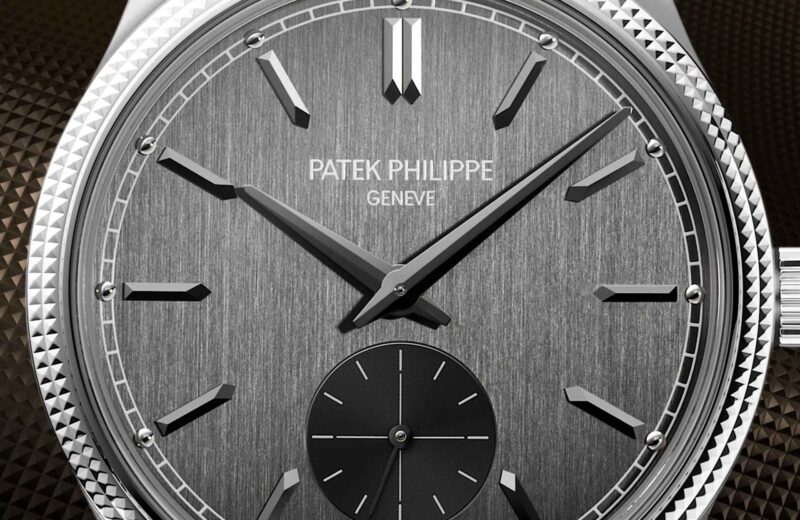
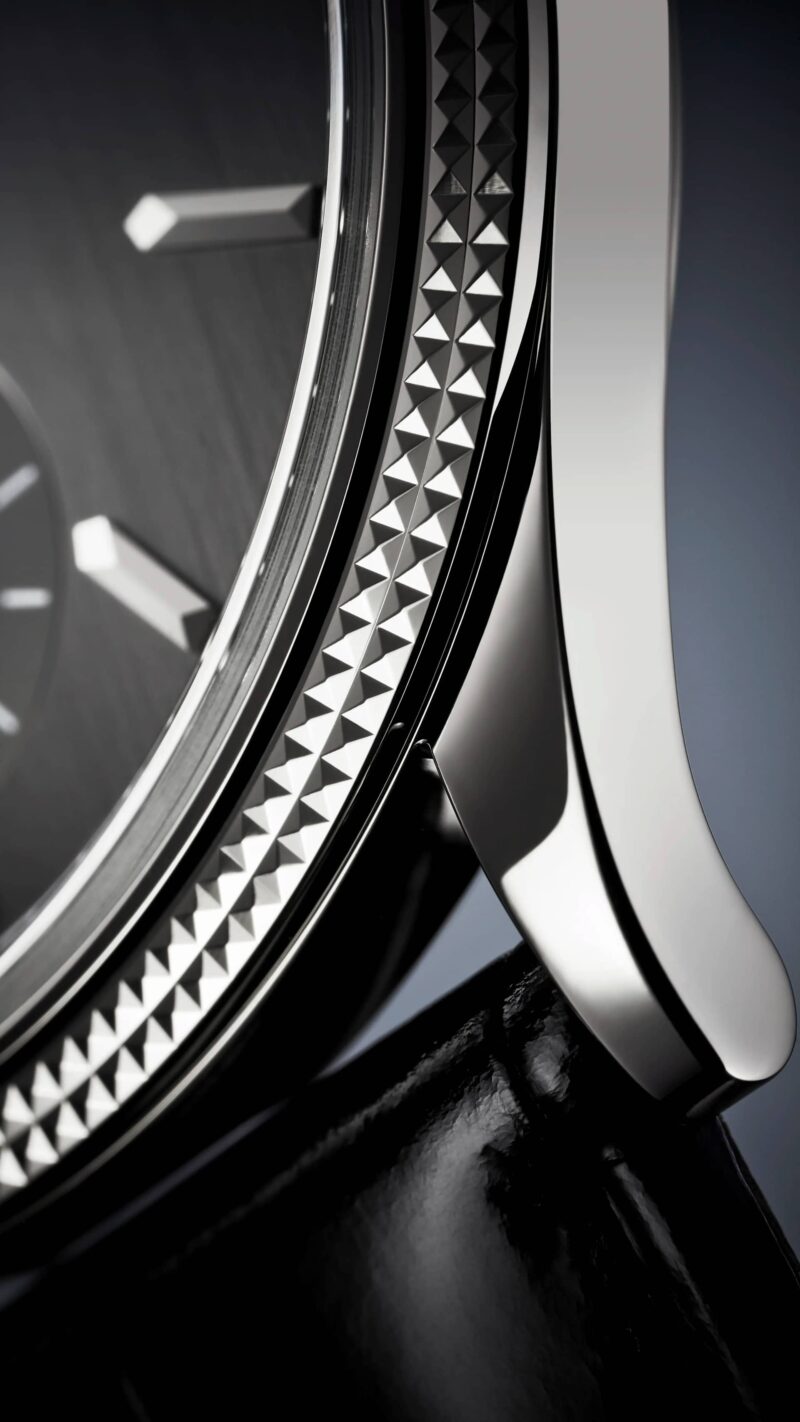
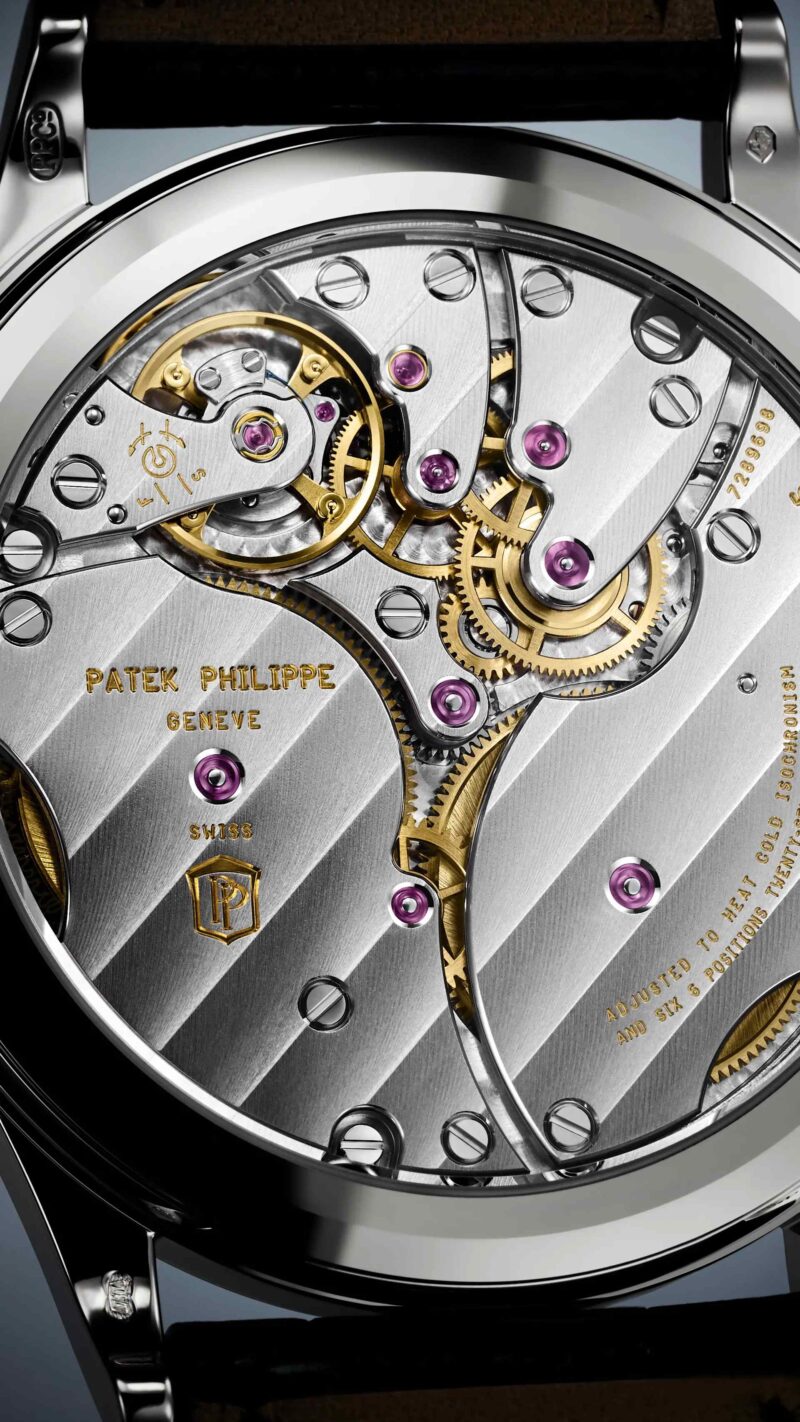
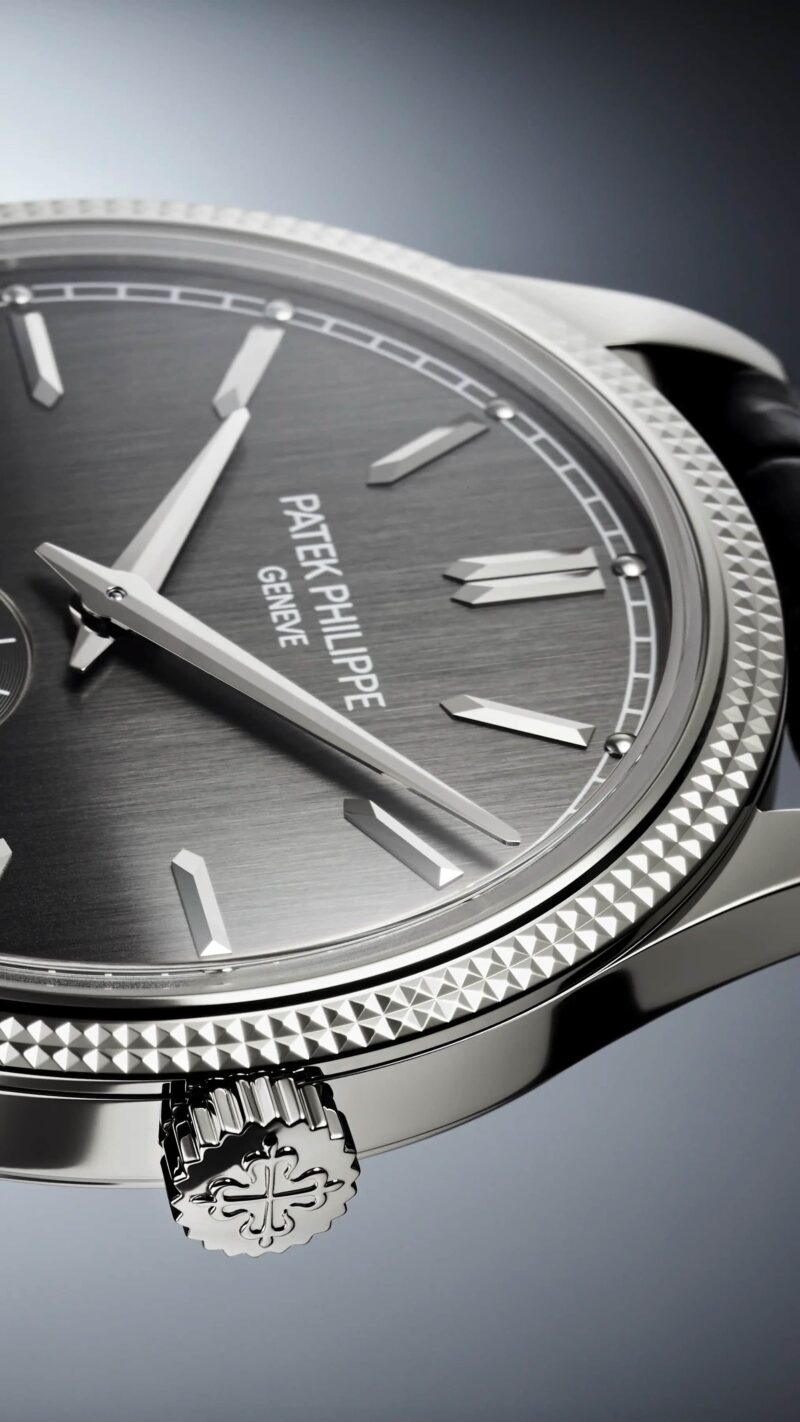
For reference 6119G-001, Patek Philippe lists a 39 mm white-gold case, a guilloched hobnail bezel and a charcoal-grey dial with vertical satin finish. Its manually wound calibre 30-255 PS has a stated minimum 65-hour reserve. The model presents a different set of details to consider from the Explorer.
Spend time with the bezel rather than treating it as a decorative footnote. Notice the small seconds display, the markers and the relationship between the dial and the strap. The question is whether that arrangement gives you the kind of watch you would reach for, not whether a dress-watch category sounds appropriate for your collection.
Manual winding is also a routine to try. Ask how the crown should be handled and follow the maker’s instructions. Some buyers enjoy that moment of attention; others prefer a different everyday habit. Your preference deserves more weight than an abstract argument about which movement type is more prestigious.
Audemars Piguet Royal Oak Selfwinding: the whole silhouette
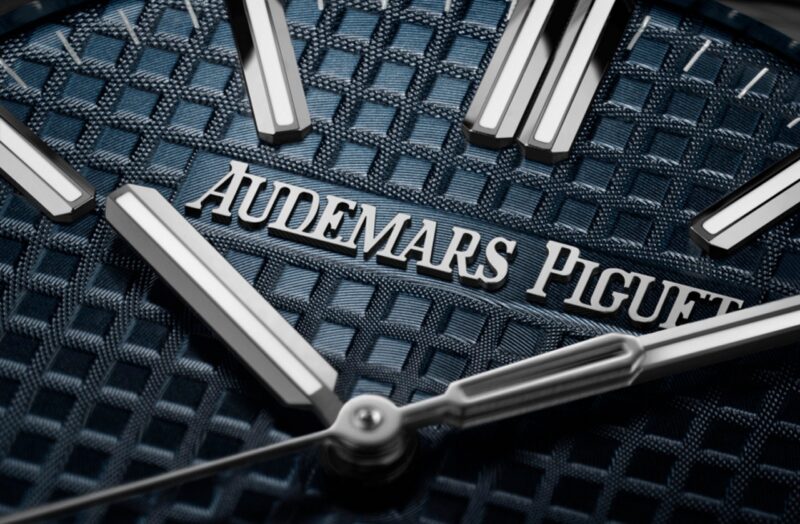
The official page for 15510ST.OO.1320ST.06 describes a 41 mm stainless-steel Royal Oak Selfwinding with a Grande Tapisserie dial in Bleu Nuit, Nuage 50. Keep that full reference in your notes. A different Royal Oak may carry different dimensions, materials, movement or dial information.
Look at how the case and bracelet read together, then at the dial texture. The attraction may be to the entire shape rather than a single component. A fitting lets you decide whether the design that looks compelling in a close photograph also gives you the proportions you want on your own wrist.
Do not turn recognisability into a claim about resale demand. If you are offered a pre-owned example, request its own condition and intervention account. Enjoying a design and understanding a particular watch are complementary tasks; a well-known collection name completes neither on its own.
01Are these the three watches most likely to appreciate?
No. They illustrate different design and wearing choices, not a return forecast. Product pages support model identification and specifications; they do not establish a future transaction price or return after costs.
02Can I apply these specifications to earlier references?
No. The details apply to the named references checked here. Identify any earlier watch through its own reference, period and supporting documents; do not transfer a current model’s specifications to the whole collection.
03Should I choose the watch with the longest power reserve?
Reserve is one practical specification, not a complete measure of suitability. Consider winding, fit, functions, your wearing routine and the exact example’s condition. Ask for the relevant instructions rather than reducing the choice to one number.
A good comparison leaves room for a surprise
The piece you expected to choose may not be the one you keep thinking about. A dial can feel more open in person; a bracelet can change your impression of a case; a detail you barely noticed online can become the reason you return. Leave room for that response.
You can decide that none of the three is your watch. A useful shortlist has still done its work if it helps you describe what you want more clearly. Take that knowledge to the next appointment. The aim is not to finish a ranking, but to find a watch whose appeal remains yours when the surrounding conversation falls quiet.
Sources & credits
Sources & further reading
Official sources checked directly on 13 September 2026. The product details apply only to the named references and were checked on their official product pages. Manufacturer specifications describe the model, not the present condition or performance of an individual pre-owned example. These three selections illustrate different design and wearing choices; they are not a ranked list of investments.
- Rolex — Explorer 36, reference 124270
- Patek Philippe — Calatrava 6119G-001
- Audemars Piguet — Royal Oak Selfwinding 15510ST.OO.1320ST.06
Appointment questions and comparison methods are TheTimeo editorial guidance, not an authentication service or a forecast of resale prices. No investment return, guaranteed appreciation or quantified environmental saving is claimed. Official photographs were downloaded unchanged; source pages, file hashes, credits and verification dates are recorded in media provenance. Photographs do not establish the condition of an individual watch offered for sale. No AI-generated imagery or generative editing was used.
A shortlist should sharpen your taste, not borrow someone else’s certainty.
TheTimeo — editorial comparison principle
Further stories from this world

Insights & Investment
Market Price Is Not One Number: Seven Values, Seven Different Jobs

Insights & Investment
The TheTimeo Provenance Standard: What Should Travel With an Object

Insights & Investment
How to Audit a Luxury Watch Listing: Nine Details That Matter

Insights & Investment