Insights & Investment
Watch and Jewellery Insurance: The Collector’s Dossier
A practical guide to identifying each piece, reading the cover and keeping the records that let a collection be worn with greater confidence.

The piece is personal. The cover must be precise.
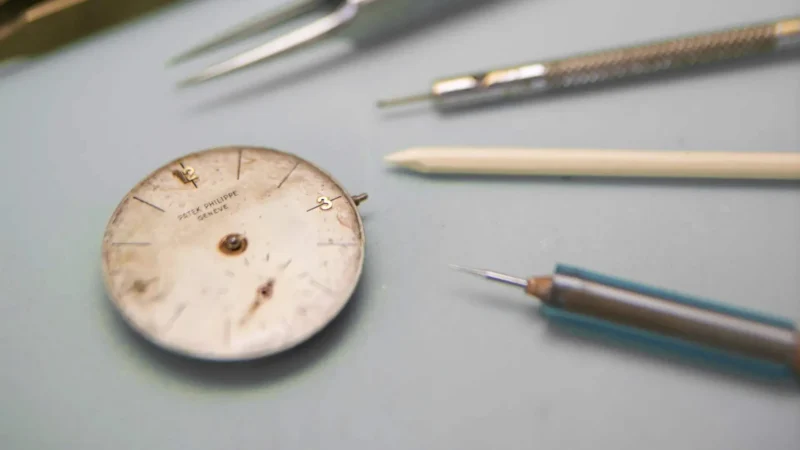
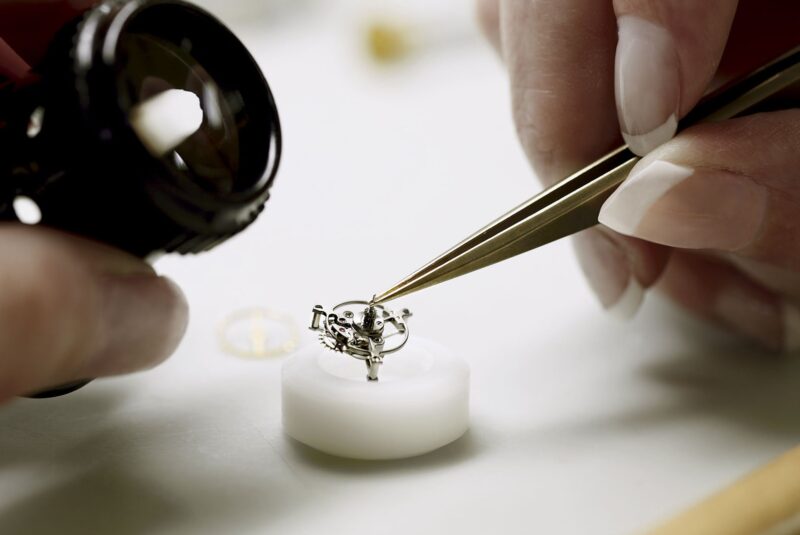
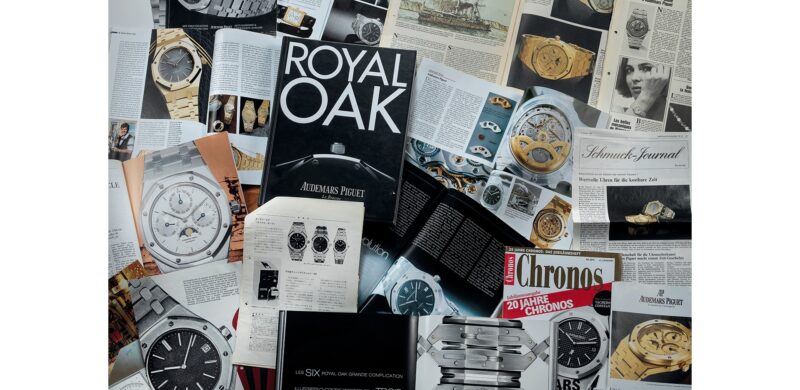
One image can express the pleasure of ownership. The private dossier needs more: the particular object, its physical history and the exact language of the cover. These official images illustrate that distinction; they do not document an insured collector’s own pieces.

Protection should make wearing easier
There is a small, familiar pause before leaving home with a favourite watch or jewel. You check the clasp, turn the stone towards the light, decide whether this is the evening for it. The right insurance arrangement cannot replace that attachment. It can make the practical questions less vague, leaving more room for the pleasure that brought the piece into your life.
Start with the object and the way you use it. A ring worn every day, an inherited necklace brought out a few times a year and a watch taken abroad do not make the same journey. Describe that journey to the insurer rather than assuming that a generous headline limit answers every question.
This guide is a framework for that conversation, not a recommendation of a policy or insurer. The issued wording, schedule and local rules govern the cover. The US sources used below illustrate questions to ask; their limits and product features should not be transferred to another country.
Four terms that should stay separate
A number on an appraisal, a purchase receipt and an insurance schedule may look reassuring together. First establish what each number is meant to do.
Itemised or scheduled
Ask which pieces are individually described, and what limits apply to them.
Blanket or unscheduled
Check the collection limit and any limit for one item or one type of loss.
Settlement basis
Ask whether the wording provides repair, replacement, cash or another defined basis.
Deductible or excess
Find the amount you bear yourself and when it applies.
An appraisal is written for a purpose
GIA draws a useful distinction: an appraisal describes and values property, while a laboratory report records findings about a gemstone within a stated scope. GIA does not itself appraise gems or jewellery. A report can inform a qualified appraiser; it does not become an insurance valuation simply because it carries a laboratory name.
Tell the appraiser that the document is intended for insurance and ask the insurer which valuation basis, qualifications and format it accepts. A replacement-value opinion should not be presented as the cash price a collector could obtain by selling the piece tomorrow.
Read the date, detailed description, assumptions, limitations and signature. Mounted stones may restrict measurements or examination; those limits belong in the document. If the description is too broad to distinguish your jewel from another, ask for clarification before treating the file as complete.
What would the insurer need to recognise this exact piece?
An inherited jewel is not adequately described by a memory, and a watch is not adequately described by its collection name. Give the file enough detail to make the object recognisable without publishing its private identifiers to the world.
Build one private record for each piece
The inventory is where emotion becomes legible without being reduced to a price. A note explaining who gave you a jewel can sit beside the invoice, photographs and valuation, provided it is kept separate from facts that establish the object’s identity. The NAIC’s home-inventory guidance makes the practical point: an accurate record helps supply the information needed when a claim is considered.
Our dossier below is an editorial working method. It is not a list of documents every insurer invariably requires. Ask which items are mandatory for your policy, which are helpful and how the insurer wants updates delivered.
Describe the object
For a watch, record maker, full reference, case material and identifying numbers. For a jewel, record design, metal, dimensions, principal stones, marks and any maker attribution. Distinguish documented facts from an unconfirmed attribution.
Photograph what distinguishes it
Keep a clear overall view and useful details: back, clasp, marks, setting and existing wear. Date the images. A campaign photograph can illustrate a model; it is not evidence of your own example’s condition.
Attach the valuation basis
Keep the appraisal in full, including its purpose and limitations. Retain the invoice as a separate record. Do not silently replace one figure with another or strip the date from either.
Preserve the physical history
Add service invoices, resizing records, stone replacements and restoration correspondence. A later intervention may change the description that the insurer has on file; ask whether a revised valuation is needed.
Match the policy entry
Check that the scheduled description corresponds to the object and that the amount, excess and settlement language are understood. Ask the broker to resolve discrepancies in writing rather than leaving them in a telephone conversation.
Keep the file private and accessible
Store a secure copy apart from the physical collection and decide who can retrieve it if you cannot. Keep full serial and report numbers out of public posts. Review the record when the piece or its ownership changes.
A product example is not a universal promise
Chubb’s US jewellery page describes an itemised product with agreed-value and cash-settlement features, provisions for new acquisitions and worldwide scope subject to its terms. It also states that availability varies by jurisdiction and that the issued policy language controls. That is a useful reminder to compare the contract, not just the category name.
It is not a reason to assume that every specialist policy pays an appraisal in full, has no excess or covers every disappearance. Nor does a manufacturer’s warranty answer the same question as insurance. Ask what each arrangement covers, where it applies and what evidence it requires.
Three moments to put to the insurer
Use ordinary examples from your own life. A clear answer to a specific situation is more useful than a broad assurance that the collection is protected.
At home — Storage and use
Explain where pieces are kept and how often they are worn. Ask which security conditions are mandatory and whether the wording changes when an item is outside that storage.
Away — Travel and custody
Name the countries and the actual journey. Ask about hotel storage, carrying, temporary loans and courier transit; do not assume that a territorial phrase settles every custody condition.
After a change — Acquisition or alteration
Ask when a newly acquired piece must be notified and what follows a sale, resizing or restoration. Put the notification deadline in your calendar and retain the acknowledgement.
Leave the difficult questions in the file
The NAIC’s US consumer guidance recommends checking existing limits, theft, damage, loss and territorial scope. Turn those categories into a short written conversation with the insurer. The questions below deliberately avoid claiming that any particular answer is standard.
01If one earring or part of a set is lost?
Ask how the policy treats a partial loss, matching and the surviving piece. Is the settlement based on repair, replacement or another option? Keep the answer with the schedule, especially where a pair cannot simply be recreated.
02If the piece cannot be replaced exactly?
Explain whether it is discontinued, inherited or individually made. Ask how the settlement basis handles that situation and who decides what counts as a comparable replacement. Sentimental meaning cannot be recreated by a catalogue match.
03If it is damaged while being serviced or transported?
Identify the point at which custody passes to a workshop or carrier. Ask whose cover applies and what shipping or packaging conditions must be met. Obtain instructions before sending the object, not after a problem occurs.
04If an appraisal becomes old?
Ask the insurer for its update requirements and the appraiser for a review recommendation. A fixed interval borrowed from another collector may not meet your contract. Update the description when the physical object changes as well as when a valuation is reviewed.
Confidence is knowing the arrangement
A well-kept dossier is not an invitation to worry about every evening out. It is a way of doing the careful work once, then keeping it current. The watch can return to the wrist; the necklace can leave its box. Their meaning remains personal, while their description no longer depends on memory alone.
Before committing, have a qualified local insurance professional explain the wording you will actually receive. Ask until the limits, obligations and settlement basis are clear. That clarity is a better companion to a beautiful object than a promise that has never been tested.
Sources & credits
Sources & further reading
Methodology and sources. Rechecked on 12 September 2026 against GIA’s appraisal guidance and the NAIC’s US jewellery-insurance consumer guidance and inventory resources. The named product example was checked against Chubb’s US jewellery and watch page; no provider is recommended, and no US feature is assumed to apply elsewhere. Official illustrative media were verified on Audemars Piguet’s ownership-services page and Chubb’s page, with source endpoints, credits and hashes retained. The dossier and scenario questions are TheTimeo’s editorial working method. This is general educational material, not individual insurance, legal or valuation advice. Issued policy wording and qualified local advice control. No resale or investment-return claim is included.
Know what is covered before you need to ask.
TheTimeo — collector’s working principle
Further stories from this world

Insights & Investment
Market Price Is Not One Number: Seven Values, Seven Different Jobs

Insights & Investment
The TheTimeo Provenance Standard: What Should Travel With an Object

Insights & Investment
How to Audit a Luxury Watch Listing: Nine Details That Matter

Insights & Investment