
TheTimeo / Insights & Investment
READ THE OBJECT:
before you read the price
A practical, visual method for understanding identity, condition and evidence before market language enters the room.
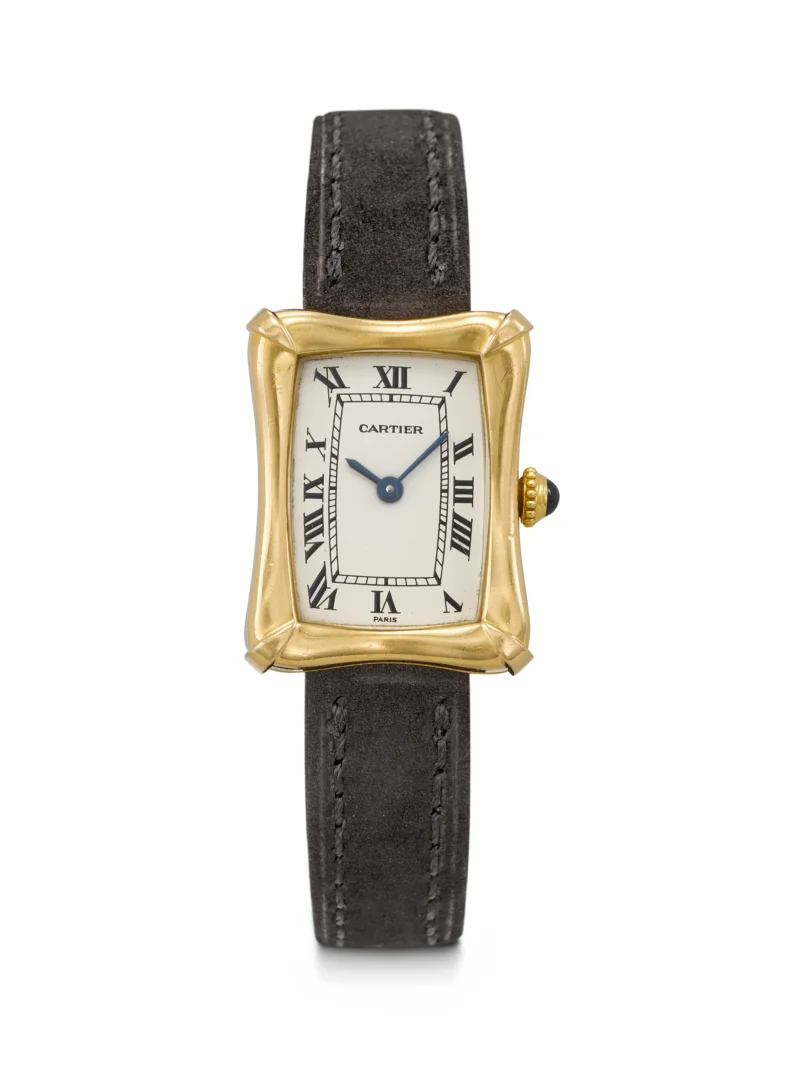
A shaped-watch catalogue example: Cartier Coussin Bamboo reference 78110, lot 10. CHRISTIE’S IMAGES LTD. 2025.
Explore the story
Before a collector asks what an object is worth, there is a more revealing question: what exactly is in front of us? The shape of a case, a signature, a repair beneath a setting or a line in an archive can change the answer completely.
Four questions before any comparison
- Identity: reference, maker, materials and configuration.
- Survival: what remains original, altered, restored or replaced.
- Evidence: which document supports which claim.
- Context: which transaction or collection history belongs to this exact example.
Names are an introduction, not a conclusion
A house name can open an important story. It cannot finish it. Two watches sharing a reference may carry different dials, service histories and degrees of case wear. Two jewels with related motifs may differ in stone quality, setting, proportion and documentary record. The right response is curiosity, not suspicion.
Read the object at three distances. From across the room, consider the silhouette and its design logic. In the hand, look for construction, proportion and wear. In the file, test whether photographs, marks, reports and documents describe the same thing. Each distance corrects the others.
A sequence for the eye
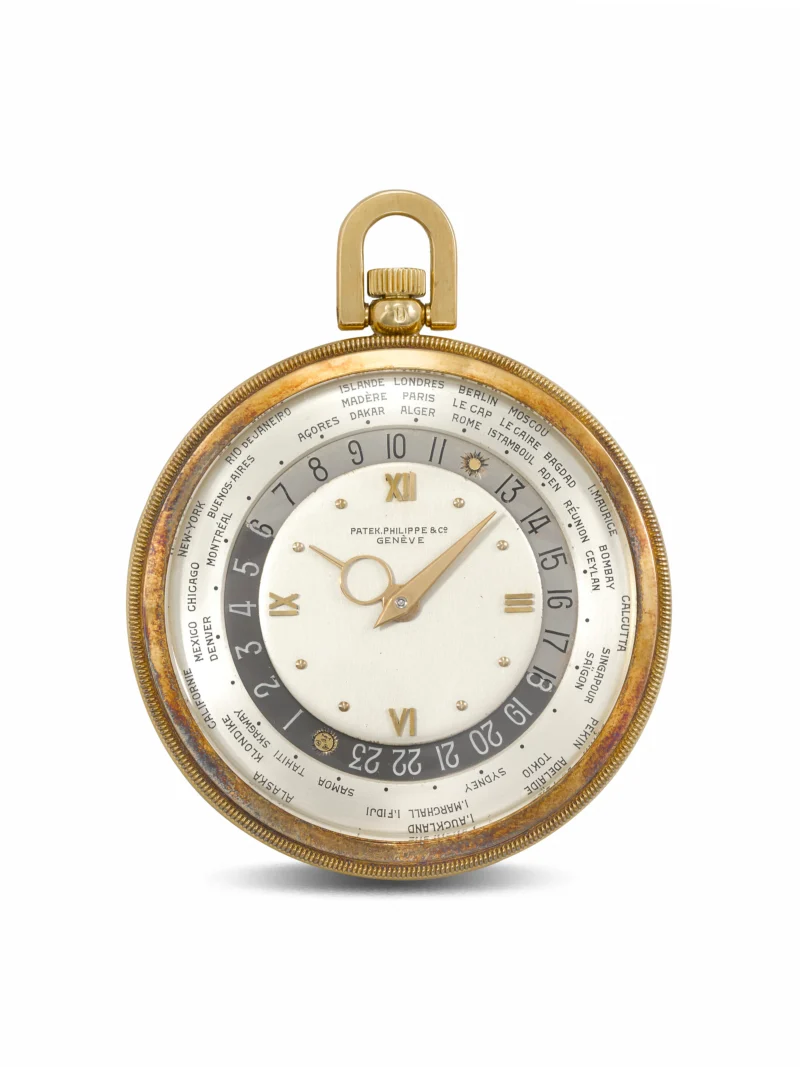
A documented vintage catalogue example: Patek Philippe reference 605 HU, lot 11. CHRISTIE’S IMAGES LTD. 2025.
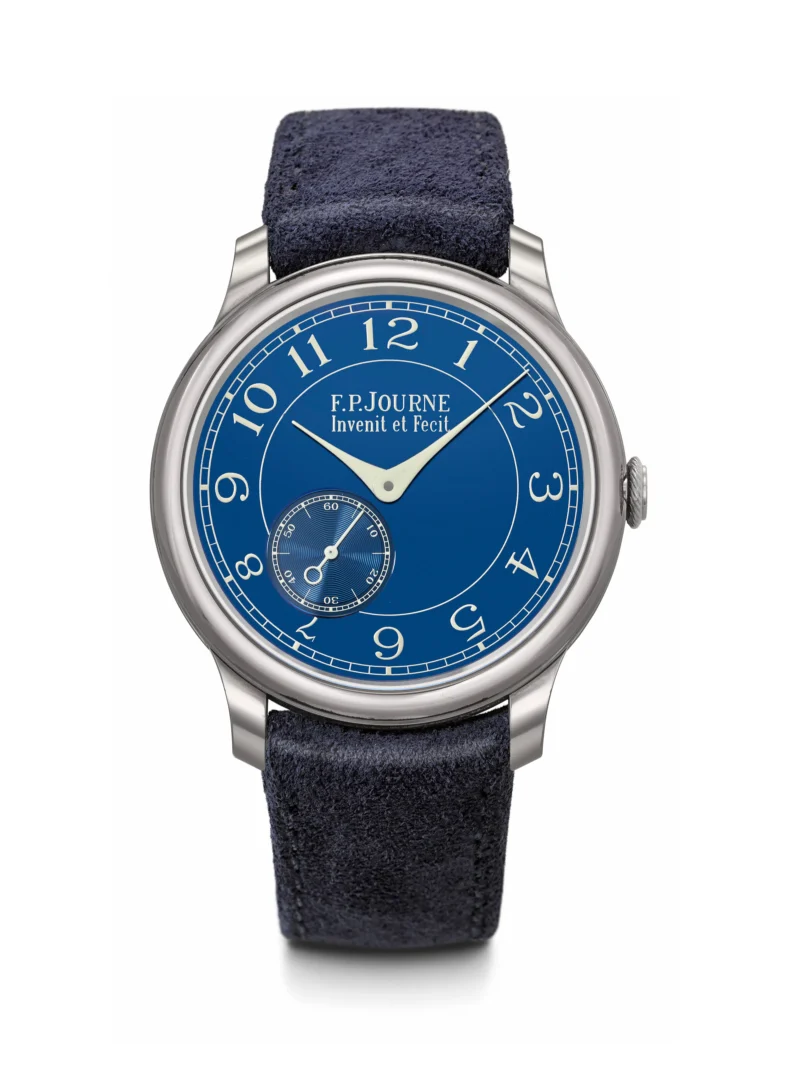
Chronomètre Bleu number 816-CB, circa 2015, offered as lot 4. CHRISTIE’S IMAGES LTD. 2025.
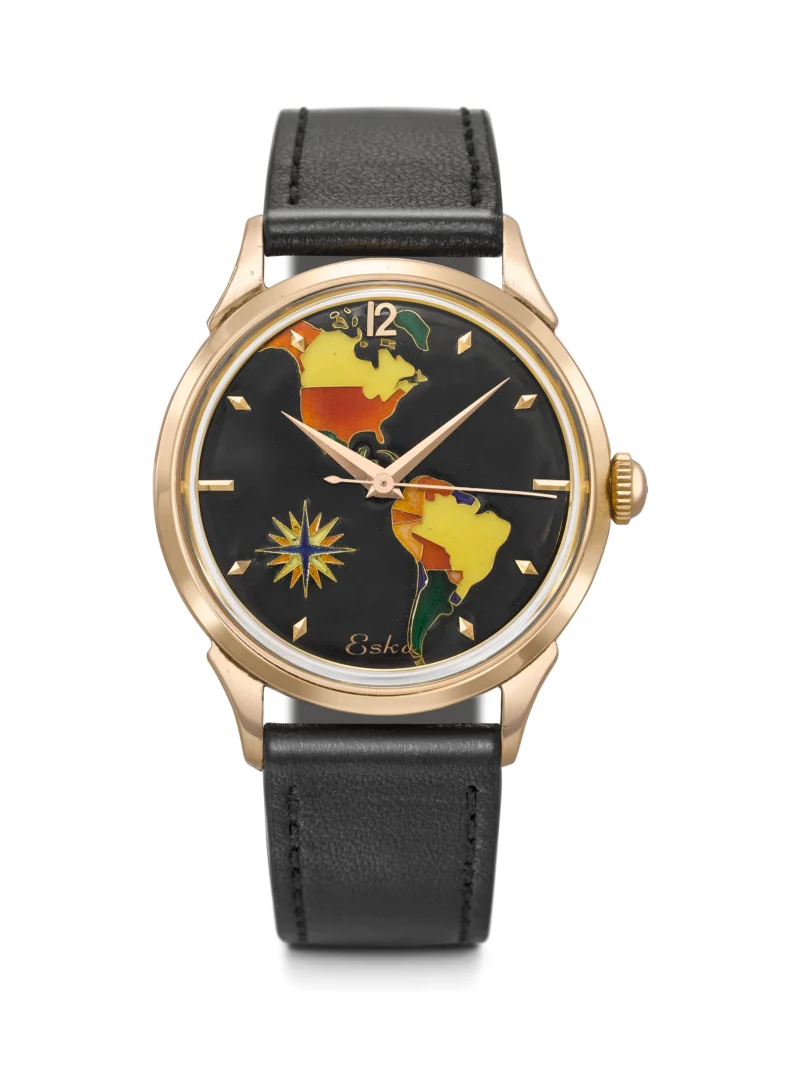
Eska cloisonné enamel watch depicting the Americas, circa 1950, offered as lot 9. CHRISTIE’S IMAGES LTD. 2025.
The world-time dial asks us to read information; the tantalum watch asks us to read surface and proportion; the enamel map asks us to read craft and fragility. A swiper lets these different forms of attention stay separate instead of reducing them to a generic luxury mood.
In each case, the relevant detail is small enough to be missed by a headline. That is exactly why a collector should start with it.
Evidence has boundaries
Explore the comparison
| Evidence | It can support | It cannot replace |
|---|---|---|
| Archive extract | Information held in a maison register | Current physical examination |
| Laboratory report | Reported gem characteristics within scope | Complete jewel authorship or history |
| Condition report | Observed state on a stated date | Every past intervention |
| Catalogue entry | One seller’s documented presentation | Independent authentication |
Condition is a description, not a verdict
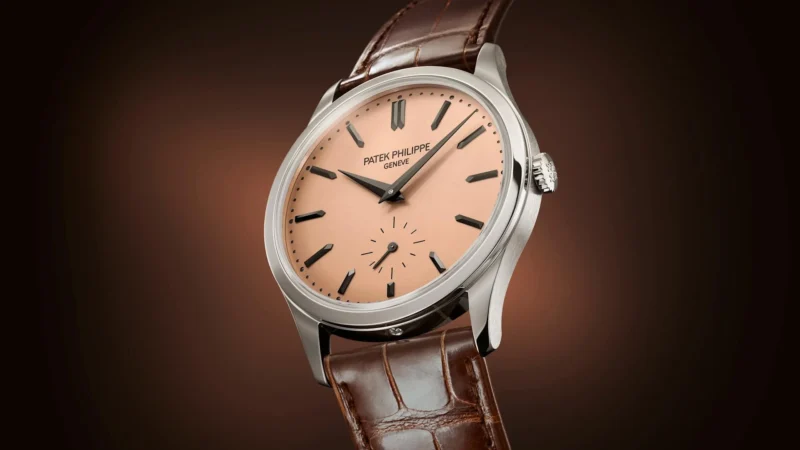
Patek Philippe Calatrava reference 6196P-001. Courtesy of Patek Philippe.
Wear can be evidence of a long life. A service can make a watch safer to wear. A resized ring can belong more naturally to its owner. What matters is the clarity of the description: where an intervention sits, which part changed, when it occurred and whether the accompanying record makes sense.
Condition becomes useful when it is visible and dated. A broad phrase such as “excellent” is not an examination.
Design gives research a direction

Tank Louis Cartier watch illustrating the collection’s enduring rectangular design. Courtesy of Cartier.
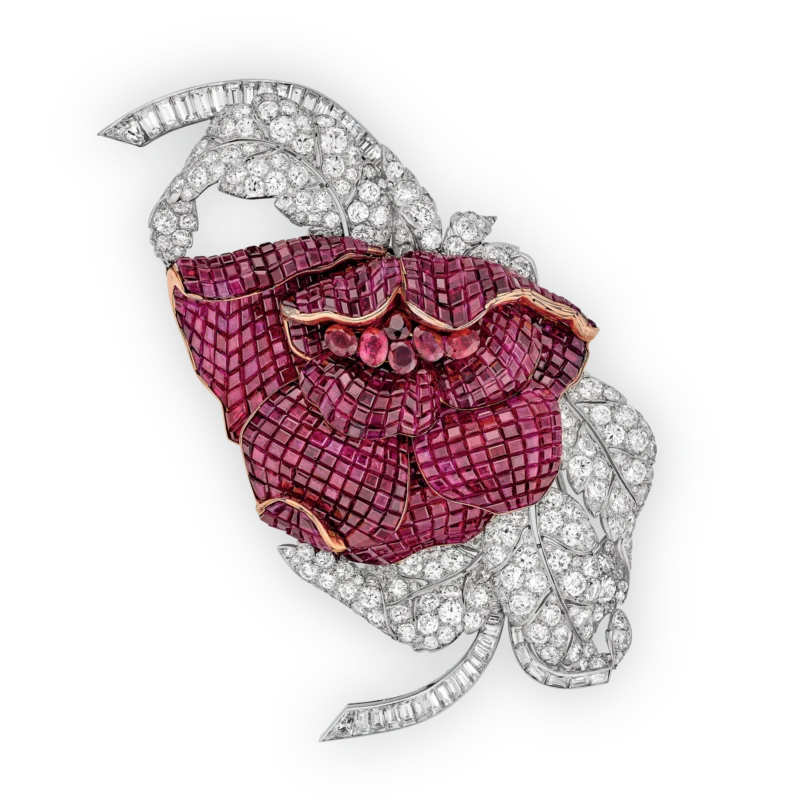
Van Cleef & Arpels Mystery Set Peony clip from 1937. Courtesy of Van Cleef & Arpels.
Strong objects reward precise looking. A Tank’s rectangle gathers case, dial and strap into one decision. A Mystery Set flower turns setting technique into the image itself. These are not automatic market conclusions. They are reasons to identify the correct question before trying to find a comparable.
When the design is understood, the record becomes easier to organise: which proportions, materials and period details must agree; which differences make an object distinct; and which claims should remain tentative.
The first collector’s worksheet
- Write the complete identity before searching broad model names.
- Separate observed facts from seller statements.
- Keep high-resolution front, back, marks and document images together.
- Ask which elements make the example comparable—and which make it singular.
- Use a specialist examination whenever the object or claim warrants it.
Price comes after definition
The most convincing collection is not the one with the loudest price history. It is the one whose objects remain legible: their design, condition, documents and changes can be described without leaning on borrowed certainty.
That is the calm advantage of reading first. You may still decide not to buy. The object has nevertheless taught you how it wants to be understood.
Research is most useful when it produces a better question rather than a faster verdict. If the dial appears unusual, ask whether the reference, period and available documentation make that appearance expected. If the stone seems exceptional, ask which laboratory or specialist record describes it, under which report type and at what date. If a catalogue repeats a historical claim, find the original source before allowing the repetition to become fact.
There is a practical rhythm to this work. First identify. Then photograph and compare. Then read the documents. Only after those steps is it sensible to look at transactions, and even then the comparable must share enough attributes to be meaningful. The discipline is quiet, but it has an emotional reward: the object becomes more interesting because its particulars are no longer hidden behind a generic story.
Collectors do not need to become laboratories or archives. They do need to know what those institutions can establish, and when a qualified specialist should take the conversation further. That boundary is a source of confidence, not a limitation. It turns a purchase from an assertion into an informed act of care.
Sources & further reading
This guide was rechecked on 12 September 2026 against official maison records, gemological guidance and auction condition material. The cited pages set the scope of their own evidence and do not authenticate or value an individual example. Photography is existing, governed official-source media retained with its original credit. No price target, resale forecast or investment recommendation is published.
The Edit
Insights & Investment stories
Selected stories from the same editorial universe.

Market Price Is Not One Number: Seven Values, Seven Different Jobs
Retail, asking price, estimate, hammer, premium-inclusive result, dealer offer and insurance value answer different

The TheTimeo Provenance Standard: What Should Travel With an Object
A collectible object needs more than a pile of accessories. Identity, ownership, service, condition,
How to Audit a Luxury Watch Listing: Nine Details That Matter
Before judging price, audit the listing: identity, configuration, condition, service, documents, photography, seller claims,

How to Read a Jewellery Auction Lot: Five Separate Lines of Evidence
A laboratory report, maker’s mark, condition note, repair record and provenance answer different questions.

Watch Documents and Provenance: Build the File, Test the Claims
A watch can become more captivating when its past comes into focus. An archive
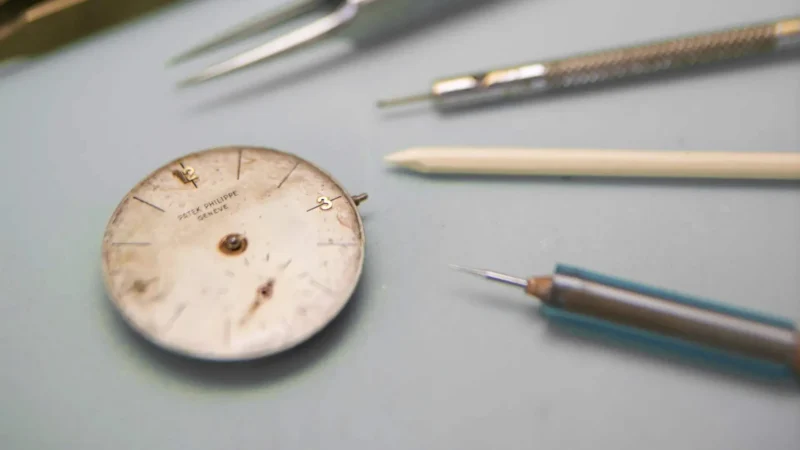
Watch Service History: Build a Record That Travels With the Object
The best service history reads like a biography of the watch. It shows how