
Insights & Investment
Responsible Luxury: Looking Beyond the Label
Beauty invites a closer look. A reader’s guide to the sourcing claims, standards and practical questions behind a fine watch or jewel.

BEAUTY DRAWS YOU IN. Understanding lets you stay.
A jewel can be loved for its colour, its proportions and the work of its setting. Asking where its materials came from gives that admiration another dimension.
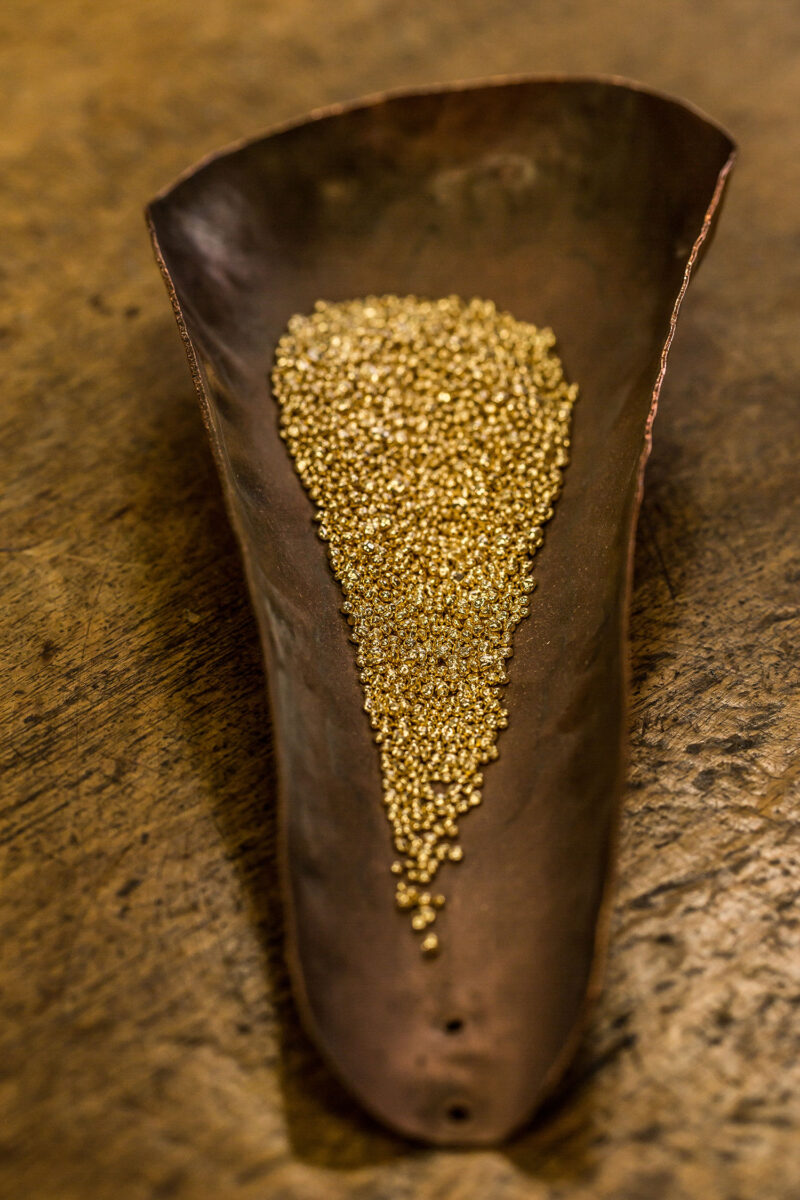


The question behind the sparkle
A coloured stone catches the light before it tells you anything about its journey. The setting gives it a place, the polish gives the metal a surface, and a jeweller’s decisions turn separate materials into something you want to wear. None of that pleasure has to disappear when you ask about sourcing. The question belongs beside the beauty, not in opposition to it.
Begin with the piece that interests you. “What does your sourcing statement cover here?” is more useful than asking whether an entire Maison is good or bad. It invites an explanation about the metal, the stones and the documents relevant to your enquiry. It also makes room for an honest limit: some information may describe a programme rather than the history of one finished jewel.
This guide is about reading that explanation. It does not award environmental scores or certify a purchase. The examples come from official brand and standards pages; the practical questions are our own editorial method. You can admire a jewel deeply while keeping the claims around it precise.
The object
A statement about a particular material or reference has a different scope from a statement about a collection. Ask the representative to connect the published wording to the piece you are considering, rather than letting a general campaign answer a specific question.
The programme
A Maison may describe a sourcing programme, a supplier requirement or an assessment process. Read what it actually says it does. A programme can be meaningful without becoming a complete origin record for every material in every item.
The standard
Identify the name of the standard, the type of certification and its stated scope. RJC’s Code of Practices and Chain of Custody serve different purposes. Do not treat their names as interchangeable shorthand for a product-level promise.
The ambition
A dated target describes an intended change, not an achieved result. Look for a later report or a current statement before repeating it as an outcome. Keep the date attached; a future commitment can otherwise quietly become a supposed fact.
A useful example: gold with an explanation
Chopard states that its workshops have used what it defines as ethical gold since July 2018. Its Rethinking Our Products page describes two supply chains: artisanal gold accredited by Swiss Better Gold, and RJC Chain of Custody-certified gold purchased from certified refineries. These are the Maison’s published sourcing statements, not a conclusion reached by TheTimeo after auditing its operations.
The useful part for a reader is the specificity. Instead of stopping at the adjective “ethical”, you have names and routes to ask about. Which programme is relevant to the creation you are discussing? What information can the Maison provide? Does the answer concern the metal entering its workshops, or a document supplied with your individual purchase?
Do not extend the gold statement to every other material by association. A jewel may contain several things you would like to understand. Ask about the stones separately, with the same care you give to their colour and setting. If a representative cannot make a piece-specific connection, retain the general statement as general information; do not supply the missing connection yourself.
Name the piece
Bring the reference or product page to the conversation. Explain which detail matters to you: gold sourcing, a coloured stone’s disclosed origin or the meaning of a certification claim. A focused question gives the person answering something concrete to work with.
Keep the wording
Save the relevant official page and its date. Distinguish a quotation from your interpretation. If the statement is important to your decision, ask for it in writing rather than relying on a phrase remembered from a pleasant appointment.
Identify the scope
Ask whether the claim covers a material, a facility, a company or a product. These can all be relevant, but they answer different questions. The explanation should make the level clear without requiring you to guess from a logo.
Ask what supports it
Request the document or official explanation appropriate to the claim. Not every enquiry will produce a private supply-chain file, and you need not demand confidential supplier information. You do need to know what the public statement is based on.
Leave room for limits
Note what has not been established. A clear boundary is more useful than an assurance that tries to answer everything at once. Decide whether the information provided addresses your concern, and whether further advice would help.
Make your own choice
Return to the piece: its design, wearability, workmanship and the explanation you received. Consider those together without turning a sourcing adjective into a promise of future value or a reason to purchase something you do not really want.
Why the name of the standard matters
RJC describes its Code of Practices as a standard for responsible business practices covering ethical, social, human-rights and environmental matters. Its Chain of Custody page describes an approach to handling and trading specified precious metals with traceability and responsible sourcing. The distinction is useful before you ask what a particular certificate supports.
For a purchase enquiry, ask to see the relevant certification information and its scope. Read the entity named, the covered activity and the period shown. This is a practical reading method, not a legal interpretation of certification. If a representative refers you to the standards body’s public information, use that primary source rather than a retailer’s abbreviated explanation.
A logo should prompt a better question, not end the conversation. Equally, the absence of a document in your hand does not justify inventing an allegation about the supplier. Keep the conclusion proportionate to the evidence available. You are deciding whether you understand the purchase, not conducting a trial at the counter.
The finished piece still deserves your attention
Chopard’s product page also describes a life-cycle assessment for its Ice Cube jewellery collection. That is a different kind of information from a material’s origin: it concerns assessment of a product through a wider set of stages. Do not turn the existence of an assessment into an unquoted claim that a piece has no environmental impact.
This wider view can be a useful prompt for ownership questions. Ask what service is available, whether a ring can be adjusted appropriately, and where to seek advice if the piece needs attention. These are practical considerations for a jewel you intend to live with; they are not an environmental calculation.
Look closely while you have the opportunity. Notice the setting from the side, the balance of a clasp and how the piece rests when worn. The desire to own something well made is not less legitimate because you also want a good explanation of its materials. The two conversations can share the same table.
01Does “ethical” mean the same thing in every statement?
Do not assume so. Ask the maker to define the word as used in its published claim and identify the relevant programme or standard. This guide attributes Chopard’s definition to Chopard; it does not substitute it for every other supplier’s wording.
02Is a sourcing claim an investment argument?
No future return follows from the sourcing information in this guide. Consider it for the question it answers about the material or programme. Price, ownership costs and any subsequent sale require their own evidence and should not be inferred from an environmental label.
03Must I understand every technical document before buying?
You can start with the questions that matter to you and ask for a plain explanation. For a substantial purchase or an unresolved concern, consider suitably qualified independent advice. There is no obligation to decide before you understand the answer.
Admiration with a firmer footing
The most satisfying explanation does not compete with the jewel for your attention. It adds something you can understand and retain: a named route, a clear scope, a document or a candid boundary. You still choose the colour, the proportions and the feeling of wearing it.
Keep the answer with the purchase records. When you return to the piece later, you will have both the pleasure of the object and a more careful account of what was actually said about it.
Sources & credits
Sources & further reading
Sources checked directly on 13 September 2026. Chopard provides an attributed example of gold sourcing and product assessment. RJC’s own pages establish the different purposes of its two standards. This is not a certification verdict on an individual piece or a ranking of Maisons.
- Chopard — Responsible Sourcing
- Chopard — Rethinking Our Products
- RJC — Chain of Custody
- RJC — Code of Practices
The questions and purchasing considerations are TheTimeo editorial method. Brand statements are attributed, not presented as an independent environmental audit. Original official photographs, credits, source pages and file hashes are recorded in the media provenance. Photographs illustrate objects and making; they do not certify sourcing or recycled content. No generated imagery or generative editing was used.
Let the explanation be as carefully made as the object.
TheTimeo — editorial sourcing principle
Further stories from this world

Insights & Investment
How to Audit a Luxury Watch Listing: Nine Details That Matter

Insights & Investment
Selling a Luxury Watch: The Five Layers of a Trusted Sale

Insights & Investment
Phillips New York Watch Auction XIV: Beyond the Record Total

Insights & Investment

