Insights & Investment
Collector Events: Choosing the Visits Worth Your Time
A thoughtful guide to watch fairs, craft demonstrations and auction previews: what to see, what to ask and how to bring something useful home.
LOOK CLOSELY. Leave with a better eye.
The pleasure of a collecting event is being there: seeing the proportions, hearing the explanation and finding a question you had not thought to ask.
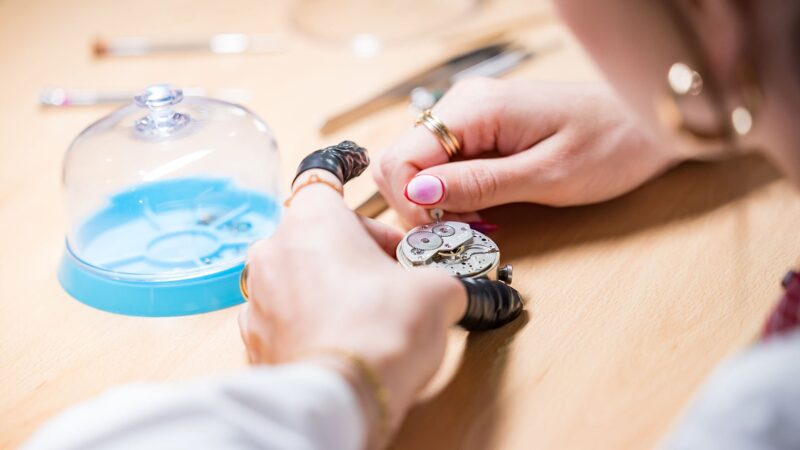
A day with something to bring home
A watch can look entirely different a few centimetres from your wrist. A case that seemed substantial in a photograph may sit quietly beneath a cuff; a dial you had barely noticed may hold your attention for several minutes. That is a good reason to go to a collecting event. Not every worthwhile visit ends with a purchase. Sometimes it ends with a more precise idea of what you want.
Choose an event around that idea. You might want to compare shapes, understand a finishing technique, see an older reference or ask someone who works on movements how a mechanism behaves. A crowded calendar is not a collecting strategy. One well-chosen appointment, with enough time to look properly, can be more rewarding than a day spent hurrying between names.
This is an evergreen visiting guide, not a ranking of invitations. The 2026 programmes cited here are documented examples of what different settings can offer. They are not booking advice for a future edition, and an event’s prestige says nothing by itself about access to stock.
See the proportions
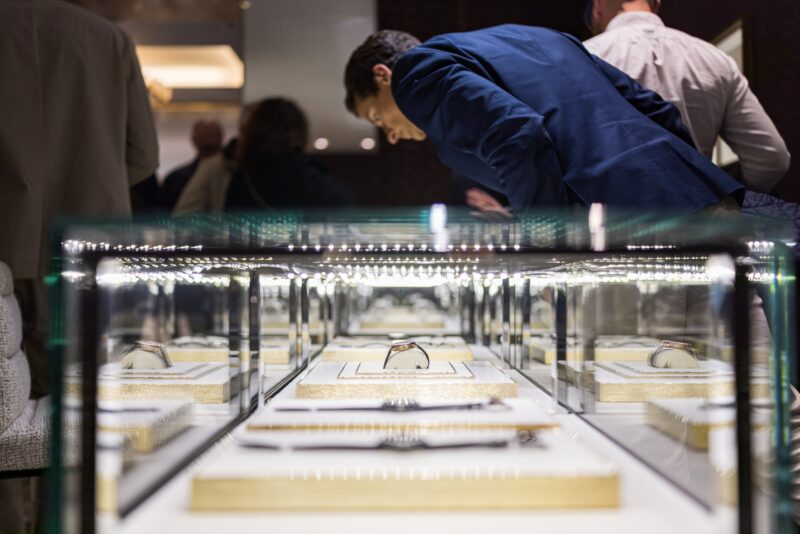
If photographs have narrowed your shortlist, use the visit to test it. Look at the side of the case as well as the dial. Ask whether handling or trying on the displayed example is permitted; do not assume that everything in a showcase is available to wear.
Understand the work
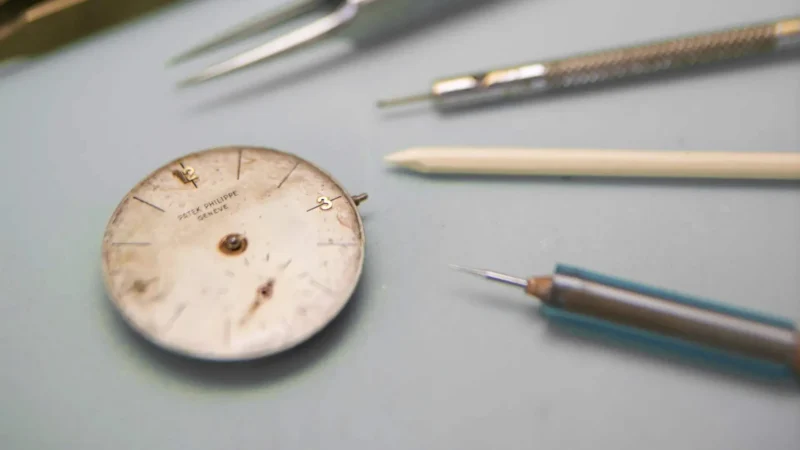
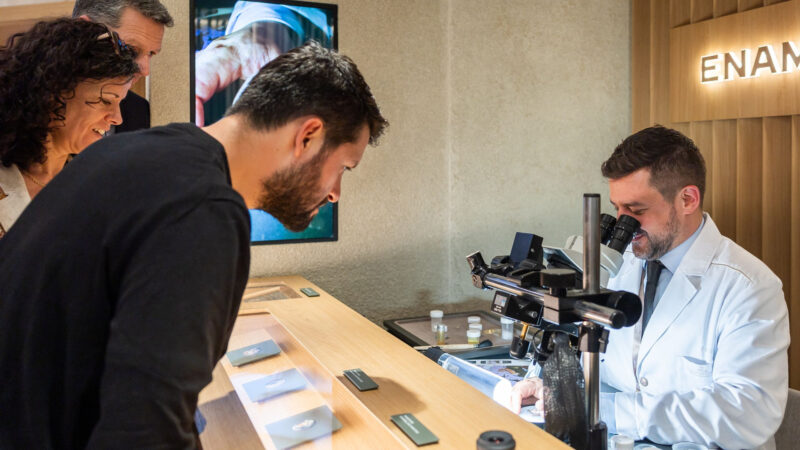
A demonstration gives a technical question a human scale. Watch the gesture before asking about it. A short, specific exchange about one operation can teach you more than a request to explain an entire manufacture.
Place an object in context
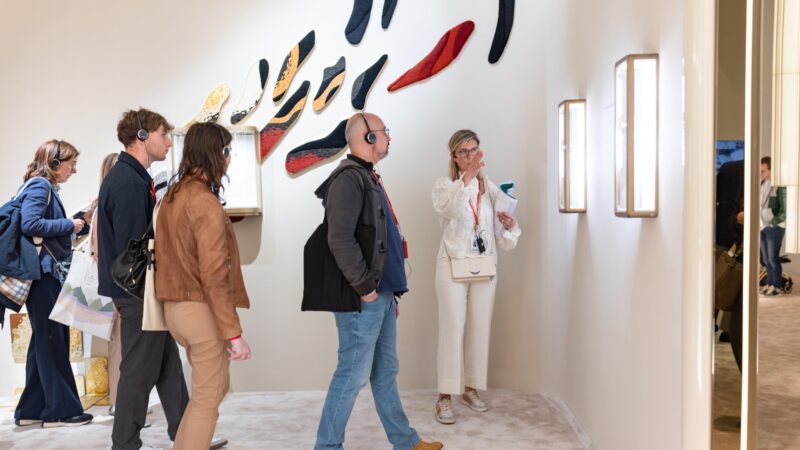
An exhibition can help you compare periods, materials and design choices without the pressure to buy. Give a neighbouring object the same attention as the one you came to see; it may explain what makes your favourite distinctive.
Prepare for a decision
An auction preview serves a different purpose from a launch presentation. Arrive with the lot number and questions about that particular example. Confirm viewing arrangements with the auction house rather than treating a calendar listing as an appointment.
Read the programme, not the promise
Watches and Wonders’ retrospective Geneva 2026 programme documents product presentations, guided tours, the LAB, craft demonstrations and a bookshop. Its In the City page describes boutique activities, watchmaking workshops and heritage tours. These are different ways of spending a visit, even within the same event week. Choose between them according to what you want to learn.
For a first visit, consider pairing a broad introduction with one focused session. A tour can supply vocabulary; a demonstration lets you test whether you have understood it. For someone who already knows the collections, an unhurried conversation about a detail may be a better use of time than another general presentation. Neither route requires pretending to know more than you do.
Read the practical information for the exact edition. Check whether an activity needs a separate reservation, whether it takes place inside the main venue or elsewhere, and which language is used. Keep the confirmation itself. A screenshot of an announcement is less useful at the door than the actual ticket or appointment message. These are planning recommendations, not universal organiser rules.
01 — The purpose
Write one sentence before choosing the day: “I want to compare compact cases,” or “I want to understand how this finish is made.” Let it guide the shortlist without making the visit rigid. Leave room for an unexpected conversation.
02 — The right edition
Use the organiser’s own current pages for dates, public access and reservations. Archived programmes can be useful research, but they are not evidence that an activity will return or that its previous access conditions still apply.
03 — Two priorities
Select two visits that genuinely matter to you before filling the gaps. Allow time between venues and sessions. A beautiful object deserves more than the few minutes left after a late arrival.
04 — A useful question
Bring a question that belongs in that setting. Ask a demonstrator about the operation in front of you, a brand representative about the reference being shown, or an auction specialist about the lot you have requested to view.
05 — Clear notes
Record the reference, the date and the name or role of the person who answered. Separate your impression from their explanation. If something will influence a purchase, ask for the relevant document or written confirmation.
06 — A quiet comparison
Afterwards, revisit the shortlist without the noise of the room. What changed when you saw the object? What remains unanswered? Keep those questions for a follow-up instead of turning an enjoyable afternoon into an immediate commitment.
Make space for looking
The first few seconds are often about recognition: a familiar bezel, a dial colour, the silhouette of a bracelet. Stay a little longer. Notice how the light moves across the surfaces, where the design becomes thin or substantial, and whether the object feels as balanced from the side as it does from the front. Those observations are your own; record them as impressions rather than technical verdicts.
At a demonstration, resist the urge to photograph every stage before you have watched it. Ask permission before taking pictures, particularly where people, screens or customer property are visible. If photography is not allowed, a brief note can preserve the question just as well. The point is to leave able to describe something you actually saw.
Be considerate with time. If others are waiting, ask the question that matters most and arrange a follow-up for the rest. An honest “I do not understand that term” is more useful than a long preamble designed to signal expertise. The best exchange is one in which the explanation fits the person listening.
An auction preview is its own kind of visit
Phillips’ watch department lists live auctions and timed online sales separately. Before travelling, open the specific sale page and confirm what can be viewed, where and when. Its Geneva online watch conditions explicitly caution that online-only lots are not available for viewing unless the online saleroom says otherwise. Do not assume a physical exhibition includes every lot.
If a particular watch is the reason for the visit, send its lot number in advance. Ask for the condition report and identify the detail you would like to examine. Seeing a watch is not the same as being registered to bid, and a cordial conversation with a specialist is not confirmation of a purchase. Our auction buying guide takes that next stage separately.
You can also attend simply to learn. Compare the catalogue description with the example in front of you and note the questions that arise. There is no need to turn every moment of interest into a bidding plan. An event can sharpen your judgement before you are ready to use it.
01Does an invitation imply buying priority?
No buying priority should be inferred from an invitation alone. Ask what the invitation actually covers: entry, a presentation, a handling session or an appointment. If a purchase is discussed, confirm the commercial terms separately and in writing.
02Can an older programme still be useful?
Yes, as a record of what that edition offered. Use it to identify the kind of experience you enjoy, then verify the next edition independently. Do not transfer dates, ticket conditions or workshop availability from an archive.
03What if I am only beginning to collect?
Choose a setting where you can ask straightforward questions and see objects without rushing. A tour or demonstration may suit you better than a highly compressed appointment. Bring curiosity, a modest shortlist and permission to change your mind.
The visit that stays with you
A collecting event is worth remembering for a detail, not merely for its guest list. Perhaps you saw a movement being worked on, discovered why a case feels right, or heard an explanation that made a difficult term suddenly clear. Those experiences give the next decision a firmer footing.
Before closing your notes, write down one thing you would like to see again. That is often the most useful souvenir: not a claim that you have found the best watch, but a clearer sense of what deserves another look.
Sources & credits
Sources & further reading
Reviewed on 13 September 2026. The organiser’s retrospective Geneva 2026 pages supply examples, not a list of forthcoming dates. Check the organiser’s current edition before making travel or ticket arrangements. Phillips supplies the distinction between auction formats; individual sales have their own viewing arrangements.
- Watches and Wonders — Geneva 2026 programme
- Watches and Wonders — Geneva 2026 event
- Watches and Wonders — Geneva 2026 practical information
- Watches and Wonders — Geneva 2026 In the City
- Phillips — Watches department
- Phillips — Geneva online watch conditions
Photographs were downloaded directly from the official publishers; original files, source pages and verification hashes are recorded with the media. They illustrate the guide, not an offer of sale or a promise of access. The practical questions and recommendations are TheTimeo editorial method. No investment-return forecast or preferential allocation claim is made.
Choose the visit for what you want to understand, not for the invitation you want to display.
TheTimeo — editorial visiting principle
Further stories from this world

Insights & Investment
The TheTimeo Provenance Standard: What Should Travel With an Object

Insights & Investment
How to Audit a Luxury Watch Listing: Nine Details That Matter

Insights & Investment
Auction Estimates, Hammer Price and Buyer’s Premium Explained

Insights & Investment