Insights & Investment
Building a Watch Collection: A Point of View, Not a Checklist
Start with a watch you want to wear. Then explore proportion, mechanisms and the differences that make a collection feel personal rather than prescribed.
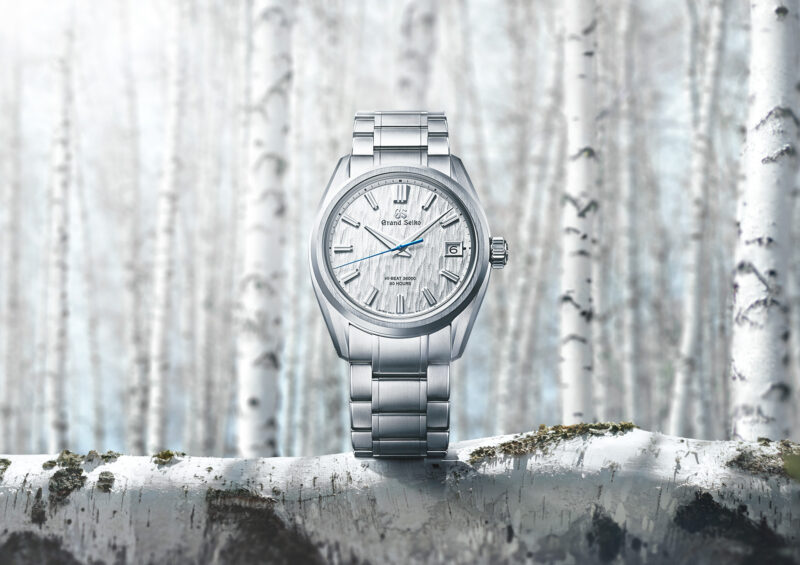
One watch. Several ways of looking.
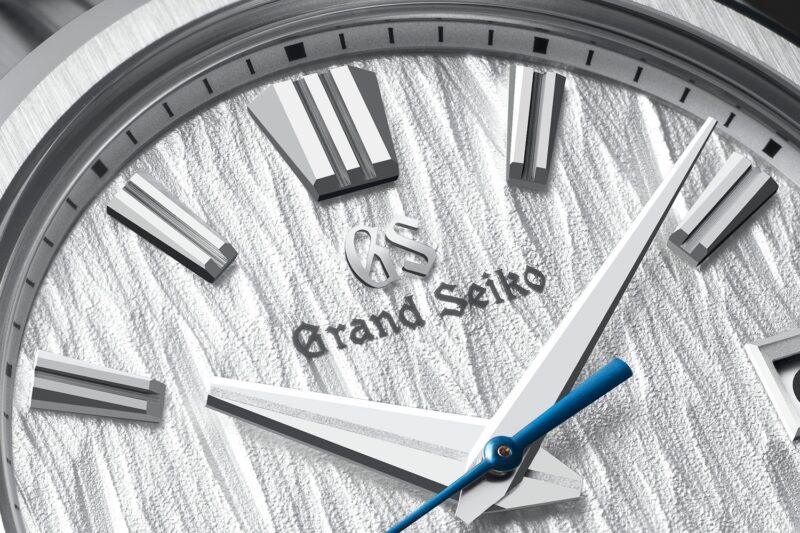
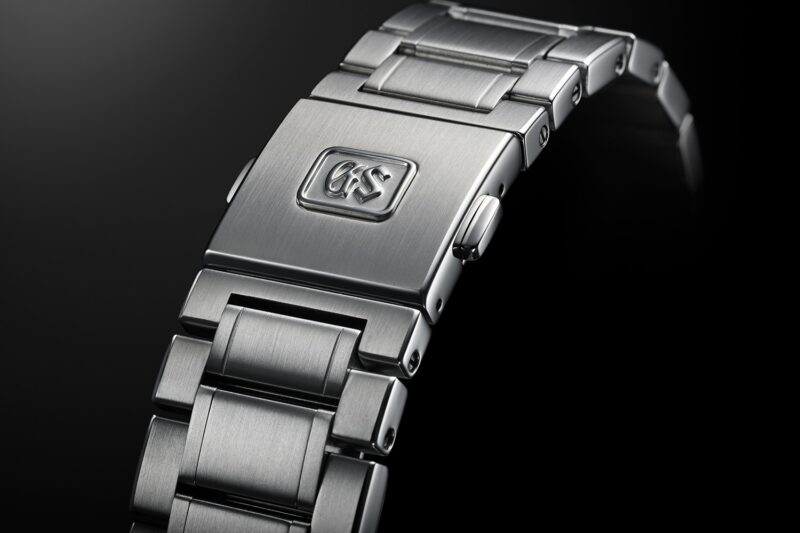
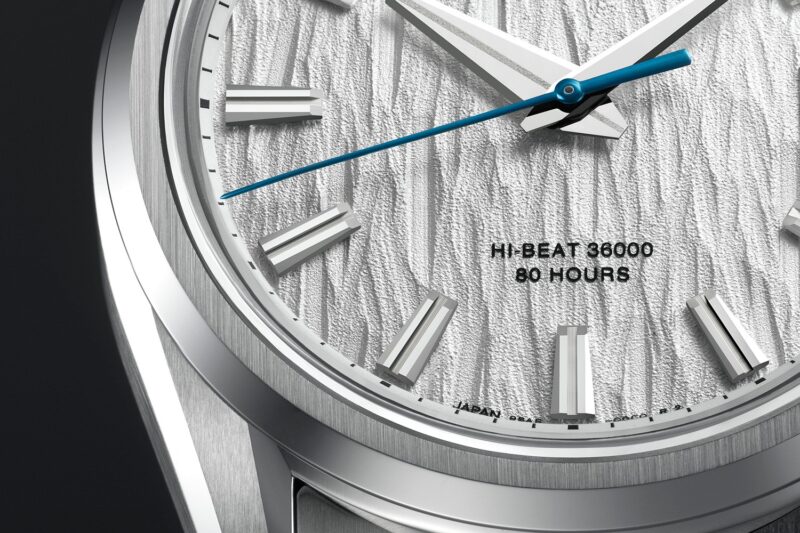
The Grand Seiko SLGH005 is used as a close-reading example: overall proportion, dial, case details and clasp. These official photographs show how much there is to consider within one reference; this is not a prescribed collection or a ranking of brands.

Begin with the watch you would reach for
There is a difference between recognising a great watch and wanting it beside you every day. The first can happen across a room. The second often takes a little longer: fastening the clasp, seeing the dial in daylight, noticing how the case sits beneath a cuff. A collection can begin there, with one well-considered choice rather than a list of names to acquire.
You do not have to cover every category or arrive at a predetermined number. Three closely related watches may express a deeper interest than ten unrelated purchases. One watch worn often may be a better beginning than several bought to make a watch box look complete. Decide what interests you before deciding what is missing.
The suggestions below are an editorial framework for choosing and living with watches. They are not portfolio allocations, a prediction of resale performance or a claim that an expensive collection is necessarily a good one.
Give the collection a point of view
Try describing your interest without naming a brand. Perhaps it is restrained dial design, Japanese watchmaking, hand-wound movements, early sports-watch proportions or the way a bracelet becomes part of a case. If the sentence feels too narrow, change it. It only needs to guide your next decision, not govern the rest of your life.
This is useful for an experienced collector too. When a proposed purchase appears, ask what it adds to the interest you already have. A subtle variation may be exactly the point. Equally, another version of a familiar watch may add little beyond the pleasure of the chase. Neither answer is wrong if it is genuinely yours.
Four ways to make a collection personal
These are possible organising ideas, not compulsory categories. Pick the one that makes you want to look more closely. More than one can coexist, provided the distinction helps rather than turning collecting into homework.
By design
Follow proportions, dials or bracelet construction across references. Compare how each watch resolves the same visual problem rather than counting different logos. Small differences can sustain a serious interest.
By mechanism
Explore how watches produce and regulate their motion. Choose functions and winding habits you enjoy using. An unfamiliar mechanism should invite learning, not become a badge you feel obliged to own.
By a period or maker
Study a coherent group with reliable reference material. Record what is known and what remains uncertain. Historical curiosity can be a direction without requiring every example to be bought.
By your own life
Choose watches that suit the occasions and habits that matter to you. A gift, a journey or an achievement may give one piece a place no technical comparison can take away.
Learn to read one watch before comparing twenty
Grand Seiko’s SLGH005 makes a useful example because its description offers several different lines of enquiry. The official reference page lists a steel case 40 mm in diameter, 47 mm lug-to-lug and 11.7 mm thick. Inside is the automatic high-beat 9SA5, running at 36,000 vibrations per hour with approximately 80 hours of reserve when fully wound. The silvery dial takes its pattern from white birch forests near the mechanical-watch studio in Shizukuishi.
Those details do different jobs. The dial describes a visual idea; the dimensions help you prepare for a fitting; the calibre explains the mechanism. None proves that the watch will be comfortable on your particular wrist. None tells you whether it belongs in your collection. They are starting points for comparison and experience.
Look again at the photographs. Move from the whole watch to the printing, hands, case surfaces and clasp. Ask which details draw you back and which you would barely notice in daily use. A reference that survives this slower inspection is more interesting than one chosen only because its nickname is familiar.
Different mechanisms offer different pleasures
Keep power source and regulation separate when learning movement terminology. Grand Seiko’s mechanical explanation describes mainspring power controlled through a mechanical escapement and balance. Its Spring Drive material describes mainspring power combined with electronic regulation and a continuously gliding seconds hand. Its 9F material concerns quartz watchmaking. These are distinct approaches within one manufacturer, not a hierarchy that every collector must accept.
You might enjoy winding a watch by hand, prefer an automatic for frequent wear or want the convenience of a quartz reference. Ask what the exact model requires when it has stopped and how its functions are set. A technically impressive watch is not a rewarding addition if its everyday use continually irritates you.
Compare specifications on their stated basis. Reserve when fully wound, performance under laboratory conditions and behaviour in normal use answer different questions. Read the current reference sheet and instructions; do not transfer the specifications of one calibre to an entire collection.
Make the next purchase a clear decision
Before looking for a second or tenth watch, write down what it needs to add. Then keep the practical questions short enough to use. The six prompts below are TheTimeo’s working method; they are not an allocation model or a universal test of taste.
Its place
Name the reason for this addition: a design interest, a useful function, a meaningful occasion or a deliberate variation. “Everyone says I need one” is a reason to pause and look again.
Its fit
Try the exact model when possible. Consider case thickness, lug-to-lug distance, bracelet adjustment and clasp. Spend time with the watch at normal viewing distance, not only through a macro photograph.
Its operation
Find the instructions before committing. Understand winding, setting and any function-specific precautions. Choose a level of interaction that suits you rather than a complication you feel obliged to admire.
Its condition
For pre-owned pieces, separate the reference from the individual example. Examine the disclosed configuration, service history and condition. Resolve significant uncertainties with a qualified specialist before payment.
Its full cost
Set an amount you are comfortable spending without depending on a future sale. Ask about foreseeable service, sizing, accessories and acquisition costs. A purchase should remain sensible if its resale price falls.
Its record
Keep the invoice, reference information, private identifiers and relevant documents together. Add service correspondence as ownership continues. Separate personal memories from factual claims about the watch.
Let wearing change the plan
After the first purchase, resist the urge to fill the next space immediately. Wear the watch through ordinary days. Notice what delights you and what you would change: weight, legibility, dial colour, winding routine, bracelet or strap. This is information that no buying guide can gather on your behalf.
The next choice can answer what you have learned. It might be a contrasting watch, a closely related reference or nothing at all for a while. Keeping money unspent is compatible with being an engaged collector. Looking, reading and visiting exhibitions are part of the interest, even when no watch comes home.
Questions that need no prescribed answer
The right size of a collection and the right pace of acquisition depend on the person living with it. These answers are intentionally permissive. They leave room for judgement without abandoning the practical work.
01Should my first watch be an established classic?
It can be, if the watch genuinely suits your interest and use. A recognisable reference may offer accessible reading material, but reputation does not replace fitting, operation or examination of a pre-owned example.
02Do I need a dress watch, a sports watch and a complication?
No. Those are useful descriptive categories, not admission requirements. Build the collection around what you want to study and wear; add variety when it creates pleasure or serves a purpose.
03When is a collection complete?
You can decide it is complete for now. A collection need not grow every year to remain interesting. You may deepen your understanding of the watches you have, change direction or choose to sell a piece after considering the practical consequences.
The collection is lived, not merely displayed
A watch box records possessions. It cannot show which watch you fasten before an important dinner, which dial still catches your eye at a desk, or which piece brings someone to mind. Those connections give the collection its character.
Choose with enough care to understand what you own and enough freedom to enjoy it. Over time, the watches may reveal a pattern you could not have prescribed at the beginning. That is a good reason to keep looking — and an equally good reason not to hurry.
Sources & credits
Sources & further reading
Methodology and sources. Rechecked on 13 September 2026 against Grand Seiko’s official SLGH005 reference page and explanations of mechanical, Spring Drive and quartz watchmaking, with the collections page as catalogue context. Technical figures apply only to the named reference and their stated conditions. The SLGH005 photographs are a close-reading example, not a brand ranking, a suggested portfolio or evidence of a collector’s own watch. Official source URLs, credits, dimensions and hashes are retained. Organising ideas, purchase prompts and reflections on wearing are TheTimeo’s editorial method. No scarcity, resale-price or investment-return claim is included.
A collection becomes yours through the choices you make — including the watches you leave behind.
TheTimeo — editorial collecting principle
Further stories from this world

Insights & Investment
Market Price Is Not One Number: Seven Values, Seven Different Jobs

Insights & Investment
The TheTimeo Provenance Standard: What Should Travel With an Object

Insights & Investment
How to Audit a Luxury Watch Listing: Nine Details That Matter

Insights & Investment