
TheTimeo / TheTimeo Encyclopedia
GIRARD-PERREGAUX:
mechanics turned into architecture
An evergreen guide to Girard-Perregaux: the Bautte and Girard-Perregaux lineages, Three Bridges, movement manufacture, Laureato and collector checks.
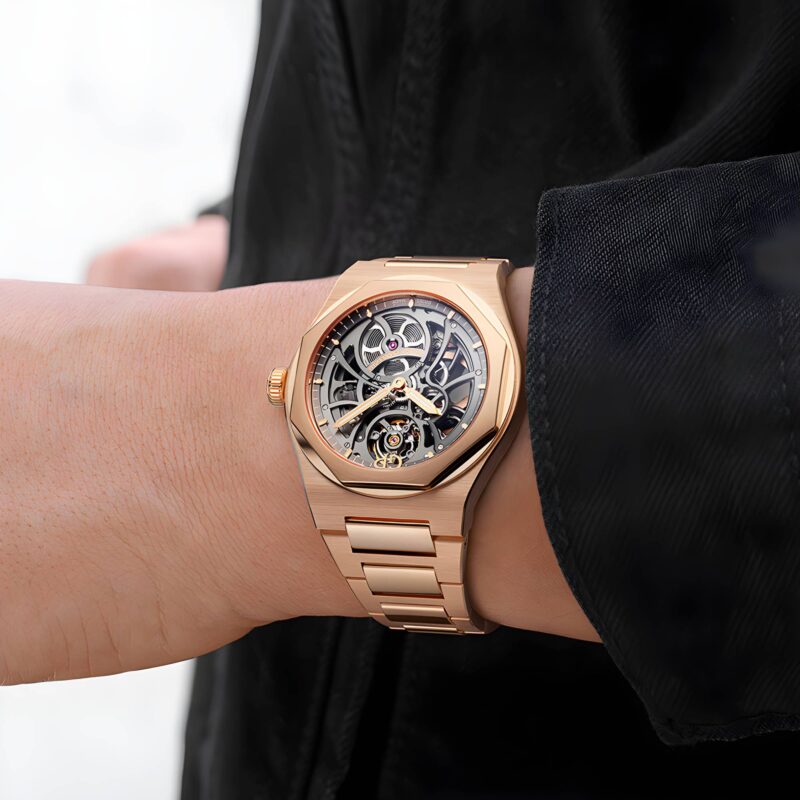
Girard-Perregaux Laureato Fifty. Courtesy of Girard-Perregaux.
Explore the story
Girard-Perregaux is a Swiss watch manufacture whose official history joins the Geneva lineage of Jean-François Bautte, dated to 1791, with the nineteenth-century work of Constant Girard and Marie Perregaux. Its clearest design principle is structural: Three Bridges move supporting components into view, while the Laureato turns an octagonal bezel and integrated bracelet into one continuous exterior.
This guide states that lineage carefully. The current name was formed in the nineteenth century; 1791 refers to the Bautte origin claimed within the house history. Individual watches still require reference, calibre, serial information and documentary evidence.
Definition and scope
Girard-Perregaux designs and produces movements and complete watches in La Chaux-de-Fonds. Its catalogue ranges from classical 1966 references to Bridges complications, Laureato sports watches, Vintage 1945 and experimental escapements.
Across these different forms, components are often arranged as visible design. A bridge can support the train and organise the dial-side image; a bezel can control both case assembly and visual proportion. Function and appearance should therefore be described together.
Foundation and historical development
- 1791: Jean-François Bautte signed early work in Geneva; Girard-Perregaux traces its origins to his enterprise.
- 1856: Constant Girard married Marie Perregaux and the Girard-Perregaux name emerged from their joined family histories.
- 1867: Constant Girard presented a tourbillon movement organised by three parallel bridges.
- 1889: La Esmeralda expressed that architecture through three arrow-shaped gold bridges.
- 1950: the Gyromatic system developed the manufacture’s automatic-winding work.
- 1965–1966: high-frequency mechanical movements operating at 36,000 vibrations per hour became an important technical chapter.
- 1971: the house adopted 32,768 Hz for a quartz movement, a frequency that became widely used.
- 1975: the first Laureato introduced its octagonal-bezel and integrated-bracelet design.
The chronology combines predecessor and named-company histories; it is not evidence that every object marked Girard-Perregaux dates directly to 1791.
Aesthetic and design identity
Making the structure visible
Three Bridges turn normally subordinate supports into the movement’s dominant visual axes. Parallel placement creates order and reveals the tourbillon, barrel and train. Modern interpretations may use gold, titanium or other treatments and can be flying or conventionally supported.
Geometry in the Laureato
The Laureato layers an octagonal bezel over a circular opening and integrates the case into the bracelet. Polished and satin surfaces separate planes. Proportion changes with diameter, thickness, bezel width and first-link articulation.
Historic form without one house style
Vintage 1945 uses curved rectangular Art Deco references; 1966 is restrained and round; Bridges is openly mechanical. Their difference is useful: the manufacture is better understood through recurring construction principles than one silhouette.
Technical and manufacturing ideas
- Tourbillon with Three Bridges
The bridges support movement components while forming the display architecture. Finishing includes flat surfaces, bevels, flanks and screw seats. Wear, refinishing or replacement can change geometry and should be assessed by a specialist.
- Gyromatic and high frequency
Gyromatic identifies an automatic-winding system in the house history, while later high-frequency calibres increased the oscillator rate to 36,000 vibrations per hour. Neither term identifies a watch without its calibre and reference.
- Calibre GP01800
Laureato reference 81010-52-3118-1CM uses the automatic GP01800. The official record specifies a 30 mm movement, 4 Hz frequency, 191 components and 28 jewels. Those figures belong to that configuration and not every Laureato.
Fundamental collections and models
Three Bridges and La Esmeralda
La Esmeralda is the historic pocket-watch expression associated with the 1889 form. Contemporary Bridges watches reinterpret the architecture across different cases and movement constructions.
Laureato
Introduced in 1975 and developed through several generations. Record diameter, bezel and bracelet material, dial, calibre, water resistance and whether the watch is time-only, chronograph, skeleton or complicated.
1966 and Vintage 1945
1966 references classical round watchmaking; Vintage 1945 uses curved rectangular cases and period typography. Complications and movement specifications vary within both families.
Constant Escapement
The Constant Escapement L.M. and later Neo Constant Escapement use a silicon blade system to deliver energy differently from a conventional Swiss lever. Identify the exact generation and documented patents rather than generalising the name.
What matters to a collector
- State the historical lineage precisely
Use 1791 for the Bautte origin in the official house genealogy, not as an automatic production date for Girard-Perregaux-signed objects. Record the specific maker, signature and period evidence.
- Read finish and geometry together
On Laureato, inspect bezel facets, transitions between polish and satin, bracelet taper and first-link movement. On Bridges, examine bevels, bridge alignment and screw seats without touching exposed components.
- Keep calibre and service evidence
Photograph reference and movement information when appropriately accessible. Retain timing results, water tests, invoices and replaced components where available. Specialist movements require relevant service competence.
Terminology and related references
- Three Bridges: a movement architecture in which aligned bridges become visible structural and aesthetic elements.
- Gyromatic: Girard-Perregaux’s historic automatic-winding system name.
- High frequency: an oscillator rate described numerically; the cited house chapter uses 36,000 vibrations per hour.
- Integrated bracelet: a bracelet whose first links form a continuous design with the case.
- Related reading: tourbillons, escapements, movement finishing, quartz frequency, bracelets and conservation.
Sources & further reading
This evergreen guide was rechecked on 11 September 2026 against Girard-Perregaux’s official history, movement-manufacture account, Laureato history and reference 81010-52-3118-1CM. The 1791 date is presented as the Bautte lineage, while specifications remain tied to named calibres and references. The text does not authenticate or grade an individual watch.
- Girard-Perregaux — Crafting history
- Girard-Perregaux — Manufacture movements
- Girard-Perregaux — Laureato history
- Girard-Perregaux — Laureato 42 mm 81010-52-3118-1CM
Media: official Laureato photography retained as WordPress media 6595 and reverified against its governed manufacturer source and file hash.
The Edit
TheTimeo Encyclopedia stories
Selected stories from the same editorial universe.
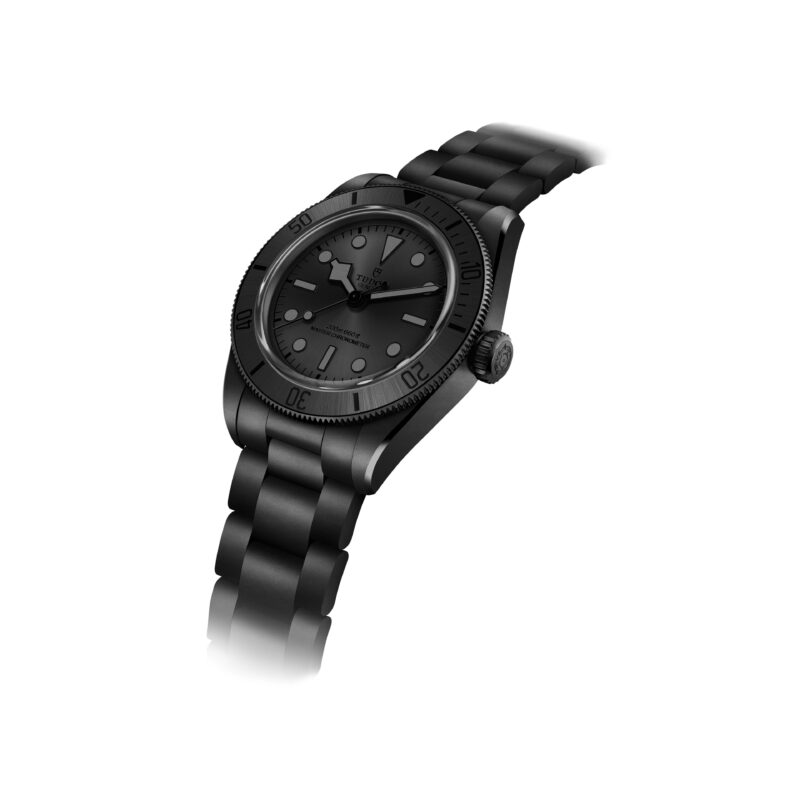
Tudor: tool-watch clarity and modern manufacture
An evergreen guide to Tudor: its 1926 origins, Oyster Prince and diving-watch history, Black
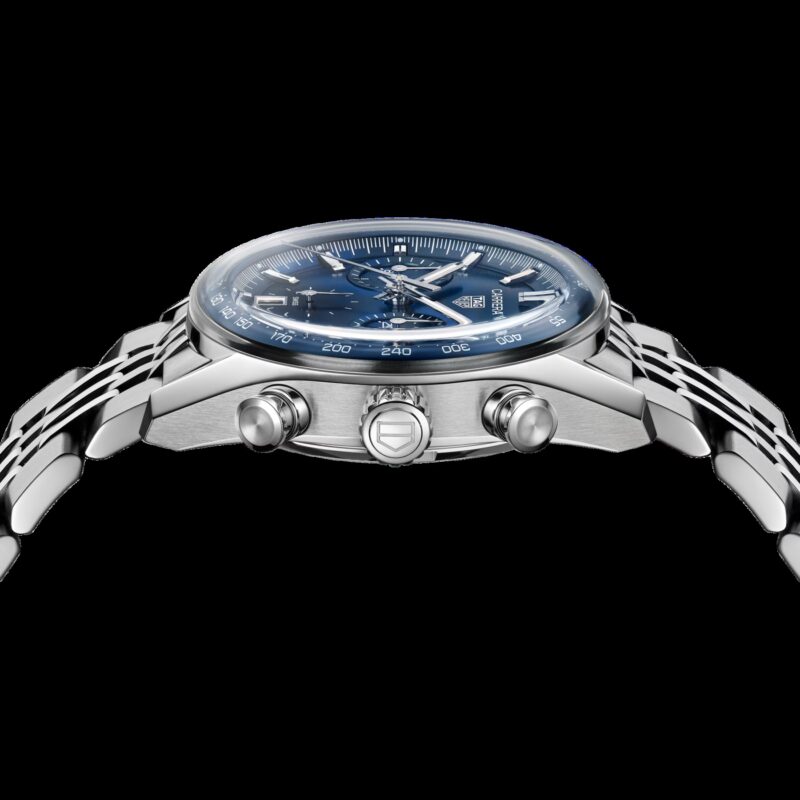
TAG Heuer: chronographs, instruments and design systems
An evergreen guide to TAG Heuer: its 1860 origins, timing instruments, Carrera and Monaco
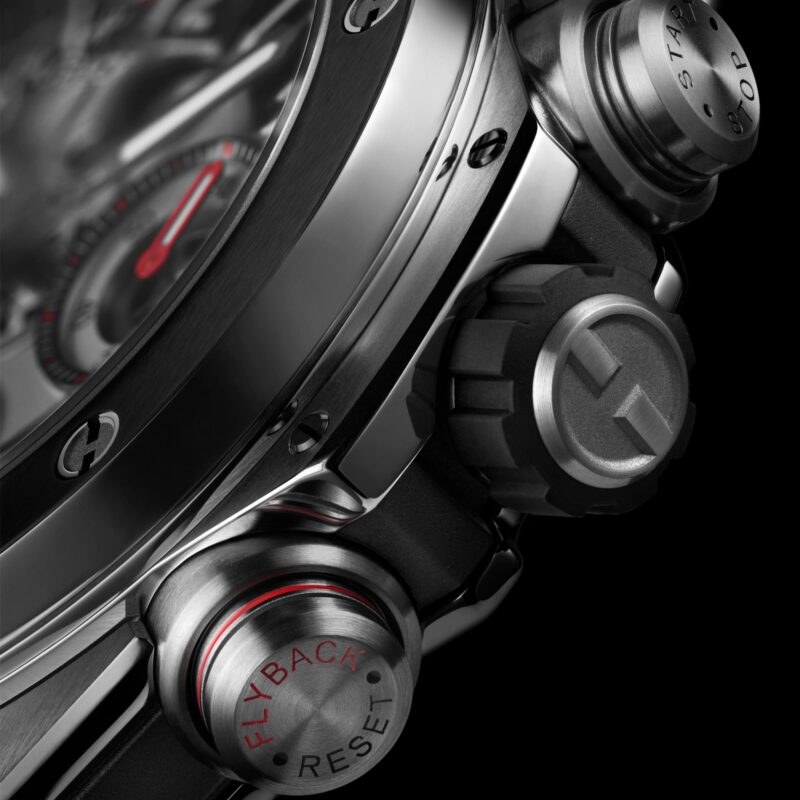
Hublot: material fusion, Big Bang and Unico
An evergreen guide to Hublot: the 1980 gold-and-rubber premise, Big Bang architecture, Unico chronographs,
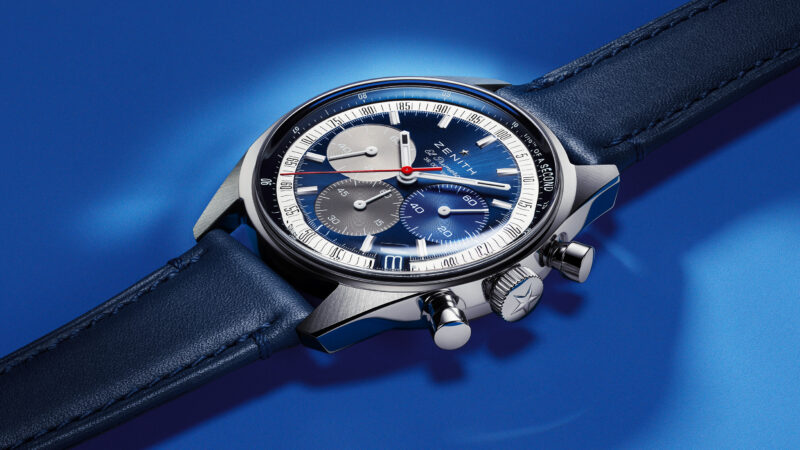
Zenith: El Primero and high-frequency chronography
An evergreen guide to Zenith: the Le Locle manufacture, El Primero, high-frequency chronography, defining