
TheTimeo / TheTimeo Encyclopedia
ULYSSE NARDIN:
navigation transformed into motion
An evergreen guide to Ulysse Nardin: its 1846 Le Locle foundation, marine chronometers, astronomical work, silicon escapements, Freak and collector checks.
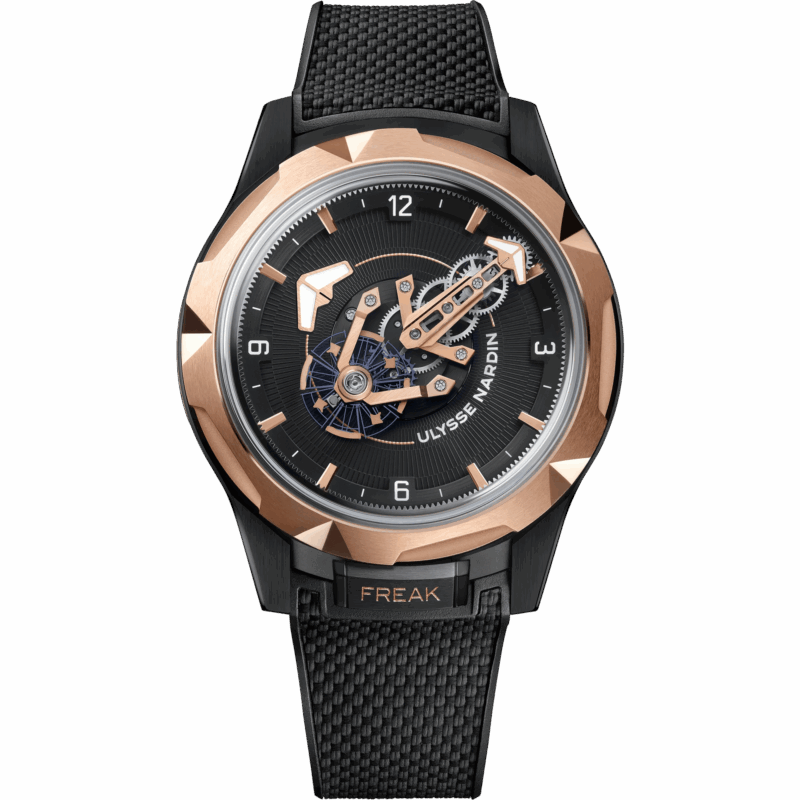
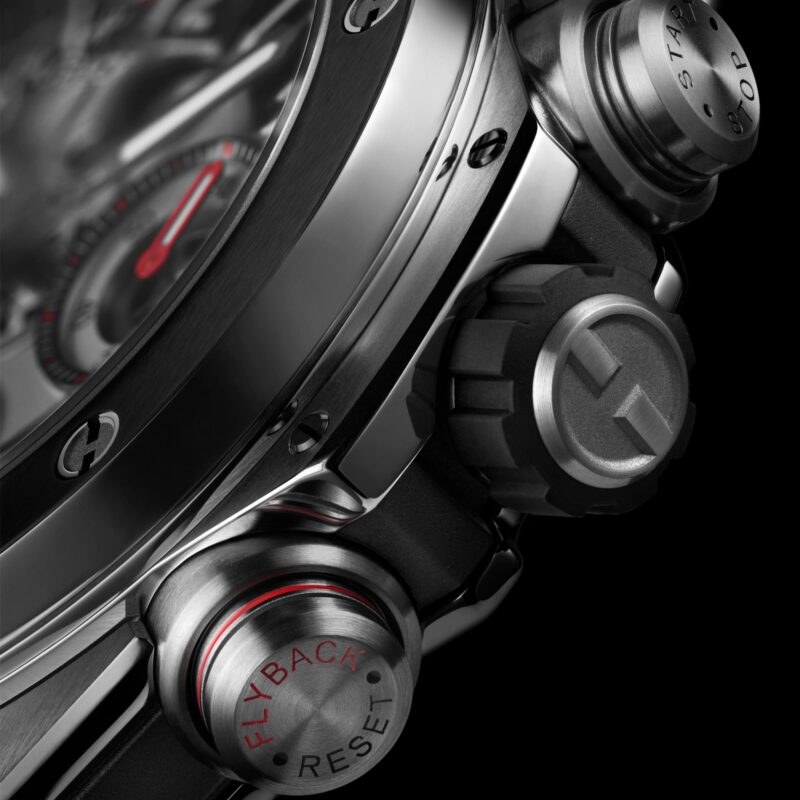
Freak ONE. Courtesy of Ulysse Nardin.
Explore the story
Ulysse Nardin is a Swiss watch manufacture founded in Le Locle in 1846. Its historical identity rests on precision instruments for navigation; its contemporary identity is shaped by astronomical complications, silicon components and the Freak, whose rotating movement indicates the minutes. The connection is not a single visual style but a continuing concern with regulation, energy and legibility.
This guide separates that house history from the evidence required for an individual watch. A marine-style dial or crownless case suggests a family; reference, calibre, functions, materials and service documentation identify the object.
Definition and scope
Ulysse Nardin produces mechanical watches across Freak, Marine, Diver and Blast families. The official history traces its precision work from pocket and marine chronometers to modern manufacture calibres. Marine references quote navigation instruments through Roman numerals, strong hands and fluted bezels; Freak makes the mechanism itself the display.
Silicon is important because it permits light, precise components with shapes suited to advanced escapements. It is not a generic guarantee of performance. The exact component, calibre and generation must be documented.
Foundation and historical development
- 1846: Ulysse Nardin established his workshop in Le Locle.
- 1876: Paul-David Nardin joined the company; the house dates its first marine chronometer to this period.
- Twentieth century: deck watches and marine chronometers linked the name with observatory-regulated precision and navigation.
- 1983: Rolf Schnyder acquired the company and began a mechanical-watch revival with watchmaker Ludwig Oechslin.
- 1985–1992: the Astrolabium, Planetarium and Tellurium formed the Trilogy of Time.
- 2001: the first Freak combined a rotating movement display, bezel setting, case-back winding and silicon escapement components.
- 2007: Freak DIAMonSIL paired silicon escapement parts with a diamond-based surface treatment.
The timeline identifies documented house developments; it does not date a watch from appearance alone.
Aesthetic and design identity
Instrument legibility
Marine models translate navigation instruments into wristwatch scale through clear chapter rings, prominent hands and disciplined dial hierarchy. Decorative detail varies, but the underlying task is to separate indications quickly.
The movement as a hand
On Freak, the rotating calibre assembly carries the minute indication while an element beneath records the hour. The absence of a conventional dial and hands is therefore functional architecture rather than simple styling.
Technology made visible
Silicon escapements, oversized regulating elements and exposed gear trains communicate how the watch works. That visibility increases the importance of bridge alignment, clearances and careful handling beneath large sapphire surfaces.
Technical and manufacturing ideas
- Marine chronometer principles
A marine chronometer is a precision timekeeper designed to support navigation at sea, traditionally mounted to remain level. A modern Marine wristwatch refers to that heritage but is not itself a historic boxed chronometer. Use each term narrowly.
- Freak setting and winding
The original Freak dispensed with a conventional crown: rotating bezels handled setting and winding. Later references differ. Freak ONE uses a bezel for setting and the case back for winding, with locks designed into the case. Always follow the manual for the specific calibre.
- Silicon and DIAMonSIL
Silicon can be formed into precise, low-mass escapement components. DIAMonSIL combines a silicon base with a diamond-related coating. These parts require manufacturer-level knowledge; conventional reshaping or polishing is not appropriate.
Fundamental collections and models
Freak
A family of rotating-movement watches beginning in 2001. Freak, Freak X, Freak S and Freak ONE differ in calibre, oscillators, setting, winding and case construction.
Marine
The navigation-derived family includes time-only, chronograph, calendar, tourbillon and other configurations. Record the exact reference rather than extending one model’s specification to the collection.
Trilogy of Time
Astrolabium Galileo Galilei, Planetarium Copernicus and Tellurium Johannes Kepler express Ludwig Oechslin’s astronomical approach. Functions and setting procedures are model-specific.
Diver and Blast
Diver emphasises water-oriented cases and bezels; Blast uses angular, openworked architecture. Water resistance is a tested condition, not a permanent attribute inferred from the model name.
What matters to a collector
- Identify the Freak generation
Record reference, calibre, setting and winding controls, balance or oscillator construction and documented materials. Similar silhouettes can conceal substantial mechanical differences.
- Treat water resistance as current evidence
For Marine and Diver watches, note the stated rating and obtain recent pressure-test results before exposure to water. Age, seals and service history affect real-world performance.
- Preserve specialist service records
Silicon escapements, rotating calibres and astronomical displays require qualified intervention. Keep estimates, replaced components where available, timing and pressure results, and clear before-and-after photographs.
Terminology and related references
- Marine chronometer: a precision timekeeper historically used to support navigation at sea.
- Carousel movement: a rotating movement assembly; on Freak it also participates in displaying time.
- Silicon escapement: an escapement using silicon for specified components.
- DIAMonSIL: Ulysse Nardin’s documented silicon-and-diamond-related component technology.
- Related reading: escapements, chronometry, astronomical complications, water resistance and servicing.
Sources & further reading
This evergreen guide was rechecked on 11 September 2026 against Ulysse Nardin’s official manufacture history, Freak histories and Freak ONE reference record. Technical claims are tied to named generations and the navigation language is distinguished from historic instrument identity. The text does not authenticate or grade an individual watch.
- Ulysse Nardin — The story of the manufacture
- Ulysse Nardin — The Freak and silicon
- Ulysse Nardin — The Freak Revolution
- Ulysse Nardin — Freak ONE 2405-500-2A/3D
Media: official Freak ONE photography retained as WordPress media 6615 and reverified against its governed manufacturer source and file hash.
The Edit
TheTimeo Encyclopedia stories
Selected stories from the same editorial universe.
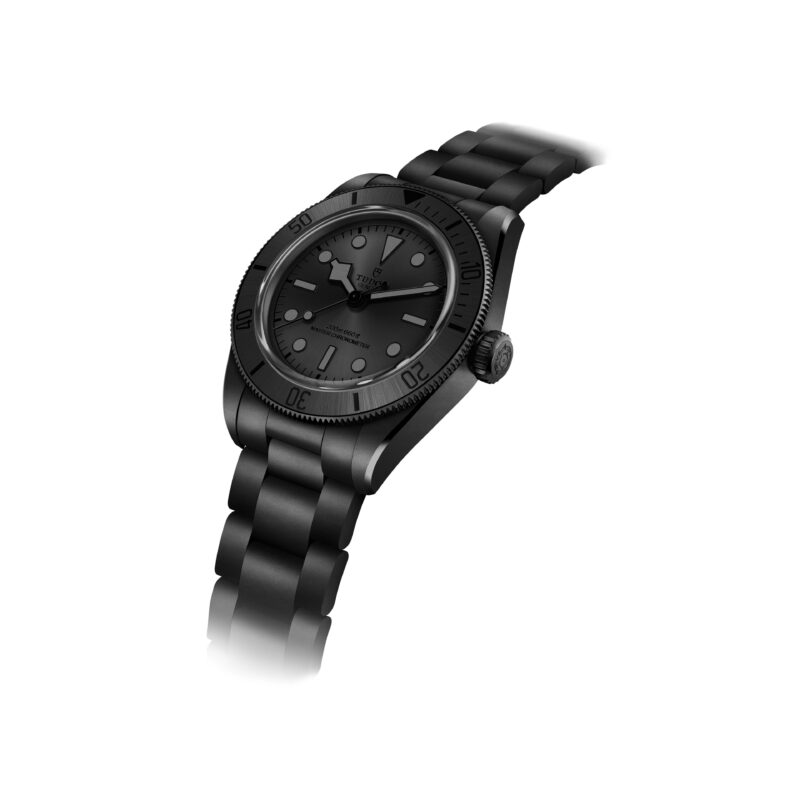
Tudor: tool-watch clarity and modern manufacture
An evergreen guide to Tudor: its 1926 origins, Oyster Prince and diving-watch history, Black
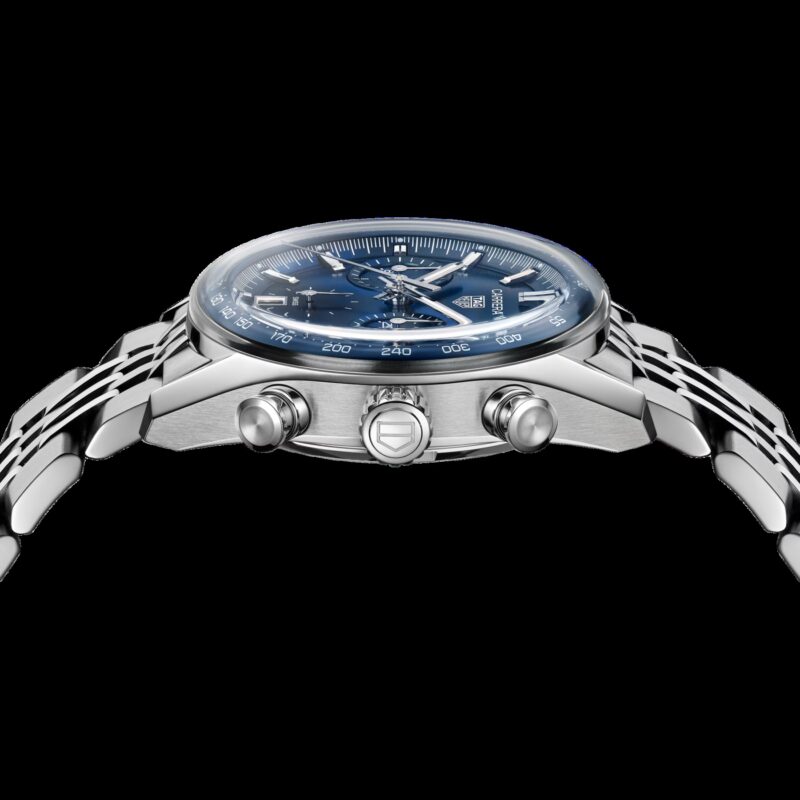
TAG Heuer: chronographs, instruments and design systems
An evergreen guide to TAG Heuer: its 1860 origins, timing instruments, Carrera and Monaco
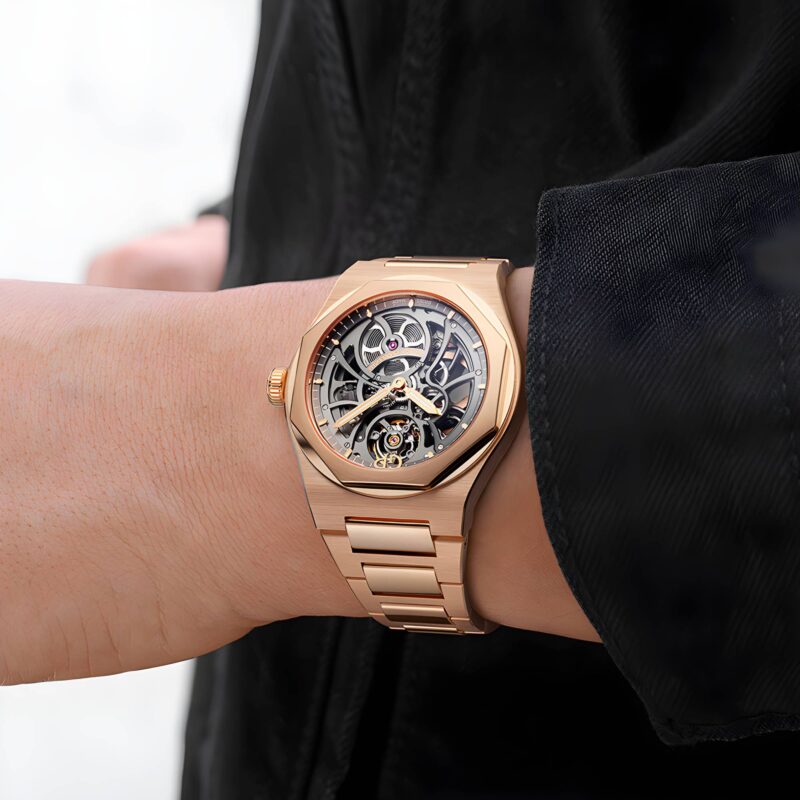
Girard-Perregaux: architecture, Three Bridges and the Laureato
An evergreen guide to Girard-Perregaux: the Bautte and Girard-Perregaux lineages, Three Bridges, movement manufacture,
Hublot: material fusion, Big Bang and Unico
An evergreen guide to Hublot: the 1980 gold-and-rubber premise, Big Bang architecture, Unico chronographs,