
TheTimeo / TheTimeo Encyclopedia
MB&F:
time built as a machine
An evergreen guide to MB&F: its 2005 foundation, Friends model, Horological and Legacy Machines, LM101 architecture and collector documentation.
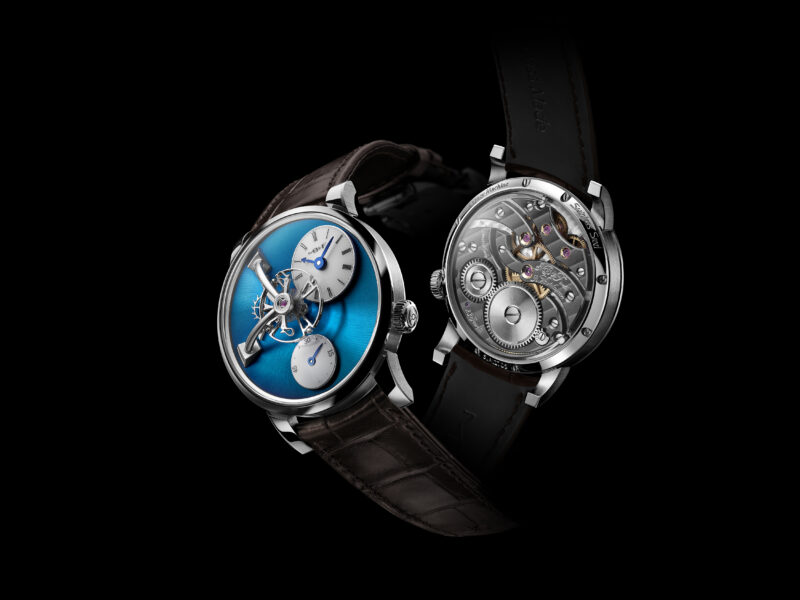
Legacy Machine 101. Courtesy of MB&F.
Explore the story
MB&F is an independent Geneva-based horological laboratory founded by Maximilian Büsser in 2005. Its name—Maximilian Büsser & Friends—states the operating idea: watches are credited collaborations between concept, engineering, movement construction, finishing and external specialists. Horological Machines imagine timekeeping as an object from another world; Legacy Machines reinterpret traditional watchmaking through three-dimensional architecture.
This guide uses Legacy Machine 101 as a compact reference point while separating family traits from reference facts. Contributors, case, calibre, indications and edition details all matter when identifying an MB&F watch.
Definition and scope
MB&F does not present itself as a conventional vertically integrated manufacture. Its published records identify the Friends responsible for specific disciplines, while an internal team develops an increasing number of movements and constructions. Collaboration is therefore part of the technical record, not a commercial endorsement.
The catalogue is organised around Machines rather than one uniform case. A watch may be automotive, biomorphic or classically round, yet exposed mechanics, sculptural sapphire and unusual display architecture recur throughout the work.
Foundation and historical development
- 2005: Maximilian Büsser established MB&F and began assembling the network of Friends.
- 2007: Horological Machine No.1 established the figure-eight case and three-dimensional movement approach.
- 2011: Legacy Machine No.1 introduced the round Legacy Machine language, with a large balance suspended above the dial.
- 2014: Legacy Machine 101 reduced the concept to hours, minutes, power reserve and the regulating organ.
- 2019: Legacy Machine FlyingT extended the family with a vertically arranged movement and inclined time display.
- 2020: the two-way project with H. Moser & Cie. demonstrated how a shared technical idea could be interpreted by each house.
- 2025: MB&F marked its twentieth year and introduced LM101 EVO with additional everyday-use engineering.
The chronology tracks concepts and launches. Production edition, serial information and accompanying documentation are still required for an individual watch.
Aesthetic and design identity
Three-dimensional mechanics
Balances, turbines, domes and display modules are placed above or around the conventional movement plane. The case and sapphire crystal create the volume needed to see them. Height is therefore part of the visual proposition rather than a hidden consequence.
Two readings of horology
Horological Machines take inspiration from vehicles, animals and speculative objects. Legacy Machines use round cases, arched bridges and nineteenth-century finishing references. Both remain recognisably MB&F because mechanics are staged as the principal image.
Visible authorship
Official technical records identify contributors to movements, case construction, design and finish. Collector documentation should preserve that credit accurately and distinguish a contributor’s role from manufacture of the complete watch.
Technical and manufacturing ideas
- The flying balance
In Legacy Machines, a large balance appears suspended above the dial by an arched bridge. LM101 uses a bespoke 14 mm balance. Its visual position changes how shocks, bridge alignment and the domed crystal must be considered during handling and service.
- Legacy Machine 101 calibre
The original LM101 is hand-wound, displays hours, minutes and power reserve, and offers about 45 hours of reserve. MB&F describes it as the first calibre conceived by its internal engineering team, with Kari Voutilainen responsible for movement aesthetics and finishing specifications. The 2021 editions introduced a double hairspring and detail changes.
- Case and sapphire volume
LM101 is documented at 40 mm in diameter and 16 mm high, including its domed architecture. These dimensions belong to that model. Sapphire forms can be complex and expensive to replace; edges, coatings and seals require reference-specific inspection.
Fundamental collections and models
Horological Machines
HM1 established the programme; later Machines explored battle-axe rotors, automotive displays, aircraft-like cases and biomorphic forms. Identify the exact Machine number, movement generation and edition rather than relying on resemblance.
Legacy Machine No.1
LM1 combined two independently set time displays, a vertical power-reserve indicator and a flying balance. It established the collection’s round, historically inflected architecture.
Legacy Machine 101
A 40 mm expression centred on time, reserve and regulating organ. Materials, dial plates, hairsprings and finishing differ by edition; LM101 EVO is a distinct specification.
Performance Art and co-signed projects
Artist editions and collaborations can alter display, dial and finish substantially. Record both signatures and use the official project documentation to identify each party’s contribution.
What matters to a collector
- Start with the exact Machine
Record model, edition, case material, serial information, movement, indications and listed contributors. Similar case architecture can contain meaningful mechanical revisions.
- Inspect exposed architecture
Check sapphire surfaces, bridge alignment, balance clearance and display mechanisms without touching exposed components. Winding feel, corrector use and setting sequence must follow the model manual.
- Preserve the service record
Complex three-dimensional movements need relevant expertise and correct components. Retain estimates, replaced parts where available, timing results and photographs. Cosmetic refinishing can alter sharp case forms and hand-finished movement surfaces.
Terminology and related references
- Friend: a credited specialist or organisation contributing a defined role to an MB&F project.
- Horological Machine: the future-facing, sculptural branch of the MB&F catalogue.
- Legacy Machine: the branch that reinterprets traditional watchmaking through three-dimensional construction.
- Flying balance: MB&F’s display of a large regulating organ suspended above the dial plane.
- Related reading: escapement, balance spring, power reserve, sapphire cases, independent watchmaking and service documentation.
Sources & further reading
This evergreen guide was rechecked on 11 September 2026 against MB&F’s official company account, milestones, Legacy Machine overview and LM101 technical record. Contributor roles and specifications are presented only at the level documented by the house. The text does not authenticate or grade an individual watch.
Media: official Legacy Machine 101 photography retained as WordPress media 6614 and reverified against the governed MB&F media-centre source and file hash.
The Edit
TheTimeo Encyclopedia stories
Selected stories from the same editorial universe.
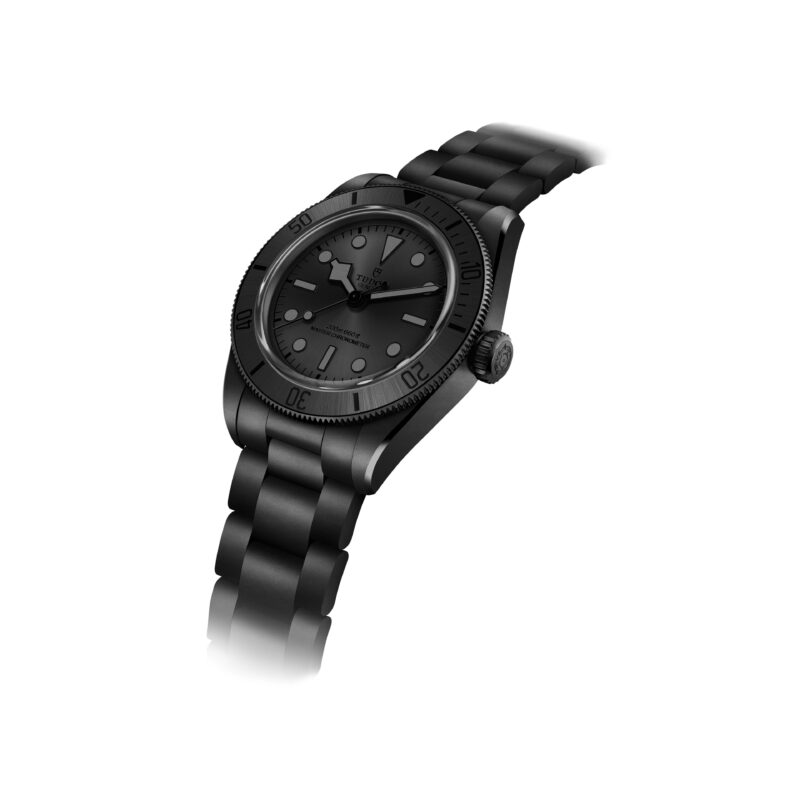
Tudor: tool-watch clarity and modern manufacture
An evergreen guide to Tudor: its 1926 origins, Oyster Prince and diving-watch history, Black
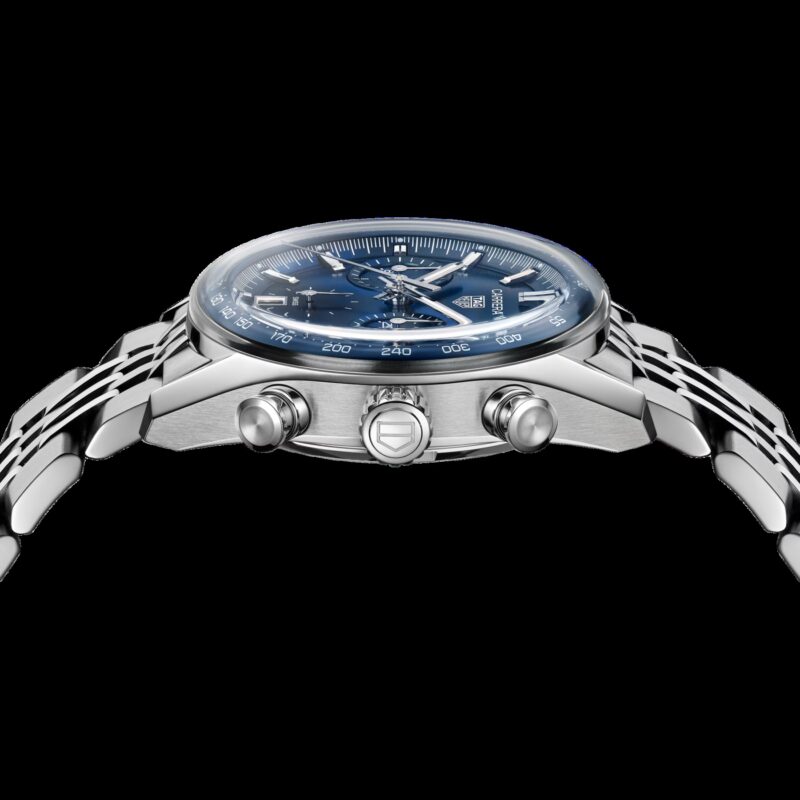
TAG Heuer: chronographs, instruments and design systems
An evergreen guide to TAG Heuer: its 1860 origins, timing instruments, Carrera and Monaco
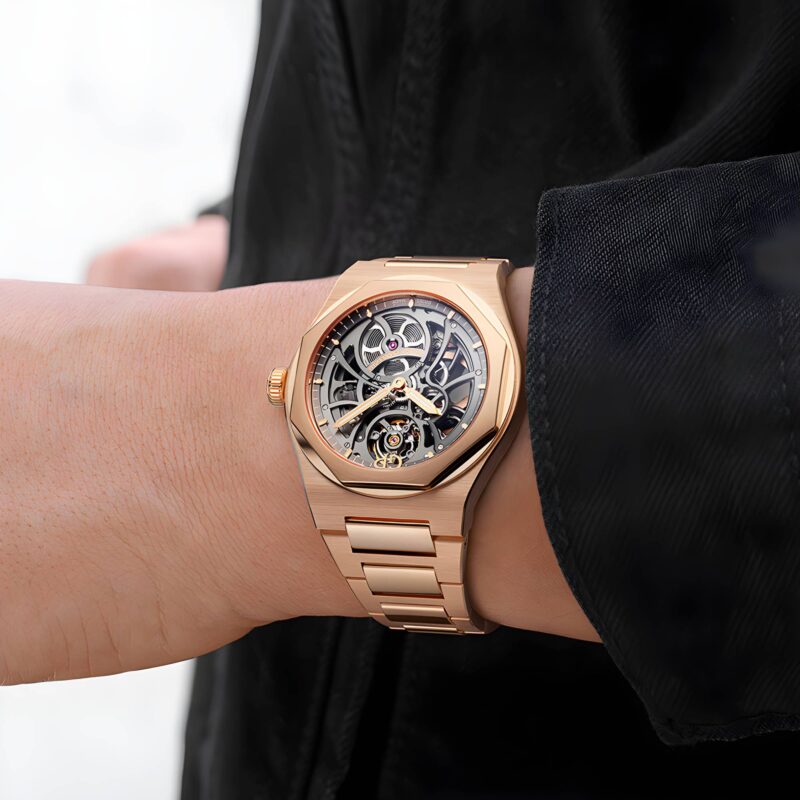
Girard-Perregaux: architecture, Three Bridges and the Laureato
An evergreen guide to Girard-Perregaux: the Bautte and Girard-Perregaux lineages, Three Bridges, movement manufacture,
Hublot: material fusion, Big Bang and Unico
An evergreen guide to Hublot: the 1980 gold-and-rubber premise, Big Bang architecture, Unico chronographs,