
TheTimeo / Maisons & Heritage
Before
the wingbeat.
Green wax, a drawn gesture and a Cupid emerging from feathers. The making of Van Cleef & Arpels’ Naissance de l’Amour reveals the sculpture beneath its animated scene.
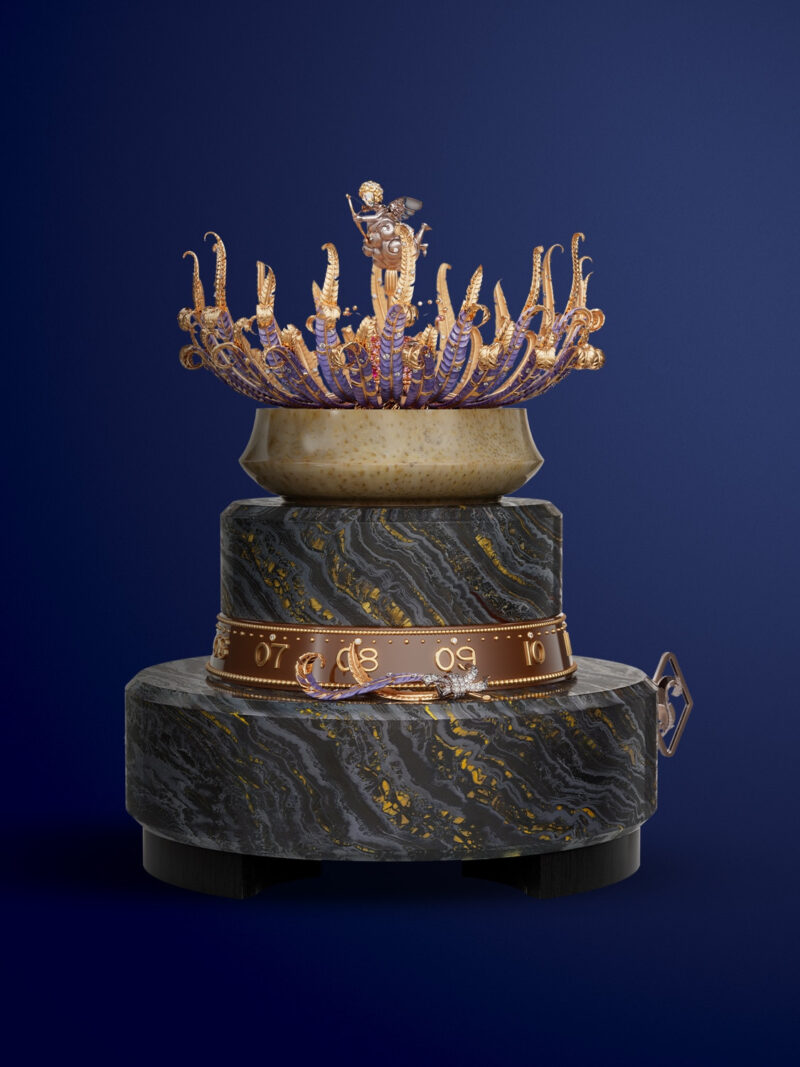
Naissance de l’Amour, the complete automaton with Cupid above its feathered opening. Courtesy of Van Cleef & Arpels.
Explore the story
A small Cupid rises from a basket of feathers. Beneath him, the bowl and stone base carry dark, flowing patterns; above, the feather tips open the silhouette into the surrounding space. Van Cleef & Arpels’ Naissance de l’Amour belongs to the world of automata: objects whose figures perform a mechanical scene.
The finished piece brings jewellery, sculpture and timekeeping together. Cupid turns and beats his enamel wings during an animation accompanied by a carillon, before returning to his hiding place. Yet the making photographs offer an equally compelling entrance. Before the gold and diamonds, there is green wax, a pointed tool and a cloud small enough to be held between the fingers. Looking at those models changes the way the final movement is imagined.
Before the figure can fly
01 / 04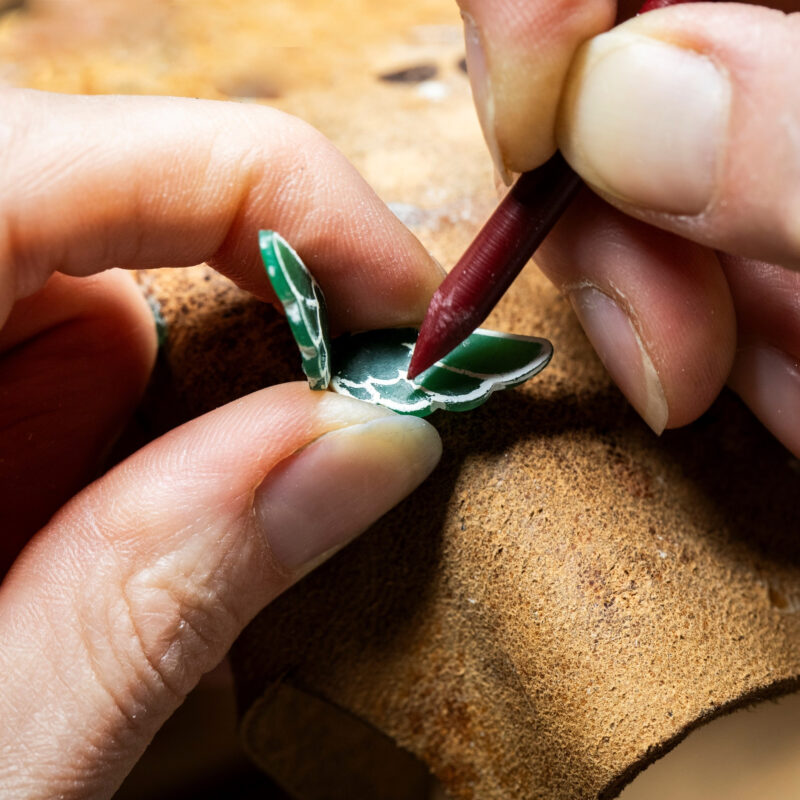
Modelling Cupid’s wing in wax. Courtesy of Van Cleef & Arpels.
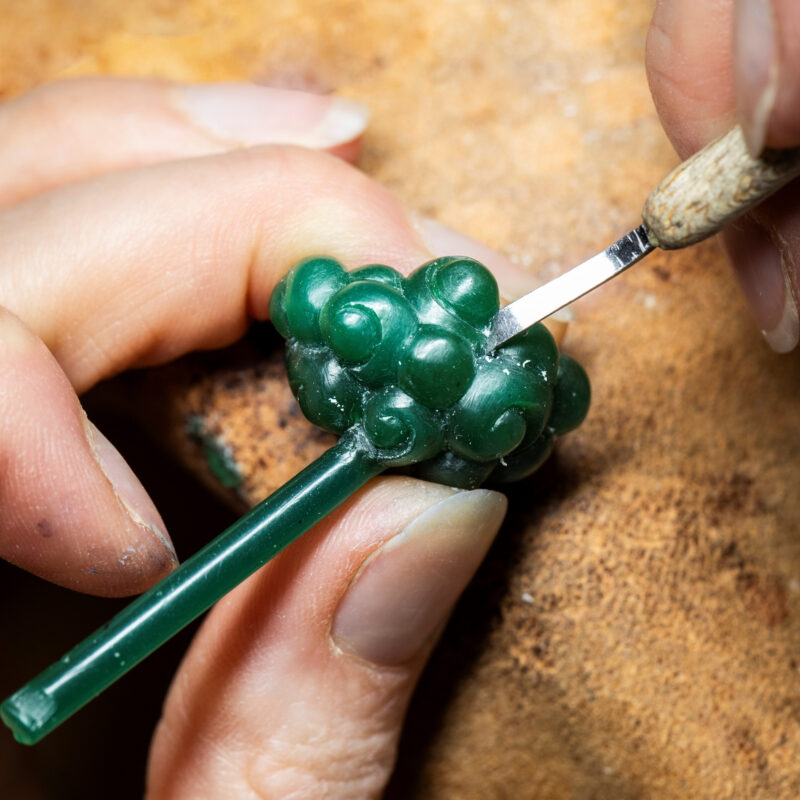
The cloud’s rounded surface, worked in green wax. Courtesy of Van Cleef & Arpels.
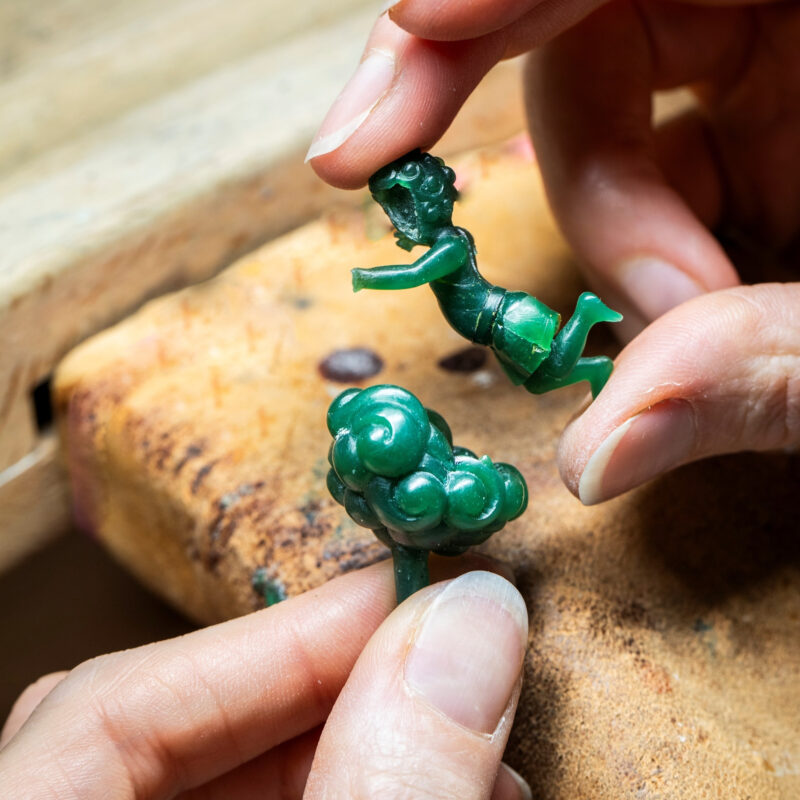
Cupid and the cloud brought together during the modelling work. Courtesy of Van Cleef & Arpels.
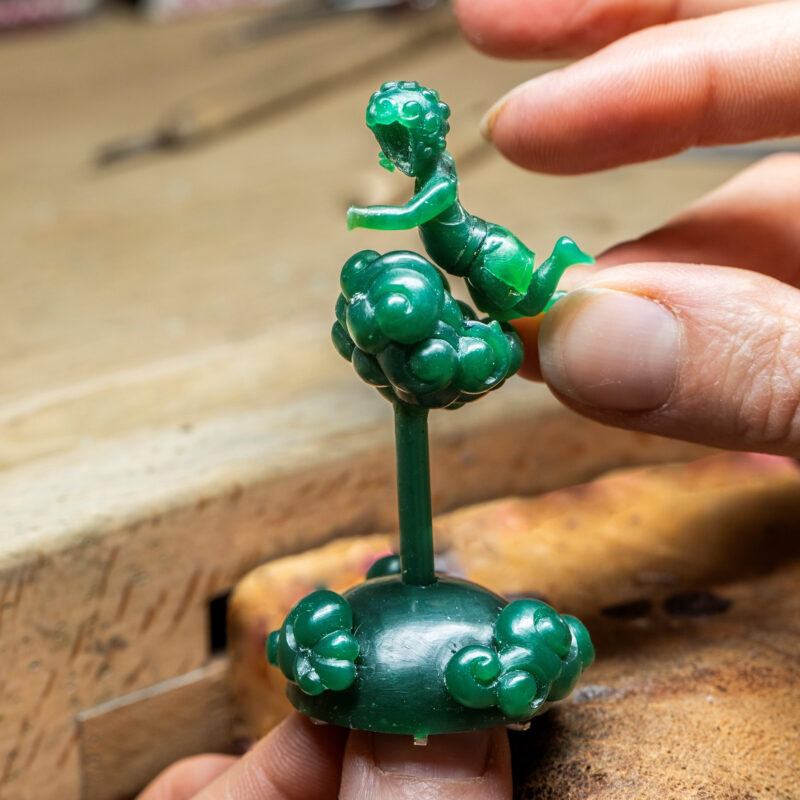
The figure positioned within the modelled composition. Courtesy of Van Cleef & Arpels.
The first photograph brings a wing close to the hand making it. A fine tool works along the green form, where the outline and inner divisions are already becoming distinct. The wing’s lightness begins with that drawing in three dimensions: the border has to describe the shape while leaving the centre open to a more delicate pattern.
In the next view, the cloud has become the subject. Its rounded forms gather tightly together, each small swelling catching a different amount of light. The tool approaches an interval between them. A cloud that will eventually seem soft and almost weightless has to acquire a precise physical surface.
Then Cupid and the cloud come together. One image shows the figure held above the lower form; the next places him upright within the modelled composition. These views reveal how much of the final impression depends on relationships between parts. The head, torso and outstretched arm have to read as one gesture, while the cloud gives that gesture somewhere to begin.
The green colour makes the sculptural work unusually easy to follow. It holds the eye on contour, level and proportion, before bright metal and stones introduce their own reflections. A turn of the head becomes distinct from the shape of the hair. The space beneath an arm becomes as interesting as the arm itself.
Return to the complete object after these close views. The figure now has a clearer role within the feathered opening. Small changes in the models explain why a silhouette can feel animated even in a still photograph. The mechanical performance gives that carefully shaped figure another kind of life.
The gesture begins on paper
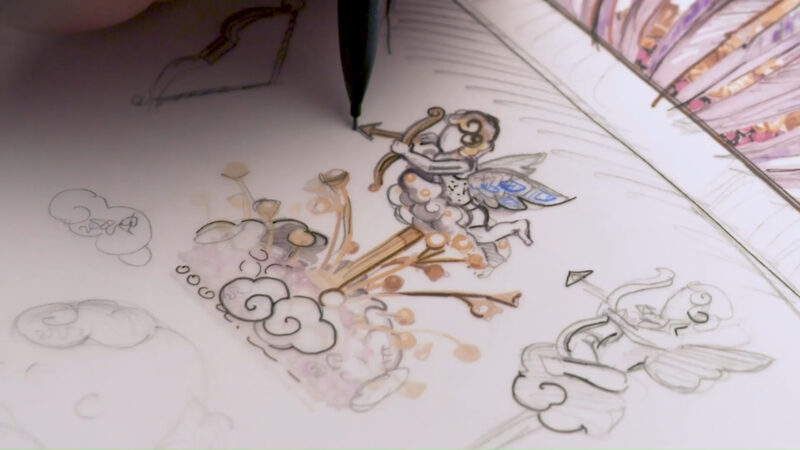
Cupid’s gesture on paper, from the maison’s film of the preparatory design. Courtesy of Van Cleef & Arpels.
The preparatory drawing adds colour and direction to the same small character. Cupid’s face, wings and cloud are brought together on paper, with the artist’s tool held above the design. The drawing keeps the whole gesture visible while allowing particular details to be considered closely.
There is a revealing change between this image and the wax photographs. On paper, a line can suggest a wing with very little material. In the model, that suggestion needs thickness, edges and a place within the figure. The two forms of work answer different questions about the same character.
The scene also has a larger frame. Around the hiding place, the feathers establish an upward movement before Cupid emerges. Their irregular tips keep the rim from becoming a simple circle. The basket’s lacquered gradient carries colour through those repeated elements, giving the upper part of the object a different character from the patterned stone below.
Van Cleef & Arpels identifies the base as iron eye and the bowl as petrified palmwood. Their markings contribute broad, flowing lines beneath the much smaller details of the figure. This change of scale is especially attractive: stone patterns establish a substantial foundation, while the feather tips and wings give the eye a finer drawing to follow.
A performance and a time display
A scene with a beginning
The animation is available on demand. The maison describes Cupid rising, rotating and beating his plique-à-jour enamel wings before returning to his concealment, with a melody played by a carillon. The sequence has an arrival and a departure, so the hidden figure remains part of the object’s character even when he is out of sight.
That makes the basket an active element of the design. It supplies the place from which the scene appears and to which it returns. The object invites anticipation through its shape, with the upward-pointing feathers preparing a space for the figure above them.
Time around the base
A graduated rotating ring provides the hours and minutes. Two lacquered feathers, accented with diamonds and held by a diamond-set bow, mark the time against it. The display belongs to the lower part of the composition, leaving the upper stage available for the animated scene.
This arrangement gives the eye two different journeys. One follows the ring around the base; the other travels upwards through bowl, basket and figure. Timekeeping and performance remain connected within the object, while each has enough space to be understood in its own way.
The wing after the wax
The most memorable comparison is between the green model and the small figure above the feather tips. Look first at the spaces within the wing, then at the position of the arm and the tilt of the head. Details that could pass quickly during an animation become easier to recognise once their making has been seen.
Naissance de l’Amour offers pleasure at both speeds. There is the brief performance described by the maison, with movement and melody, and the slower discovery available in the photographs. A sculpted cloud, an open wing and a carefully placed figure give the scene its character before the mechanism begins to move.
Sources & further reading
The Edit
Maisons & Heritage stories
Selected stories from the same editorial universe.
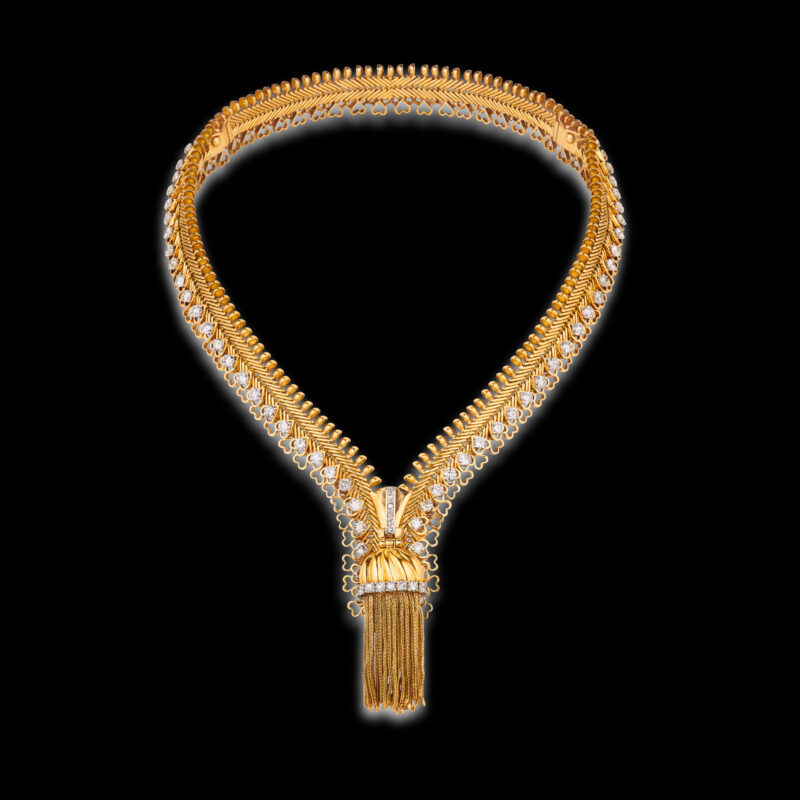
Van Cleef & Arpels Zip: One Jewel, Two Lives
A working zipper becomes a precious line. The Van Cleef & Arpels Zip changes
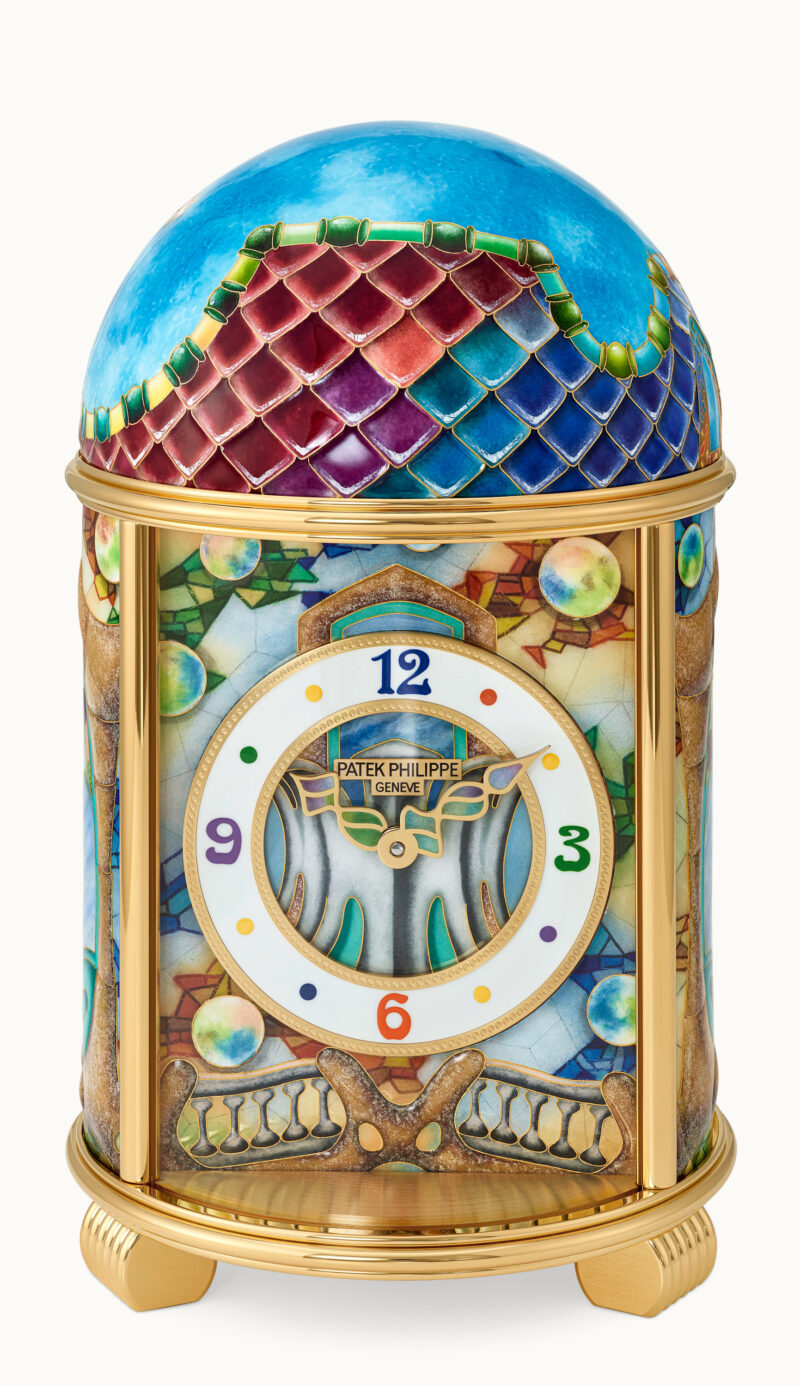
Patek Philippe The House of the Dragon: A Façade in Enamel
Gaudí’s architectural language becomes a dome table clock. Patek Philippe’s The House of the
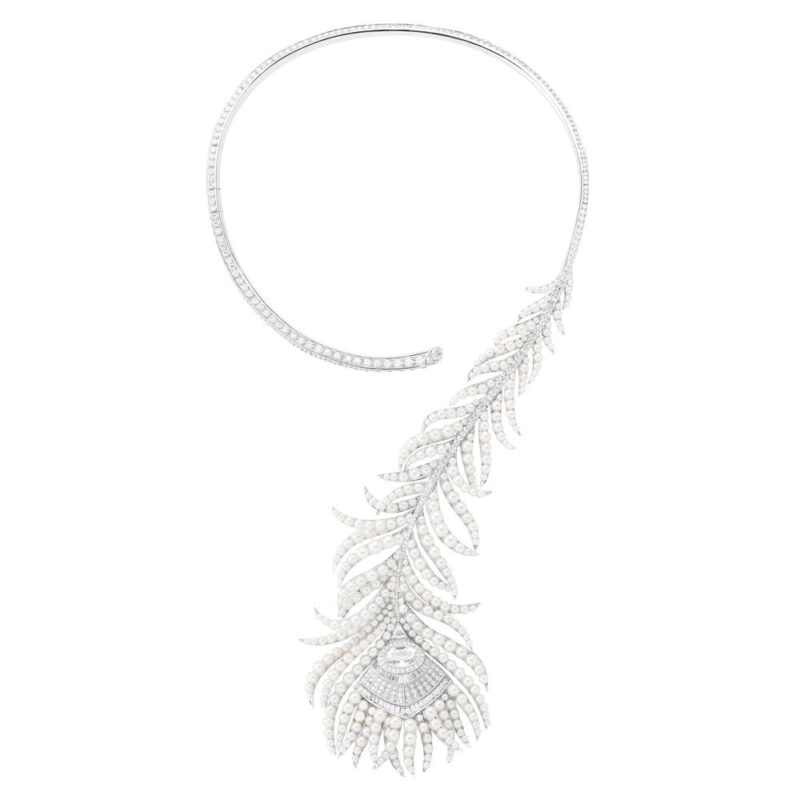
Boucheron Question Mark: The Freedom of an Open Line
A clasp-free curve and a feather that changes with the wearer. Boucheron’s Question Mark
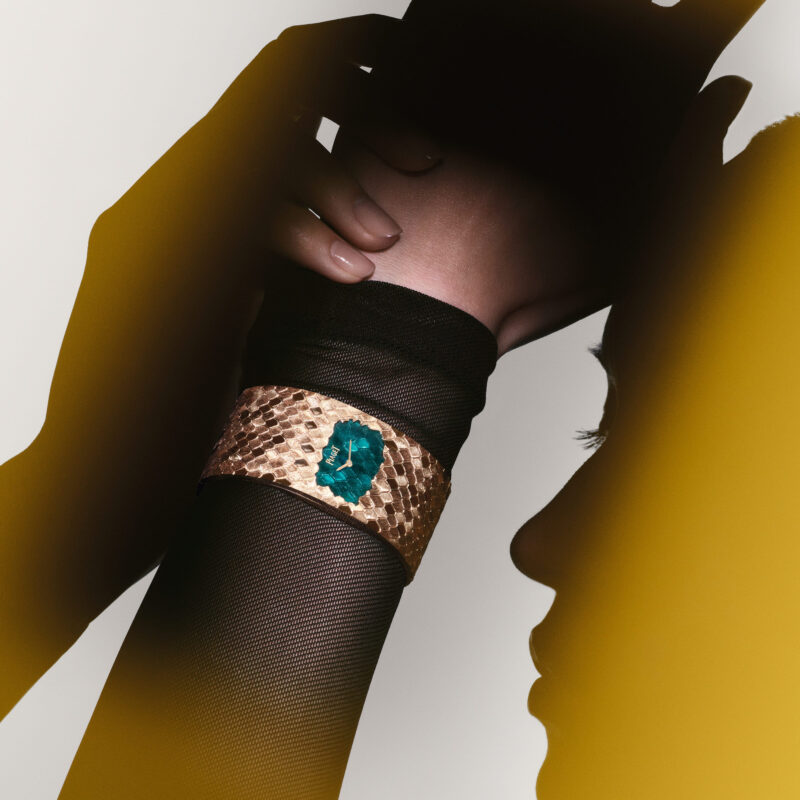
Piaget: Two Manufactures, One Language of Gold
From ultra-thin movements in La Côte-aux-Fées to goldsmithing in Plan-les-Ouates: two manufactures help explain
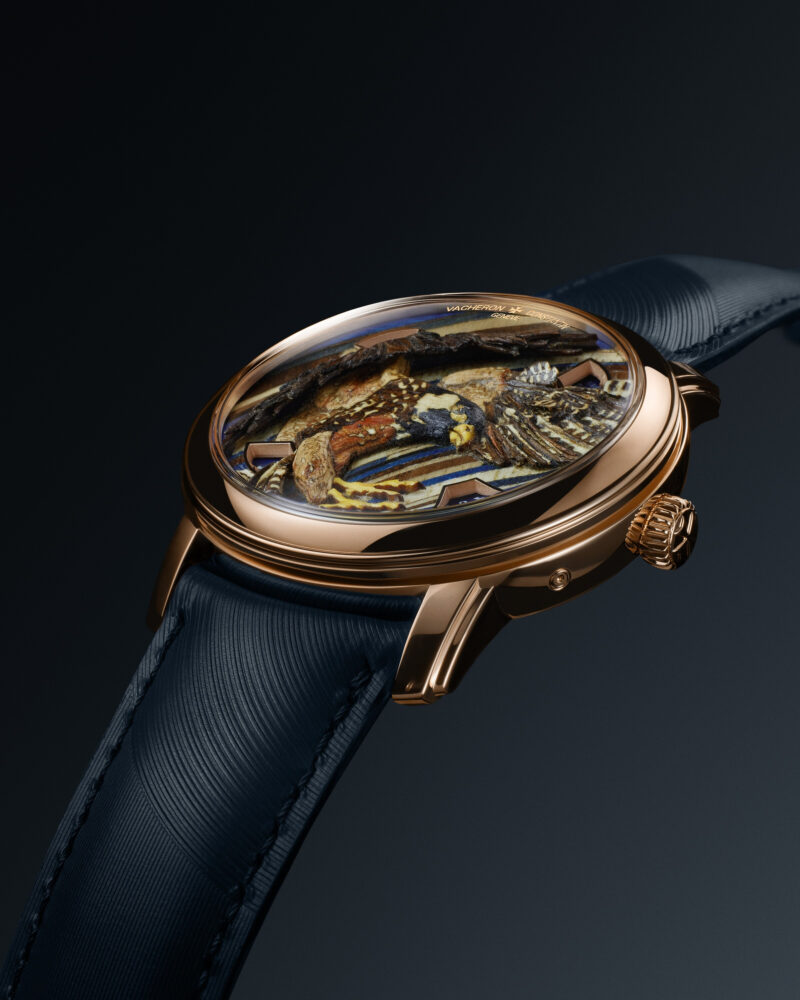
Vacheron Constantin Woodenwings: A Falcon Carved in Wood
A raised wing, a patterned ground and four small windows for the time. Anna
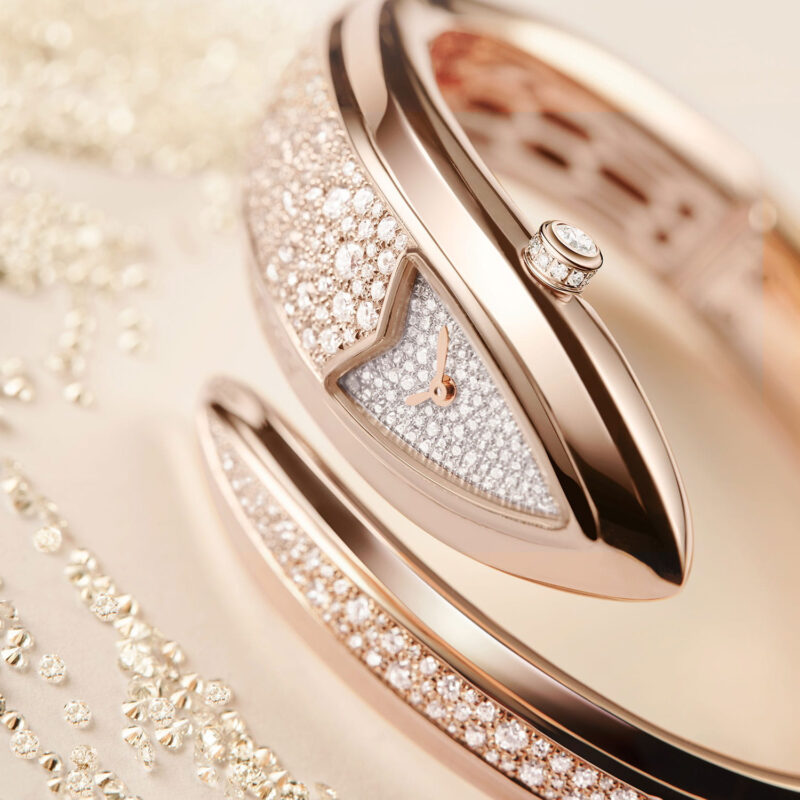
Bvlgari Serpenti Aeterna: The Snake Becomes a Line
A pointed head, an open coil and a fine seam of light. Serpenti Aeterna