Insights & Investment
The Collector’s Evidence Desk
A visual guide to reading desire, identity, condition and price evidence before a watch or jewel enters a collection.

Beauty draws the eye. Evidence earns the confidence.
The collector's task is not to resist desire, but to give it a precise object. Identity, condition, documents and market records each answer a different question.



The collector’s evidence desk
Desire opens the door. A precise file lets you walk through it.
A fine watch or jewel can be immediately seductive. Collecting it well calls for a second pleasure: learning exactly what the object is, how it has lived and which claims its documents can genuinely support.
Begin with the object, not the outcome
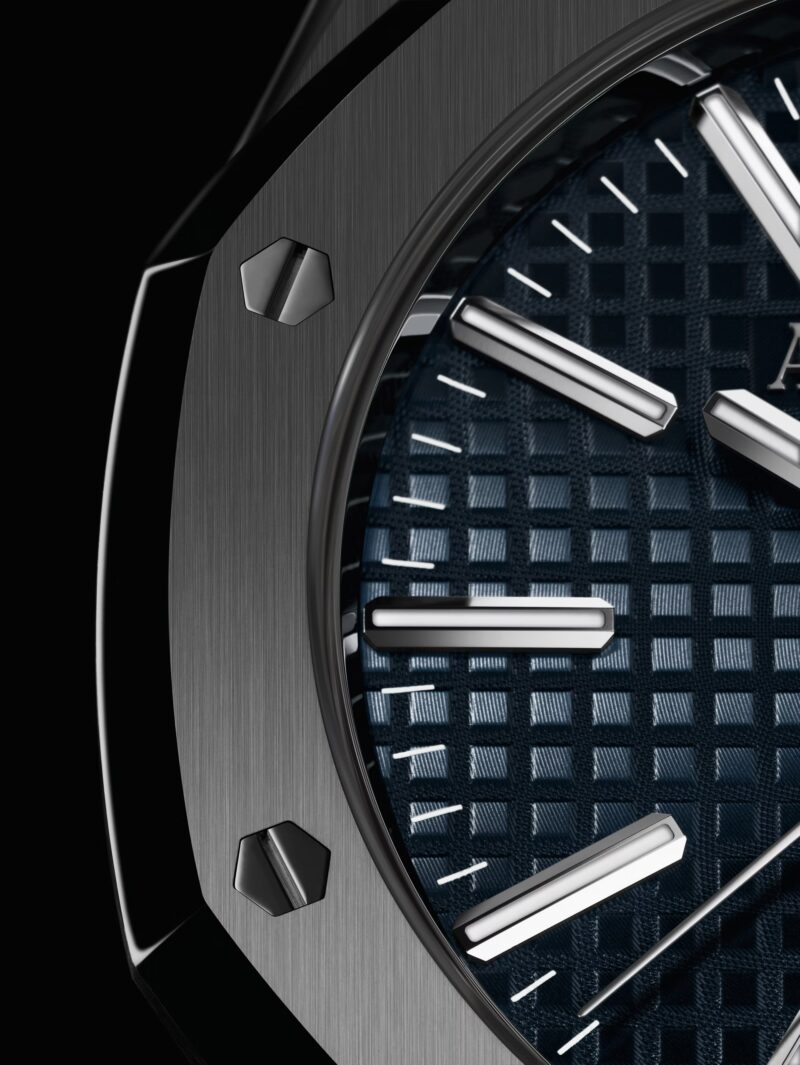
The eye usually arrives first. It reads the tension between polished and brushed metal, the depth of a dial, the rhythm of a bracelet or the way a stone seems to change temperature as the light moves. That response matters. It is why collecting feels different from filing an inventory.
Yet beauty, identity, condition and market evidence are four different things. A beautiful object is not automatically rare. A recognised model name is not a complete identification. A report does not describe every aspect of a jewel, and a single auction result does not create a permanent price. Confidence grows when each fact is allowed to do its own job.
This distinction protects the emotion rather than diminishing it. Once the reference, materials and history are understood, desire no longer depends on a seller’s adjectives. It belongs to the collector.
Reference study
A family name is only the beginning.
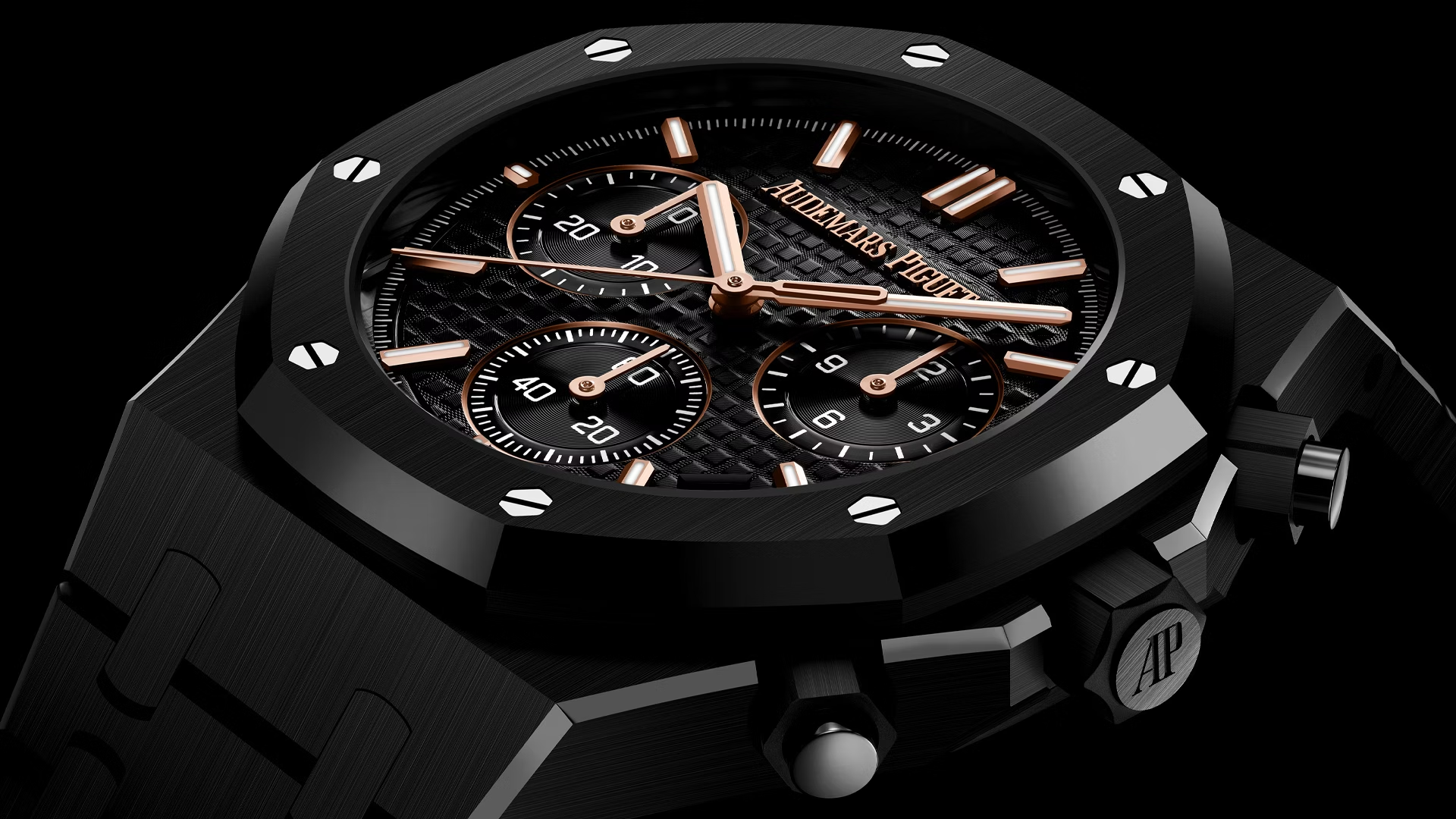
The Royal Oak is recognisable before it is identified. Its geometry creates the family resemblance; the reference completes the sentence. Audemars Piguet describes reference 26240CE.OO.1225CE.02 as a 41 mm Selfwinding Chronograph in black ceramic, water-resistant to 50 metres, with a black Grande Tapisserie dial and matching ceramic bracelet. Those details are not trivia. They separate this exact watch from neighbours that may share the same silhouette.
A disciplined listing should make those distinctions easy to see. When material, dimensions or configuration are omitted, the collector is left to fill the gap with familiarity. Familiarity is not evidence.
- Reference
- 26240CE.OO.1225CE.02
- Case
- 41 mm black ceramic
- Dial
- Black Grande Tapisserie
- Water resistance
- 50 metres
Read at three distances
Across the room, read proportion and silhouette. In the hand, study the transitions: case edges, bracelet links, clasp, crown, dial furniture and the behaviour of every moving part. Inside the file, match reference numbers, dates, reports and photographs to the object in front of you. Each distance corrects the last.
For jewellery, the sequence is just as useful. First comes presence. Then setting construction, stone security, marks, dimensions and signs of intervention. Finally, the gemological report and invoices are read for exactly what they state. A grading report can describe the assessed characteristics of the submitted stone; it is not a valuation, a title document or a promise about future demand.
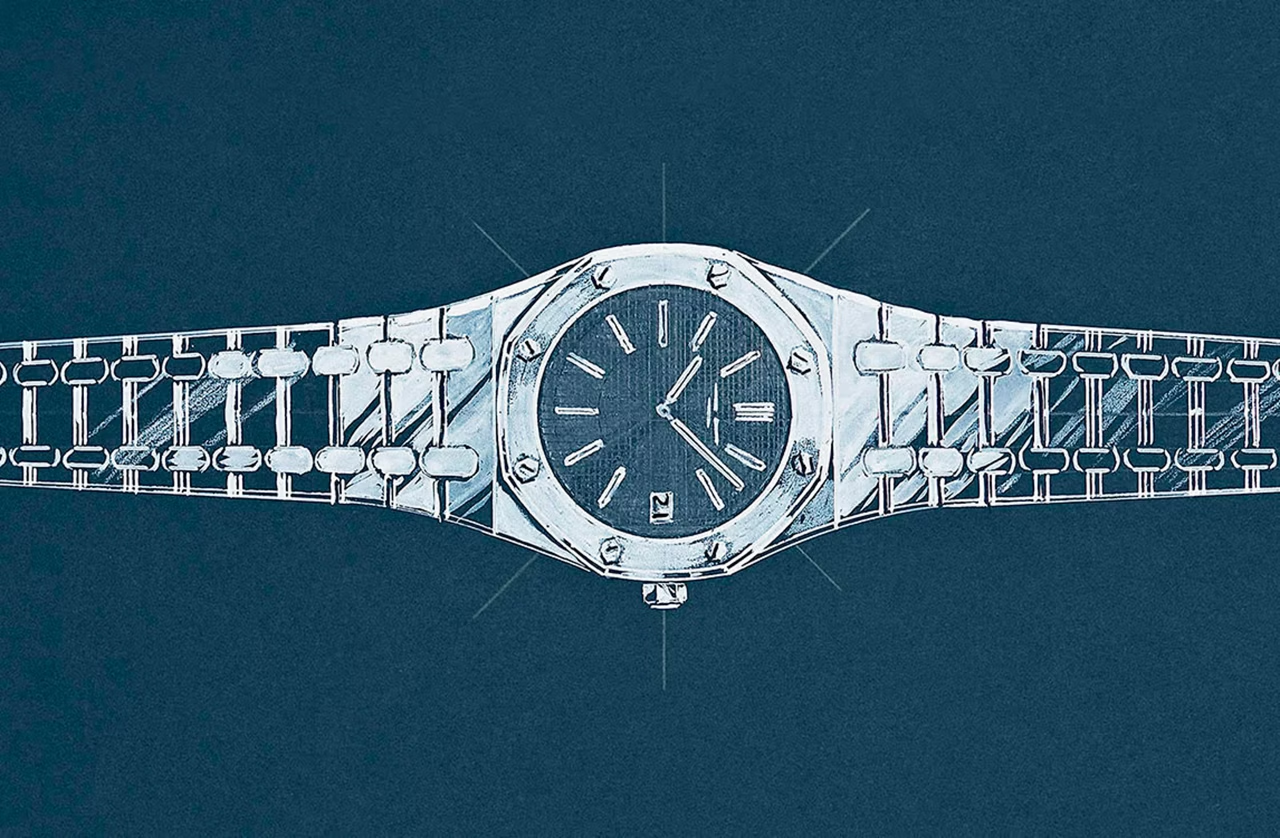
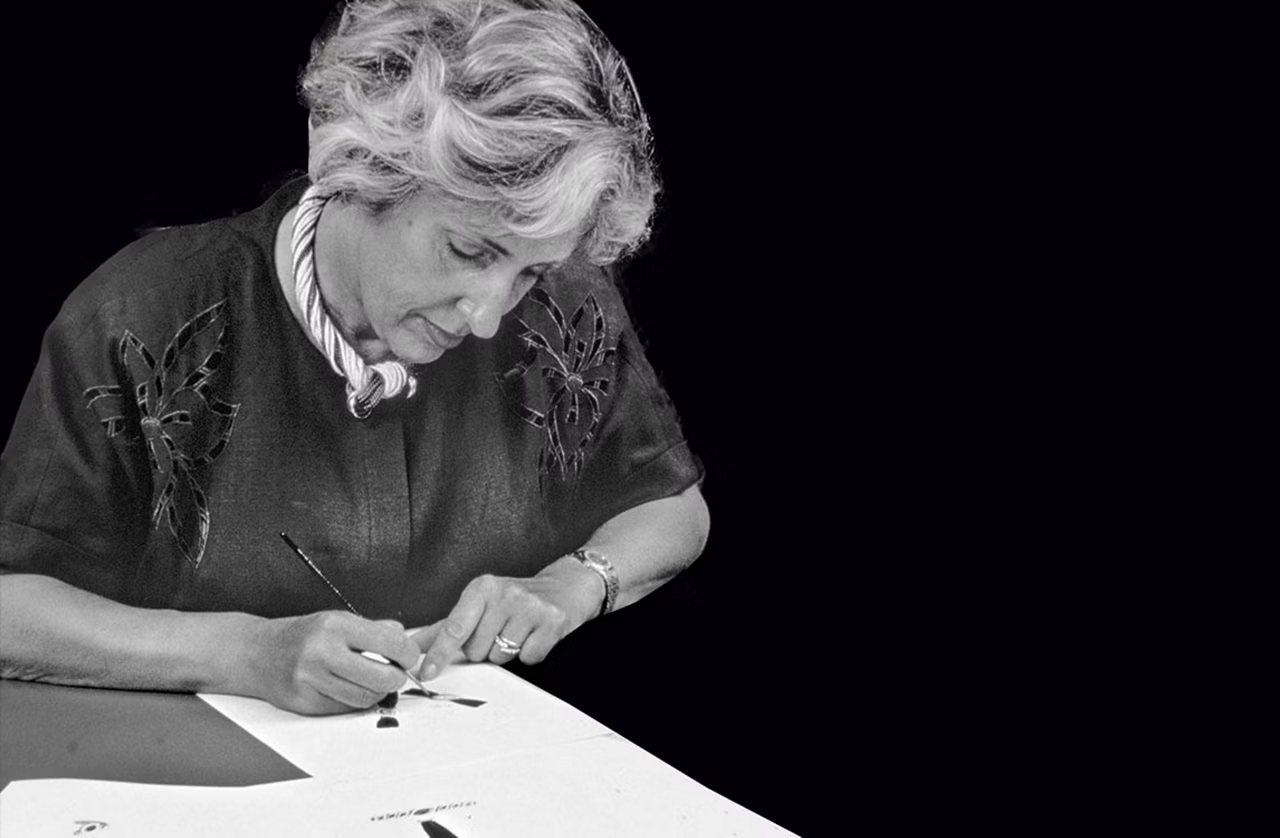
The bench and the wrist.
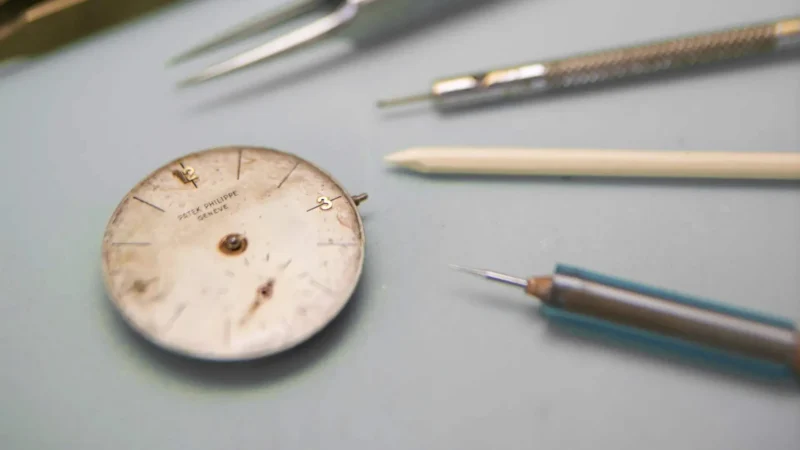
Collecting happens between these two views. At the bench, maintenance and intervention become physical facts. On the wrist, balance and comfort become part of daily life. Neither can be reduced to a price, and neither should be left outside the record.
Condition is a dated observation
Condition should be written in the present tense and attached to a date. Photographs of the front, back, sides, clasp, hallmarks and movement or setting details make the description testable. They also help distinguish honest wear from an intervention that altered the original geometry.
Service can be a virtue. A watch returned to reliable use or a jewel made secure again may be better able to fulfil its purpose. The question is not whether work occurred, but what was done, which parts were retained and whether the record follows the object. Precision leaves room for care without disguising change.
Jewellery discipline
Documents have boundaries.
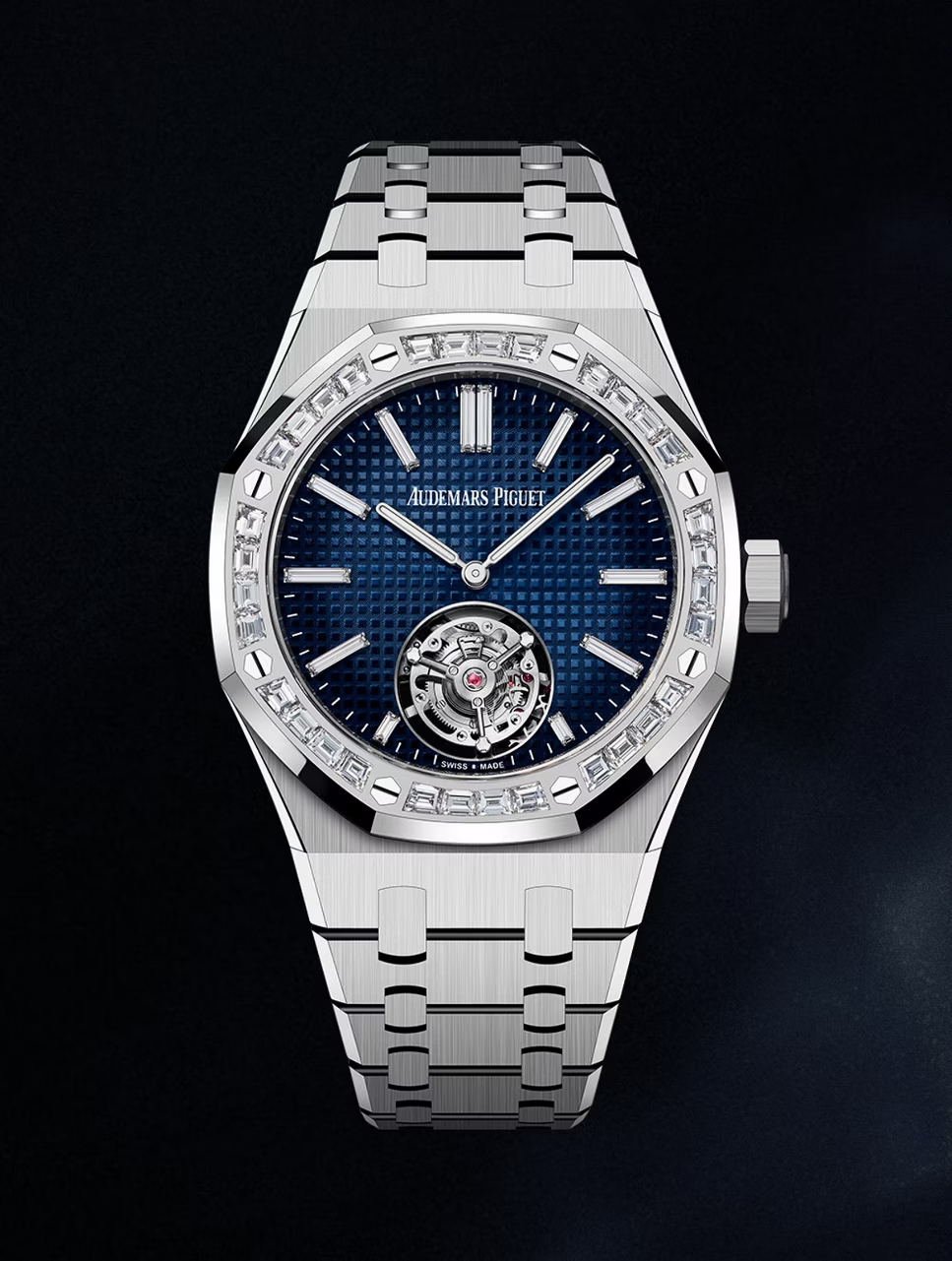
When stones enter the composition, exact language becomes even more important. Name the report issuer, number, date and scope. Match the document to the stone and note whether the setting prevented any characteristic from being assessed. Keep branded provenance, ownership history and gemological findings in separate fields so one is never mistaken for another.
The same restraint applies to a jewelled watch. A family name may establish design context, while metal, setting, movement and the precise reference establish the object.
- Record
- Issuer, number and date
- Match
- Stone or object identified
- Scope
- What was and was not assessed
- Separate
- Identity, condition and value
What a sale result can prove
Phillips reported CHF 74,846,995 for Geneva Watch Auction XXIII, held on 9 and 10 May 2026, with 224 of 225 lots sold. That is a remarkable result for a named catalogue, a particular audience and stated sale conditions. It is not a standing price list for every watch represented in the room.
A comparable earns its place through similarity. Reference, material, dial, movement, condition, completeness, provenance, venue, date and premium basis all matter. If one element differs, write down the difference. If several do, the result may remain interesting without remaining comparable.
Always preserve the whole catalogue entry and terms. A cropped screenshot of a headline figure removes the very context that gives the number meaning. Asking price, hammer price and premium-inclusive total should never be treated as synonyms.
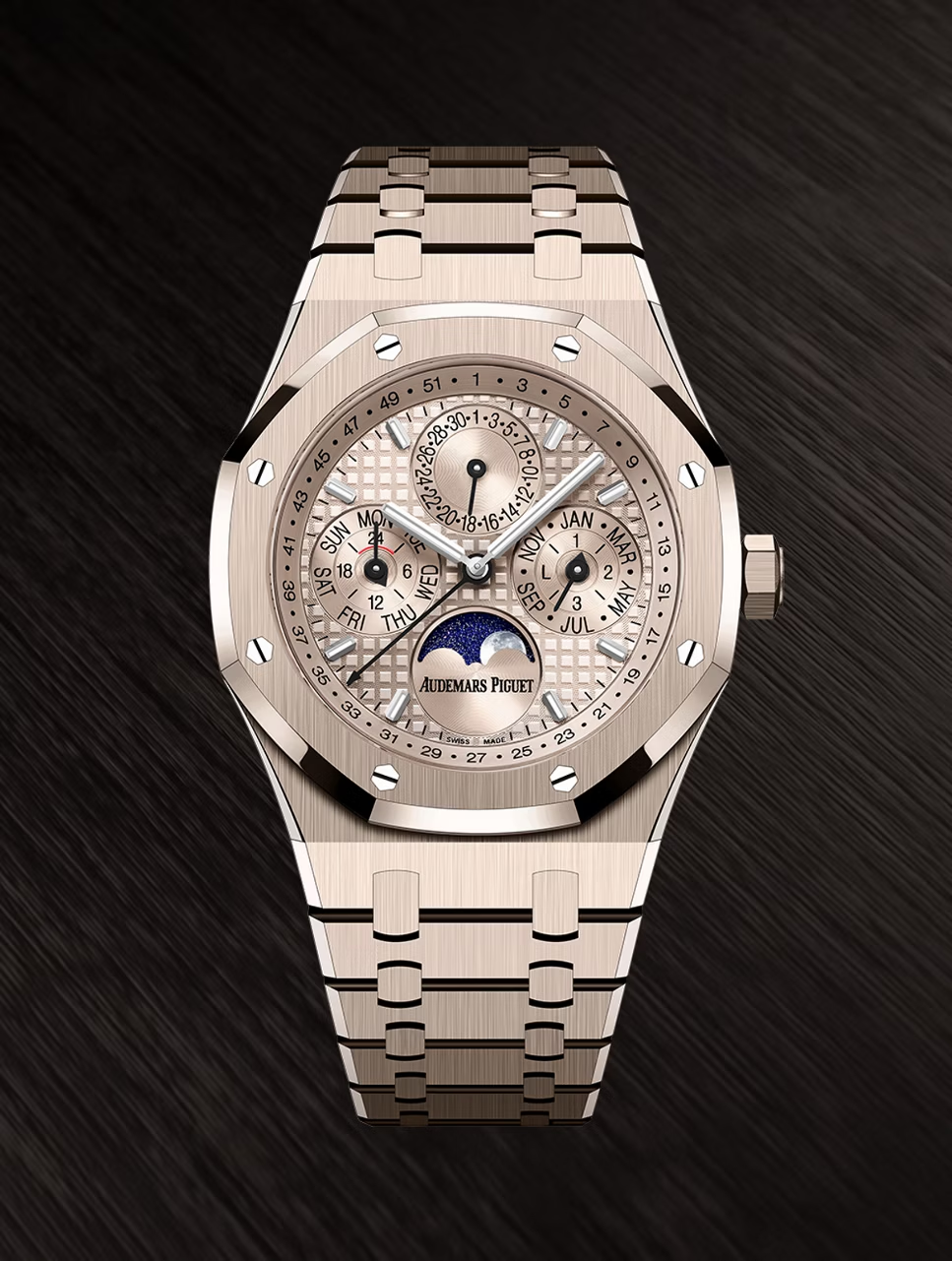
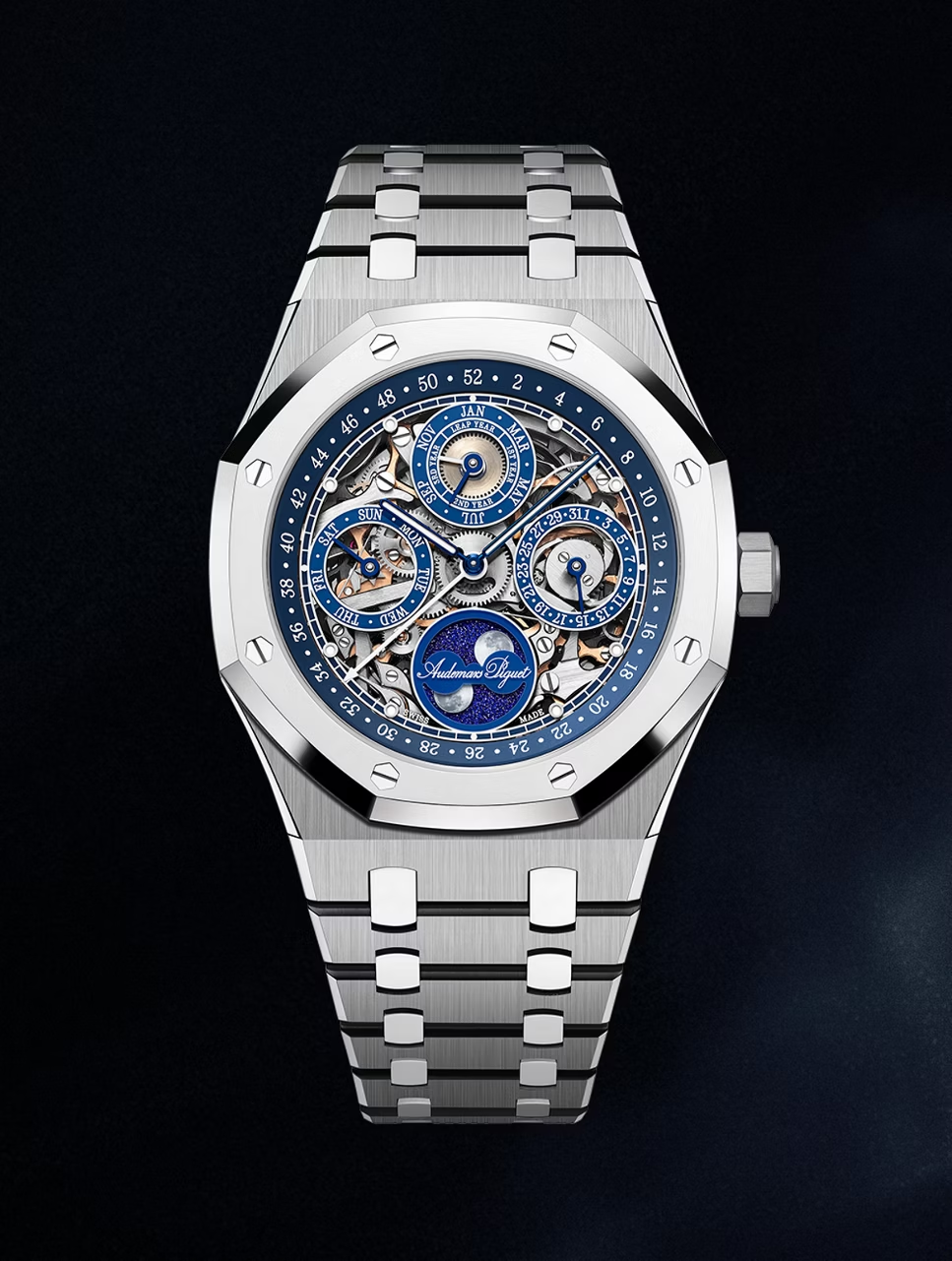
Complexity deserves a better file.
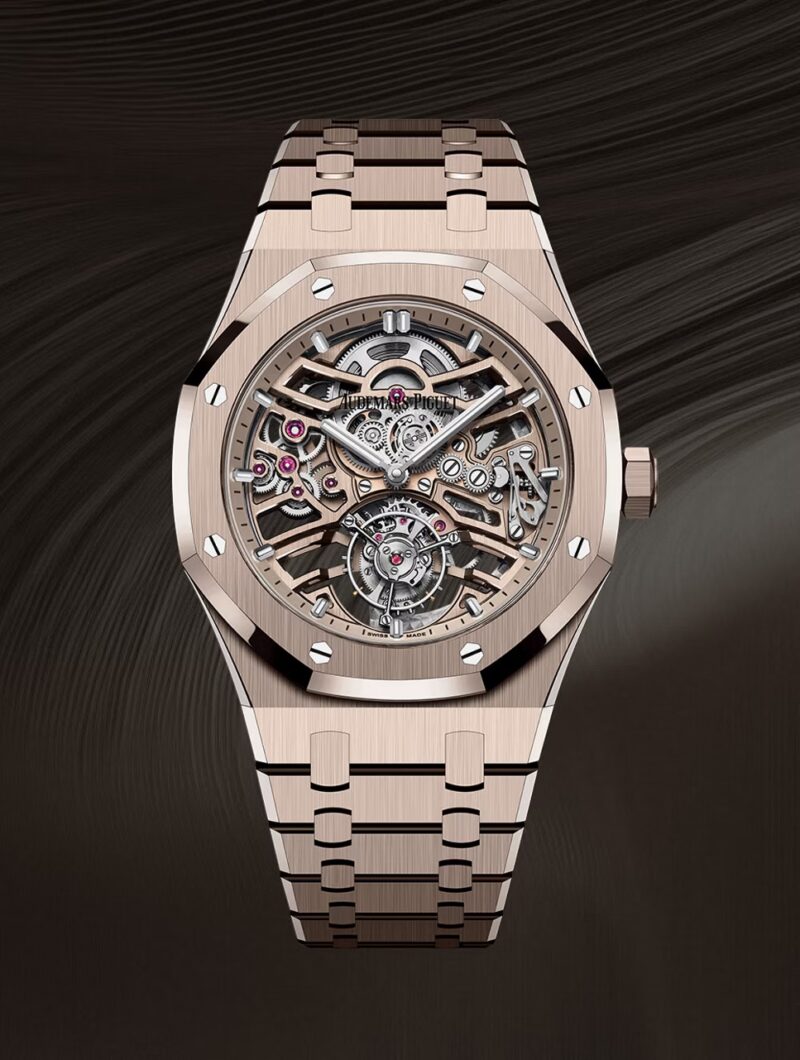
As technical and visual complexity rise, broad labels become less useful. Record the complication, material, dimensions, display, service history and supplied documents. The file should be detailed enough that another careful reader can understand why this object is not interchangeable with the next.
Build confidence in a deliberate order
A good acquisition file does not need to be theatrical. It needs to be coherent. Start with facts that can be observed and matched, then move outward to history and market context. If the object and its papers disagree, stop. If a seller cannot explain an intervention, keep the uncertainty visible.
Collector’s sequence
Six decisions before the price.
A practical order for moving from attraction to a file you can trust.
Proportion, colour, craft, history or wearability. A clear preference is easier to test than borrowed enthusiasm.
Reference, dimensions, material, movement or setting, marks and exact configuration.
Record wear, geometry, operation, stone security and every known intervention on a stated date.
Invoices, reports, archives and service records are useful for what they explicitly establish.
Compare like with like and retain venue, date, currency and premium terms.
An honest blank is stronger than a convenient certainty. Buy only with the uncertainty you can accept.
TheTimeo view
The most persuasive luxury objects do not need exaggerated financial language. Their quality becomes clearer when the editorial treatment is exact: the photography reveals rather than decorates, the copy distinguishes fact from inference, and the source note lets a reader retrace the reasoning.
This is also how trust becomes part of desire. The collector is free to admire the object without being hurried into a forecast. A house is represented with the seriousness its work deserves. The market remains present, but in its proper place: as dated evidence, never destiny.
Let beauty begin the conversation. Then build a record strong enough to preserve what made the object worth wanting.
Sources & credits
Sources & further reading
Methodology and sources. This evergreen guide was rechecked on 12 September 2026. The Royal Oak visual language and reference details were checked against Audemars Piguet’s official Royal Oak collection page and its official page for reference 26240CE.OO.1225CE.02. The auction example was checked against Phillips’ official Geneva Watch Auction XXIII release. The boundary between a gemological report and a valuation was checked against GIA’s official report guide. Published results are treated as dated transactions under stated sale terms. No return projection, resale target or recommendation to invest is included.
The finest acquisition is one you can still describe clearly after the price has left the room.
TheTimeo editorial desk
Further stories from this world

Insights & Investment
The TheTimeo Provenance Standard: What Should Travel With an Object

Insights & Investment
How to Audit a Luxury Watch Listing: Nine Details That Matter

Insights & Investment
How to Read a Jewellery Auction Lot: Five Separate Lines of Evidence

Insights & Investment