
TheTimeo / Insights & Investment
WHAT ENDURES:
the object, the record, the desire
Enduring collectibility begins with design, material intelligence, condition and a record that keeps every important claim attached to its evidence.
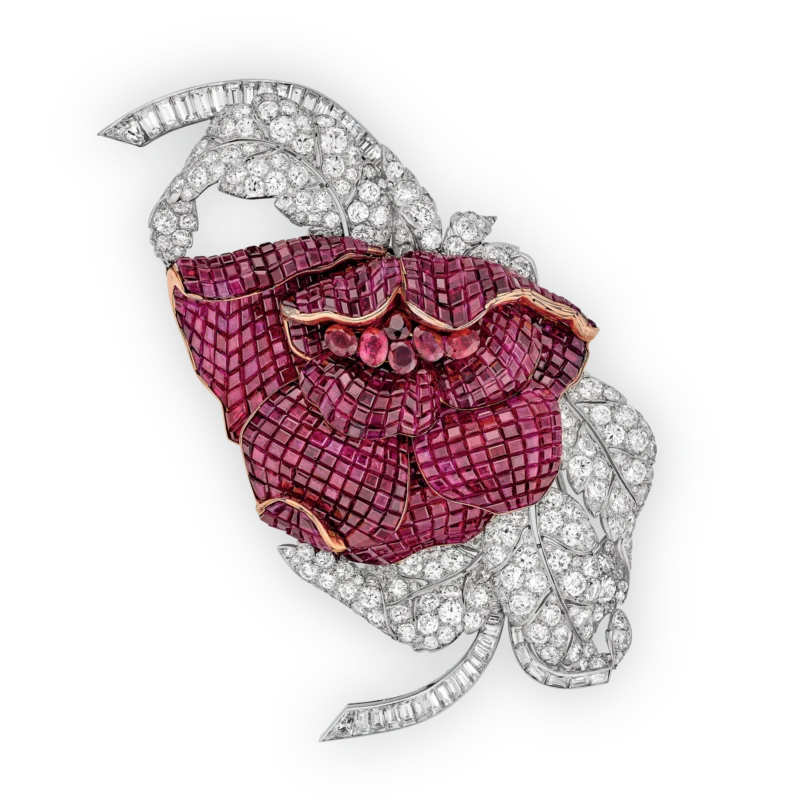
Van Cleef & Arpels Mystery Set Peony clip from 1937. Courtesy of Van Cleef & Arpels.
Explore the story
Some objects announce their importance. Others reveal it slowly: a line repeated across decades, a movement architecture that still rewards examination, a jewel whose construction lets colour appear almost unsupported. Endurance begins when an object continues to give us reasons to look.
Four forms of endurance
- Design endurance: the object remains visually coherent beyond its launch moment.
- Material endurance: construction and care allow it to survive use.
- Cultural endurance: the object retains a place in a maison, craft or collecting history.
- Documentary endurance: identity, condition and ownership evidence remain attached to it.
A collectible is more than a famous name
A signature can open the door, but the object must carry the conversation. In watchmaking, that may mean the relationship between case, dial and calibre; in jewellery, the way a workshop controls light, movement and the contact between metal and body. The strongest designs are not merely recognisable. Their decisions remain intelligible under close inspection.
That is why two objects from the same maison can have very different collector significance. One may represent a decisive reference, technique or period. Another may be beautifully made but widely available and weakly documented. Brand prestige cannot erase those distinctions.
Endurance is also not immobility. Watches are serviced. Rings are resized. Stones are reset. Clasps are replaced. The responsible collector does not demand a fictional state untouched by time; the aim is to understand what survives, what changed and whether the intervention respects the object.
Design becomes history through specific objects
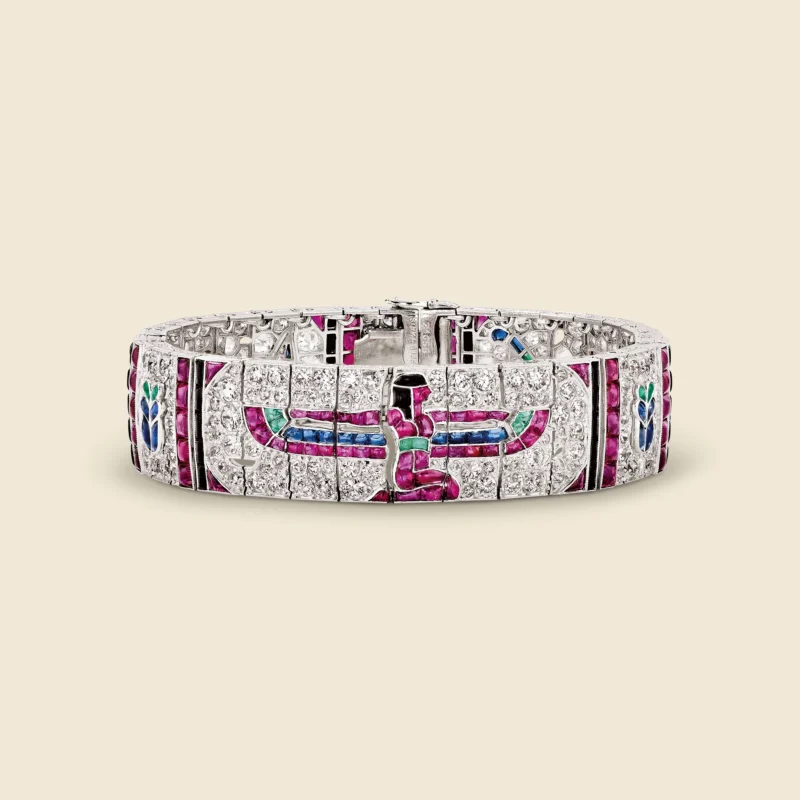
The Egyptian Pattern bracelet of 1924 sets hard colour and figurative motifs against a diamond and platinum ground. Courtesy of Van Cleef & Arpels.
An archive drawing and the jewel made from it answer different questions. The drawing can reveal intention, proportion and the evolution of a motif. The finished object records the decisions of the bench: stone selection, setting, articulation, surface and scale. Together they show how an idea moved from paper into material.
The same is true of a watch reference. A catalogue or archive extract can locate it in production history. The physical watch shows how that history has survived. Dial printing, case edges, movement components, hallmarks and service marks belong to the present examination. No archive document should be asked to certify what only the object can reveal.
This is where scholarship creates desire. History becomes tangible because it is attached to details the eye can find.
The endurance test
Explore the comparison
| Question | Evidence to seek | Weak shortcut |
|---|---|---|
| Why does the design matter? | Reference history, archive material, observable construction | Calling every established model iconic |
| What is the object? | Marks, numbers, dimensions, movement or gem report | Relying on resemblance or seller title |
| What survives? | Current specialist examination and high-resolution images | Using “excellent condition” without detail |
| What changed? | Service, repair, restoration and replacement records | Treating all intervention as invisible or fatal |
| Where has it been? | Dated ownership and transaction evidence | Turning an anecdote into continuous provenance |
| Why is it desired? | Specific design, craft and cultural context | Assuming a high asking price proves importance |
Proportion outlives fashion
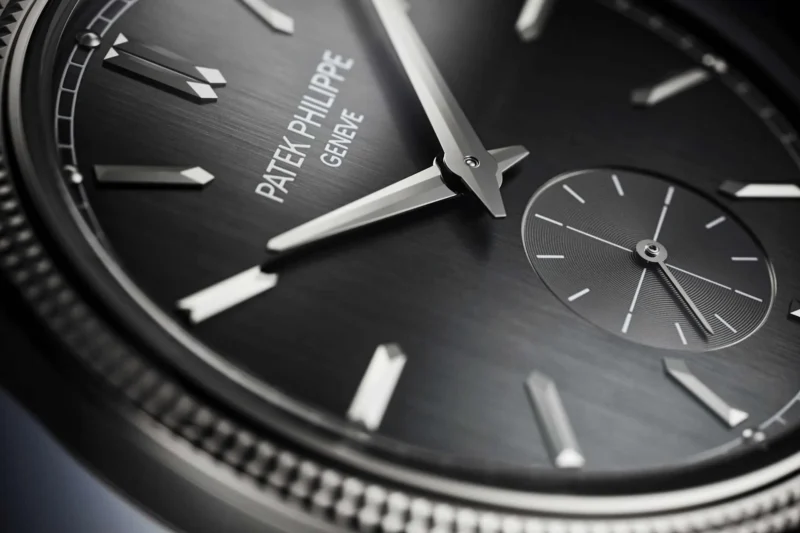
Dial and hobnail bezel detail of Calatrava reference 6119G-001. Courtesy of Patek Philippe.
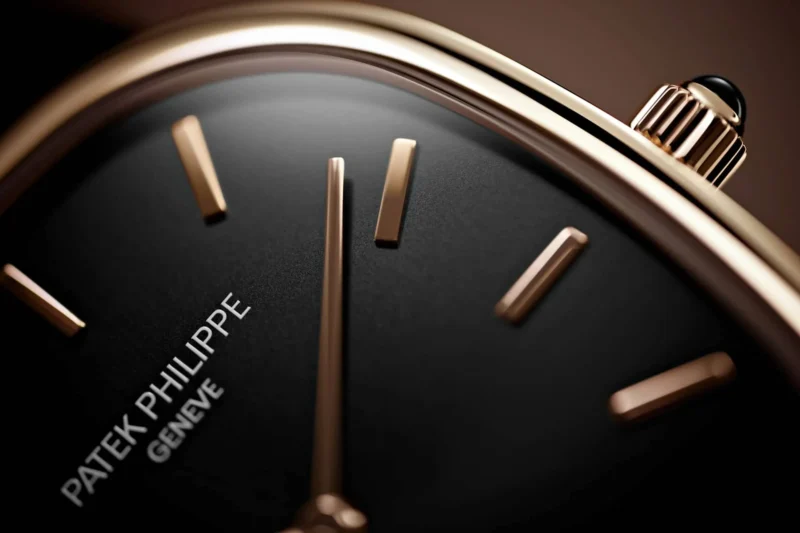
Case and dial detail of Golden Ellipse reference 5738R-001. Courtesy of Patek Philippe.
Enduring design often begins in proportion. The diameter of a watch is only one measure; bezel width, dial opening, lug geometry and thickness determine how the object occupies the wrist. In a jewel, scale is animated by movement: a clip, necklace or ring changes as the body turns.
Details create continuity. A hobnail bezel catches light differently from a polished plane. An elliptical case makes restraint feel deliberate. A setting can appear effortless only because the workshop has controlled every visible support. These are not abstract virtues. They can be photographed, compared and described.
Collector language becomes stronger when it stays close to those observations. “Timeless” says very little. Explaining why a proportion still feels resolved says much more.
Archive, evolution and continuity
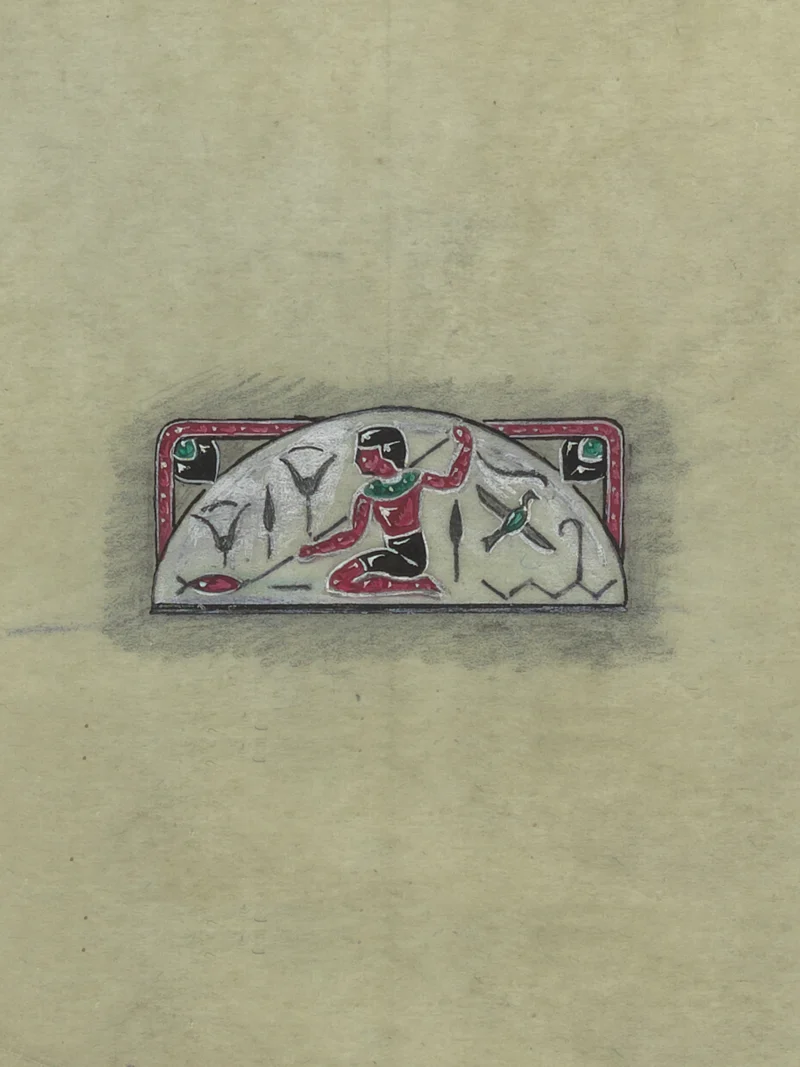
An Egyptian-inspired brooch design from circa 1925 records how the Maison translated figures and pattern into Art Deco geometry. Courtesy of Van Cleef & Arpels.
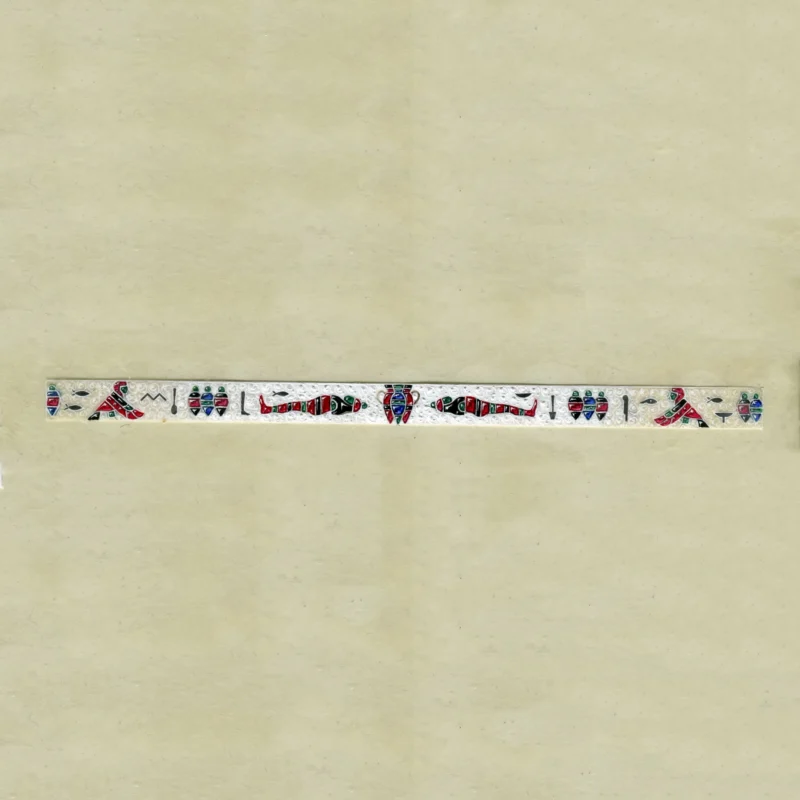
The bracelet drawing separates the source imagery from the finished jewel and makes the act of translation visible. Courtesy of Van Cleef & Arpels.
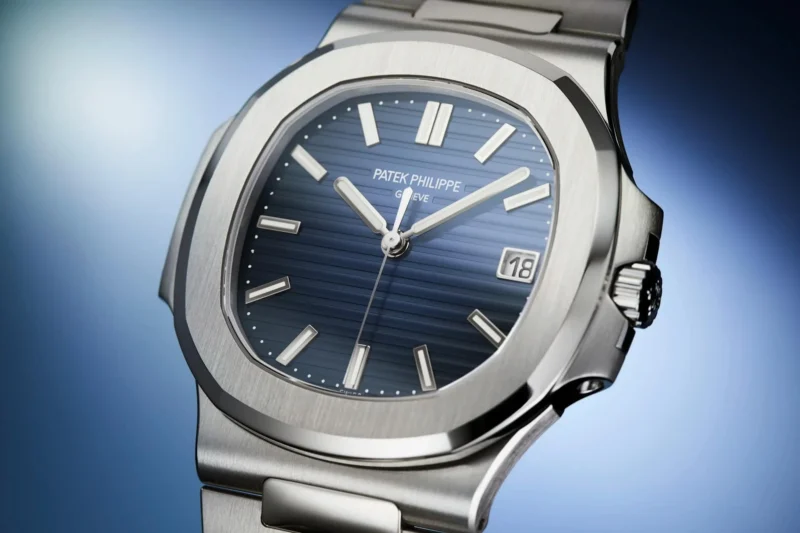
Case and dial detail of Nautilus reference 5811/1G-001. Courtesy of Patek Philippe.
A maison archive may confirm a recorded production or sale date, case material, calibre or dial description. Its exact scope matters. Patek Philippe states that an Extract from the Archives reproduces information from its historical registers and is not a certificate of authenticity. That limit makes the document more useful, not less: it tells the collector precisely which question it answers.
Historic designs also evolve. A motif can move between drawing, jewel and later reinterpretation; a watch family can change dimensions, movement or material while retaining an identifiable architecture. Continuity should be demonstrated through objects and dated records, not assumed because a name survives.
The most valuable archive habit is therefore simple: preserve the source beside the claim. A caption, catalogue page or extract should remain attributable and dated so that a future reader can retrace the conclusion.
Build the record while ownership is easy to remember
- Keep invoices, archive correspondence, laboratory reports and service records as separate documents.
- Photograph front, back, sides, marks and identifying details at acquisition.
- Record every intervention and retain replaced components when appropriate and permitted.
- Use confidence labels for documented, attributed, observed and unknown facts.
- Keep sensitive serials and owner information in a private master file.
- Create a redacted transfer copy that can travel safely with the object.
Documentation is not administrative residue. It is part of stewardship. A clear file allows the next owner to distinguish memory from evidence without losing either.
The object that remains itself
A watch or jewel endures when time adds context without dissolving identity. It can bear wear, service and new ownership while its essential design remains legible and its history becomes more precise.
No formula can guarantee that the market will reward those qualities. That is not their purpose. They reward the collector first: with a more intimate understanding of what was made, how it survived and why it still matters. The finest acquisition is not merely scarce. It is an object whose beauty and evidence can continue to travel together.
Sources & further reading
This evergreen essay was rechecked on 12 September 2026 against official maison archive/collection material, institutional gem-report guidance and auction condition guidance. Sources establish their own records and service scopes; they do not authenticate or value an individual object shown here. All photography is existing governed official-source media with its original credit retained.
The Edit
Insights & Investment stories
Selected stories from the same editorial universe.

The TheTimeo Provenance Standard: What Should Travel With an Object
A collectible object needs more than a pile of accessories. Identity, ownership, service, condition,

How to Audit a Luxury Watch Listing: Nine Details That Matter
Before judging price, audit the listing: identity, configuration, condition, service, documents, photography, seller claims,

Auction Estimates, Hammer Price and Buyer’s Premium Explained
The fall of the hammer is wonderfully clear; the number that appears afterwards can

How to Read a Jewellery Auction Lot: Five Separate Lines of Evidence
A laboratory report, maker’s mark, condition note, repair record and provenance answer different questions.

Watch Documents and Provenance: Build the File, Test the Claims
A watch can become more captivating when its past comes into focus. An archive
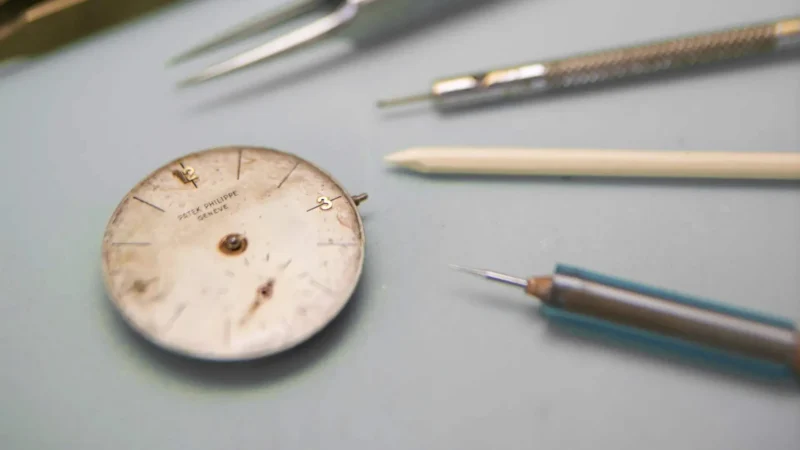
Watch Service History: Build a Record That Travels With the Object
The best service history reads like a biography of the watch. It shows how