Insights & Investment
Buying a Pre-Owned Watch: The Pleasure and the Proof
An earlier reference, a particular dial, a watch that feels right on the wrist. How to explore pre-owned watches without leaving identity, condition and service to assumption.
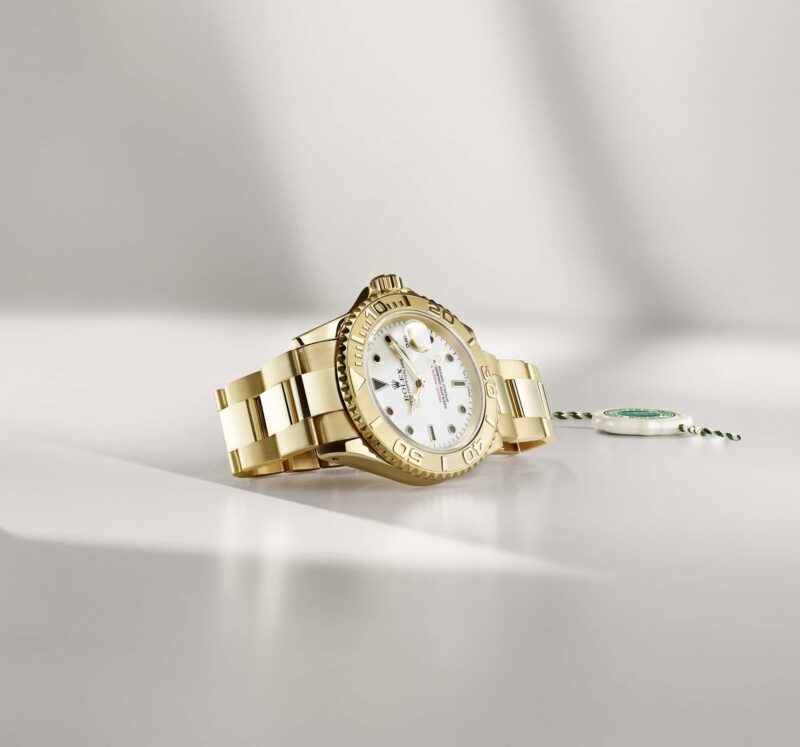
The watch in front of you.
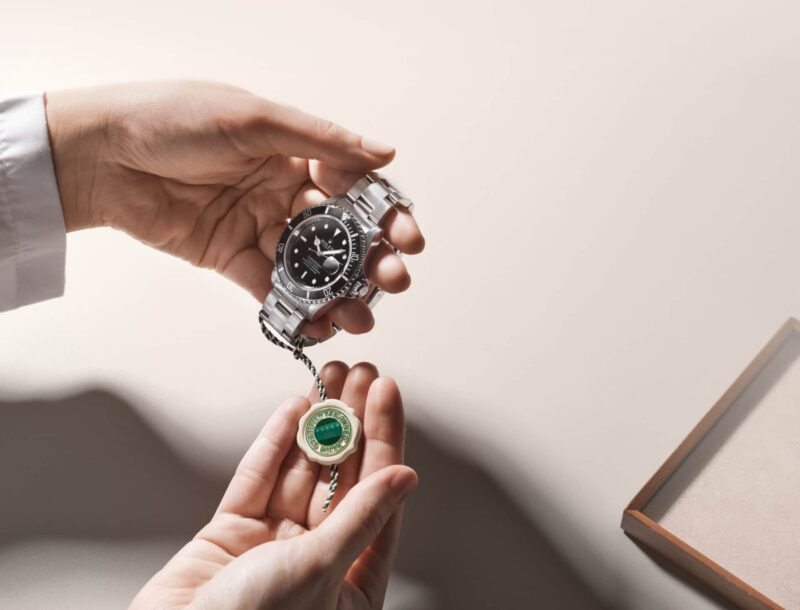
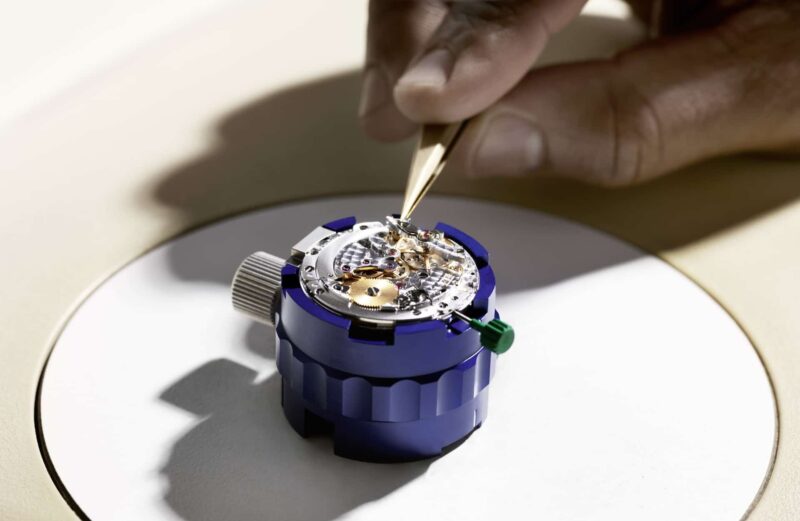
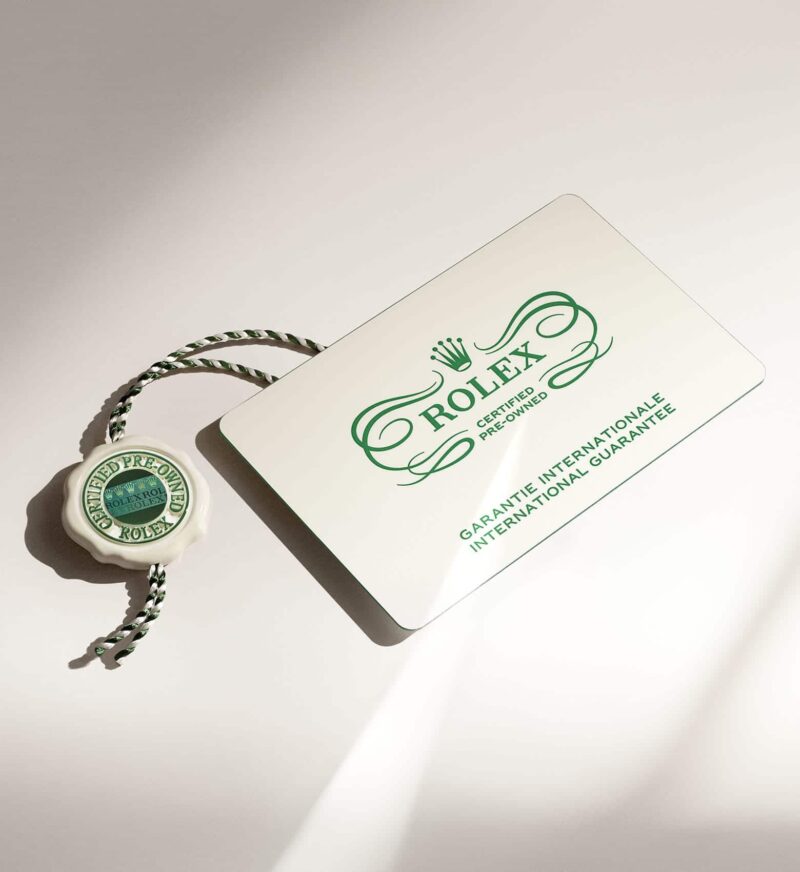
These photographs from Rolex’s official Certified Pre-Owned programme show the object, workshop attention and accompanying documents. They illustrate a named programme, not the condition or certification of watches offered elsewhere.
Why look beyond the current collection?
An older watch can make the search feel wonderfully specific. Perhaps it is a dial colour no longer in the catalogue, a smaller case that sits more naturally on your wrist, or the particular weight of a bracelet you remember from someone else’s hand. Pre-owned buying begins with that attraction. The useful work is discovering whether the actual example deserves it.
There need not be a financial argument for choosing an earlier reference. Availability, design and personal attachment are reasons enough. A watch bought to be worn can be a satisfying acquisition without becoming more expensive later. This guide considers the buying decision, not forecasts of demand or promises of a return.
Treat the model and the individual watch as two separate subjects. Research tells you what the reference is meant to be. Examination tells you what has happened to this one. Neither a famous name nor a handsome photograph completes both tasks.
Four descriptions, four different questions
Pre-owned describes previous ownership. Vintage is a term whose use varies; it should not be allowed to substitute for a production period or reference. Serviced describes work performed. Certified requires you to identify the party, the scope and the supporting document. Keeping those words separate makes a listing easier to read.
Pre-owned
Ask what is known about prior ownership and use. Do not read “previously owned” as either a warning or a condition grade. The present description and examination still matter.
Vintage
Ask for the reference, a supported date or date range and the basis for it. Discuss the older watch’s practical limitations rather than assuming it will behave like a current model.
Serviced
Ask who performed the work, when, and what the invoice records. “Recently serviced” is too broad if it leaves component replacement, refinishing and testing unexplained.
Certified
Ask who certifies the watch and what the certification establishes. A manufacturer programme, a retailer’s assurance and an independent opinion should be compared on their written scope.
A manufacturer programme is a defined route
Rolex’s Certified Pre-Owned programme is a useful concrete example. The official page covers watches at least two years old sold by participating Official Retailers. It describes authentication, full service and a two-year international guarantee beginning at purchase, with a distinct seal and guarantee card.
The certification page adds an important qualification: genuine replacement components can be used where necessary, and some older watches have exceptions concerning water resistance and original precision. An authenticated, serviced watch should therefore not automatically be described as untouched since its first sale.
Those are Rolex’s programme terms, not a definition of all certified pre-owned watches. For any other offer, establish the issuer, eligible watch, scope, exclusions and claim procedure afresh. If preserving particular period components is central to your interest, ask about those components before choosing a buying route.
Read the physical watch, slowly
Begin with the overall shape. Does the example correspond to the reference you intended to see? Then move closer: dial, hands, bezel, case sides, crown, back, bracelet and clasp. Ask the seller to explain visible differences from your reference material and to distinguish confirmed information from an opinion.
Good questions need not become an amateur verdict. A replacement dial, a refinished case or a later bracelet may be acceptable for your purpose if they are understood and accurately described. They may be unacceptable if your interest depends on a particular historical configuration. Decide which question you are trying to answer before judging the watch.
When authenticity, attribution or a valuable period component remains uncertain, arrange assessment by an appropriately qualified specialist before committing. A magnified photograph can help you ask a better question; it does not give you the expertise to settle every question yourself.
A short dossier before payment
The following is TheTimeo’s editorial buying method, not a universal requirement imposed on every seller. Keep the useful evidence together and ask for clarification where one document contradicts another. Full identifying numbers belong in a private record, not a public social post.
Exact identity
Record the maker, full reference, case material, dimensions and identifiers supplied privately. Note the source of any production-date claim and keep a range where an exact date cannot be supported.
Present condition
Request dated photographs of the actual watch, including the back and clasp. Add the written condition description and any disclosed defects. Campaign imagery is useful reference material, not a substitute for this record.
Configuration
Ask which components are documented as original to the example, which have been replaced and which remain uncertain. Avoid upgrading “correct for the reference” into “original to this watch”.
Work performed
Retain service invoices and the stated scope of recent work. Identify replacement parts, refinishing and testing where recorded. Ask what further work is recommended and whether an estimate is available.
Documents and accessories
List the box, papers, guarantee, links and other items included. Distinguish the watch’s documents from packaging assembled later. An attractive set should not stop the examination of the watch itself.
The purchase terms
Keep the seller’s identity, invoice, guarantee scope, return terms and delivery arrangements. Resolve questions before payment; do not assume that a policy from a different seller or country applies here.
Try the watch you are buying
A familiar reference can still surprise you on the wrist. Check whether the bracelet can be sized as needed, whether all included links are accounted for, and whether the clasp feels comfortable. Look at the dial in ordinary light rather than only beneath a display lamp. The watch should be convincing at the distance from which you will actually wear it.
Put the functions you expect to use into the conversation. Ask for the correct operating instructions and recent test information relevant to your use. Do not improvise water exposure to prove a listing’s description. If you plan to swim with an older watch, have its suitability and current water resistance assessed rather than relying on an engraving on the back.
Questions worth keeping open
Some answers should change the decision; others should simply make it more precise. These questions are deliberately practical. They help distinguish an interesting example from an unresolved purchase.
01Is a lower asking price enough reason to buy?
Compare the total acquisition, not just the ticket: disclosed condition, work required, included accessories, guarantee and the seller’s terms. A lower price does not resolve an uncertain identity or an example you would not otherwise choose.
02Does a full set prove the watch is original?
Treat documents and accessories as evidence to examine, not an automatic verdict. Ask how they connect to the watch and which claims are actually supported. Have important unresolved questions assessed independently.
03When should I walk away?
Pause if the seller will not identify the actual example, explain material discrepancies or put agreed terms in writing. You need not accuse anyone of wrongdoing to decide that the available evidence is insufficient for your purchase.
Leave room for enjoyment
Once the material questions have been answered, return to the reason you looked at the watch. The proportions, the dial, the feeling of fastening it before going out. Buying carefully should make those pleasures easier, not bury them under a permanent search for defects.
The right pre-owned watch is not necessarily the oldest, the rarest or the one described with the most confidence. It is an example whose identity and compromises you understand, whose practical demands you accept, and which you still want to put on your wrist.
Sources & credits
Sources & further reading
Methodology and sources. Rechecked on 13 September 2026 against the official Rolex Certified Pre-Owned programme and certification process. Age eligibility, service, guarantee, replacement policy and older-model qualifications are attributed only to that programme. The terminology distinctions, examination prompts and dossier are TheTimeo’s editorial buying method, not a universal authentication protocol or legal advice. Official Rolex photographs are illustrative and do not document a watch offered by TheTimeo; original source pages, media URLs, dimensions, credits and hashes are retained. No market-growth, resale-price, investment-return or automatic sustainability claim is made.
Buy the example you have examined, not the description you hoped to find.
TheTimeo — editorial buying principle
Further stories from this world

Insights & Investment
The TheTimeo Provenance Standard: What Should Travel With an Object

Insights & Investment
How to Audit a Luxury Watch Listing: Nine Details That Matter

Insights & Investment
Auction Estimates, Hammer Price and Buyer’s Premium Explained

Insights & Investment