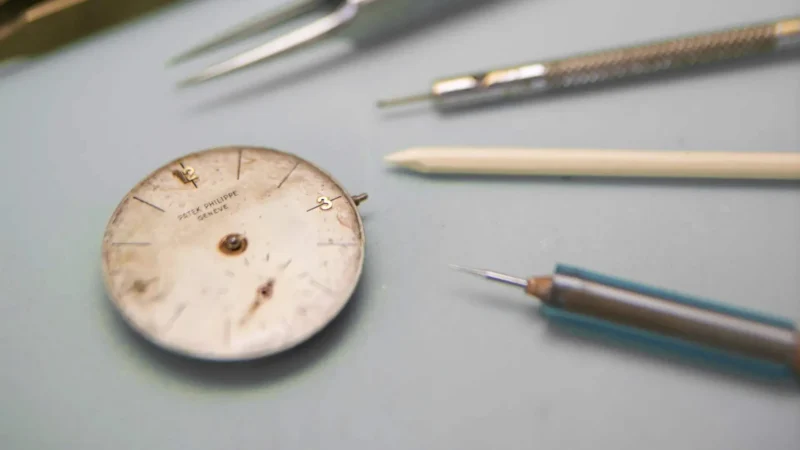
Insights & Investment
Watch Servicing: Before the Case Is Opened
A good service begins with the right questions: when to seek advice, which work to approve and how to preserve a record that stays with the watch.
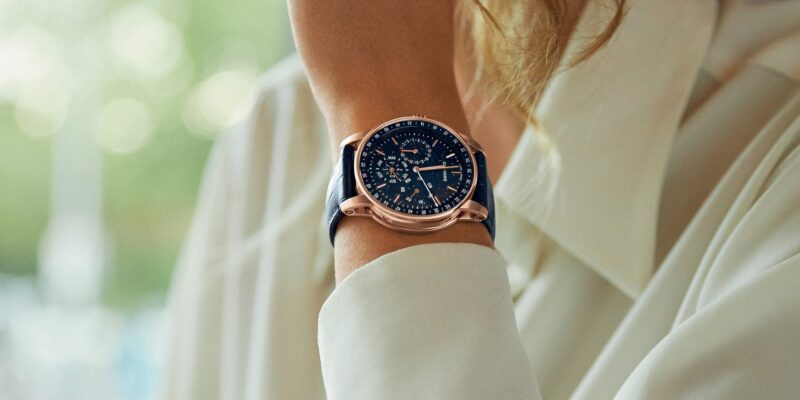
The mechanism, the finish and the written brief.
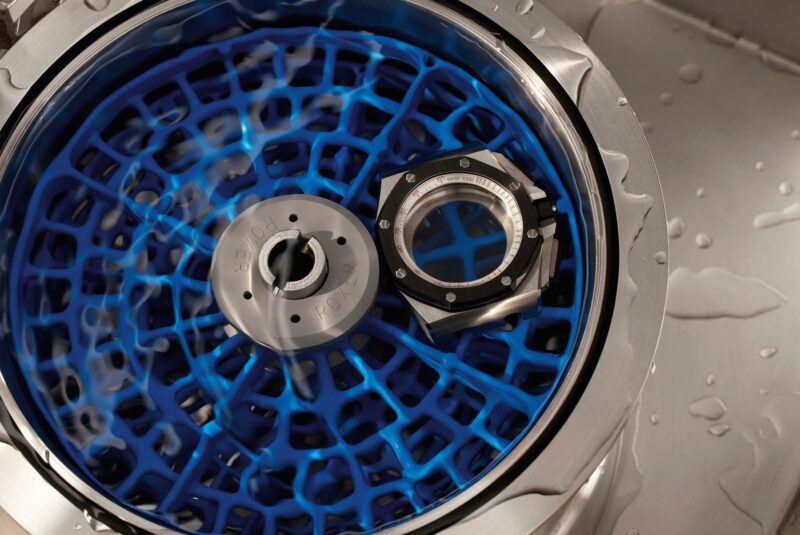
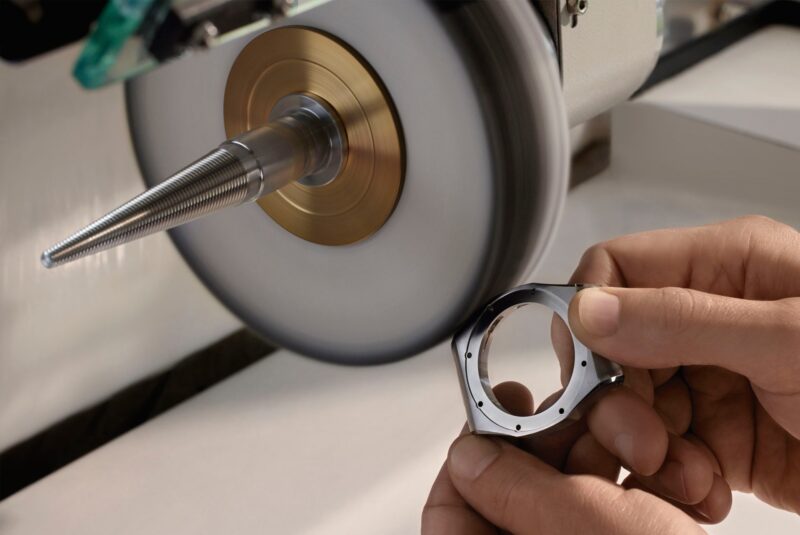
Diagnostics, water-resistance work and refinishing have different purposes. This four-image sequence comes from Audemars Piguet’s official care material; the guide distinguishes manufacturer procedures and recommendations rather than treating them as one universal service package.
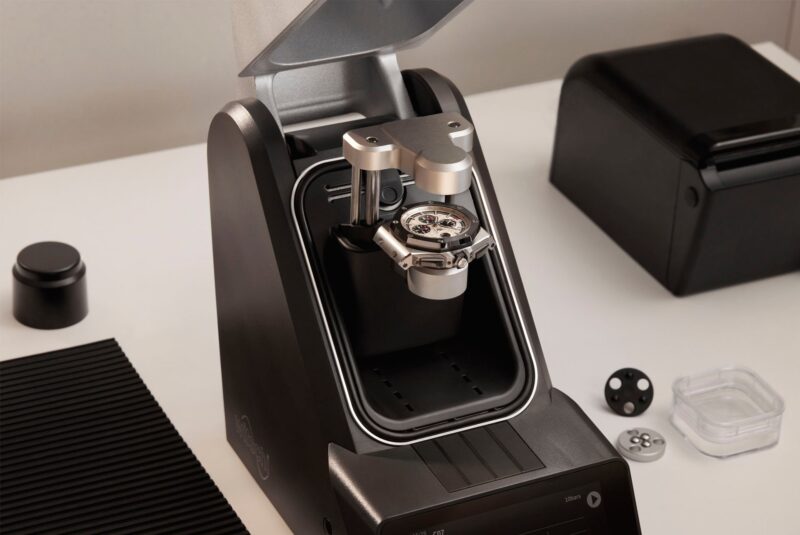
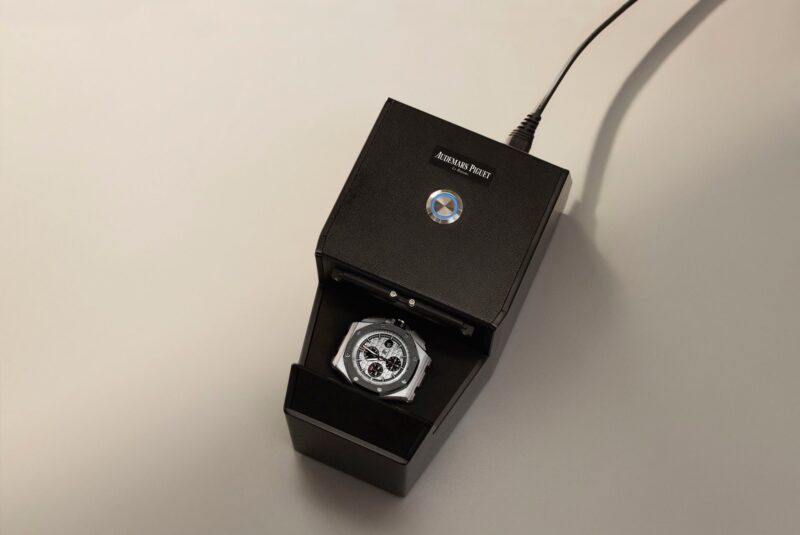
The watch has a life beyond the photograph
The best sign of a watch’s place in a collection is often the simplest: it is worn. It slips under a cuff, accompanies a journey, gathers the small marks of ordinary days. Service belongs to that life. It is not a ritual performed to make an object look untouched, and it is not a promise about its next selling price.
A good service begins before the case is opened. The owner describes what has changed; the watchmaker establishes what is needed; both agree on the work. That conversation matters as much for a contemporary daily watch as it does for an older example whose dial, hands or case finish deserve particular care.
There is no useful universal timetable or price for every luxury watch. Start with the current instructions for the exact model, its use and the maker’s assessment. If performance changes or a problem is suspected, ask for advice rather than waiting for a date copied from a generic guide.
A check is not an overhaul
The word service can conceal several different jobs. Ask what is being proposed before deciding whether the scope suits the watch.
Diagnostic check
Establishes a condition or performance question; it may not involve a complete dismantling.
Water-resistance work
Addresses seals, case integrity and the applicable tests; it is not a permanent guarantee against water.
Full maintenance
Follows the provider’s defined movement, component and testing procedure.
Refinishing
Changes external surfaces and requires a separate, explicit decision.
Use the model’s instructions, not a borrowed interval
Rolex currently recommends servicing approximately every ten years, depending on the model and real-life use. That is a Rolex recommendation, not a rule for all mechanical watches. The brand also assesses each watch and provides an estimate before work begins.
Audemars Piguet recommends annual checks of chronometric performance, functions, water resistance and magnetisation. Those checks are distinct from complete maintenance. The contrast is useful: an inspection schedule and an overhaul schedule should not be folded into one number.
Keep the manual and current maker guidance for your reference. Tell the service provider how the watch is worn, whether it has recently been shocked or exposed to water, and what you have observed. A rate change can be a useful symptom to report; it is not, by itself, a diagnosis. AP’s care guidance notes that magnetic fields may interfere with a movement’s performance and that demagnetisation is a specific intervention.
Describe the symptom. Agree the scope.
A watchmaker needs observations, not a diagnosis copied from the internet. Note when the behaviour began, what changed and how the watch was being used. Then ask which work is necessary, which is optional and which cannot be omitted under the provider’s service policy.
What full maintenance may contain
Rolex’s published procedure separates assessment, dismantling, inspection, cleaning, assembly and lubrication, followed by technical and final checks. Components that no longer meet its requirements are replaced. Tudor likewise describes component inspection, seal replacement, waterproofing tests and final control. These are named manufacturers’ procedures, not a guarantee that every independent workshop offers an identical package.
The sequence below is a working guide to reading a proposal. Match it to the written scope you receive. Ask about anything that is unclear, especially where a mechanical need and a visible change are being discussed together.
Assessment and estimate
Ask the provider to identify the problem, proposed intervention and expected cost basis. Keep your own requests on the job record. If additional work may be found after dismantling, establish how further approval will be obtained.
Dismantling and inspection
A complete movement service may involve removing and examining individual components. Ask which assemblies are included and what replacement policy applies. The phrase full service should be backed by a defined procedure.
Cleaning and component decisions
Find out which parts will be cleaned, repaired or replaced. Where original visible components matter to you, discuss them individually rather than relying on an instruction such as keep everything original.
Assembly and lubrication
The movement is reassembled according to the provider’s procedure. Avoid prescribing oils or adjustments yourself; ask for the work and its outcome to be recorded by the specialist responsible for it.
Case, seals and external finish
Confirm the case work and water-resistance tests appropriate to the model. Keep polishing, satin-finishing and replacement of external parts clearly identified. These decisions should not disappear inside a general description of cleaning.
Testing and return record
Ask which functions and performance criteria are checked, what results are supplied and what service guarantee applies. Keep the dated invoice and work description with the exact reference and identifying numbers.
The finish is a decision, not an afterthought
A familiar watch can carry much of its character in the meeting of polished and brushed surfaces. Refinishing deserves a deliberate conversation. Audemars Piguet says polishing should be carried out only a limited number of times; it does not promise to remove the natural patina that develops with time.
Tudor explicitly describes complete service with or without case and bracelet refinishing. That distinction is valuable. Ask whether the same choice exists for your model and provider, and whether any other work depends on it. A request can be discussed, but the workshop must explain what it can safely accept.
For an older watch, make a separate note of dial, hands, bezel, case and bracelet requests. We recommend dated photographs before handover so that both parties can refer to the same visible state. That is an ownership method, not a claim that untouched surfaces are always technically preferable.

The return dossier
Bring the record home with the watch
The moment of return is usually a pleasant one: the watch is back in the hand, the fastening feels familiar, the movement is running. Give the papers the same attention before filing them away.
Match the reference and identifying details, read the work description and clarify any unexpected component change. Keep the estimate, final invoice and correspondence together. A later owner should be able to understand what happened without reconstructing the conversation.
- Identity
- Exact watch and date of intervention
- Work
- Performed scope and documented replacements
- Tests
- Checks supplied by the service provider
- Guarantee
- Issuer, duration, terms and exclusions
Before, during and after
Keep the process simple enough to repeat. The aim is a clear record and a watch that can be used with an understood service history.
Before — A written brief
Record symptoms, model details, photographs and your external-finish preferences. Check handover and transport instructions. Agree how the provider will contact you if the scope changes.
During — A controlled decision
Read the estimate before approval. Ask about necessary work, optional refinishing, replacement policies and any limitations. Retain your written authorisation and later amendments.
After — A dated record
Review the returned watch and documents, follow the provider’s operating advice and note the next review or check appropriate to the model. Keep concerns attached to the job reference.
Three questions that deserve plain answers
Cost, guarantee and service route are not details to leave until the end. Patek Philippe publishes maintenance scope and service costs, including possible component replacement and a two-year maintenance warranty. That is manufacturer-specific information, not a price template for a different watch. Ask the provider for the terms that apply to your exact intervention.
01What will it cost?
Request an individual estimate and ask what is included, what may be additional and when another authorisation is required. Complications, condition and intervention scope make a universal luxury-watch service price unhelpful. Use the provider’s current quotation, not a dated range.
02What does the service guarantee cover?
Rolex, Tudor and Patek Philippe describe two-year service or maintenance guarantees for their stated procedures. Read each issuer’s terms rather than assuming that duration means identical coverage. A service guarantee is not an insurance policy against every accident or loss.
03Which service route is appropriate?
Start with the maker’s current guidance, the model’s requirements and any active guarantee terms. If considering another specialist, ask about competence for the exact calibre, parts access, testing and documentation. Do not claim that every third-party intervention has the same technical or warranty consequence.
Service should return the watch to your life
The point is not to keep a watch forever in the state of a showroom photograph. It is to understand its condition, care for its mechanism and make conscious choices about its surfaces. A properly written brief protects that distinction.
When the process is clear, ownership feels less like guesswork. You know which work was done, what was retained and what the provider stands behind. The watch can settle back under the cuff, carrying both the marks of its life and a record that explains how it was cared for.
Sources & credits
Sources & further reading
Methodology and sources. Rechecked on 12 September 2026 against Rolex’s servicing procedure and current care FAQ, Audemars Piguet’s care guidance, Tudor’s service procedure and Patek Philippe’s maintenance scope and cost page. Recommendations, replacement policies and guarantees are attributed to the named maker, not generalised across watches. Official care and service images were downloaded from Audemars Piguet’s verified media endpoints and registered with source page, credit, dimensions and hash. The written-brief and dossier sections are TheTimeo’s editorial ownership method. No universal service interval, fixed price, resale uplift or investment-return claim is made. The exact model’s current instructions, diagnosis and applicable service terms remain controlling.
The work should be clear before the watch leaves your hand.
TheTimeo — service brief principle
Further stories from this world

Insights & Investment
The TheTimeo Provenance Standard: What Should Travel With an Object

Insights & Investment
How to Audit a Luxury Watch Listing: Nine Details That Matter

Insights & Investment
Auction Estimates, Hammer Price and Buyer’s Premium Explained

Insights & Investment