
TheTimeo / Insights & Investment
COLLECTIBILITY:
without the promise of return
A rigorous way to read watches and jewels through identity, condition, documentation, rarity and desire—without turning collecting into a forecast.

Patek Philippe Calatrava reference 6196P-001. Courtesy of Patek Philippe.
Explore the story
A compelling object can stop a room before anyone asks what it may be worth. The line of a case, the architecture of a clasp, the colour held inside a stone: desire arrives first. Collecting begins when that response is joined by evidence.
The proposition in one minute
- Collectibility is not a synonym for future profit.
- Identity, condition, provenance and documentation answer different questions.
- Rarity matters only when the object is accurately defined and genuinely desired.
- An asking price, auction estimate and completed sale are different observations.
- Ownership costs and resale friction belong in the decision before acquisition.
Begin with the object, not the outcome
The old language of luxury investment begins at the wrong end. It asks which watch or jewel will rise, then searches for adjectives that make the prediction feel inevitable. Serious collecting reverses the sequence. It starts with the object in front of us: what it is, what survives, what has changed and which claims can be documented.
A Patek Philippe reference number can identify a family of watches, but it does not establish the condition of one example. A Cartier signature may be important, but it must be read with construction, marks and records. A laboratory report can describe a gemstone within its scope; it does not certify the authorship or complete history of the jewel around it. Evidence becomes useful when it stays inside the question it can answer.
This does not diminish romance. It protects it. The closer an object is read, the more specific its character becomes. Patina stops being a fashionable word and becomes a visible history. Proportion becomes something the wrist or body can feel. Rarity becomes a documented relationship between configuration, survival and demand—not a sales incantation.
Recognition is powerful, but it is not proof

Rolex GMT-Master II reference 126710GRNR on a Jubilee bracelet. Courtesy of Rolex/JVA Studios.
Recognisable designs attract attention because their codes travel. A GMT bezel, a rectangular dress watch, a flower translated into invisible setting: each can be understood across a room. Recognition can support a broad collector base, service knowledge and comparative research. It can also create lazy assumptions.
A famous name does not make every reference scarce. A limited number on a case does not show how many pieces reached the market, how many survive or how many buyers want that exact execution. A discontinued model is not automatically rare, and a currently difficult retail purchase is not the same thing as durable secondary-market demand.
The better question is not “Is the brand important?” but “What makes this example distinct within the brand?” Reference, material, dimensions, dial or stone configuration, production period, marks, accessories and condition create the answer together.
Six signals, six limits
Explore the comparison
| Signal | What it can establish | What it cannot promise |
|---|---|---|
| Maison archive | Recorded production or sale information within the archive’s stated scope | Present condition, complete originality or clean title |
| Laboratory report | Gem identity and reported characteristics within the service used | Jewel authorship, price or future demand |
| Condition examination | Physical state at a particular date | That no undisclosed intervention ever occurred |
| Provenance | A documented chain of custody or association | A universal premium detached from the object |
| Auction result | One completed public transaction under stated terms | A standing price for every comparable example |
| Retail scarcity | Availability through a particular channel at a particular moment | Long-term rarity, liquidity or appreciation |
Design is where endurance becomes visible

Tank Louis Cartier watch illustrating the collection’s enduring rectangular design. Courtesy of Cartier.

The pink-gold gadroons run into the pointed lugs and frame the black sapphire plane. Courtesy of Audemars Piguet.
Some objects remain legible because their design can absorb time. That does not mean they are unchanged. Straps, styling and cultural associations move around them; cases acquire wear; proportions fall out of fashion and return. The enduring element is often a clear design decision rather than a vague idea of timelessness.
Look at the silhouette before the logo. Look at how the clasp completes a bracelet, how a bezel controls the dial, how a setting lets a stone remain the visual centre. A collector who can describe why an object works is less dependent on market slogans. Taste becomes a form of due diligence.
Technical complexity deserves the same discipline. A complication may be historically important or exceptionally executed, yet complexity alone does not determine desirability. Serviceability, documentation, originality and the coherence of the complete watch matter alongside the movement.
Rarity needs a denominator
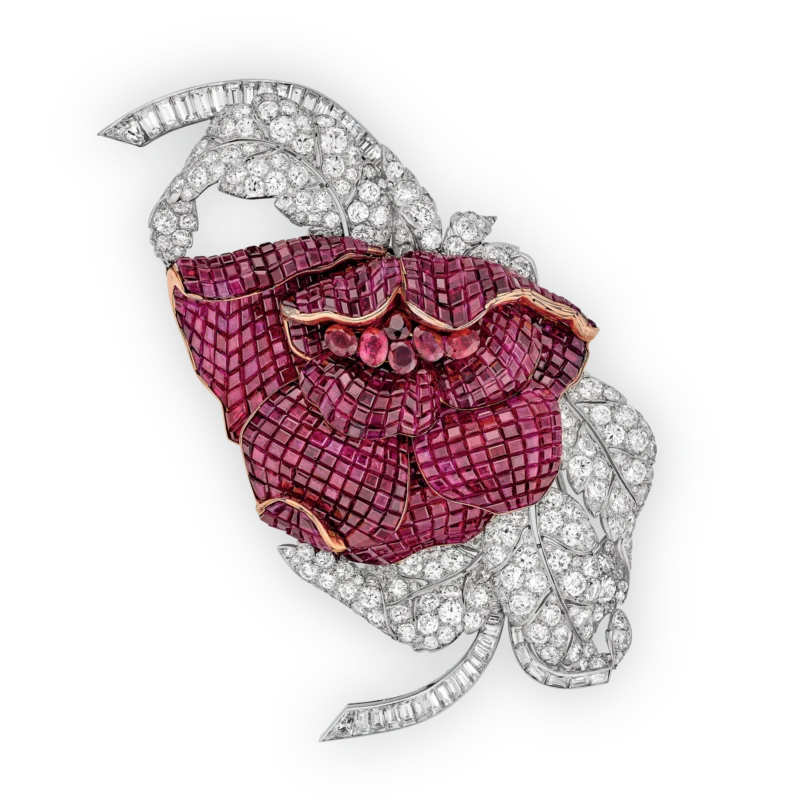
Van Cleef & Arpels Mystery Set Peony clip from 1937. Courtesy of Van Cleef & Arpels.
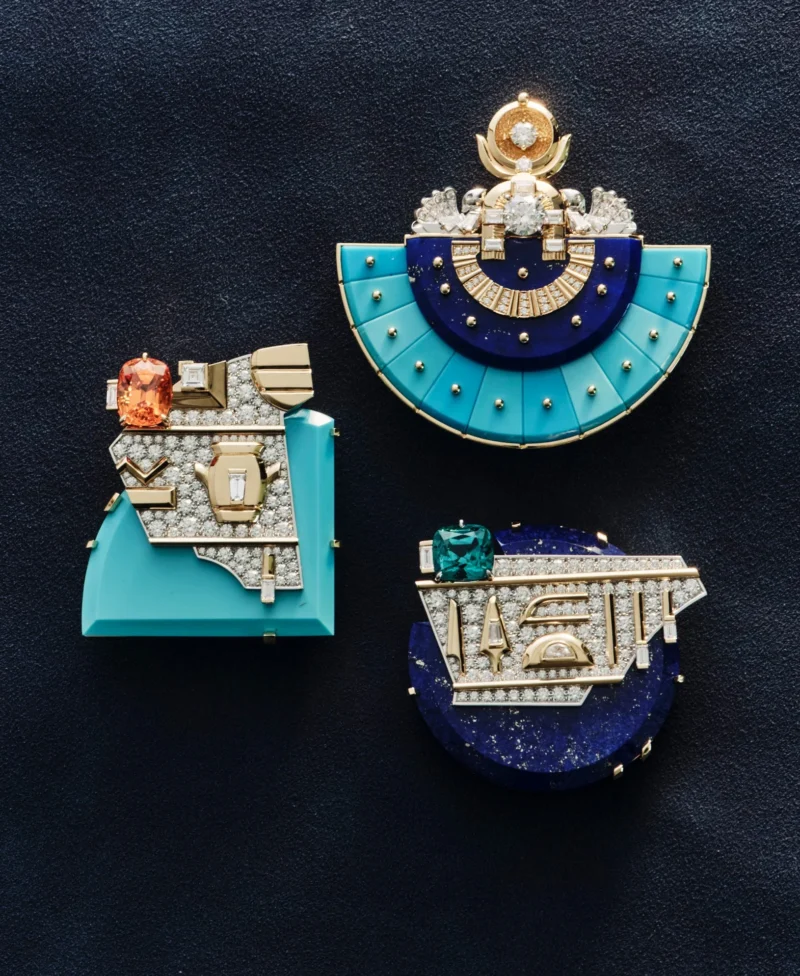
Fascinations d’Égypte moves between fragments, figures and transformable constructions rather than repeating a single symbol. Courtesy of Van Cleef & Arpels.
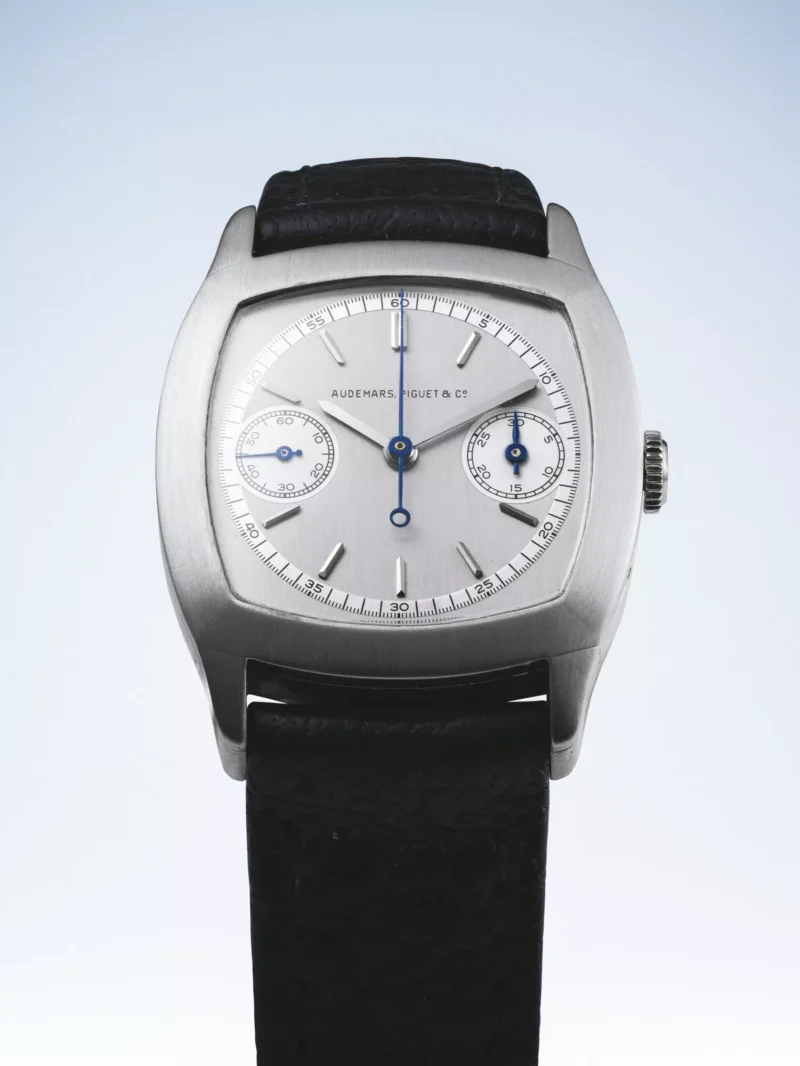
One of the exceptional watches that shaped Christie’s May 2026 Geneva sale. Courtesy of Christie’s.
“Rare” is incomplete unless we know what is being counted. Is the claim about an entire reference, one dial variant, a case material, a stone size, a signed historic jewel or examples retaining a particular configuration? Without that denominator, scarcity cannot be compared.
Survival also matters. Production quantity and present availability are different facts. Objects are altered, serviced, broken, separated from papers or kept outside public view. Auction appearances can reveal part of the surviving population, but not all of it. Dealer listings show supply offered, not completed demand.
The most persuasive rarity story is therefore narrow and documented. It describes exactly which attributes are uncommon, names the source and leaves space for what is unknown. That restraint creates more confidence than a superlative.
Before acquisition: the complete file
- Record the exact reference, serial or report identifiers without publishing sensitive numbers unnecessarily.
- Match the physical object to photographs, marks, dimensions and documents.
- Request a current condition description and identify service, repair, polishing, resizing or replacement.
- Separate asking prices, estimates, hammer prices and prices including premium.
- Include taxes, shipping, insurance, servicing and selling costs in the ownership picture.
- Decide whether the object would remain desirable if its market price were never discussed.
The last question is not sentimental. It is a useful stress test. It separates the pleasure and cultural value of ownership from a financial outcome that no article, dealer or auction result can guarantee.
Choose the object you can continue to understand
Collectibility is strongest when desire survives scrutiny. The object becomes more compelling—not less—when its identity is precise, its interventions are visible and its documentation can travel to the next custodian.
TheTimeo does not treat watches and jewels as substitutes for regulated investments. It reads them as cultural and material objects that may also have a market history. That distinction is the beginning of trust. Buy slowly. Keep the file. Let beauty make the first invitation and evidence decide how far the relationship can go.
Sources & further reading
This evergreen guide was rechecked on 12 September 2026 against official maison, laboratory, auction-house and industry material. The sources define the scope of archive extracts, grading reports, certification processes, buyer’s premium and surveyed pre-owned behaviour. They do not predict the future price of any object shown. Photography is drawn from already governed official-source media in the TheTimeo library and is illustrative, not an offer for sale.
The Edit
Insights & Investment stories
Selected stories from the same editorial universe.

The TheTimeo Provenance Standard: What Should Travel With an Object
A collectible object needs more than a pile of accessories. Identity, ownership, service, condition,
How to Audit a Luxury Watch Listing: Nine Details That Matter
Before judging price, audit the listing: identity, configuration, condition, service, documents, photography, seller claims,

Auction Estimates, Hammer Price and Buyer’s Premium Explained
The fall of the hammer is wonderfully clear; the number that appears afterwards can

How to Read a Jewellery Auction Lot: Five Separate Lines of Evidence
A laboratory report, maker’s mark, condition note, repair record and provenance answer different questions.

Watch Documents and Provenance: Build the File, Test the Claims
A watch can become more captivating when its past comes into focus. An archive
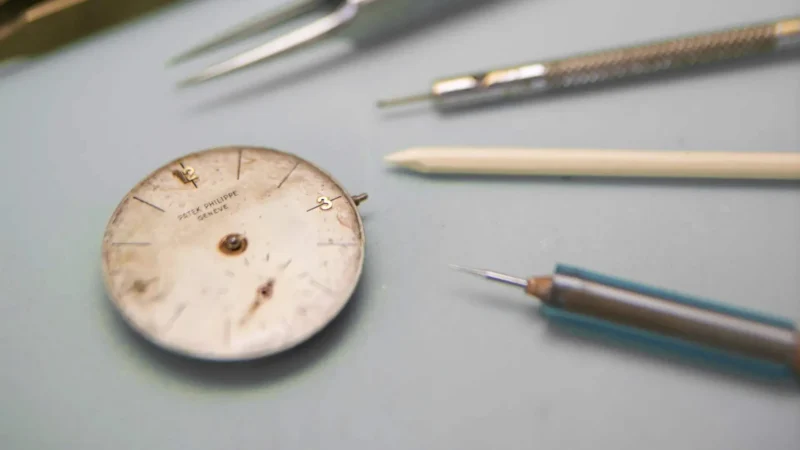
Watch Service History: Build a Record That Travels With the Object
The best service history reads like a biography of the watch. It shows how