
Collecting Intelligence
Insights & Investment
Christie’s Geneva Watches, May 2026: Reading the Results
Three watches gave Christie’s May sale in Geneva its character: an early F.P. Journe tourbillon, a singular Audemars Piguet monopusher and a Cartier Crash made in London in 1990. Together they helped carry Rare Watches to CHF 33,054,441, with 99 per cent of lots sold. Beyond the scale of the result, the pleasure lies in seeing why these particular objects attracted such attention. Their configurations, histories and condition were part of the proposition. This reading follows those details, separates the theatre of the sale from the figures and shows what a collector can genuinely take from the room.
One of the exceptional watches that shaped Christie’s May 2026 Geneva sale. Courtesy of Christie’s.
The visual edit
Objects that give the story its shape.
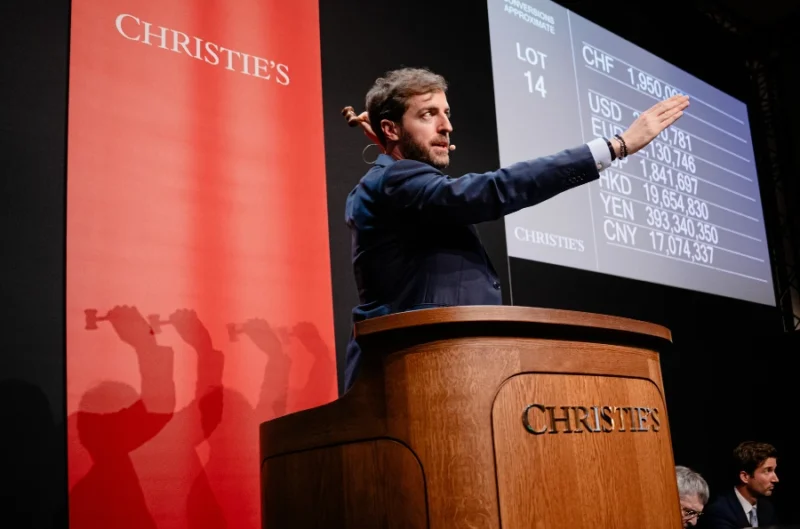
Inside Christie’s Rare Watches sale in Geneva, May 2026. Courtesy of Christie’s.
A closer view of a watch selected by Christie’s among the sale highlights. Courtesy of Christie’s.
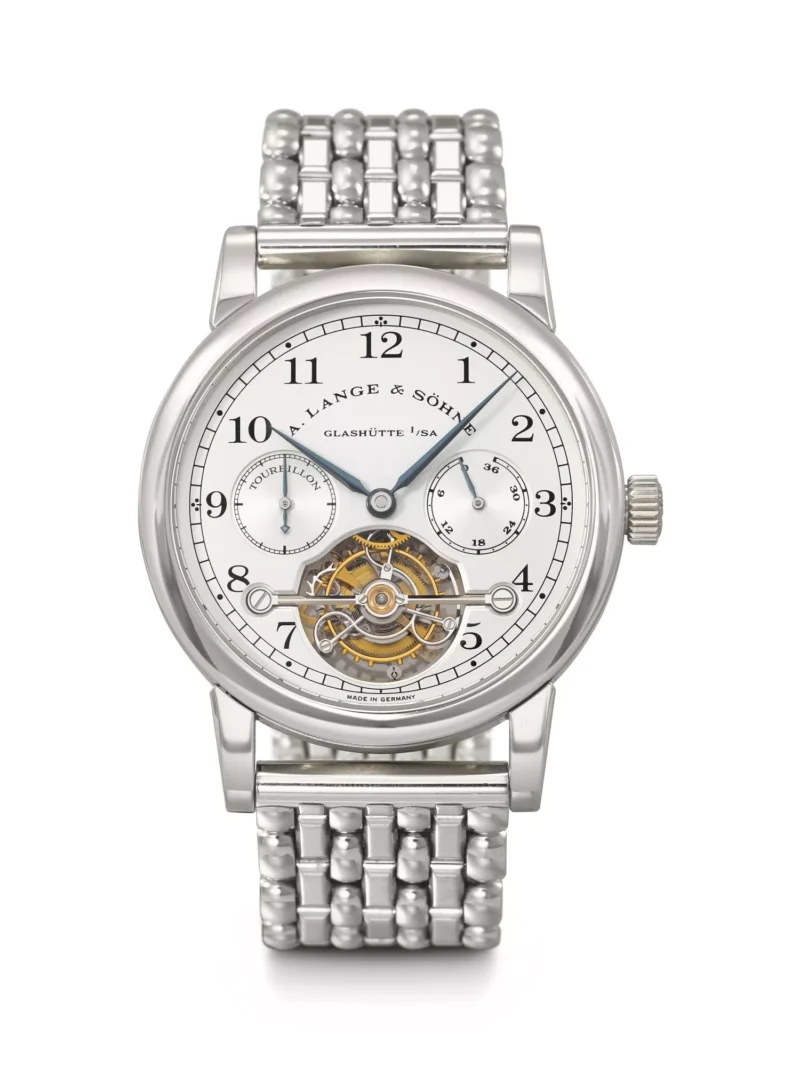
The sale brought together historic references, rare configurations and distinctive provenance. Courtesy of Christie’s.
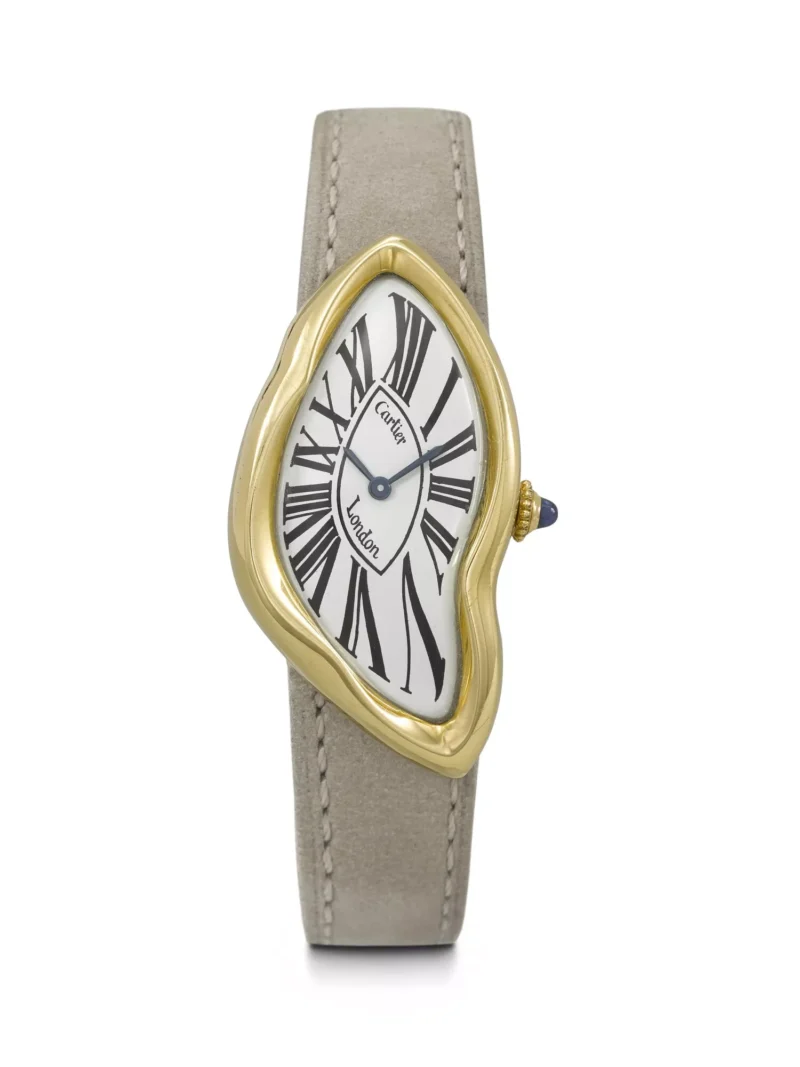
An object-led view of the Christie’s Geneva result, beyond the headline total. Courtesy of Christie’s.
A Geneva sale worth looking at closely
Three watches gave Christie's May sale in Geneva its character: an early F.P. Journe tourbillon, a singular Audemars Piguet monopusher and a Cartier Crash made in London in 1990. Together they helped carry Rare Watches to CHF 33,054,441, with 99 per cent of lots sold. Beyond the scale of the result, the pleasure lies in seeing why these particular objects attracted such attention. Their configurations, histories and condition were part of the proposition. This reading follows those details, separates the theatre of the sale from the figures and shows what a collector can genuinely take from the room.
What made the sale memorable
- Christie's reported CHF 33,054,441 for the two-day Geneva sale, checked on 3 September 2026.
- The reported result is a buyer-facing total; it should not be confused with hammer price or the seller's net proceeds.
- A 1990 Cartier Crash London sold for CHF 1,585,000, while an early F.P. Journe Tourbillon Souverain led the auction at CHF 2,439,000.
- A newly surfaced Audemars Piguet single-button chronograph sold for CHF 2,134,000 after archival research and restoration became part of its public record.
- These lots differ too much in maker, age, configuration and history to form a single price index.
The sale in one table
Explore the comparison
| Measure | Official figure | Date and unit | What it describes |
|---|---|---|---|
| Sale total | CHF 33,054,441 | 11–12 May 2026, Swiss francs | Christie's reported aggregate for Rare Watches |
| Sale total, house conversion | US$42,309,684 | 11–12 May 2026, US dollars | Conversion published by Christie's, not recalculated here |
| Sell-through by lot | 99% | sale close | Share of offered lots reported sold by the house |
| Lots above high estimate | 60% | sale close | Share reported by Christie's; estimate basis remains lot-specific |
| Performance against low estimate | 188% | sale close | House aggregate comparison with the low estimates |
The table preserves Christie's own units and terminology. It does not attempt to reverse-engineer hammer totals from buyer-facing results. A reported “sold for” figure normally includes buyer's premium under Christie's auction glossary, while taxes, shipping and other charges may still sit outside it. That distinction matters whenever a reader compares the result with a catalogue estimate, because estimates normally exclude the buyer's premium.
Three objects, three different propositions
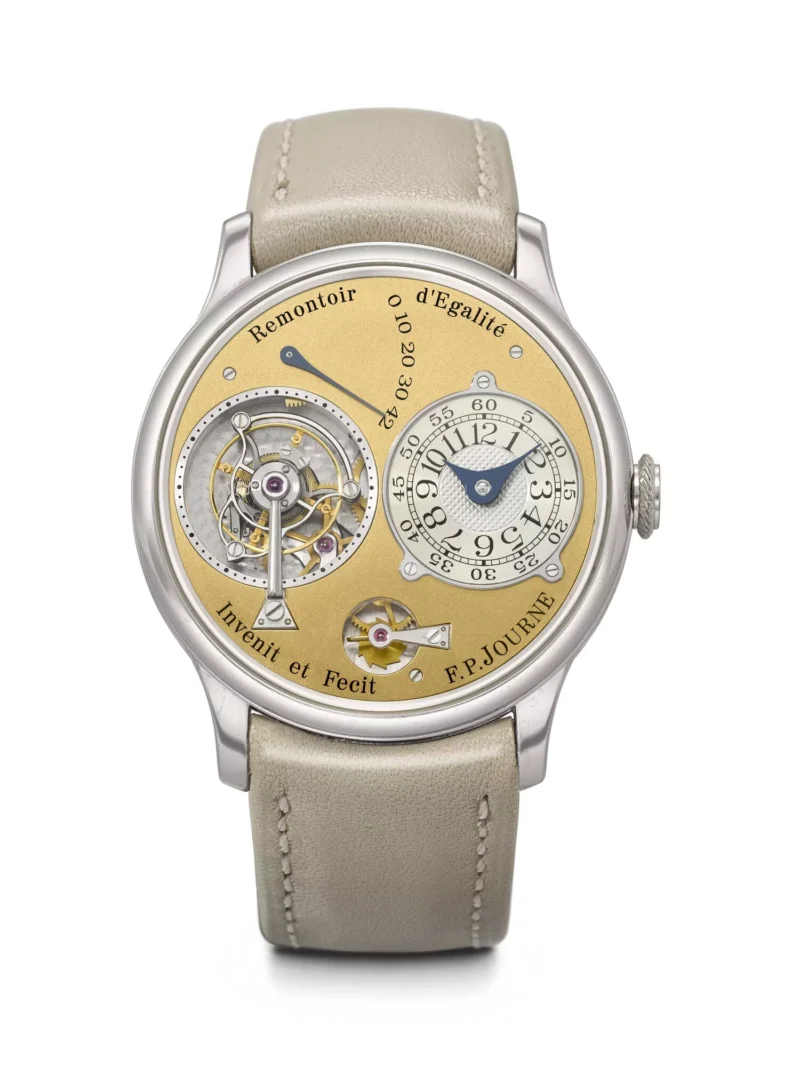
The top lot was an early platinum F.P. Journe Tourbillon Souverain, reference T, which Christie's said achieved CHF 2,439,000, or US$3,121,920, and realised five times its low estimate. The auction house recorded that the family of the original owner consigned it and that it had been bought on 24 December 2000. Those details join technical identity to a legible ownership story. They do not tell us how another Tourbillon Souverain, with a different number, dial, condition or documentary set, would perform.
The 1990 Cartier Crash London reached CHF 1,585,000, or US$2,028,800. Christie's described the case as crisp and substantial and noted full Cartier London signatures on both the case and matching deployant clasp. The result was reported as a model record at the time. The comparison is therefore specific to the object and to the public auction record available on 12 May 2026. It should not be translated into a value for every Crash, because London and Paris production, date, case material, dial, clasp, condition and documentation all alter the comparison.
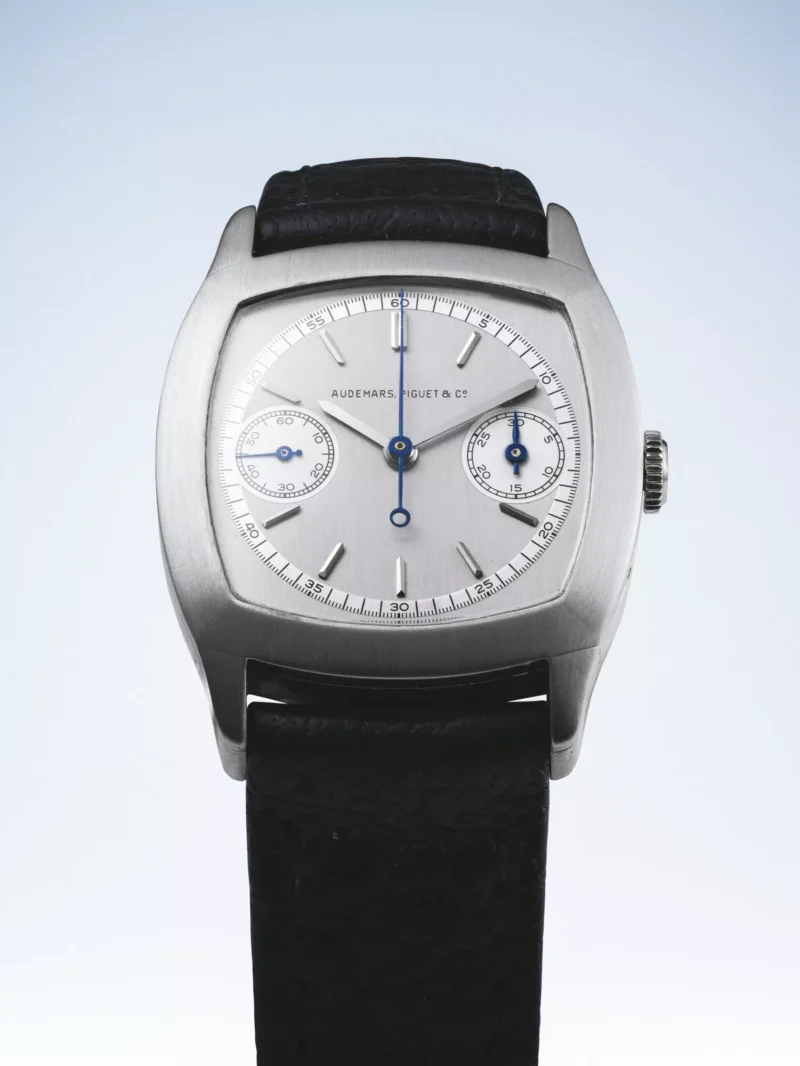
The Audemars Piguet “Coussin Tortue” single-button chronograph offers a different kind of evidence. Christie's reported CHF 2,134,000 for the platinum watch on 12 May. The house's pre-sale account, supported by an interview with Audemars Piguet's heritage and museum director, described a movement made around 1930, a case associated with 1937, an original sale to the family of Max Schenk in 1943 and a return to Le Brassus in September 2025. It also stated that a five-month restoration included newly made replacement parts because original spares no longer existed.
That last point is important. “Original condition” can describe the objective of a specialist restoration without meaning that every component remained untouched. A responsible reading keeps the documented intervention beside the result. The watch's rediscovery, family continuity, archival match and restoration record form part of its identity; they should never be reduced to a generic “rare vintage chronograph” comparison.
What an estimate multiple really reveals
Auction coverage often turns the distance above estimate into the story. The arithmetic can be useful when its denominator is visible. If Christie's statement that CHF 2,439,000 was five times the low estimate is taken literally, the implied low estimate was about CHF 487,800; the catalogue figure, rather than that inferred number, remains the authoritative reference. Likewise, describing CHF 1,585,000 as roughly triple the Crash's low estimate tells us about bidding relative to one pre-sale range. It does not prove that the estimate was a forecast or that the same multiple can be expected again.
Estimates perform several functions. They communicate the house's pre-sale judgement, help position a lot and sit within a sale strategy that may include a reserve and guarantees or financial arrangements disclosed by symbols. They are not a neutral benchmark constructed like an index. A result above the range can reflect the object's quality, a conservative estimate, competition between a few bidders, the sale's sequencing or information revealed during viewing. Without the bidding record and the underbidder depth, the multiple alone cannot separate those possibilities.
Looking beyond the total
A 99 per cent sell-through rate is evidence that nearly all offered lots found buyers under the auction's terms. Sixty per cent above high estimate shows that many results exceeded the upper catalogue range. Together with the CHF 33.1 million total, those figures describe a successful event for Christie's. They do not disclose the distribution of value across all lots, the number of active bidders per lot, private transactions outside the room, seller economics or the performance of watches that were not accepted for consignment.
Selection is central. A major Geneva sale is assembled, edited and marketed; it is not a random sample of all watches available in May. A handful of high-value lots can account for a material part of the total. Even the reported bidder geography—44 per cent EMEA, 19 per cent Asia Pacific and 28 per cent United States—describes clients participating in this Christie’s auction under the house's counting method. It is not a census of global collectors.
The phrase “market strength” therefore needs an object. The sale supports a statement that demand was sufficient to clear almost all of this particular catalogue and lift many lots above estimate. It does not support a statement that all vintage watches, all independent watches or all Cartier watches rose in value.
How to make a useful comparison
Before using one of these results as a comparable, align the records in a fixed order:
- confirm that the reported figure and the comparison figure use the same basis: hammer or price including premium;
- retain the original currency and sale date before making any optional conversion;
- match reference, production period, case metal, dial, movement and serial evidence;
- read the condition report and ask what was inspected, opened, polished, replaced or restored;
- distinguish original papers from later archive extracts and authenticity certificates;
- record box, accessories, retailer marks and ownership history without treating every accessory as provenance;
- note guarantees, third-party interests and catalogue amendments;
- compare more than one transaction and explain why excluded lots are not comparable.
This method deliberately slows the jump from headline to conclusion. A record price is a public observation with a timestamp. It is valuable evidence, but only for the precise object and transaction described.
The Audemars Piguet with a second life
The Audemars Piguet lot shows why documentation can be more informative than a broad brand statistic. The house account connects movement architecture, case geometry, retailer, first family owner, rediscovery and intervention. Each part can be challenged or supplemented, and each has a named origin. The watch's restoration is not hidden behind the romance of an untouched object.
For an owner, that suggests a practical standard: preserve the estimate, invoice, catalogue entry, condition report, correspondence and later service documents as one chronology. If components are replaced, record which ones and retain returned parts where the service provider permits it. If archival research corrects an earlier description, keep both the old and amended records. A coherent file lets a later specialist distinguish evidence created at manufacture, evidence created during ownership and interpretation written for a sale.
What remains after the hammer
The sale was compelling because the numbers and the objects supported one another. Bidders encountered watches that rewarded close attention: an exact configuration, an archival connection, visible condition or a history that could be followed through documents. That specificity made the room more interesting than any single headline total.
Future sales will reveal whether the same appetite returns. For now, Geneva offers a more useful invitation: learn the object before following the number. The better the comparison, the more clearly the personality of each watch comes into view.
Sources & credits
Sources
Figures and sale statements were rechecked on 3 September 2026 against Christie's official Rare Watches result release. Object context for the Crash comes from Christie's Cartier Crash collector guide. The Audemars Piguet chronology and restoration account come from Christie's feature on the rediscovered monopusher. Definitions of sold price, hammer and estimate follow Christie's auction glossary. All sale-level conclusions are limited to this auction; no private-sale data, inflation adjustment or currency conversion has been added.
The Edit
Insights & Investment stories
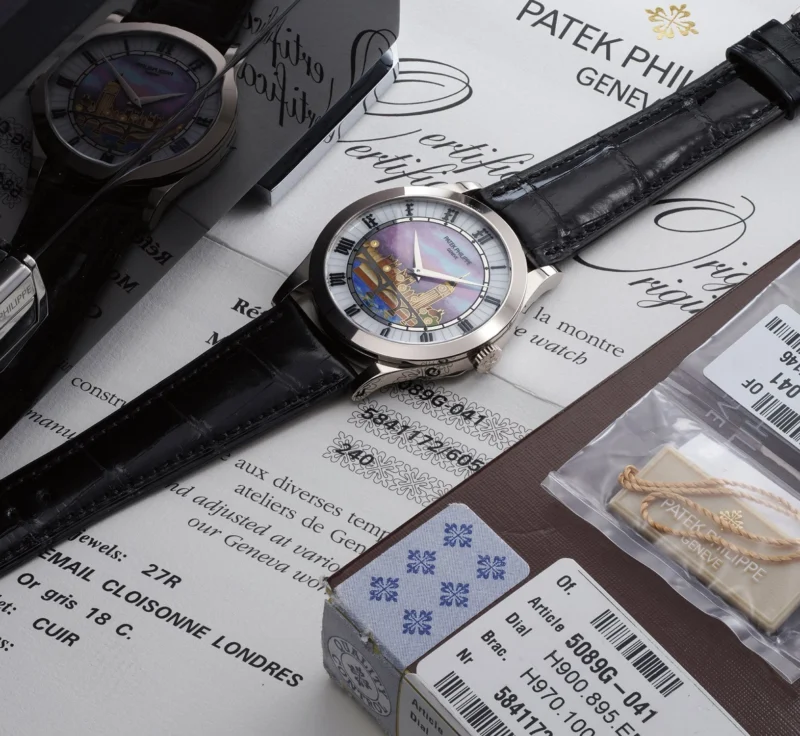
The TheTimeo Provenance Standard: What Should Travel With an Object
A collectible object needs more than a pile of accessories. Identity, ownership, service, condition,
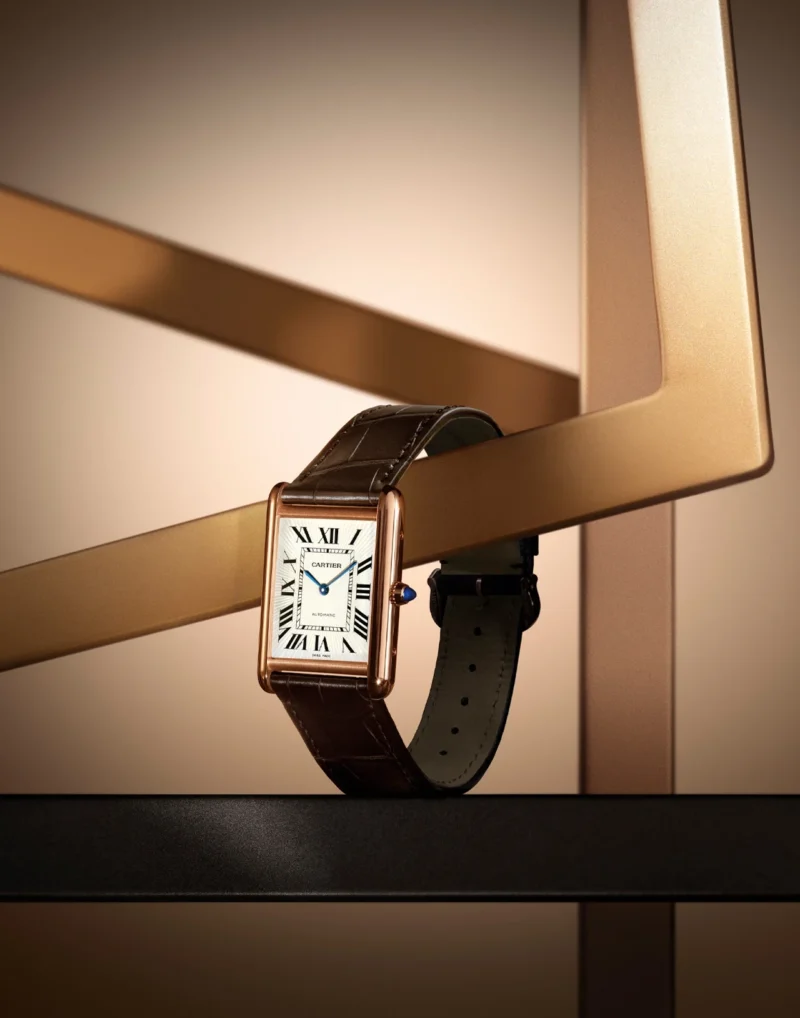
How to Audit a Luxury Watch Listing: Nine Details That Matter
Before judging price, audit the listing: identity, configuration, condition, service, documents, photography, seller claims,
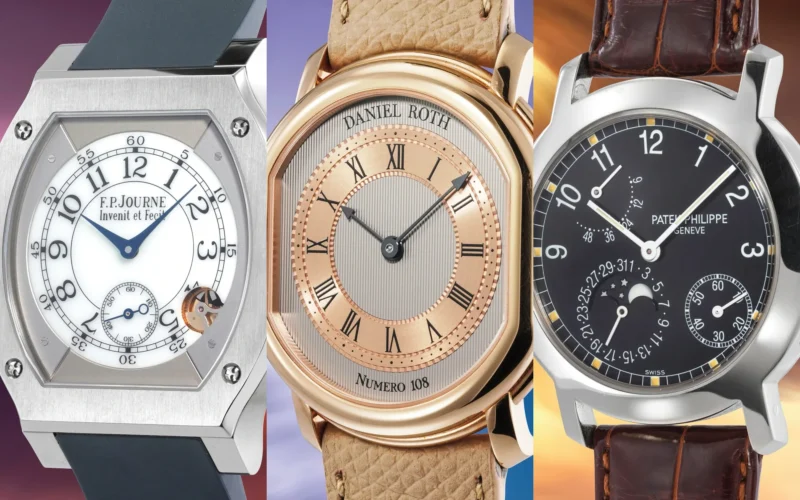
Auction Estimates, Hammer Price and Buyer’s Premium Explained
The fall of the hammer is wonderfully clear; the number that appears afterwards can
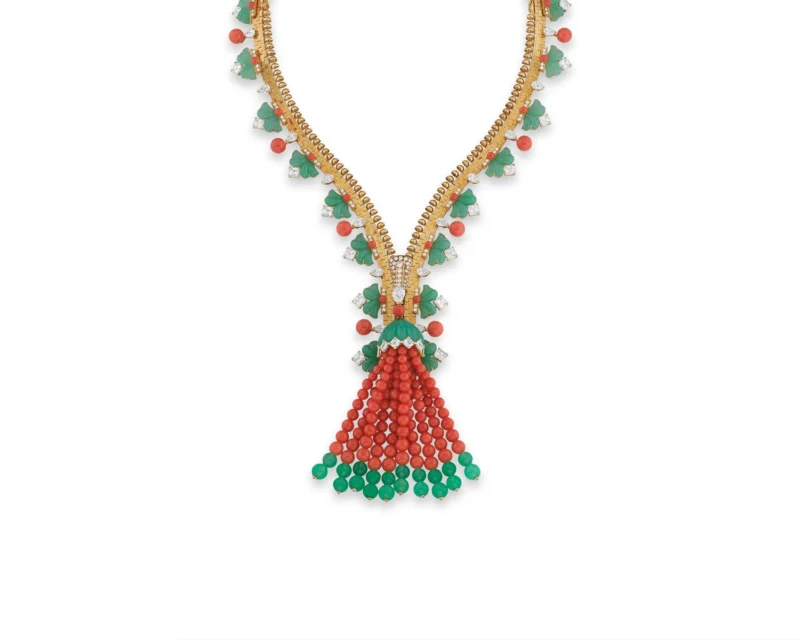
How to Read a Jewellery Auction Lot: Five Separate Lines of Evidence
A laboratory report, maker’s mark, condition note, repair record and provenance answer different questions.

Watch Documents and Provenance: Build the File, Test the Claims
A watch can become more captivating when its past comes into focus. An archive
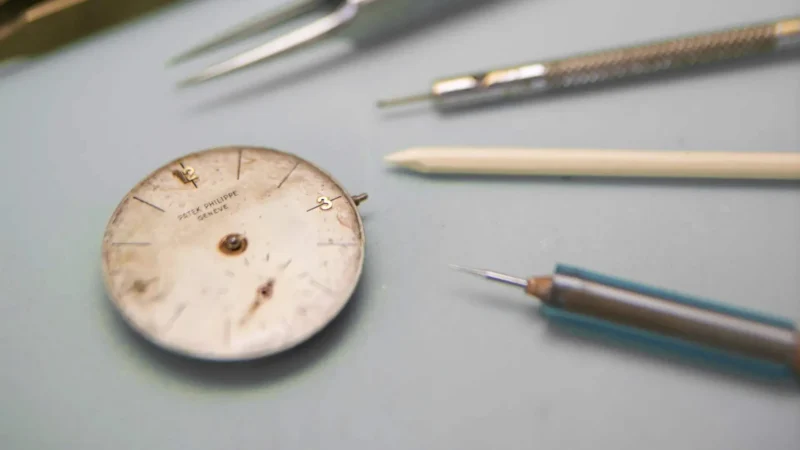
Watch Service History: Build a Record That Travels With the Object
The best service history reads like a biography of the watch. It shows how