
TheTimeo / TheTimeo Encyclopedia
ZENITH:
high frequency made legible
An evergreen guide to Zenith: the Le Locle manufacture, El Primero, high-frequency chronography, defining collections and the evidence collectors should verify.
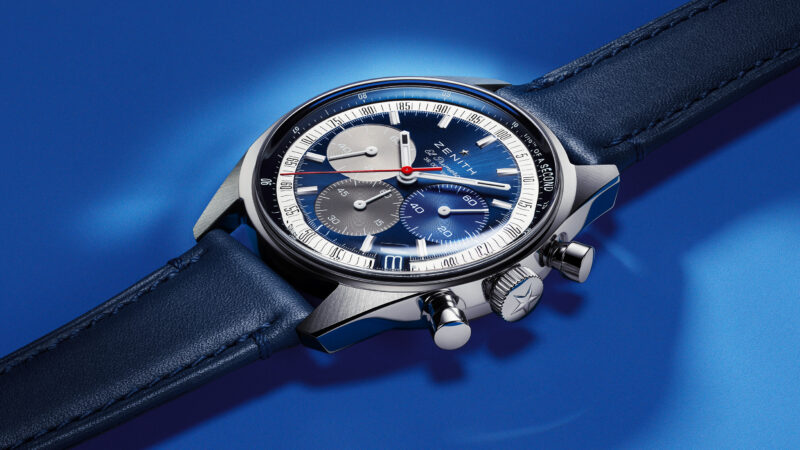
Chronomaster Original. Courtesy of Zenith.
Explore the story
Zenith is a Swiss watch manufacture founded by Georges Favre-Jacot in Le Locle in 1865. Its central contribution is El Primero, the integrated automatic chronograph introduced in 1969 with a 36,000-vibration-per-hour frequency. That mechanism remains the clearest route into the house, but Zenith also has a longer record in manufacture organisation, observatory chronometry and instrument watches.
This guide distinguishes a durable house history from reference-level evidence. A tri-colour counter layout or the words El Primero indicate a design family; the reference, calibre, case, dial, serial information and service record identify the watch in hand.
Definition and scope
Zenith develops and produces mechanical watches in Le Locle across Chronomaster, Defy, Pilot and Elite lines. Its name is especially associated with high-frequency chronographs, where a faster oscillator can divide a second into smaller intervals. Frequency alone does not establish accuracy, condition or originality; those questions require measurement and documentary evidence.
The manufacture claim matters historically because Favre-Jacot brought different watchmaking trades into one industrial site. It should not be stretched into a claim that every component of every Zenith watch was made in the same way or place.
Foundation and historical development
- 1865: Georges Favre-Jacot established the manufacture in Le Locle.
- Early twentieth century: Zenith expanded its work in precision timekeeping, including observatory competition calibres and portable instruments.
- 10 January 1969: the house presented El Primero, an integrated automatic chronograph operating at 36,000 vibrations per hour.
- 1970s: as mechanical production contracted, watchmaker Charles Vermot preserved plans, tools and components needed to make El Primero.
- 1984: the preserved equipment supported the resumption of El Primero production.
- 1990s: Chronomaster watches increasingly placed the movement on view through sapphire case backs.
- 2021: Chronomaster Original connected the proportions and tri-colour register language of the A386 with calibre 3600.
The chronology supplies context, not a method for dating a watch solely from its dial layout.
Aesthetic and design identity
Tri-colour registers
Overlapping blue, anthracite and light-grey counters became a recognisable code through the 1969 A386. Their placement, scale and tone vary by generation, so resemblance should lead to a reference check rather than an immediate identification.
Reading elapsed tenths
On calibre 3600 references, the central chronograph hand completes a circuit in ten seconds and reads tenths against the flange. This display is different from a conventional central seconds hand travelling once per minute.
From archive to contemporary case
Chronomaster Original uses a compact round case and pump pushers; Chronomaster Sport adds a ceramic scale and broader 41 mm architecture. Defy employs sharper geometry and integrated forms. These families share movements and ideas without becoming visually interchangeable.
Technical and manufacturing ideas
- Integrated automatic chronograph
Integrated means that the chronograph is designed within the movement architecture rather than added as a separate module. Automatic refers to rotor winding. Neither term alone specifies the control system, service condition or parts originality.
- Five-hertz frequency
36,000 vibrations per hour equals 5 Hz. The rate permits tenth-of-a-second subdivisions, while energy use, lubrication and regulation remain engineering and maintenance questions. A timegrapher result must be interpreted for the exact calibre.
- El Primero 3600
Chronomaster Original reference 03.3200.3600/69.C902 uses the automatic El Primero 3600. Zenith lists a 38 mm steel case, 5 Hz frequency, about 60 hours of power reserve and a tenth-of-a-second chronograph. Those specifications belong to that reference.
Fundamental collections and models
A386 and Chronomaster Original
The A386 established the compact round case and tri-colour layout now interpreted by Chronomaster Original. Vintage and current watches differ in movement generation, construction and materials.
Chronomaster Sport
This family combines calibre 3600 with a ceramic tenth-of-a-second scale, pump pushers and a contemporary bracelet or strap. Record bezel, dial, case metal and full reference.
Defy
Defy covers angular cases, openworked displays and a range of high-frequency or complication-led calibres. The collection name does not identify one movement or water-resistance specification.
Pilot and Elite
Pilot draws on the house’s instrument-watch record; Elite represents a more restrained dress vocabulary. Dial wording and historic marks require close reference-specific comparison.
What matters to a collector
- Separate calibre generations
Record the complete calibre number. Early El Primero 3019 families, later 400-series movements and calibre 3600 differ in display, construction and parts requirements despite their shared lineage.
- Check dial, case and movement together
Counter colours, printing, case references and movement markings should agree with documented production. Service replacements can be legitimate but should be disclosed and photographed.
- Document high-frequency service
Keep invoices, timing results and replaced-parts records. Correct lubricants, component condition and qualified adjustment matter more than an unverified claim that the higher rate guarantees accuracy.
Terminology and related references
- El Primero: Zenith’s name for its automatic chronograph family introduced in 1969.
- Integrated chronograph: a movement designed with its chronograph mechanism in the base architecture.
- 5 Hz: five oscillations per second, expressed by Zenith as 36,000 vibrations per hour.
- A386: one of the 1969 references that established the tri-colour register vocabulary.
- Related reading: chronographs, escapements, frequency, chronometry and service documentation.
Sources & further reading
This evergreen guide was rechecked on 11 September 2026 against Zenith’s official heritage page, illustrated timeline, Chronomaster Original reference record and collection history. Historical claims are separated from current specifications, and no appearance-based identification is treated as conclusive.
- Zenith — Heritage
- Zenith — Illustrated timeline
- Zenith — Chronomaster Original 03.3200.3600/69.C902
- Zenith — Chronomaster Original
Media: official Zenith photography retained as WordPress media 6616 and reverified against its governed manufacturer source and stored file.
The Edit
TheTimeo Encyclopedia stories
Selected stories from the same editorial universe.
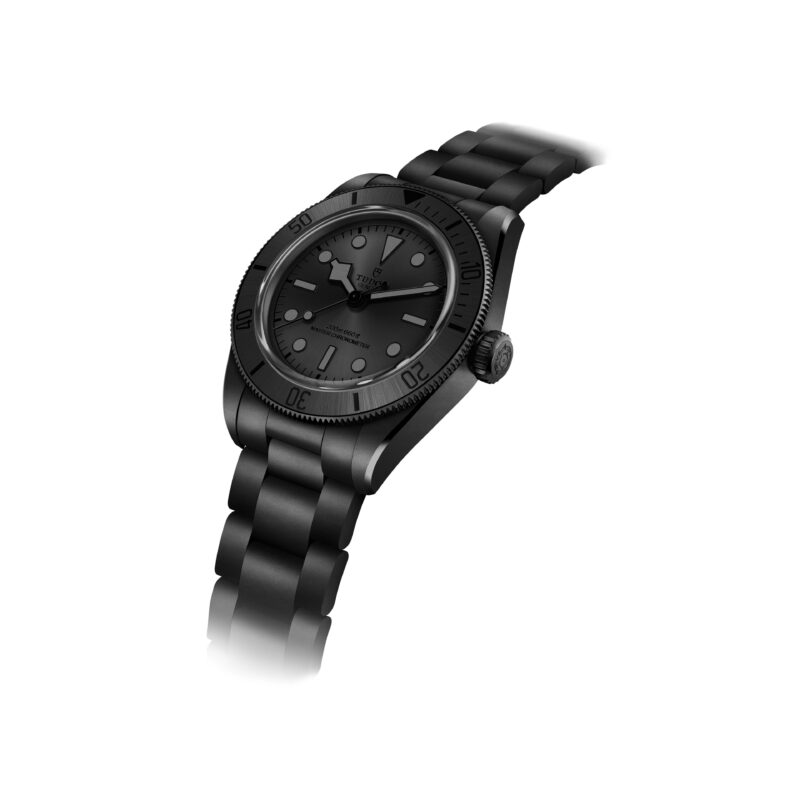
Tudor: tool-watch clarity and modern manufacture
An evergreen guide to Tudor: its 1926 origins, Oyster Prince and diving-watch history, Black
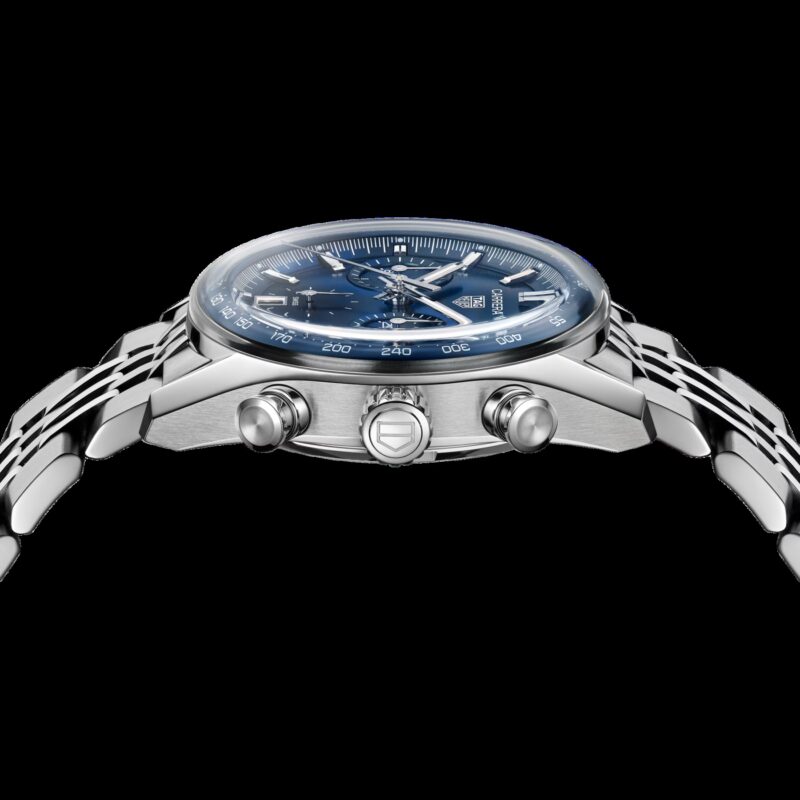
TAG Heuer: chronographs, instruments and design systems
An evergreen guide to TAG Heuer: its 1860 origins, timing instruments, Carrera and Monaco
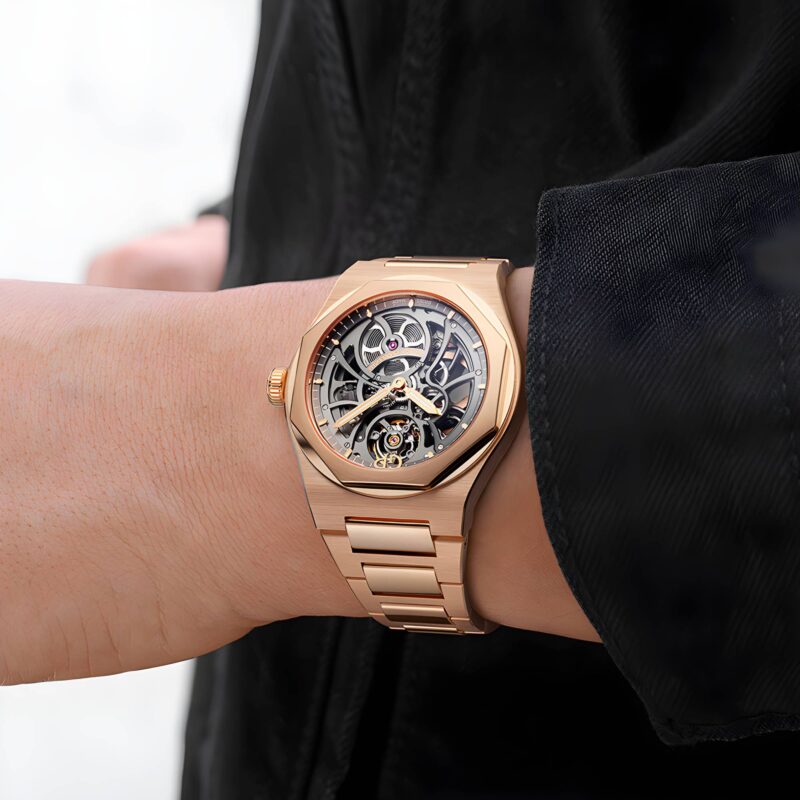
Girard-Perregaux: architecture, Three Bridges and the Laureato
An evergreen guide to Girard-Perregaux: the Bautte and Girard-Perregaux lineages, Three Bridges, movement manufacture,
Hublot: material fusion, Big Bang and Unico
An evergreen guide to Hublot: the 1980 gold-and-rubber premise, Big Bang architecture, Unico chronographs,