
TheTimeo / TheTimeo Encyclopedia
GRAFF:
design beginning with the diamond
An evergreen guide to Graff: its London foundation, diamond-led design, cutting and setting, notable stones, core motifs and collector documentation.
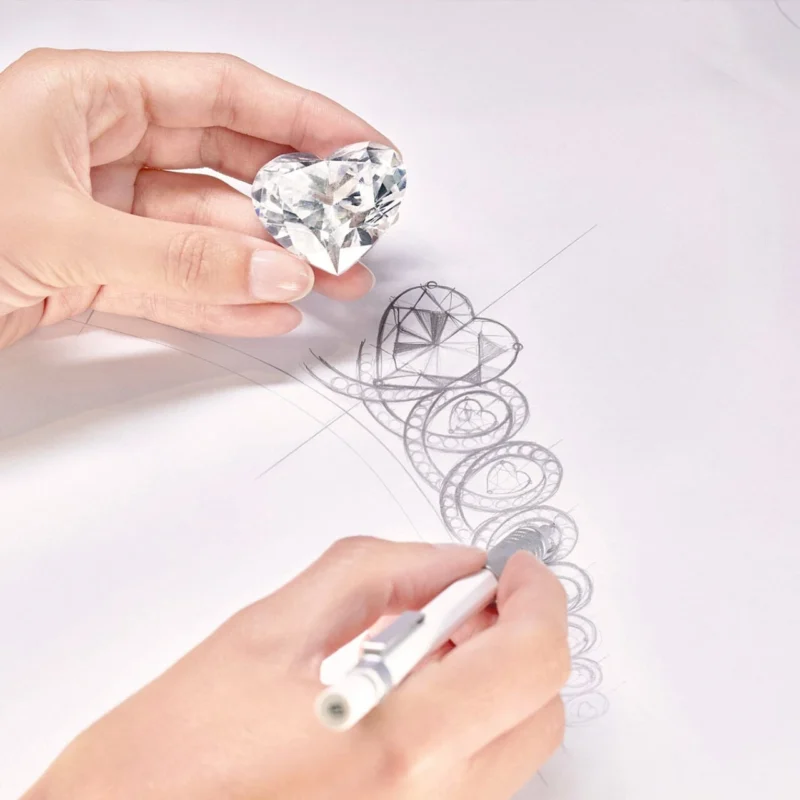
Graff Infinity Diamond placed over its tiara design drawing. Courtesy of Graff.
Explore the story
Graff is a London jewellery house established by Laurence Graff in 1960. Its identity is diamond-led: the rough stone, the plan for cutting it and the final arrangement are treated as connected stages. Jewellery may be restrained or highly complex, but proportion and light begin with the material rather than an applied house pattern.
This guide separates the house narrative from the evidence required for an individual jewel. A notable stone record can illuminate methods; it does not identify another diamond, certify a mount or replace an independent laboratory report.
Definition and scope
Graff works across high jewellery, jewellery and watches. Its official account follows stones from acquisition and planning through cutting, polishing, design and setting. That integrated narrative is useful when read precisely: every claim about a particular stone still belongs to its own measurements, inscriptions, report and provenance documents.
The design vocabulary often seeks continuity between diamonds. Graduated stones, minimal visible metal and carefully matched outlines produce a field of light. Figurative collections such as Butterfly and floral compositions use the same attention to cut, junction and movement.
Foundation and historical development
- 1960: Laurence Graff established the business in London.
- 1962: the house account records two London retail boutiques.
- 1967: Graff began presenting work through international exhibitions.
- 2000: a Monaco boutique became the house’s first retail location outside the United Kingdom.
- Contemporary period: major rough diamonds including the 373-carat stone that yielded the Graff Infinity and the 1,109-carat Lesedi La Rona were planned and cut into documented polished stones.
These are house milestones, not a dating tool for an unverified jewel. Object-level evidence remains essential.
Aesthetic and design identity
The stone sets the plan
Shape, inclusions, colour and weight distribution influence how a rough diamond is divided. In a finished jewel, design then considers outline, orientation and the transition between stones. The visible metal is often reduced, but it continues to carry the structural load.
Graduation and line
Necklaces, earrings and bracelets frequently use graduated stones to create an uninterrupted rhythm. Matching is more than total weight: shape proportions, colour, clarity and the behaviour of light determine whether the sequence reads coherently.
Figurative motifs
Butterflies, flowers and other natural forms organise different cuts into recognisable silhouettes. Articulation can introduce movement, while pavé or invisible-looking junctions preserve the image. Collection name alone does not specify mechanism or stone data.
Technical and manufacturing ideas
- From rough to polished diamond
Graff’s official guide outlines planning, cleaving or sawing, bruting, faceting, polishing, cleaning and inspection. Modern planning can map internal features before cutting. Each decision balances the possible polished stones; the result must be described through its own report.
- Cut and shape
Shape names the outline—round, emerald, pear or heart, for example. Cut also concerns proportions, symmetry and polish that affect optical performance. The two terms should not be used interchangeably in a catalogue description.
- Setting and hidden structure
Claws, links and galleries may be visually quiet yet determine security and movement. Inspect them from the reverse. A seamless face can conceal complex assembly, and repairs require a setter experienced with the particular construction.
Fundamental collections and reference stones
Classic diamond line
Single-stone rings, graduated necklaces and earrings form a central vocabulary. Record every stone shape and documented weight, the metal, setting type, dimensions and associated reports.
Butterfly and floral designs
Figurative families assemble marquise, pear, round and other cuts into wings or petals. Note whether elements are fixed or articulated and how the reverse supports them.
Graff Infinity
The house records a 157.80-carat heart-shaped diamond cut from a 373-carat rough. It is a documented reference stone, useful for understanding planning and the heart outline, not a benchmark for unrelated objects.
Lesedi La Rona
The house records a principal 302.37-carat polished diamond and 66 additional stones from the 1,109-carat rough. Associated inscriptions and laboratory numbers belong to that documented group.
What matters to a collector
- Keep stone and jewel records aligned
Compare laboratory-report number, laser inscription where present, measurements, shape and weight with the mounted stone and invoice. A report describes the submitted stone within its scope; it does not establish the entire jewel’s history.
- Inspect the structure, not only the face
Check claws, galleries, link movement, clasp security and signs of repair under magnification by a qualified professional. Avoid pressure on articulated or high-set elements.
- Document intervention
Stone removal, resetting and refinishing can change both condition and the chain of records. Obtain a written proposal, photograph inscriptions and settings beforehand, and retain service documents afterwards.
Terminology and related references
- Rough diamond: a diamond before cutting and polishing.
- Shape: the geometric outline of a polished stone.
- Cut: the proportions, symmetry and polish governing how a faceted stone handles light.
- Bruting: shaping the girdle and outline during diamond cutting.
- Laboratory report: an independent document describing a submitted stone within a defined scope.
- Related reading: diamond grading, fancy shapes, setting, provenance and conservation.
Sources & further reading
This evergreen guide was rechecked on 11 September 2026 against Graff’s official beginnings, house, diamond-cutting and reference-stone records. A former legal-page citation was removed because it did not support the editorial claims. Superlatives were excluded; documented weights are presented only for their named stones. The text does not authenticate or grade an individual object.
Media: official Graff photography retained as WordPress media 6676 and reverified against its governed source article and file record.
The Edit
TheTimeo Encyclopedia stories
Selected stories from the same editorial universe.
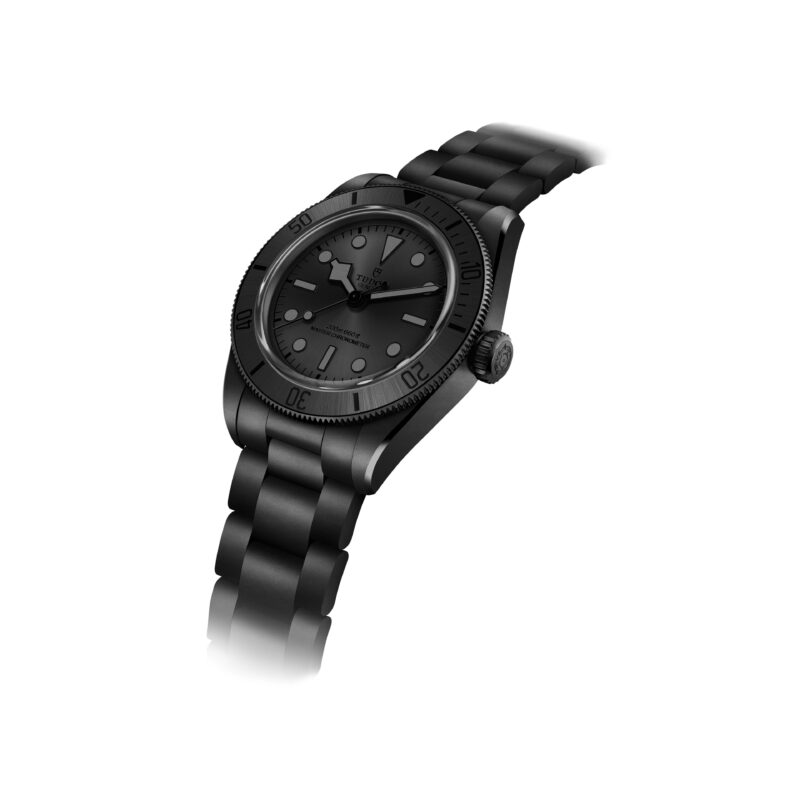
Tudor: tool-watch clarity and modern manufacture
An evergreen guide to Tudor: its 1926 origins, Oyster Prince and diving-watch history, Black
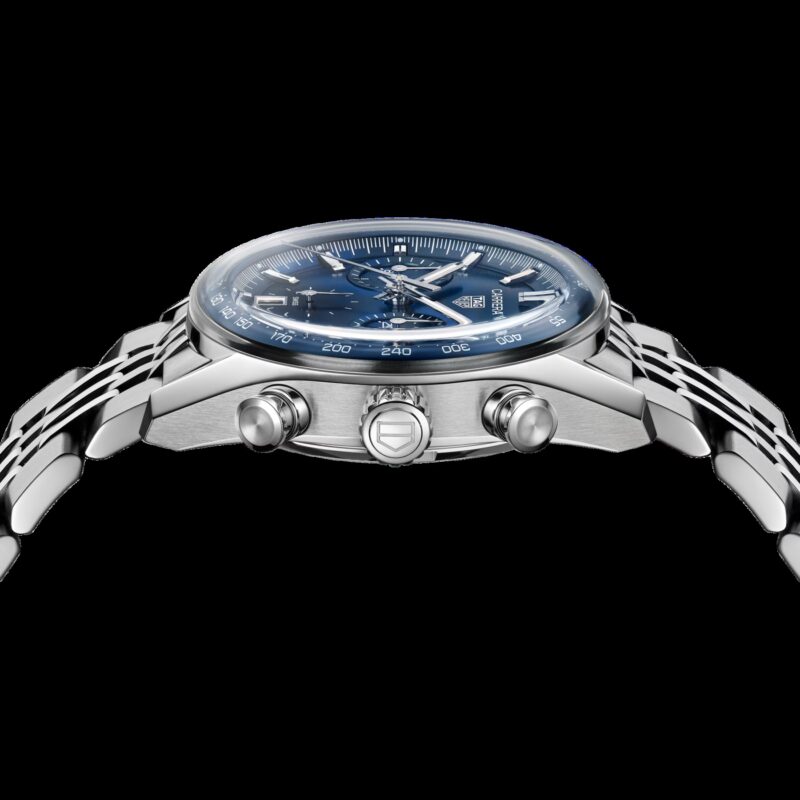
TAG Heuer: chronographs, instruments and design systems
An evergreen guide to TAG Heuer: its 1860 origins, timing instruments, Carrera and Monaco
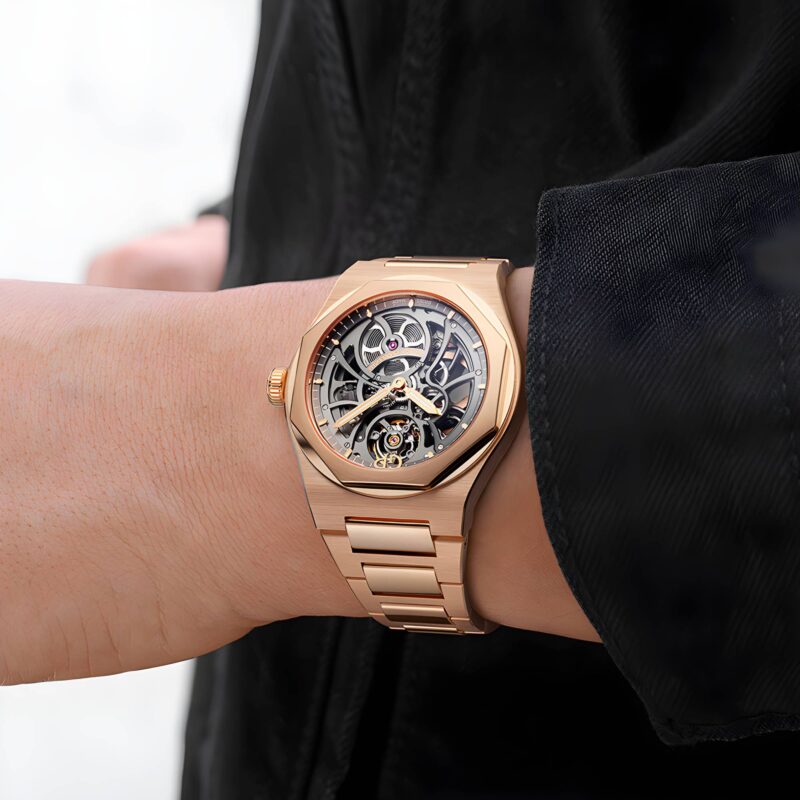
Girard-Perregaux: architecture, Three Bridges and the Laureato
An evergreen guide to Girard-Perregaux: the Bautte and Girard-Perregaux lineages, Three Bridges, movement manufacture,
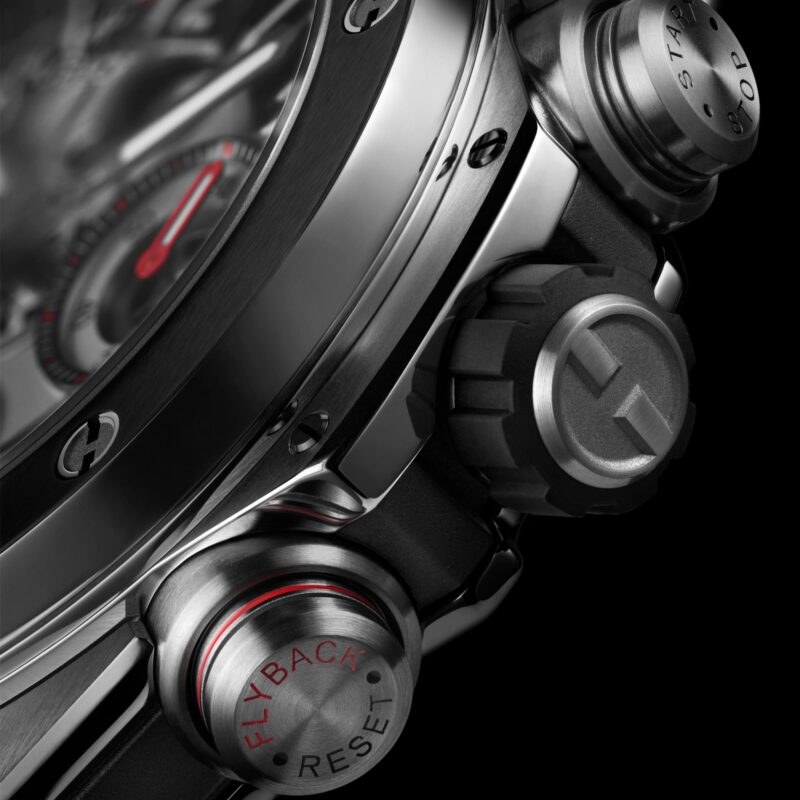
Hublot: material fusion, Big Bang and Unico
An evergreen guide to Hublot: the 1980 gold-and-rubber premise, Big Bang architecture, Unico chronographs,