
TheTimeo / TheTimeo Encyclopedia
CARTIER:
proportion makes the signature
An evergreen guide to Cartier: Tank and Santos watches, Trinity and Panthère jewellery, transformability, reference differences and collector checks.

Tank Louis Cartier watch illustrating the collection’s enduring rectangular design. Courtesy of Cartier.
Explore the story
Cartier is a Parisian jewellery and watch house whose identity is unusually legible in outline: the parallel sides of a Tank, the exposed screws of a Santos, three moving Trinity bands or the changing body of the panther. Recognition comes quickly; proper identification still depends on proportion, construction, material and reference.
This House Guide connects the recurring codes across watches and jewellery, then turns them into practical questions for studying an individual piece.
Definition and scope
Cartier works across high jewellery, jewellery, watches and objects. Its designs move between strict geometry and natural or figurative forms. A shaped watch may make the case its principal motif; a ring can turn one repeated line into a mechanism of movement; an animal jewel may shift from abstraction to fully modelled sculpture.
The house vocabulary is consistent enough to create families, but never sufficient to identify a piece on sight alone. Tank Louis Cartier, Tank Française and Tank Américaine are related rather than interchangeable. Panthère can name a feline motif, a jewellery family and a watch whose bracelet supplies much of its character.
Historical reference points
- 1904: Cartier dates the design of the Santos wristwatch for aviator Alberto Santos-Dumont to this year.
- 1914: the panther first appeared in an abstract spotted pattern on a Cartier object; later treatments became sculptural and naturalistic.
- 1917: Louis Cartier designed the Tank, organised around two parallel brancards that carry the case towards the strap.
- 1924: Trinity joined three mobile bands in yellow, rose and white gold.
- Later Tank developments: elongated, curved and bracelet-integrated branches altered how the familiar rectangle occupied the wrist.
These points describe the origins of designs documented by Cartier. A later jewel or watch must be dated through its own marks, numbers, records and construction.
Aesthetic and design identity
Geometry with direction
Tank and Santos are not rectangles placed around dials; their edges direct the eye beyond the dial. Tank brancards extend into strap or bracelet. Santos makes bezel, screws and bracelet articulation visible parts of the composition. On each, length-to-width ratio, curvature and the transition around the wrist matter more than width alone.
Dial furniture
Roman numerals, a railway-style minute track, blued hands and a cabochon-set crown recur in Cartier watchmaking. They are codes, not a universal checklist. Aperture displays, jewellery dials, different hand shapes and quartz or mechanical movements all appear within the wider history. An apparent exception may be correct for its reference.
Line, movement and the animal form
Trinity creates volume through three interlaced bands that move against one another. Panthère ranges from spots and graphic fragments to articulated or modelled animals. The familiar name therefore tells you the design territory, while the mount, articulation, stones and scale explain the particular object.
Technical and manufacturing ideas
- Watchmaking as construction
Cartier’s technical contribution is often inseparable from design. A Santos bracelet depends on link construction and clasp as much as the case. The Tank à Guichets demonstrates how a jumping-hour aperture display can remove most of the familiar dial and leave the case architecture recognisable.
- Articulation and transformability
A transformable or articulated jewel must work mechanically while holding a precise line. Hinges, links and concealed fittings determine whether that line survives movement. A panther motif does not by itself prove articulation, and a removable-looking element does not establish a documented transformation.
- Reference-specific technique
In jewellery, pavé and calibre-cut stones should be described only where documented on the individual piece; “high jewellery” does not specify a setting technique. For watches, movement type and calibre vary across families and generations. Quartz is part of the catalogue’s history as well as mechanical watchmaking.
Fundamental collections and models
Tank
One design family with materially different branches. Tank Louis Cartier softens and lengthens the form; Tank Américaine curves along the wrist; Tank Française integrates a metal bracelet; Tank Normale and Cintrée pursue other proportions. Compare profiles, not just frontal photographs.
Santos
A watch family associated with the 1904 Santos-Dumont design. Modern Santos and Santos-Dumont pieces differ in case, bracelet or strap, movement and use. The visible screw pattern is recognisable but not enough to identify a reference.
Trinity
The classic construction uses three intertwined mobile bands in three gold colours. Ring count, width, stone setting, size and later variants must be recorded exactly; movement between bands also affects wear.
Panthère
A long-running motif expressed through jewellery, watches and objects. Study pose, articulation, spot construction, eyes, nose, setting and the relationship between animal and wearer. The Panthère watch is also defined by its supple bracelet.
Other signatures
Love, Juste un Clou, Clash, Baignoire, Tortue and other families extend the house language through screws, nails, beads, ovals and shaped cases. Each has its own reference logic.
What matters to a collector
- Measure the complete object
For watches, record case length, width, thickness, profile, lug or bracelet transition, movement and reference. For rings and bracelets, record internal dimensions, size, weight where documented, closure and the way articulated parts move. A familiar collection name cannot predict fit.
- Read marks and alterations together
Inspect signature, serial or reference numbers, hallmarks, assay and maker’s marks in the context of the object and period. Resizing, replacement stones, dial work, bracelet changes and polishing can alter both use and interpretation. No single stamp should carry the entire attribution.
- Protect geometry and articulation
Over-polishing can soften Tank edges, reduce inscriptions or disturb screw and bezel relationships. Jewellery hinges, mesh, mobile bands and stone settings need specialist examination. Ask what a service or restoration proposes to preserve, replace or refinish, and retain the resulting paperwork.
Terminology and related references
- Brancards: the parallel case sides that organise the Tank and continue towards the strap.
- Chemin de fer: the railway-style minute track used on many Cartier dials.
- Cabochon: a polished, unfaceted stone form often associated with Cartier crowns.
- Articulation: linked construction that permits controlled movement in a jewel or bracelet.
- Transformable jewel: a piece designed to change configuration or manner of wear.
- Related reading: shaped watches, hallmarks, stone setting, quartz, jumping hour, bracelet construction and restoration.
Sources & further reading
This evergreen guide was rechecked on 11 September 2026 against Cartier’s official design account and its Tank, Trinity, Panthère and Santos pages. The text distinguishes the house’s own historical framing from observable design and collector practice. It does not authenticate or grade an individual object.
- Cartier — Our Style
- Cartier — Tank
- Cartier — Trinity
- Cartier — Panthère jewellery
- Cartier — Santos de Cartier
Media: official Tank Louis Cartier photography, retained as WordPress media 6646 and reverified against the governed source article and file hash.
The Edit
TheTimeo Encyclopedia stories
Selected stories from the same editorial universe.
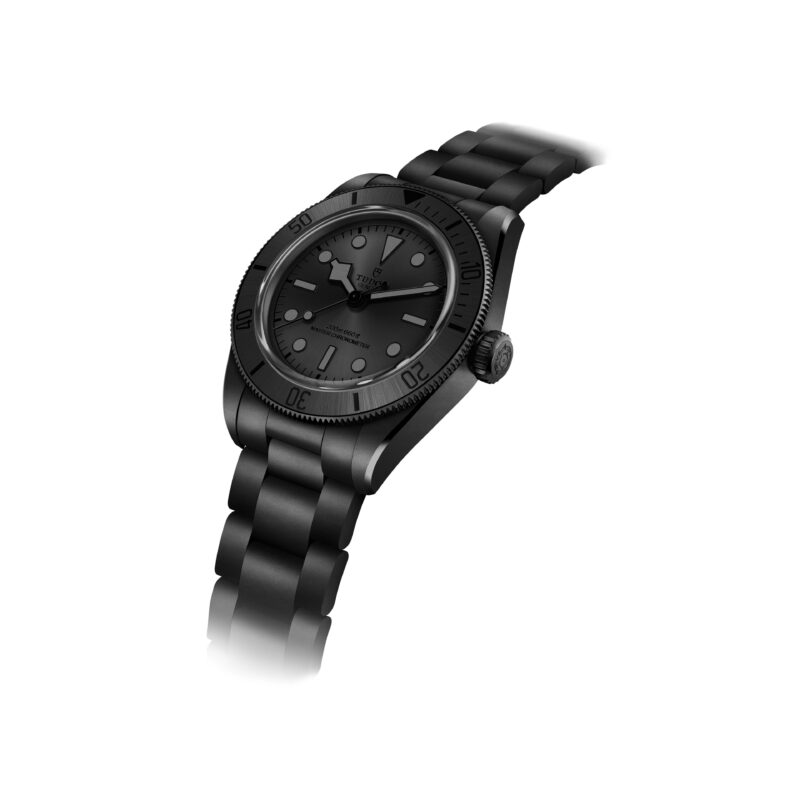
Tudor: tool-watch clarity and modern manufacture
An evergreen guide to Tudor: its 1926 origins, Oyster Prince and diving-watch history, Black
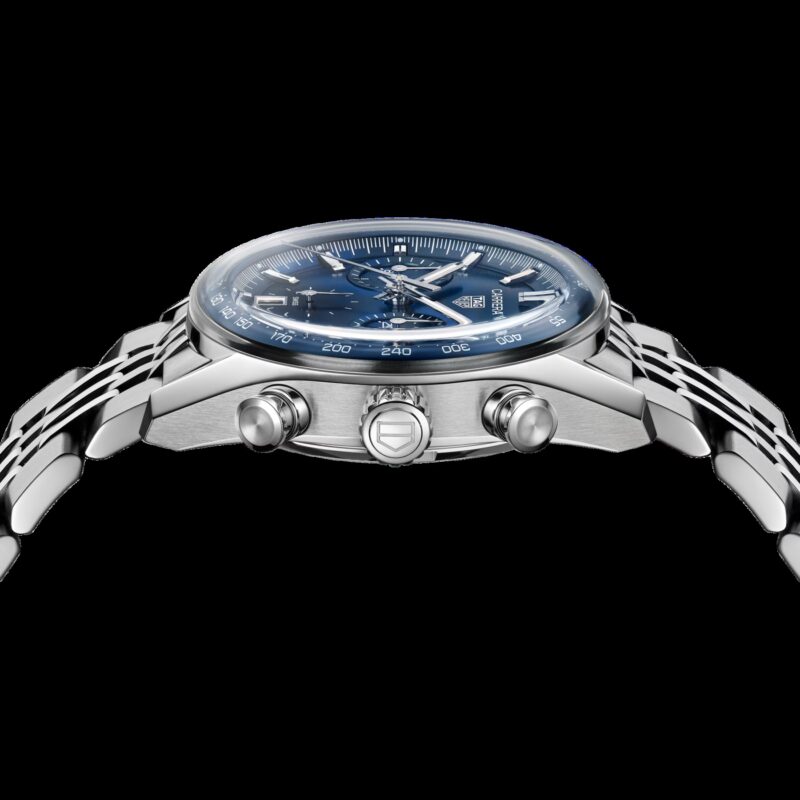
TAG Heuer: chronographs, instruments and design systems
An evergreen guide to TAG Heuer: its 1860 origins, timing instruments, Carrera and Monaco
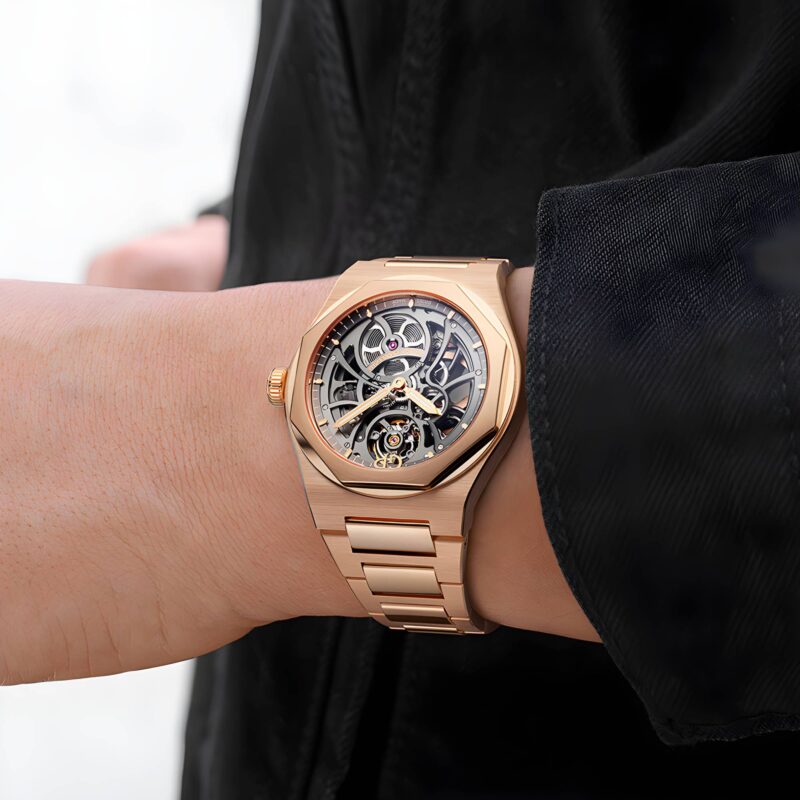
Girard-Perregaux: architecture, Three Bridges and the Laureato
An evergreen guide to Girard-Perregaux: the Bautte and Girard-Perregaux lineages, Three Bridges, movement manufacture,
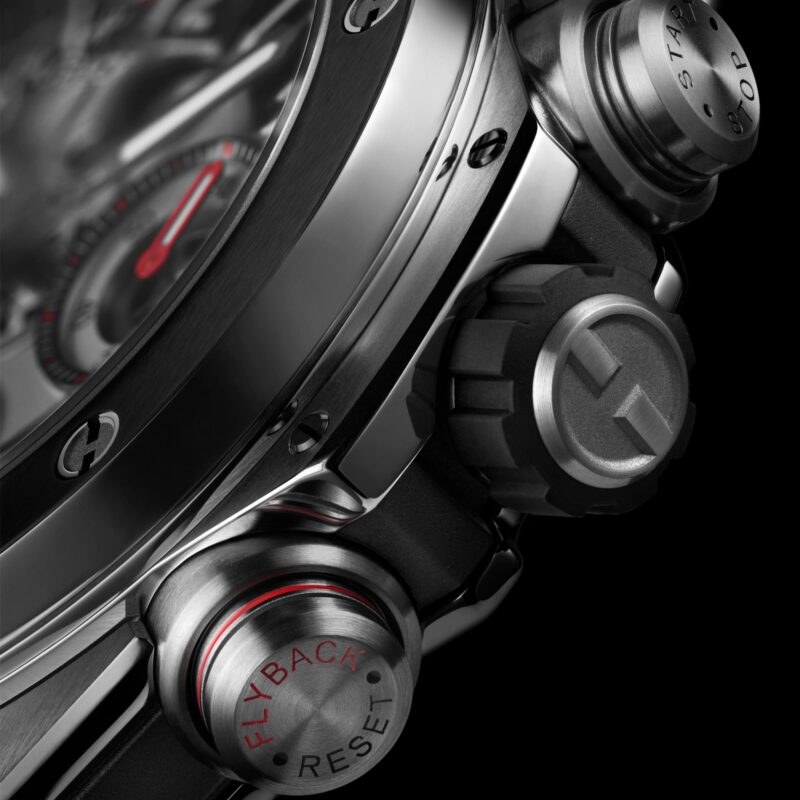
Hublot: material fusion, Big Bang and Unico
An evergreen guide to Hublot: the 1980 gold-and-rubber premise, Big Bang architecture, Unico chronographs,