Insights & Investment
The Future of Watch Collecting: Trends That Will Define the Luxury Market in the Next Decade
As we move into a new era of horology, the landscape of luxury watch collecting is poised for transformation. Driven by innovation, shifting consumer preferences, and a growing emphasis on sustainability, the watch industry is evolving at a rapid pace. For collectors, understanding the key trends shaping the next decade is essential for making informed […]
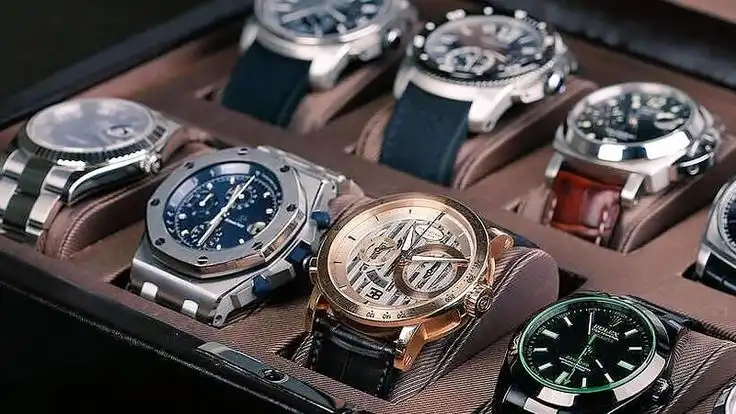
As we move into a new era of horology, the landscape of luxury watch collecting is poised for transformation. Driven by innovation, shifting consumer preferences, and a growing emphasis on sustainability, the watch industry is evolving at a rapid pace. For collectors, understanding the key trends shaping the next decade is essential for making informed decisions that will yield both aesthetic and financial returns.
In this article, we explore the trends set to define the luxury watch market over the next ten years, from technological advancements to emerging collector demographics and sustainable practices.
1. The Rise of Smart and Hybrid Watches
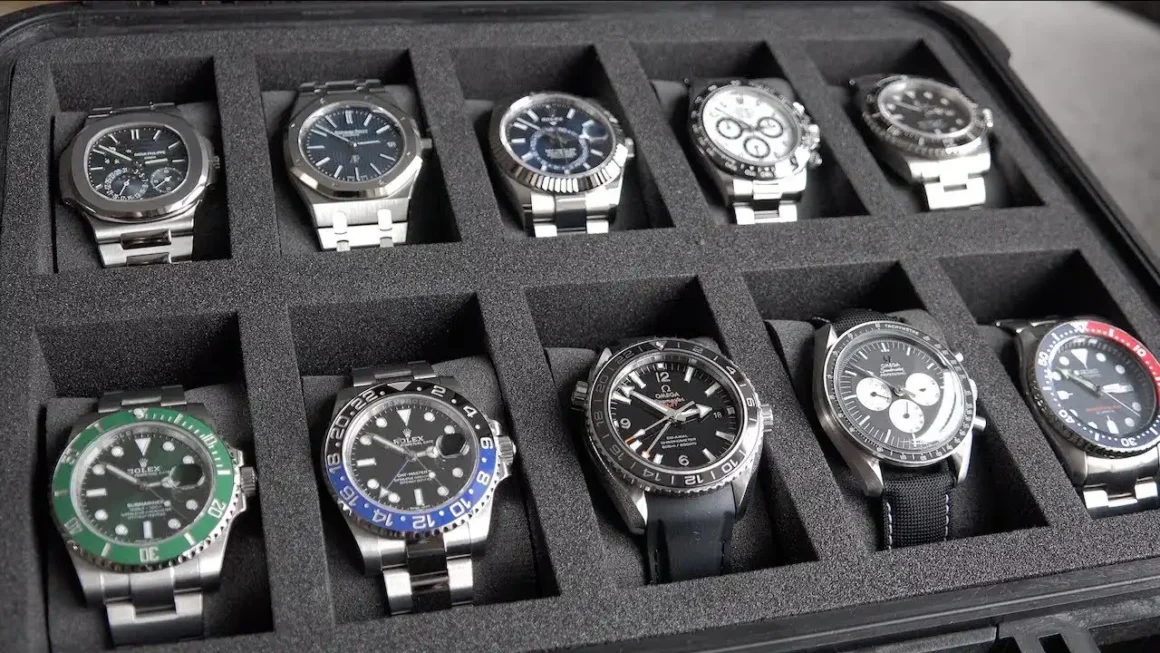
While traditional mechanical watches have long dominated the luxury market, the rise of smart and hybrid watches is becoming a significant trend. Luxury brands like TAG Heuer, Breitling, and even Maison Designers are exploring the fusion of cutting-edge technology with classic craftsmanship, producing watches that offer both digital functionality and timeless appeal.
Why It Matters:
As the world becomes more connected, collectors are showing interest in watches that merge luxury with functionality. Smart features like fitness tracking, GPS, and enhanced connectivity are now available in high-end models, offering a new level of versatility for collectors who want more than just timekeeping from their luxury pieces.
2. Sustainable and Ethical Watchmaking
Sustainability is becoming a key focus across many luxury industries, and watchmaking is no exception. In response to growing consumer demand for ethical practices, brands like Chopard and IWC Schaffhausen are leading the charge by incorporating recycled materials, ethical sourcing of precious metals, and eco-friendly production processes. This shift not only aligns with global environmental concerns but also adds a layer of prestige to brands committed to ethical craftsmanship.
The Impact on Collectors:
Collectors are beginning to prioritize sustainability in their purchasing decisions. Limited-edition timepieces made with sustainable materials or using environmentally friendly processes are likely to become highly sought after, as they represent a confluence of luxury and responsibility.
3. The Continued Growth of Vintage and Pre-Owned Watches
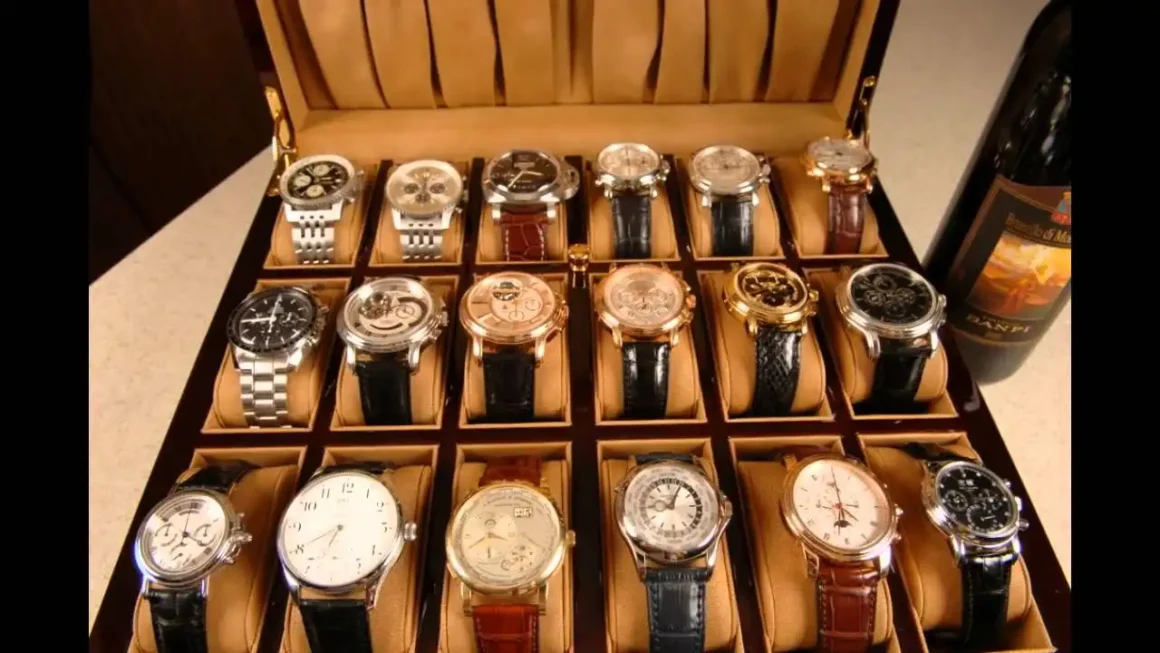
Vintage watch collecting has seen an unprecedented boom in recent years, and this trend shows no signs of slowing down. Timepieces from iconic brands such as Rolex, Patek Philippe, and Audemars Piguet are increasingly being viewed not only as luxury items but also as valuable investment assets. In addition, the market for certified pre-owned watches is growing, with many collectors recognizing the opportunity to own rare, discontinued models that may appreciate in value over time.
Why It’s Important:
Vintage watches offer a blend of historical significance, craftsmanship, and scarcity, making them appealing to both seasoned collectors and newcomers. As younger generations enter the collecting world, the demand for pre-owned luxury watches is expected to increase, further driving up the value of these timepieces.
4. Increased Popularity of Limited Editions and Collaborations
One of the defining trends in the luxury watch market over the next decade will be the increased popularity of limited editions and high-profile collaborations. Leading watch brands are partnering with fashion designers, athletes, and cultural icons to create unique, limited-run pieces that offer collectors exclusivity and a connection to broader cultural moments.
Notable Collaborations:
- Chanel and Audemars Piguet: High-end collaborations that blend Chanel’s fashion-forward design with Audemars Piguet’s horological expertise.
- Louis Vuitton and Maison Designers: Limited-edition timepieces that combine avant-garde aesthetics with precision craftsmanship, creating watches that are as much a statement of luxury as they are cultural artifacts.
5. The Role of Digital Platforms and NFTs in Watch Collecting
As digital platforms continue to evolve, the world of watch collecting is becoming more accessible through online auctions, virtual showrooms, and even blockchain technology. NFTs (Non-Fungible Tokens) are being used to authenticate digital ownership of rare timepieces, while major auction houses are offering online bidding for luxury watches, expanding the reach of high-end sales to a global audience.
The Digital Transformation:
For collectors, digital platforms offer new opportunities to discover and acquire rare watches without geographic limitations. The introduction of NFTs in the watch world also opens the door for new forms of authentication and provenance tracking, making it easier to verify the authenticity of rare timepieces.
6. The Shift Toward Smaller, Gender-Neutral Watch Designs
As gender norms in fashion continue to blur, luxury watch brands are responding with more gender-neutral designs and smaller case sizes. Historically, men’s watches have dominated the market, but the next decade is likely to see more brands producing unisex models that appeal to a broader audience. These designs emphasize timeless aesthetics and functionality over traditional gender-specific characteristics.
Why This Trend Is Significant:
The demand for gender-neutral watches reflects a broader cultural shift towards inclusivity and diversity. Collectors who value timeless design and craftsmanship, regardless of gender, are likely to find these pieces appealing, and this trend could reshape the market for years to come.
7. The Globalization of Watch Collecting
While Europe and North America have long been the dominant regions for luxury watch collecting, the next decade will see significant growth in emerging markets. Asia, in particular, is becoming a powerhouse in the luxury watch industry, with increasing numbers of collectors from China, India, and Southeast Asia entering the market. These regions are not only driving demand but also influencing trends in design, marketing, and distribution.
What It Means for Collectors:
As the global market for luxury watches expands, collectors can expect to see a more diverse range of designs and influences. Brands may tailor limited-edition releases to specific regions, making it crucial for collectors to stay informed about global trends and events that could impact the availability and value of timepieces.
8. The Emphasis on Personalization and Bespoke Watchmaking
Personalization is becoming increasingly important in the luxury market, and watchmaking is no exception. Brands like Vacheron Constantin and Richard Mille are offering bespoke services that allow collectors to customize their timepieces to reflect their unique tastes and preferences. From choosing specific materials to designing custom engravings, the ability to personalize a luxury watch adds another layer of exclusivity to the collecting experience.
Why Personalization Is Key:
As collectors seek out more individualized expressions of luxury, personalized timepieces offer both emotional value and rarity. These bespoke creations are often one-of-a-kind or part of very limited runs, making them highly desirable for collectors looking to stand out.
Conclusion
The future of watch collecting is bright, with exciting trends on the horizon that will shape the market for the next decade. From the rise of smart technology and sustainable practices to the growing influence of digital platforms and personalized designs, collectors are entering an era where both traditional craftsmanship and modern innovation will define the value of luxury timepieces.
For collectors, staying ahead of these trends will not only enhance their collections but also provide opportunities for investment and personal expression in a rapidly evolving market.