Insights & Investment
Inside the Private Jewelry Collections of the World’s Wealthiest Collectors
Luxury jewelry is more than just adornment for the world’s wealthiest—it represents heritage, power, and a deep appreciation for craftsmanship. The private collections of these elite individuals often contain pieces with fascinating histories, rare gems, and extraordinary value. From royal heirlooms to contemporary masterpieces, the jewelry these collectors possess offers a glimpse into both personal […]
Luxury jewelry is more than just adornment for the world’s wealthiest—it represents heritage, power, and a deep appreciation for craftsmanship. The private collections of these elite individuals often contain pieces with fascinating histories, rare gems, and extraordinary value. From royal heirlooms to contemporary masterpieces, the jewelry these collectors possess offers a glimpse into both personal tastes and the evolving world of high-end jewelry design.
In this article, we take you inside the private jewelry collections of some of the world’s wealthiest collectors, exploring what makes these pieces so exceptional and how they reflect the unique lifestyles of their owners.
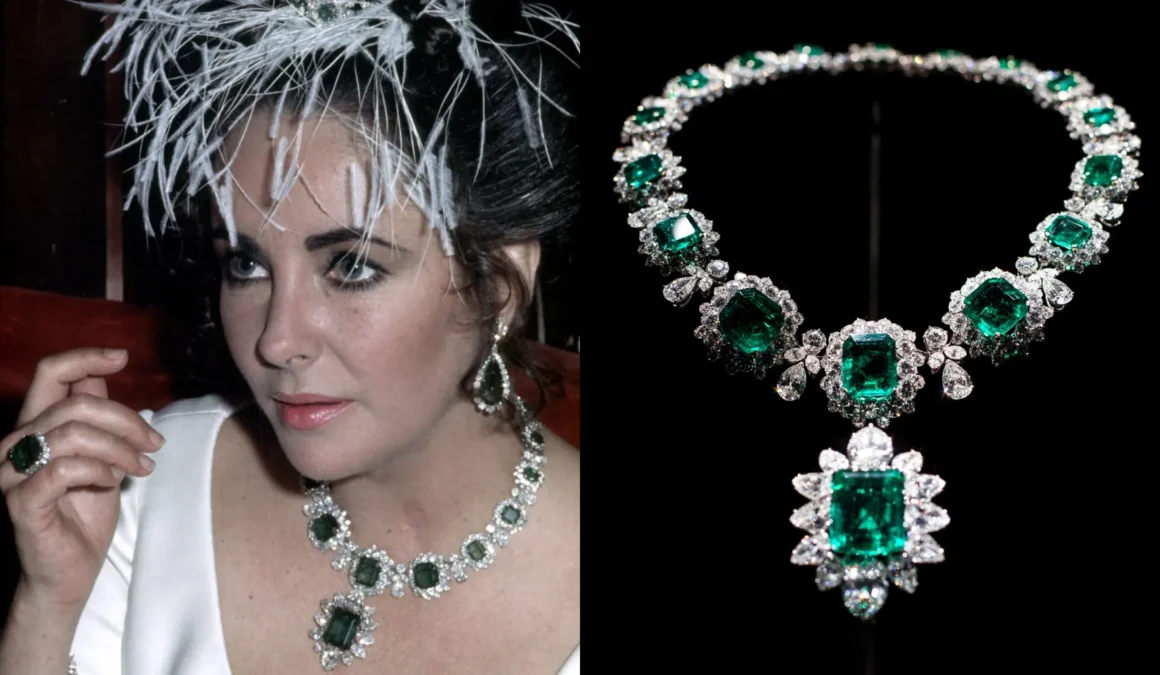
The World’s Most Notable Jewelry Collectors
The most prestigious jewelry collections often belong to individuals whose wealth allows them to acquire one-of-a-kind pieces, many of which have historical significance. These collections are frequently curated with as much care as a fine art collection, with a focus on rarity, provenance, and the craftsmanship that makes each piece a work of art.
1. Elizabeth Taylor: Hollywood’s Iconic Jewelry Collector
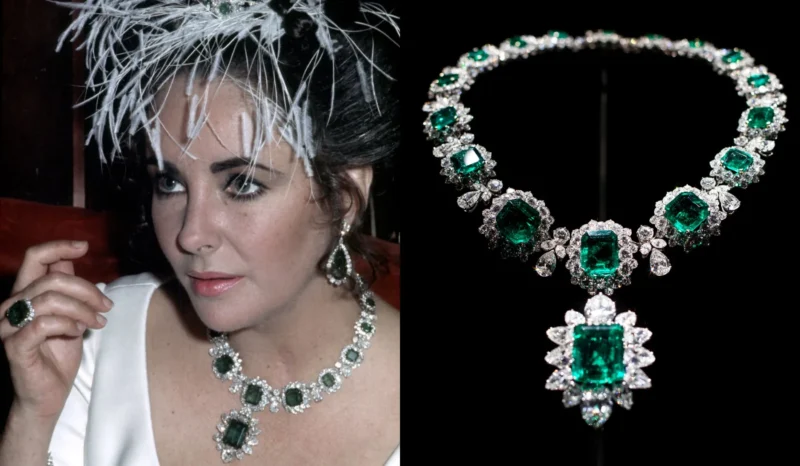
Known for her love of diamonds, Elizabeth Taylor’s jewelry collection was one of the most famous in the world. Her pieces, often gifts from her husbands, particularly Richard Burton, were bold, glamorous, and timeless. The collection included items like the 33.19-carat Krupp Diamond and the 69.42-carat Taylor-Burton Diamond, which remain some of the most iconic jewels ever to grace Hollywood.
- Notable Piece: The La Peregrina Pearl, a 16th-century pearl gifted to Taylor by Burton, is one of the most legendary pearls in existence, worn by royalty across Europe before finding its home in her collection.
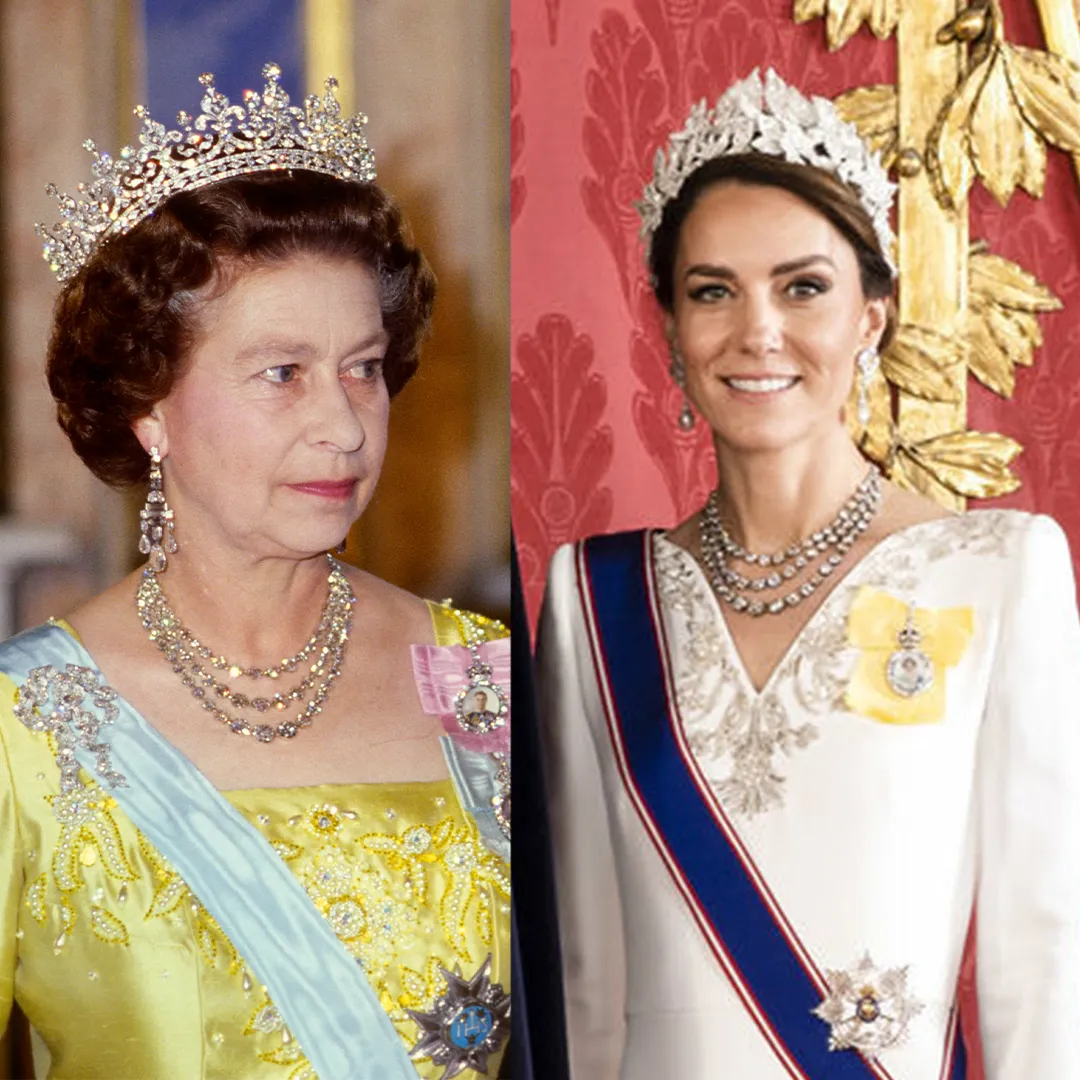
2. The British Royal Family: A Legacy of Jewels
The British Royal Family holds one of the most extensive and historically significant jewelry collections in the world. From the crown jewels to personal pieces handed down through generations, the collection features iconic tiaras, necklaces, and brooches adorned with some of the world’s rarest diamonds, emeralds, and sapphires.
- Notable Piece: The Cullinan Diamond, the largest gem-quality rough diamond ever found, is part of the British Crown Jewels. Several stones were cut from the original diamond, with two notable ones set in the Sovereign’s Sceptre with Cross and the Imperial State Crown.
3. Laurence Graff: The King of Diamonds
Laurence Graff, founder of Graff Diamonds, has not only built an empire around high-end gemstones but also amassed an extraordinary personal collection of rare diamonds. Graff’s eye for exceptional stones, combined with his industry expertise, has led to the acquisition of several record-breaking diamonds.
- Notable Piece: The Graff Pink, a 24.78-carat pink diamond, which Graff purchased at auction for $46 million in 2010, setting a new world record for a gemstone sold at auction.
What Makes These Jewelry Collections So Unique?
The collections of the ultra-wealthy aren’t simply large—they are meticulously curated with a focus on rarity, craftsmanship, and provenance. The rarity of the gemstones, the history behind the pieces, and the sheer value of these collections set them apart from even the most luxurious of public museum collections.
1. Rarity of Gemstones
Collectors at this level often focus on acquiring jewelry that features the rarest gems—stones that are difficult to find or impossible to replicate. Rare diamonds, such as colored diamonds (pink, blue, and yellow), are especially coveted, with collectors willing to pay astronomical sums for the privilege of owning these gems.
- Example: The Oppenheimer Blue Diamond, a 14.62-carat blue diamond that sold for $57.5 million at a Christie’s auction, is a perfect illustration of the lengths to which collectors will go for the rarest gemstones.
2. Historical Significance
Many collectors prioritize pieces with historical value, such as jewelry once owned by royalty or worn during significant moments in history. These pieces carry not just aesthetic appeal but also a story, making them more than just decorative items—they become symbols of power, history, and culture.
- Example: The Marie Antoinette Pearl, which belonged to the ill-fated queen of France, is a highly sought-after historical piece that garnered intense attention at auction due to its royal provenance.
3. Craftsmanship and Design
Collectors at the highest echelons also seek out pieces created by the world’s most renowned jewelry houses, such as Cartier, Van Cleef & Arpels, and Tiffany & Co. The meticulous craftsmanship behind each piece makes these jewels not just accessories, but wearable works of art.
- Example: A Cartier Tutti Frutti bracelet, known for its intricate design and colorful gemstones, is a favorite among collectors who appreciate both the brand’s history and its iconic Art Deco design.
The Investment Appeal of High-End Jewelry
While many collectors are driven by passion, the world’s wealthiest understand the long-term investment potential of high-end jewelry. Unlike other forms of investment, jewelry offers both financial growth and personal enjoyment, often appreciating in value due to the rarity and demand for such pieces.
1. Jewelry as a Tangible Asset
In uncertain economic times, jewelry, especially pieces made with precious gemstones and metals, serves as a tangible asset. Many wealthy individuals choose to invest in jewelry for its ability to retain and even increase in value over time, unlike more volatile investments like stocks.
2. Auction Market Growth
The rise in luxury auctions has opened up opportunities for collectors to acquire rare and valuable pieces, while also offering a platform for selling jewelry that has appreciated over time. Collectors who purchase wisely often see their pieces fetch much higher prices at auction than their original investment.
- Example: The legendary diamond necklace sold by Christie’s in 2021, which once belonged to Maharaja Ranjit Singh, fetched $9.5 million, more than doubling its pre-sale estimate.
Maintaining and Protecting a The British Royal Family: A Legacy of Jewels
For collectors of this caliber, protecting their investment is a priority. Proper storage, maintenance, and insurance are essential to preserving the value of high-end jewelry. Wealthy collectors often invest in climate-controlled vaults and specialized cleaning services to ensure their pieces remain in perfect condition.
1. Proper Storage
Storing high-value jewelry requires more than just a standard safe. Climate-controlled vaults, secure display cases, and anti-theft technology are crucial for preserving gemstones and precious metals, especially for delicate vintage pieces that can be susceptible to damage.
2. Professional Maintenance
Regular maintenance is key to keeping jewelry in pristine condition. Collectors often rely on the same luxury brands from which they purchased the pieces to clean and repair their jewelry, ensuring that no detail is overlooked.
Conclusion
The private jewelry collections of the world’s wealthiest individuals are not only reflections of their personal style but also symbols of power, history, and financial acumen. These collections, filled with rare gemstones, historical treasures, and one-of-a-kind designs, represent a level of luxury and exclusivity that few can access. For those who can, the pursuit of exceptional jewelry becomes a lifelong passion—one that blends beauty, history, and investment into a truly priceless legacy.