High Jewellery Atelier
BridalThe Tiffany Setting: The Ring That Invented What an Engagement Ring Looks Like
A TheTimeo bridal reading of The Tiffany® Setting and the Tiffany Soleste® collection — the 1886 innovation that lifted the diamond off the band for the first time, and remains, nearly 140 years later, the design every solitaire engagement ring is still measured against.
In brief
Why this creation matters
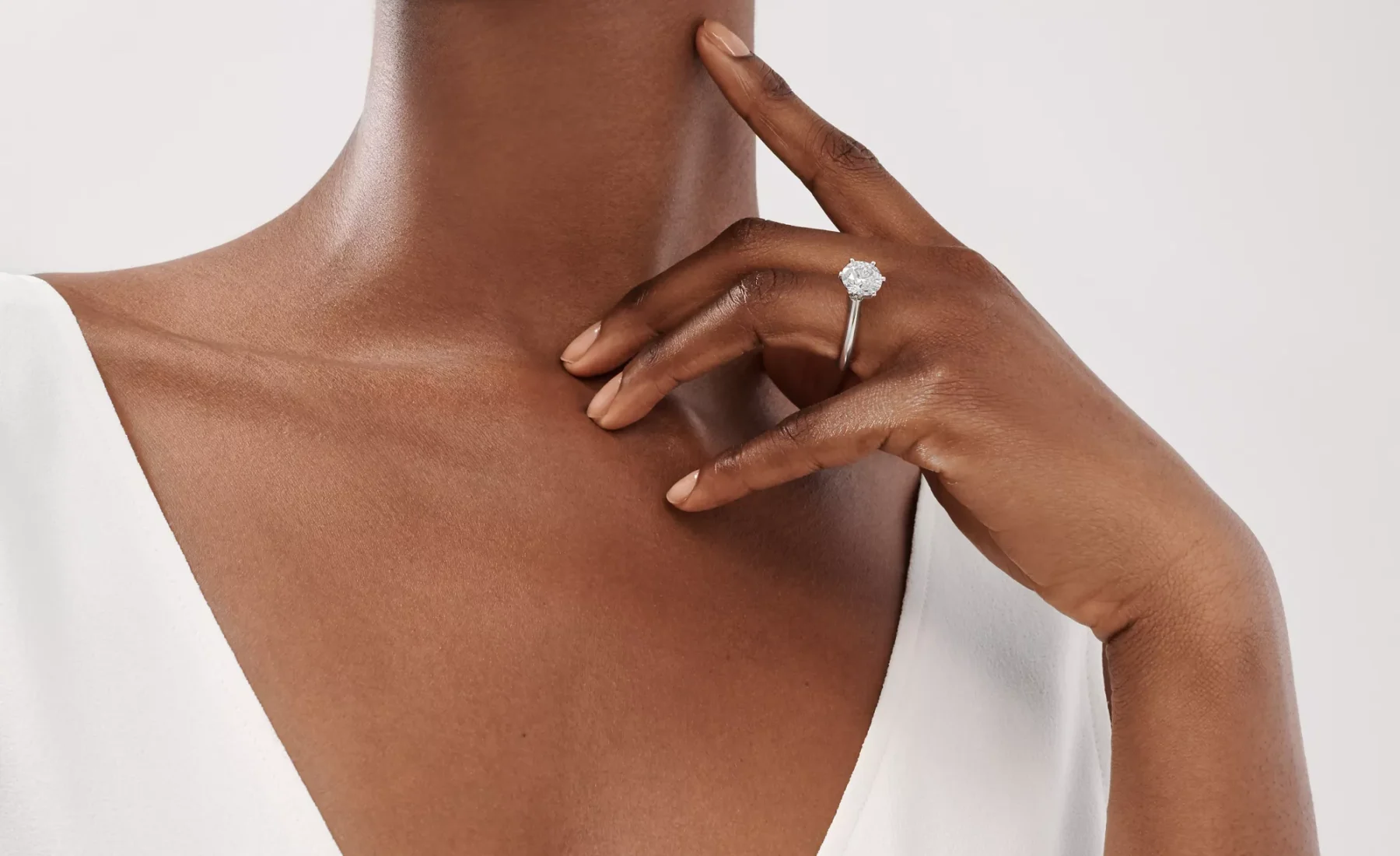
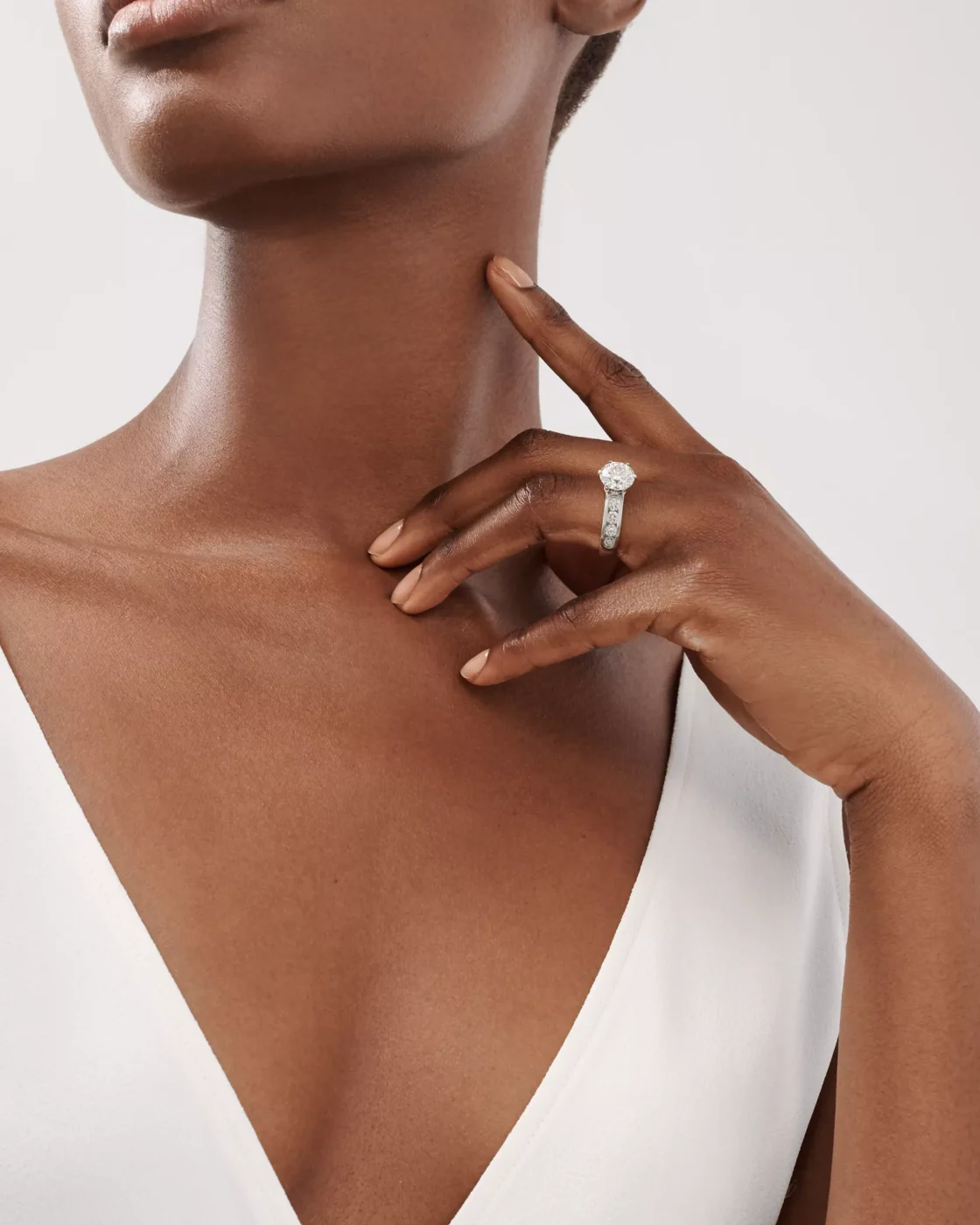
Before 1886, a diamond on a ring sat low, embedded, surrounded — protected, almost apologised for. Charles Lewis Tiffany lifted it into the light with six prongs and changed, permanently, what the entire world pictures when someone says the words "engagement ring."
the first ring design in history to lift the diamond off the band
Tiffany & Co.
Object first
A closer reading of the creation
Editorial dossier
Lifting the diamond off the band
Charles Lewis Tiffany's 1886 innovation inverted the convention of embedding diamonds. Rather than asking how to protect the diamond by surrounding it, the Tiffany Setting asked how to expose the diamond to light as completely as possible — and accepted the engineering challenge of doing so without compromising security.
Atelier reading
Six prongs, zero distractions
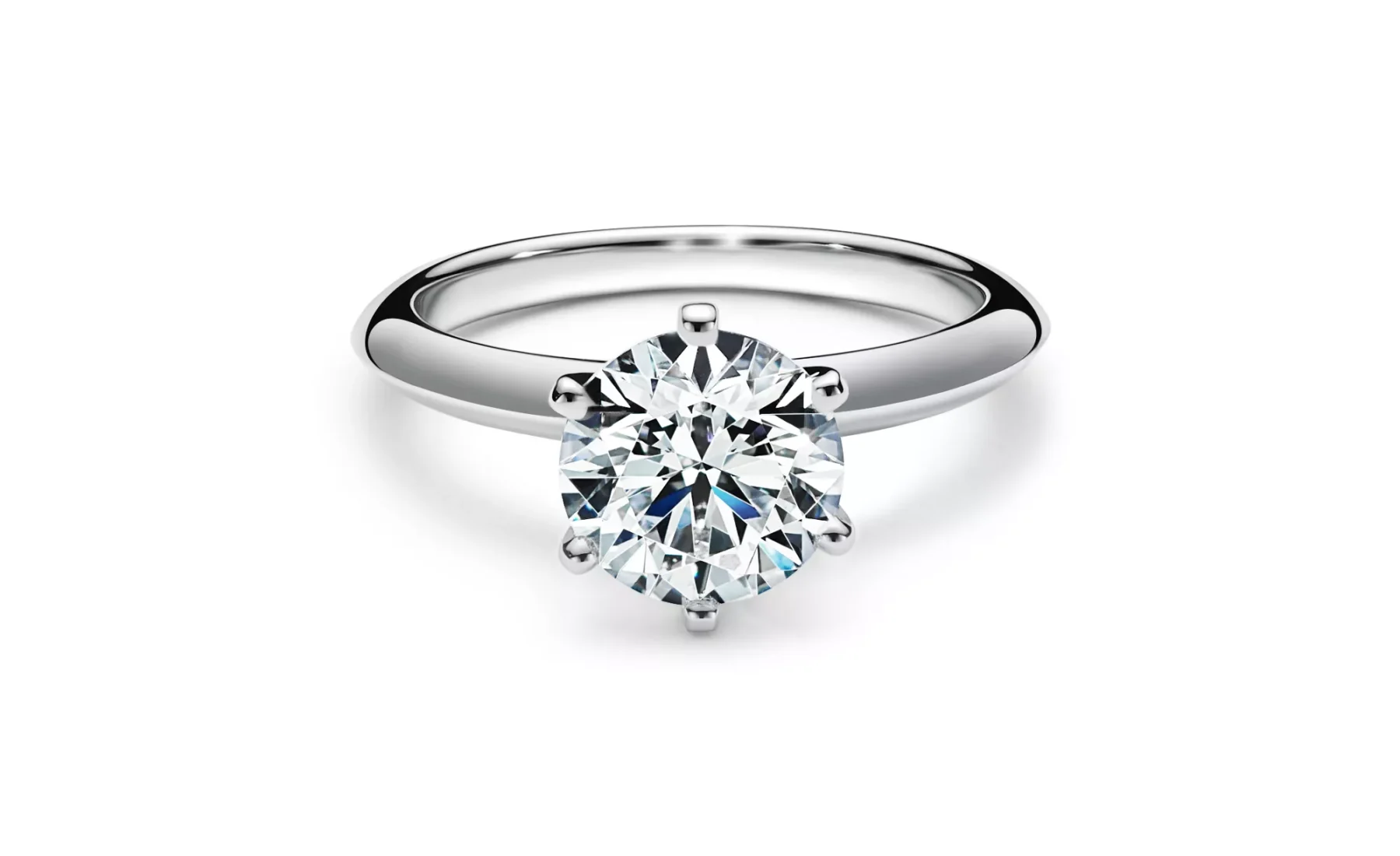
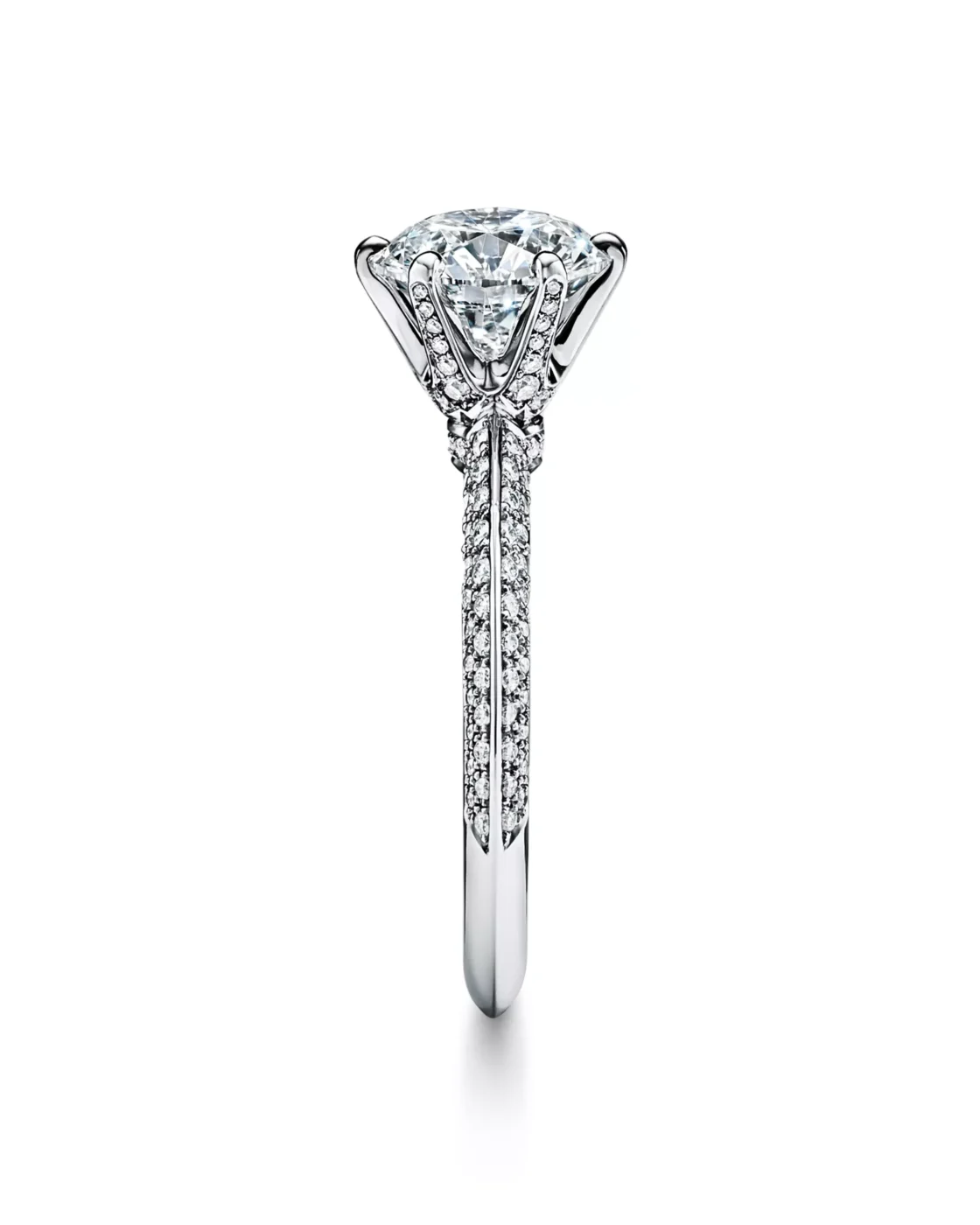
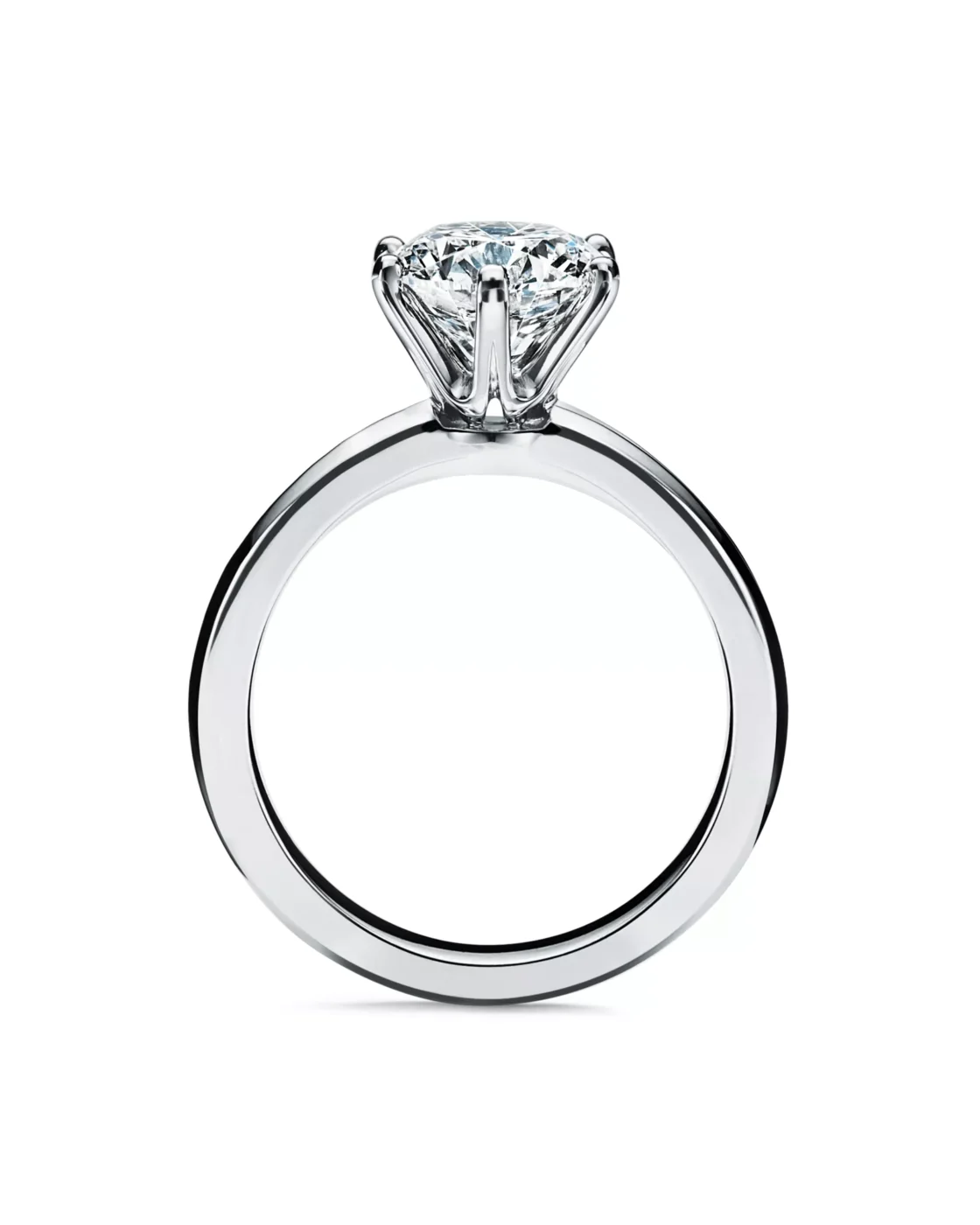
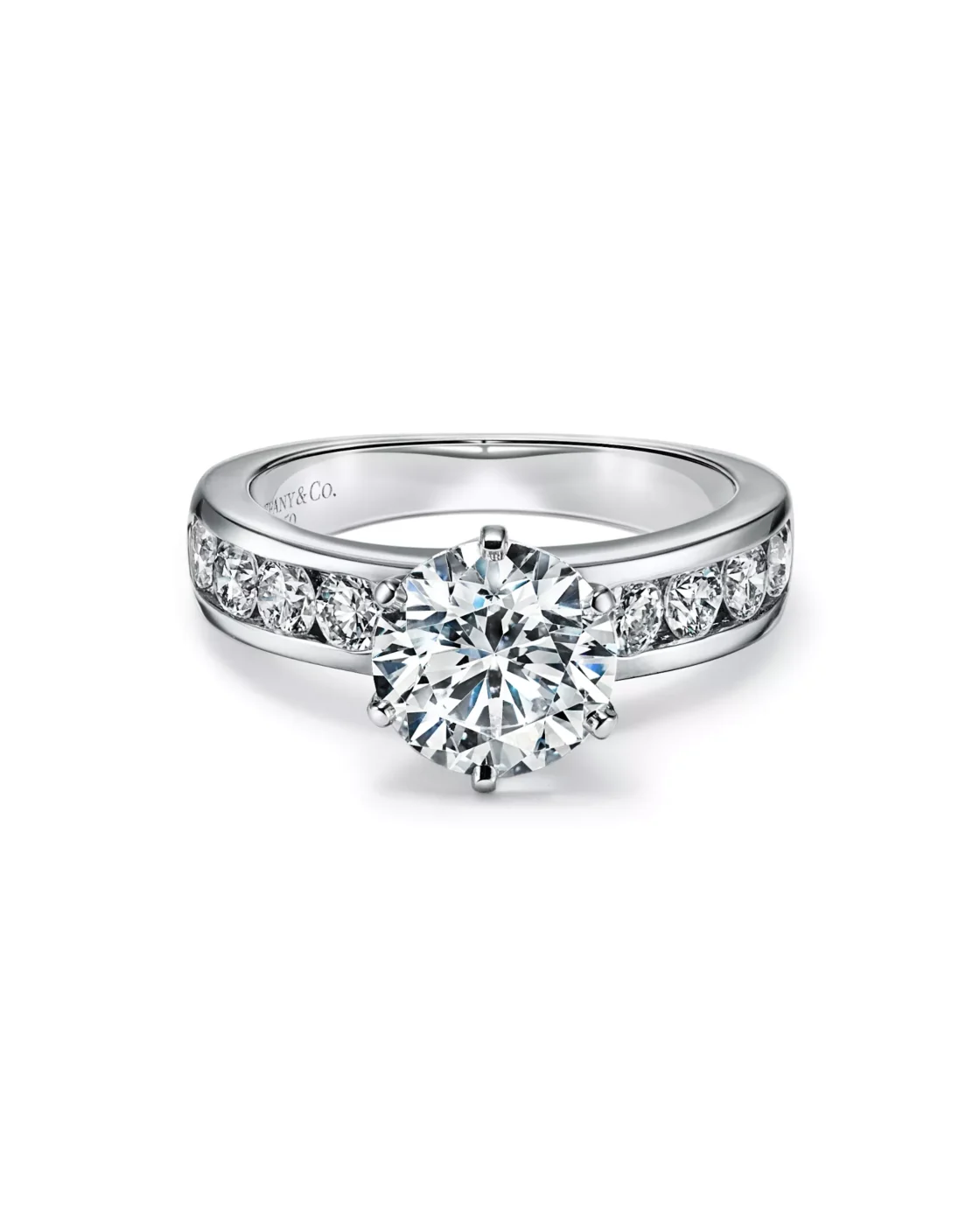
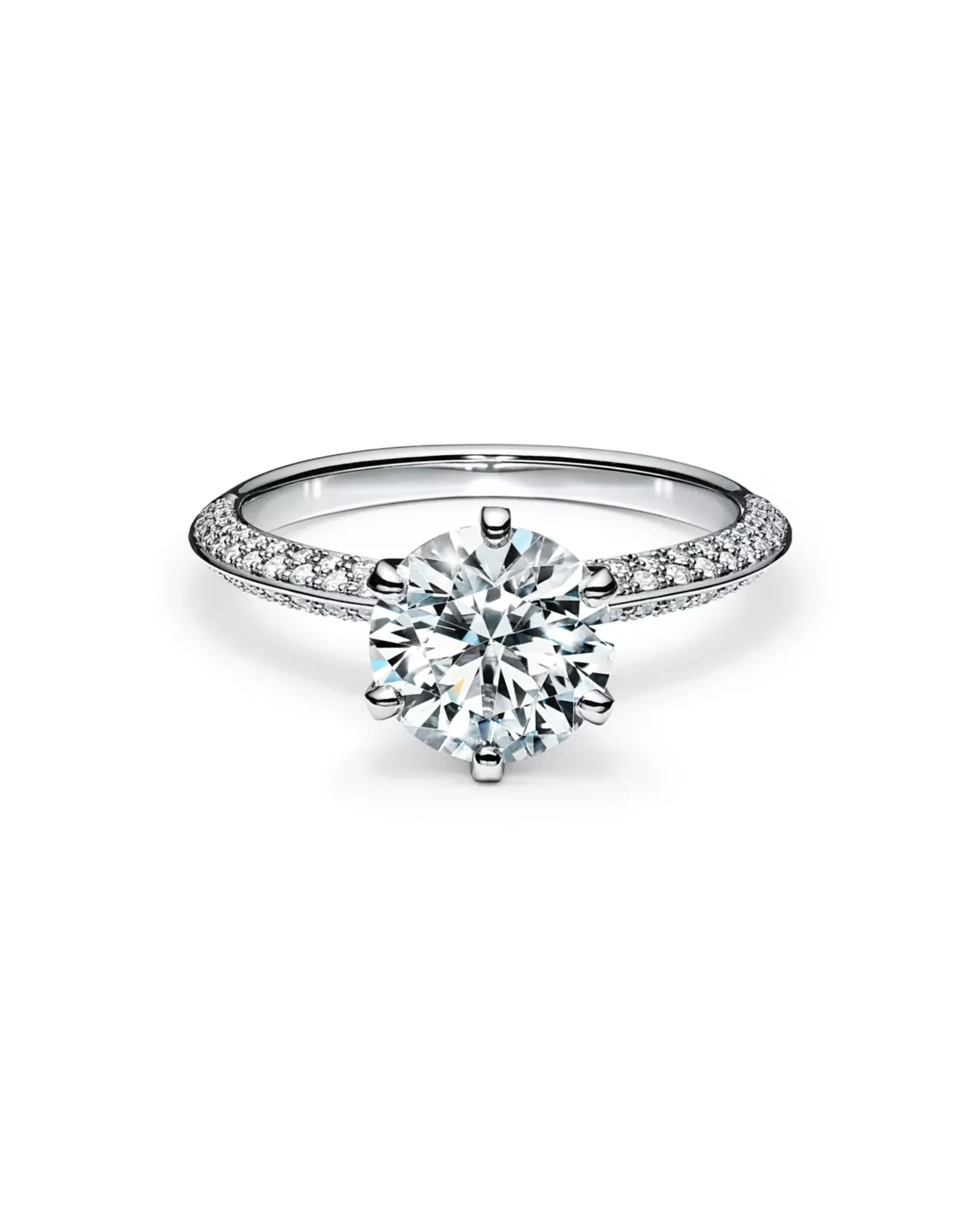
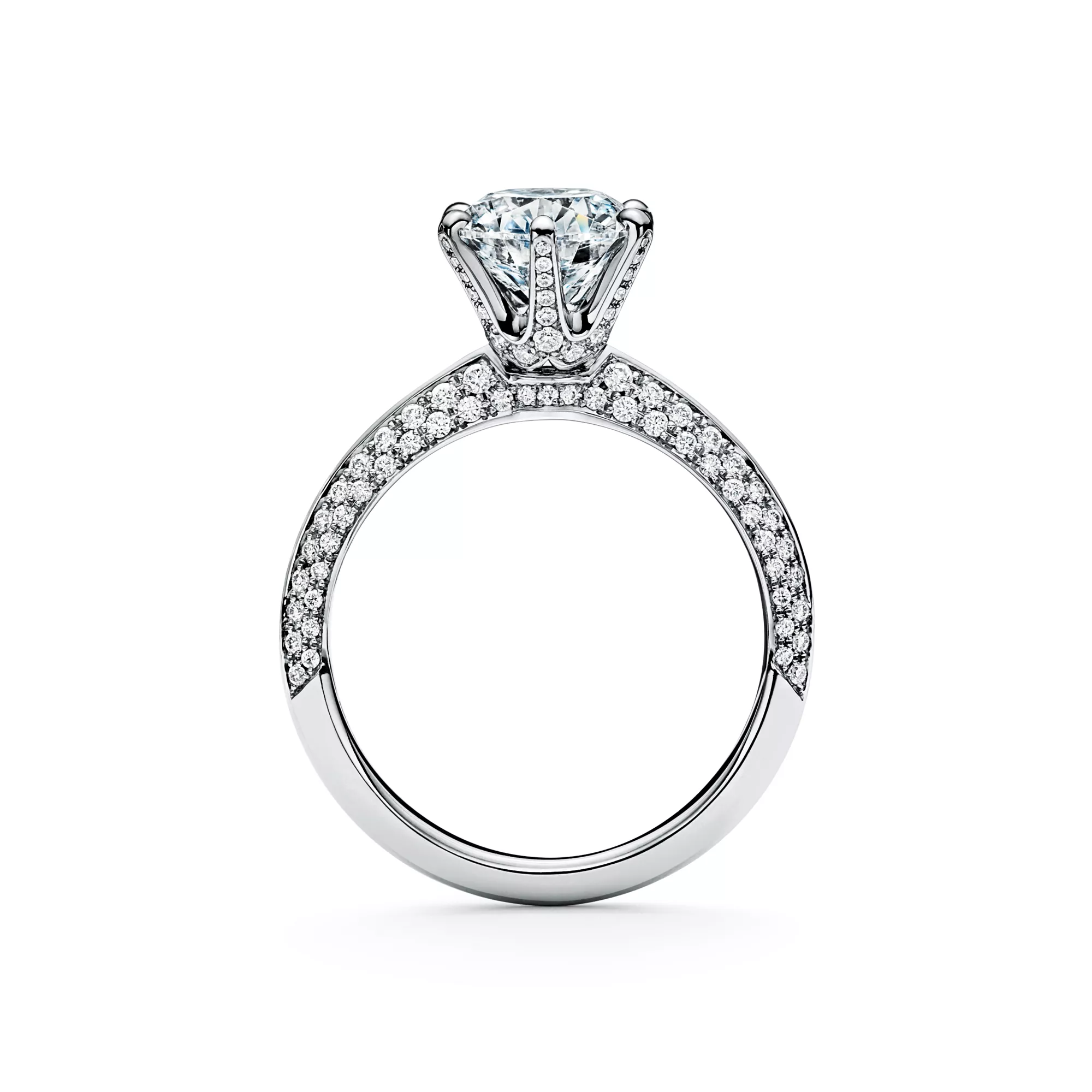
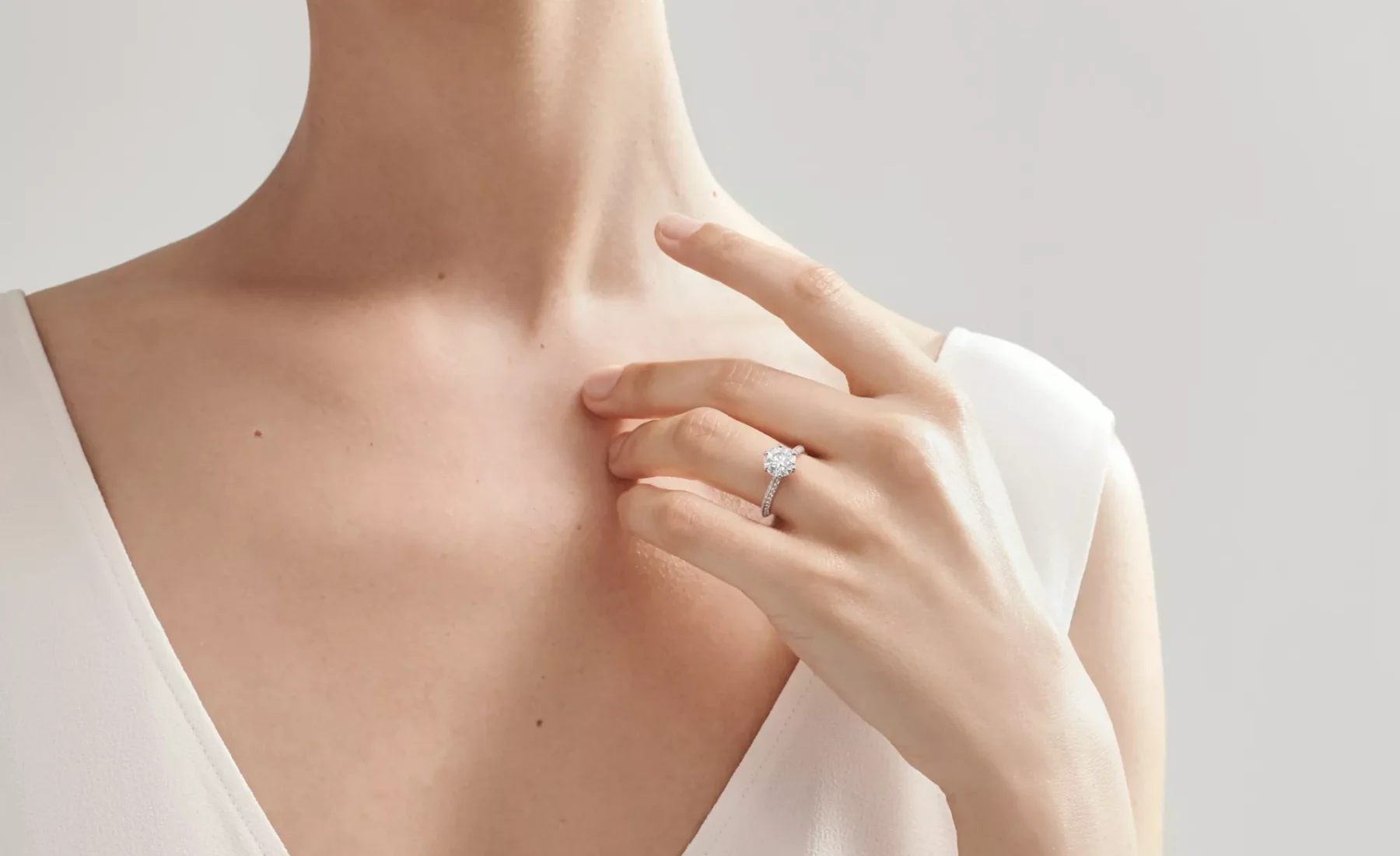
Gripping the stone at six narrow points near the girdle, the setting virtually disappears to let the diamond float suspended above the band.
Atelier reading
Triple Excellent standard
Every Tiffany engagement diamond is cut to Triple Excellent standard, optimizing fire, brightness and scintillation in alignment with the setting's optical goals.
Atelier reading
Soleste: Halo amplification
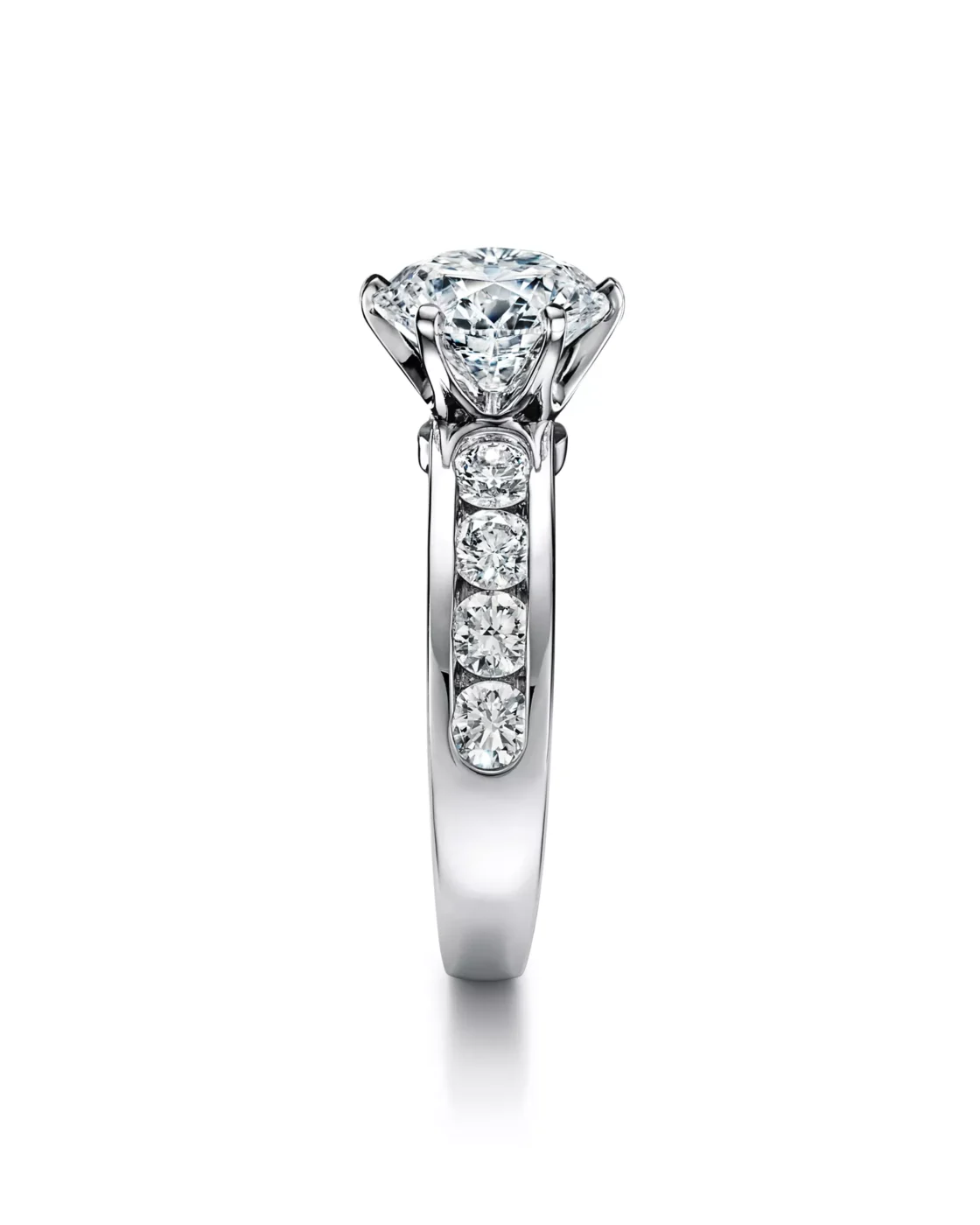
Naming itself from "sol" (sun), the Soleste surrounds the center stone with single or double halos of brilliant-cut diamonds, gathering and mirroring light.
Visual dossier
The image sequence behind the story
In brief — Why this design matters more than any single ring
There are very few objects in design history that have become so completely synonymous with their category that the category itself is now difficult to picture without them. The Tiffany Setting is one of them. Introduced in 1886, it remains, in the words of Tiffany’s own historical framing, “the first ring design in history to lift the diamond off the band” — and that single structural decision is the reason that when most people anywhere in the world picture “an engagement ring,” what they picture, whether they know the name or not, is some version of the Tiffany Setting.
This is not a story about a piece of engineering — a six-prong configuration — that became the default visual grammar for an entire category of jewellery, and that, 140 years later, Tiffany continues to produce, refine, and extend through related collections like Soleste, which takes the Setting’s core principle (lift the diamond, maximise its relationship with light) and adds a halo of smaller diamonds to amplify it further.
Before 1886 — What an engagement ring looked like, and why it needed to change
To understand why the Tiffany Setting was genuinely disruptive, it helps to understand what it replaced. At the end of the 19th century, engagement and fashion rings were, by convention, “heavily embellished with ornate details” — diamonds and other gemstones were typically set low into the band, often surrounded by additional decorative metalwork, enamel, or smaller stones, in settings that prioritised protection and ornamental density over the stone’s individual visual presence.
This was not simply a matter of taste. Setting a diamond low and surrounded served a genuine protective function — a stone set flush or nearly flush with the band, ringed by metal, was less exposed to impact than a stone raised above the band’s surface. The trade-off was optical: a diamond set low, with metal around its sides, has less of its surface area exposed to ambient light, and what light does reach it is partially absorbed or reflected by the surrounding metalwork before it ever interacts with the stone’s facets.
Charles Lewis Tiffany’s 1886 innovation inverted this logic entirely. Rather than asking how to protect the diamond by surrounding it, the Tiffany Setting asked how to expose the diamond to light as completely as possible — and accepted the engineering challenge of doing so without compromising the stone’s security on the hand.
Six Griffe — The engineering behind the floating diamond
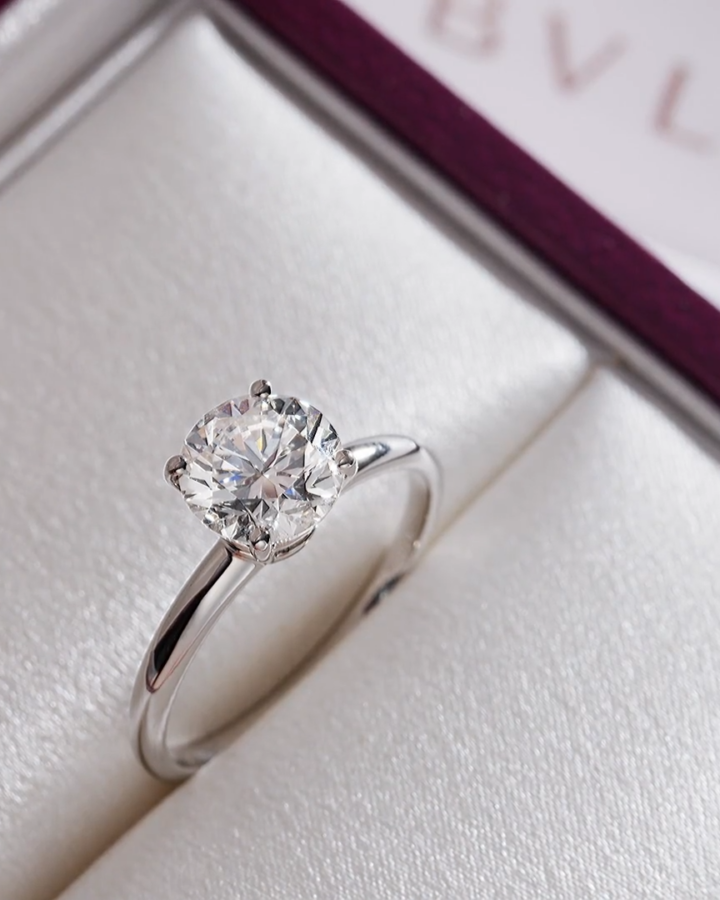
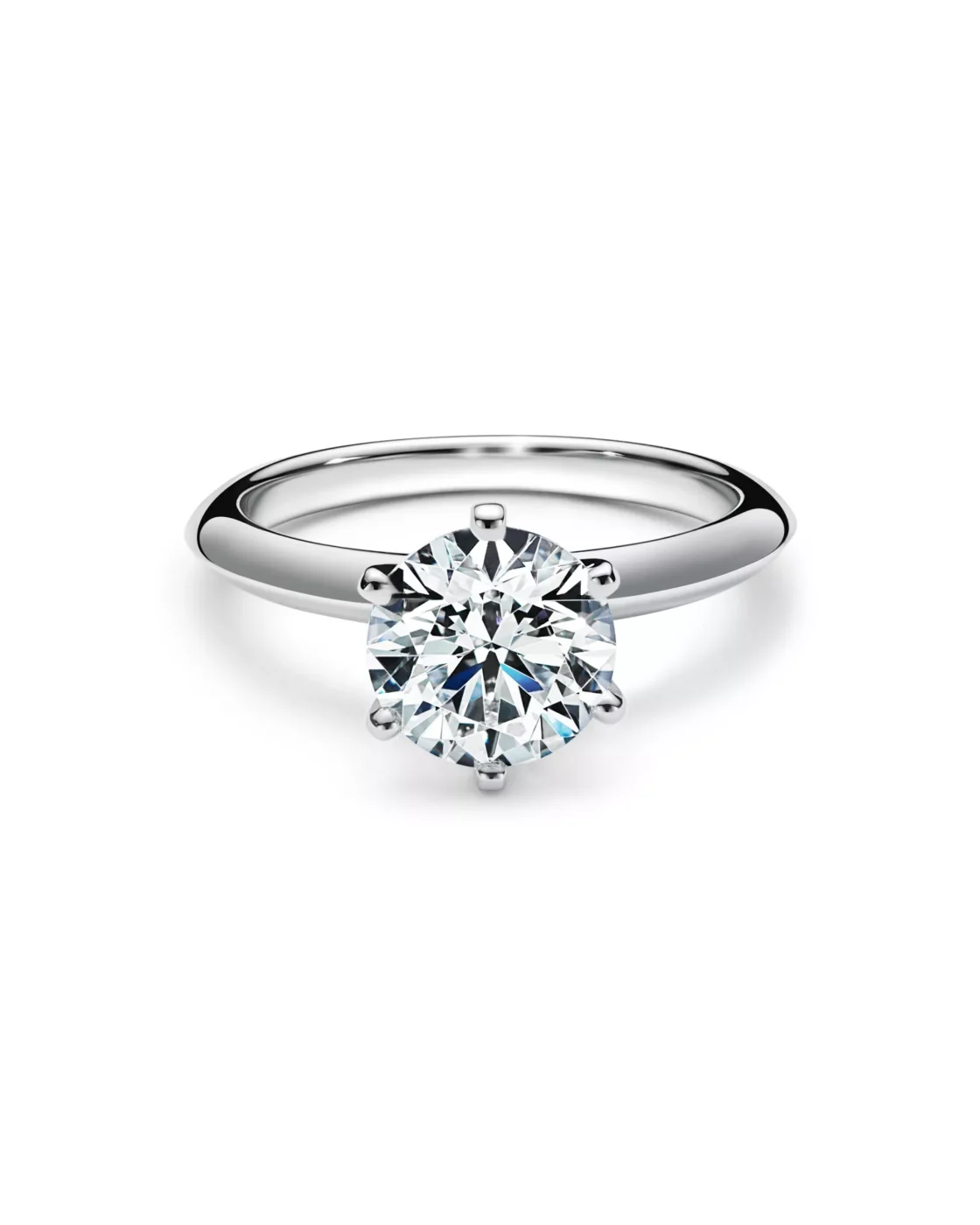
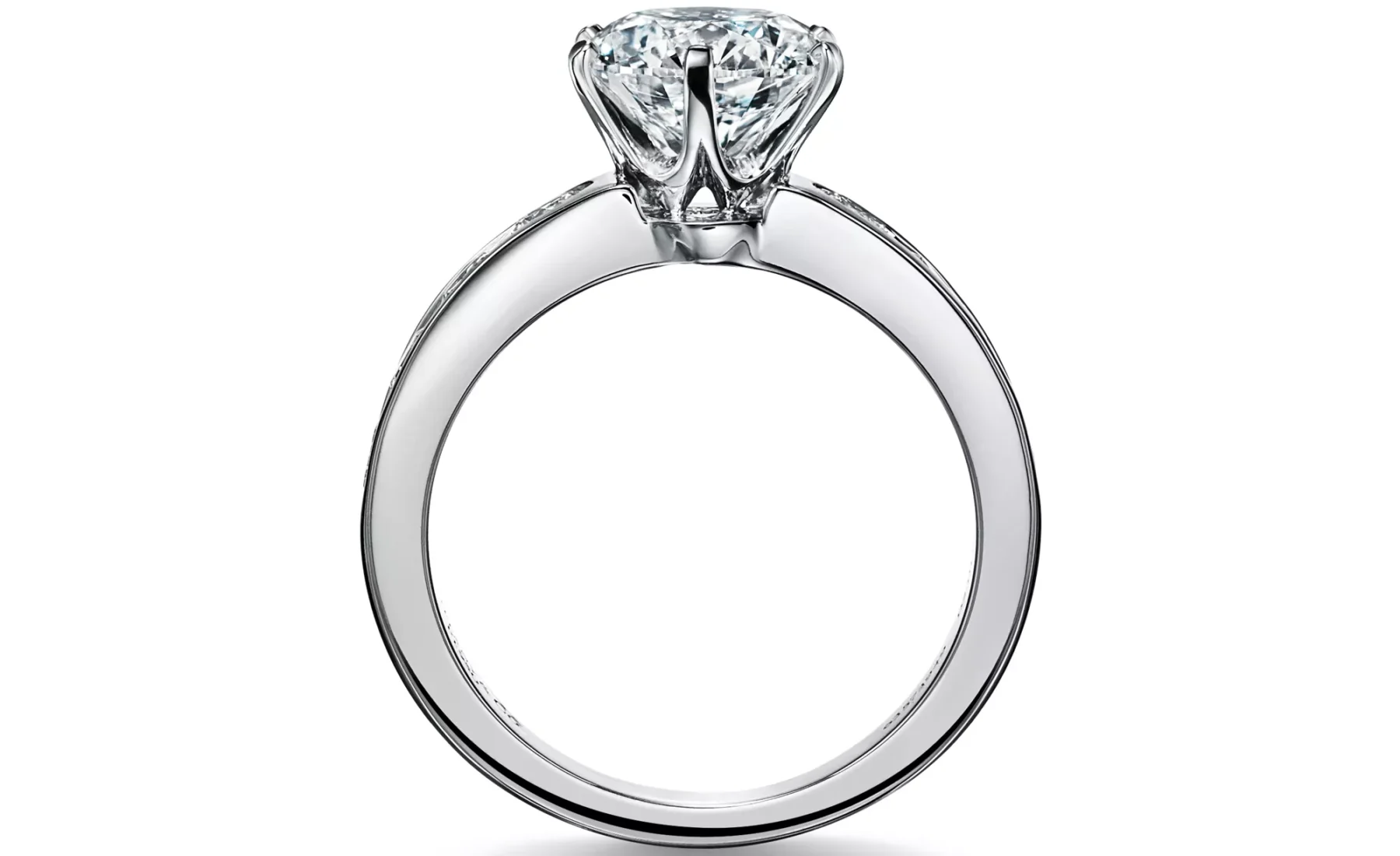
The Tiffany Setting’s solution is, in its essence, six thin metal prongs, positioned around the diamond’s circumference, each gripping the stone at a single point near its girdle. This configuration achieves minimal metal contact, maximal light exposure, and optimal structural safety. The setting becomes, in Tiffany’s own description, something that “virtually disappears” — the engineering exists, but visually, the eye reads only the diamond, suspended, seemingly unsupported, in space above the band.

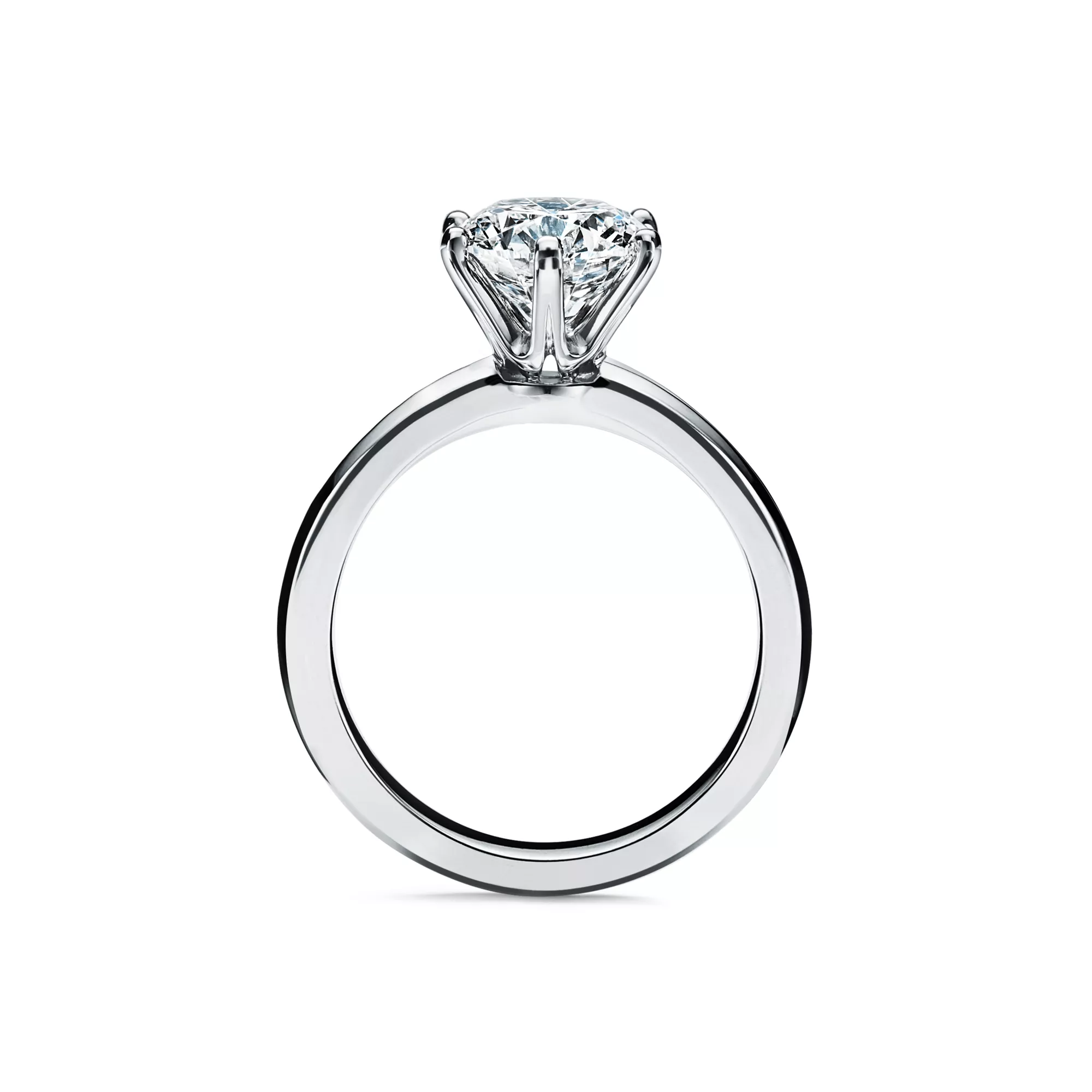
Floating brilliance.
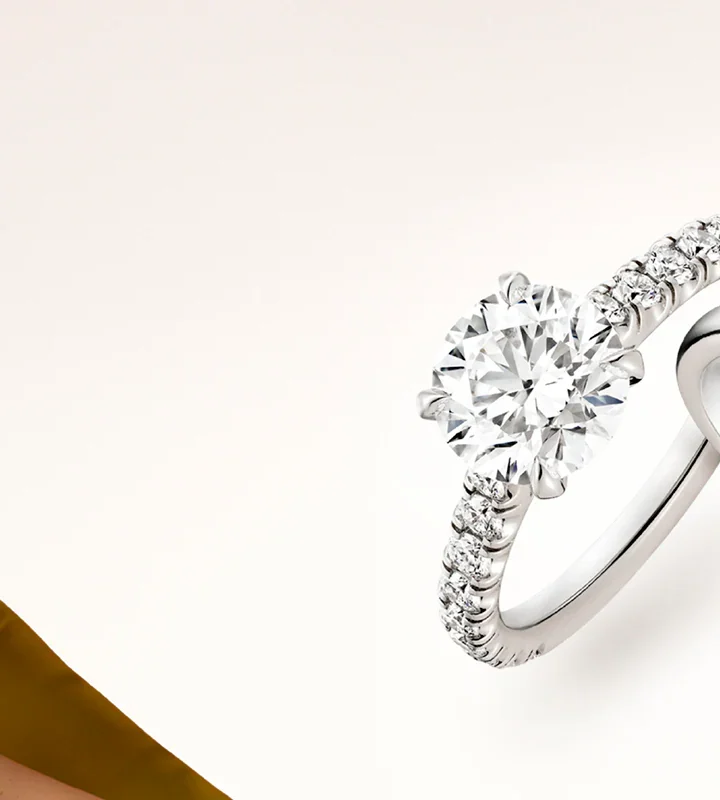
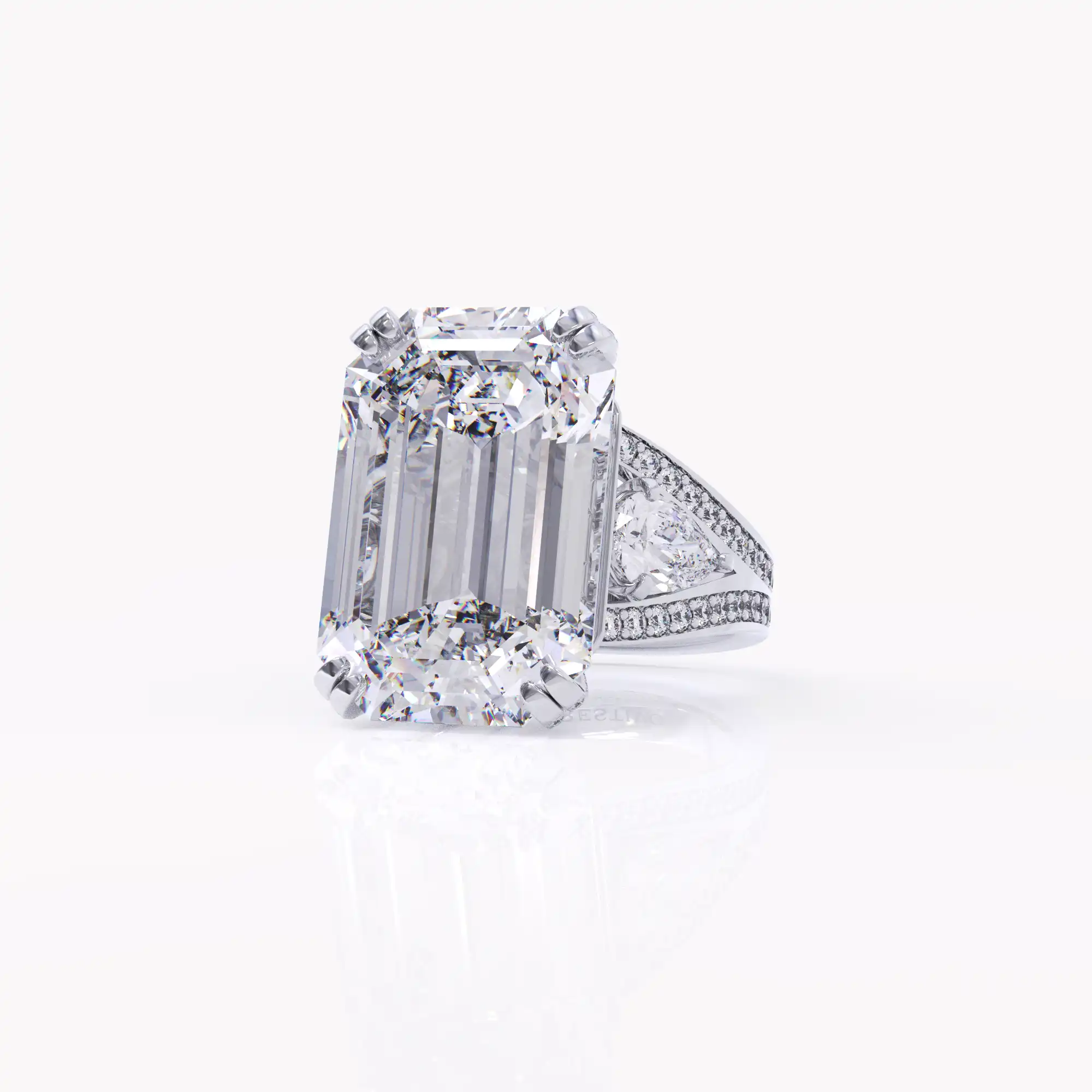
The six-prong setting elevates the brilliant-cut diamond above the band’s surface. Precision spacing and prong height are individually proportioned per stone size to maximize optical refraction.
By raising the diamond above the band’s surface — rather than setting it flush or recessed — the Tiffany Setting creates a small but optically significant gap between the stone and the metal beneath it. This gap allows light to pass through the diamond from below as well as from above and the sides, a pathway that a flush-set stone, backed directly by metal, cannot offer. The result is a brilliance that a more enclosed setting structurally cannot replicate, regardless of the underlying diamond’s quality.
Triple Excellent — The standard that guarantees performance
The Tiffany Setting’s engineering is built around a specific diamond standard: a “triple excellent cut diamond,” which Tiffany describes as “the highest grade in the industry” for cut quality specifically. Of the 4Cs, cut is the only one determined entirely by human craftsmanship rather than by natural properties. A setting engineered to expose the diamond fully to light gains the most benefit when paired with a diamond whose cut has been optimized to make the most of that light exposure. Tiffany’s pairing of the six-prong setting with a triple excellent cut standard represents a deliberate alignment: each element of the system exists to make the other perform at its theoretical maximum.
Tiffany Soleste — “Like the sun’s rays”
The name Soleste derives from “sol,” the Spanish word for sun. Where the Tiffany Setting’s innovation was structural solitaire presentation, Soleste’s innovation is additive: a halo of smaller brilliant diamonds surrounding the centre stone, with pavé detailing continuing along the band. Light is gathered and mirrored throughout the design, with the halo functioning as an optical amplification that extends the center stone’s presence.

Halo configurations.
Offered in single and double halo layouts, the Soleste gathers light to visually enlarge the footprint of the center stone, creating a continuous field of brightness on the hand.
Soleste is offered across multiple configurations. The single halo design, available in round, oval, and cushion cut centre stones, surrounds the centre diamond with one ring of pavé-set accent diamonds. The double halo design adds a second ring of accent diamonds around the first, producing a noticeably larger overall visual footprint for the same centre stone size. For pairing, the Tiffany Soleste V ring extends the Soleste aesthetic into wedding band territory, designed to nest against the engagement ring for stacking.
Pricing & Sourcing — The Tiffany Promise
Tiffany’s public positioning on diamond sourcing emphasises ethical sourcing as a core element of integrity. For an engagement ring intended to be worn daily for decades, the provenance of the central stone is a key consideration. The Tiffany Setting’s pricing — from approximately $4,000–$6,000 for entry-level configurations (0.20–0.30 carat centre stones) up to $200,000 and beyond — reflects a structure where the setting itself represents a relatively consistent proportion of the overall price, with the centre diamond driving the majority of the value. Soleste’s range — approximately $5,500–$40,000+ — reflects both the halo’s additional diamond content and the option to maximize overall visual presence efficiently.
Key Specifications — Reference table
| Specification | The Tiffany® Setting | Tiffany Soleste® |
|---|---|---|
| Setting type | Six-prong solitaire | Single or double halo |
| Origin | 1886, Charles Lewis Tiffany | Extension of Setting philosophy |
| Metal | Rose Gold, Platinum | Rose Gold, Platinum |
| Diamond shapes | Round brilliant (signature) | Round, oval, cushion, heart, and more |
| Diamond standard | Triple Excellent cut, in-house graded | Triple Excellent cut, in-house graded |
| Price range | ~$4,000–$6,000 (entry) to $200,000+ | ~$5,500–$40,000+ |
| Production | In-house, individually proportioned | In-house |
TheTimeo view
It is rare for a single design decision to become so completely absorbed into a category’s visual default that the decision itself becomes invisible — that people stop seeing it as a choice at all, and simply see it as what the category looks like. The Tiffany Setting achieved this almost 140 years ago, and the fact that it remains, in 2026, “the ring most people picture when they think ‘Tiffany'” — and arguably the ring most people picture when they think “engagement ring,” regardless of brand — is not nostalgia. It is the ongoing performance of an idea that was correct in 1886 and remains correct now: that the most important thing a setting can do for a diamond is get out of its way, as completely as engineering allows, so that light can do the rest.
Soleste does not compete with that idea. It multiplies it — taking the same conviction about light and diamonds and applying it across a field of stones rather than a single one, for buyers whose vision of brilliance is expansive rather than singular. Between the two, Tiffany offers something unusual in luxury bridal jewellery: not a choice between an iconic design and its alternatives, but a choice between two different scales of the same idea, both engineered, both produced by the same artisans, both descended from the same six-prong insight that changed what an engagement ring is.
Official sources
- Explore the official The Tiffany® Setting collection.
- Browse Tiffany Soleste® engagement rings.
- Read the Guide to Diamonds at Tiffany & Co.