Piaget
Piaget SA, established in 1874 in Switzerland, is a watchmaker and jeweller. The brand is known for ultra-thin movements, jewellery watches, and hardstone dials.
| Founded | 1874 — La Côte-aux-Fées, Switzerland |
|---|---|
| Founder(s) | Georges-Édouard Piaget |
| Headquarters | Geneva, Switzerland |
| Parent Group | Richemont |
| Known For | Ultra-thin movements, Jewellery watches, Hardstone dials |
| Price Range | £10,000 to £1,000,000+, GBP, 2024 |
| Revenue / Production | N/A |
| Official Website | piaget.com |
Piaget SA, established in 1874 in the village of La Côte-aux-Fées, Switzerland, is a Swiss watchmaker and jeweller renowned for its ultra-thin movements, exquisite jewellery watches, and the use of hardstone dials. The brand’s history is characterised by a transition from movement manufacture to crafting complete watches and jewellery, becoming a prominent name in luxury goods.
History and Founding
Georges-Édouard Piaget founded the company in the Swiss Jura Mountains in 1874. Initially, Piaget focused on manufacturing watch movements and components for other established watch brands. Piaget’s workshop quickly gained a reputation for producing high-quality, precise, and reliable movements. The early success of the company was built on supplying movements to prestigious brands, allowing Piaget to establish a solid foundation in the watchmaking industry. The founder’s ethos of precision and dedication to craftsmanship set the standard for future generations.
The Piaget family maintained control of the company, with Timothée Piaget, Georges-Édouard’s son, taking over in 1911. Under Timothée’s leadership, the company continued to specialise in movement production, further refining its expertise. It wasn’t until the third generation, under the guidance of Gérald and Valentin Piaget, that the company began to produce watches under its own name in 1943, registering the Piaget brand. This marked a significant shift in the company’s strategy, moving from being a supplier to becoming a creator of complete timepieces.
Historical Timeline
| Year | Event |
|---|---|
| 1874 | Georges-Édouard Piaget establishes his workshop in La Côte-aux-Fées, Switzerland, focusing on manufacturing watch movements. |
| 1911 | Timothée Piaget, Georges-Édouard’s son, takes over the family business. |
| 1943 | Piaget officially registers its brand name and begins producing watches under its own name. |
| 1957 | Piaget introduces the Calibre 9P, an ultra-thin hand-wound movement, establishing its reputation for innovation in movement design. |
| 1960 | The Calibre 12P, the world’s thinnest automatic movement at the time, is launched. |
| 1964 | Piaget begins using hardstone dials (such as lapis lazuli, jade, and onyx) in its watches, pioneering a new aesthetic in watch design. |
| 1967 | The first Piaget jewellery boutique opens in Geneva. |
| 1988 | Piaget joins the Vendôme Luxury Group (later Richemont). |
| 1990 | Launch of the Possession collection, a line of jewellery featuring rotating rings. |
| 2002 | Inauguration of the new Piaget Manufacture in Plan-les-Ouates, Geneva. |
| 2014 | Piaget celebrates its 140th anniversary. |
| 2018 | Introduction of the Altiplano Ultimate Concept, the world’s thinnest mechanical watch. |
Key Collections and Iconic References
Piaget’s collections reflect the brand’s dual expertise in watchmaking and jewellery. Several collections have become iconic, representing the brand’s design ethos and technical capabilities.
-
Altiplano: The Altiplano collection is synonymous with ultra-thin watchmaking. The watches in this collection are known for their minimalist design, clean lines, and exceptional thinness. The Altiplano holds several records for being the thinnest watches in various categories. The Altiplano Ultimate Concept, introduced in 2018, pushed the boundaries of ultra-thin watchmaking, integrating the movement components into the caseback to achieve an incredibly slim profile.
-
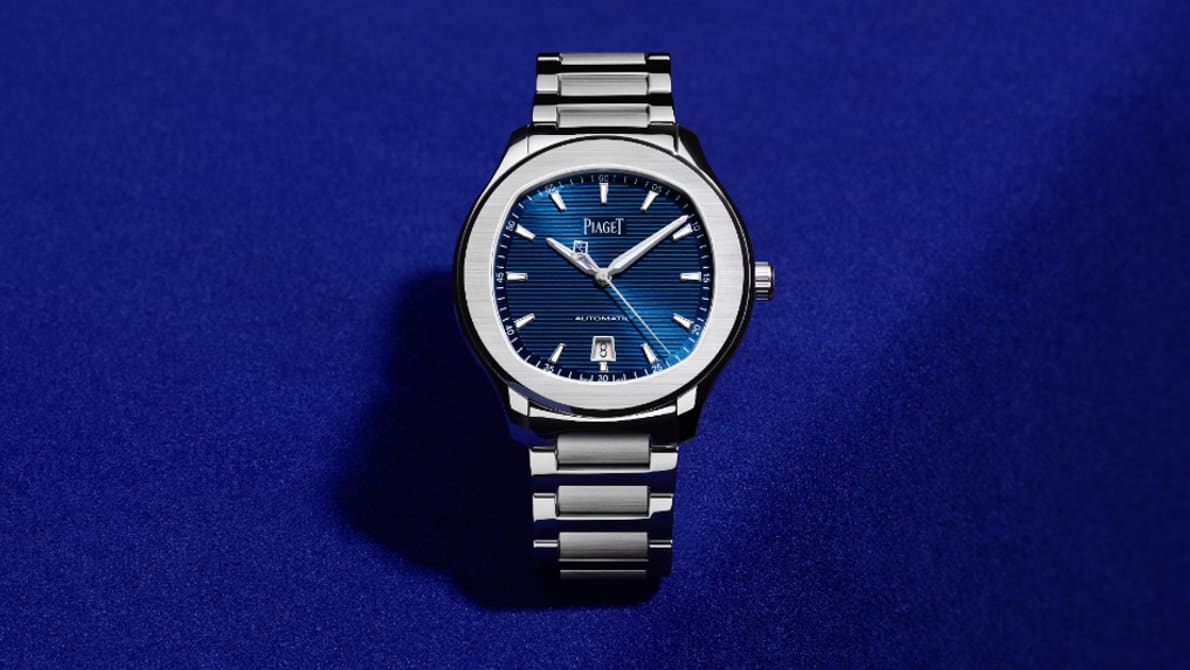
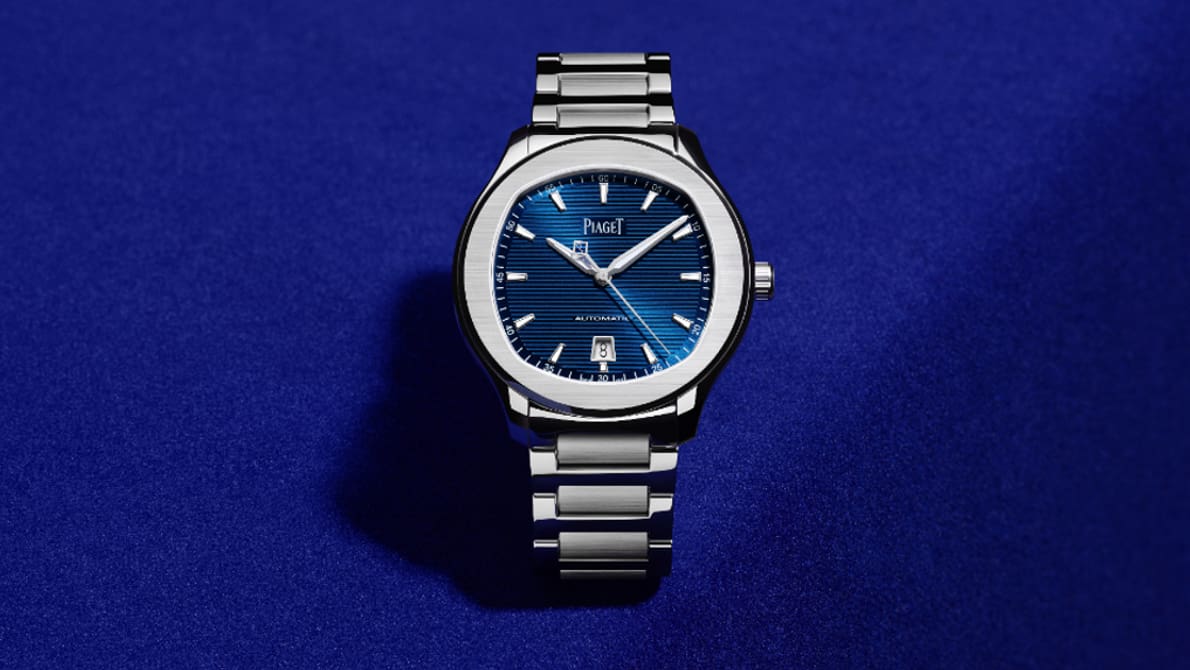
Polo: The Piaget Polo collection represents the brand’s sporty-chic aesthetic. Originally launched in 1979, the Polo watches feature a distinctive design with a combination of polished and brushed surfaces. The collection has evolved over the years, with various models incorporating complications such as chronographs and tourbillons. The Polo is designed to be versatile, suitable for both casual and formal occasions.
-
Possession: The Possession collection is a line of jewellery characterised by its playful and interactive design. The signature element of the Possession collection is the rotating rings, which are designed to be spun and played with. The collection includes rings, bracelets, necklaces, and earrings, often incorporating diamonds and other precious stones.
-
Limelight Gala: The Limelight Gala collection showcases Piaget’s expertise in jewellery watchmaking. These watches are distinguished by their asymmetrical lugs, which are set with diamonds and flow seamlessly into the case. The Limelight Gala watches are designed to be elegant and feminine, often featuring curved cases and precious materials.
-
Extremely Piaget: The Extremely Piaget collection encompasses high jewellery and exceptional timepieces that showcase the brand’s creativity and craftsmanship. These pieces often feature bold designs, intricate gem-setting, and unique materials. The collection includes cuff watches, sautoir necklaces, and other statement pieces that reflect Piaget’s heritage of glamour and sophistication.
-
Traditional Oval Watches: Piaget’s oval-cased watches, particularly those with hardstone dials, are highly sought after by collectors. These watches, popular in the 1960s and 1970s, exemplify Piaget’s daring use of colour and materials.
Technical Heritage and Innovation
Piaget has a rich technical heritage, marked by numerous innovations in watchmaking, particularly in the realm of ultra-thin movements.
-
Ultra-Thin Movements: Piaget is renowned for its expertise in creating ultra-thin movements. The Calibre 9P, a hand-wound movement introduced in 1957, was a groundbreaking achievement in movement design. Its slim profile allowed for the creation of elegant and refined watches. In 1960, Piaget launched the Calibre 12P, the world’s thinnest automatic movement at the time. These ultra-thin movements became a signature of the brand, influencing the design of many Piaget watches.
-
Automatic Movements: Beyond ultra-thin calibres, Piaget has developed a range of automatic movements known for their reliability and precision. These movements often incorporate complications such as date displays, chronographs, and dual-time functions.
-
Shaping Movements: Piaget has also demonstrated expertise in shaping movements to fit the unique designs of its watches. This includes creating oval, rectangular, and tonneau-shaped movements that complement the aesthetics of the case.
-
Hardstone Dials: In the 1960s, Piaget pioneered the use of hardstone dials in its watches. These dials, made from materials such as lapis lazuli, jade, onyx, and tiger’s eye, added a new dimension of colour and texture to watch design. The hardstone dials became a distinctive feature of Piaget watches, reflecting the brand’s creativity and boldness.
-
Altiplano Ultimate Concept: The Altiplano Ultimate Concept, introduced in 2018, represents the culmination of Piaget’s expertise in ultra-thin watchmaking. This watch achieved a record-breaking thinness by integrating the movement components into the caseback. The Altiplano Ultimate Concept required years of research and development, pushing the boundaries of what was thought possible in mechanical watchmaking.
Ownership and Corporate Structure
Piaget has been part of the Richemont Group since 1988. Richemont, a Swiss luxury goods holding company, owns several prestigious brands in the fields of jewellery, watches, writing instruments, and fashion. Being part of Richemont has provided Piaget with the resources and support to continue its tradition of innovation and craftsmanship.
Piaget operates as a distinct brand within the Richemont portfolio, maintaining its own identity and design direction. The company has its own manufacturing facilities and design studios, allowing it to maintain control over the quality and creativity of its products.
Key Figures
-
Georges-Édouard Piaget: The founder of Piaget, Georges-Édouard Piaget, established the company’s foundation in 1874. His vision and dedication to precision set the standard for future generations.
-
Timothée Piaget: As the son of Georges-Édouard Piaget, Timothée Piaget took over the family business in 1911. He continued to focus on movement production, further refining the company’s expertise.
-
Gérald and Valentin Piaget: The third generation of Piagets, Gérald and Valentin Piaget, played a crucial role in transforming the company from a movement supplier to a creator of complete watches. They registered the Piaget brand in 1943 and began producing watches under its own name.
-
Yves Piaget: Yves Piaget, a member of the Piaget family, served as the company’s chairman for many years. He was instrumental in expanding the brand’s presence in the jewellery market and promoting its image as a luxury brand. The Piaget Rose was named after him.
Auction Records
Piaget watches and jewellery have performed well at auctions, reflecting their desirability among collectors. Vintage Piaget watches, particularly those with hardstone dials and unusual designs, are highly sought after.
| Reference | Description | Auction House | Sale Date | Price (USD) |
|---|---|---|---|---|
| Piaget Polo | A vintage Piaget Polo with a gold bracelet | Christie’s | November 2023 | $15,000 |
| Piaget Cuff Watch | A diamond-set Piaget cuff watch | Sotheby’s | December 2022 | $45,000 |
| Piaget Hardstone Dial Watch | A Piaget watch with a lapis lazuli dial | Phillips | May 2024 | $22,000 |
These auction results demonstrate the enduring appeal of Piaget’s designs and the value placed on vintage and rare pieces.
Cultural Legacy and Influence
Piaget has had a significant cultural legacy and influence, particularly in the areas of watch design and jewellery. The brand’s pioneering use of ultra-thin movements and hardstone dials has inspired other watchmakers and designers. Piaget’s watches and jewellery have been worn by celebrities, royalty, and other influential figures, further enhancing the brand’s image as a symbol of luxury and sophistication.
Piaget has also been associated with the art world, collaborating with artists and designers on special projects. These collaborations have helped to push the boundaries of creativity and innovation, reflecting Piaget’s commitment to artistic expression.
Legacy and Significance
Piaget’s legacy lies in its contributions to the fields of watchmaking and jewellery. The brand’s expertise in ultra-thin movements, its pioneering use of hardstone dials, and its commitment to design have set it apart from other luxury brands. Piaget’s watches and jewellery are known for their elegance, sophistication, and craftsmanship.
The brand’s significance is reflected in its enduring appeal among collectors and enthusiasts. Piaget watches and jewellery are seen as investments, representing a combination of artistry, technical innovation, and timeless design. As part of the Richemont Group, Piaget is well-positioned to continue its tradition of excellence and innovation in the years to come.