Tudor
Tudor, or Montres Tudor SA, is a Swiss watch manufacturer founded in 1926 by Hans Wilsdorf, also the founder of Rolex. Tudor is known for robust tool watches at a more accessible price point.
| Founded | 1926 — Geneva, Switzerland |
|---|---|
| Founder(s) | Hans Wilsdorf |
| Headquarters | Geneva, Switzerland |
| Parent Group | Rolex SA |
| Known For | Robust tool watches, accessible price point, distinctive design elements |
| Price Range | £1,800 to £6,000, GBP (2024) |
| Revenue / Production | N/A |
| Official Website | tudorwatch.com |
Tudor, formally Montres Tudor SA, is a Swiss watch manufacturer established in 1926 by Hans Wilsdorf, the founder of Rolex. Positioned as a more accessible alternative to its parent brand, Tudor has cultivated its own identity by producing robust and reliable tool watches, often incorporating distinctive design elements and offering exceptional value for money.
History and Founding
The genesis of Tudor can be traced back to 1926 when “Veuve de Philippe Hüther, Montres Tudor SA” was registered on behalf of Hans Wilsdorf (according to official records). Wilsdorf, an astute businessman, envisioned a separate brand that could offer the quality and reliability associated with Rolex, but at a more affordable price point. The early Tudor watches relied on movements sourced from external suppliers, while leveraging Rolex’s case designs and distribution network. This strategy allowed Tudor to establish a foothold in the market and build a reputation for durability.
The official launch of Tudor as a distinct brand occurred in 1946 when Wilsdorf created “Montres Tudor SA.” His intention was to produce watches that would be sold at a lower price than Rolex watches, while still maintaining a standard of dependability. Early advertising campaigns emphasised the robustness and water-resistance of Tudor watches, targeting professionals and adventurers who required reliable timekeeping instruments.
Historical Timeline
- 1926: The “Tudor” trademark is registered by the watchmaking company “Veuve de Philippe Hüther” on behalf of Hans Wilsdorf.
- 1936: Hans Wilsdorf takes direct control of the Tudor brand.
- 1946: Montres Tudor SA is officially founded, marking Tudor’s establishment as a distinct entity.
- 1952: The Tudor Oyster Prince is launched, the first model to feature automatic winding and water resistance. A group of 26 Oyster Prince watches are part of the British scientific expedition to Greenland.
- 1954: The first Tudor Submariner, reference 7922, is introduced, establishing Tudor’s presence in the diving watch market.
- 1957: The Tudor Advisor is launched, featuring an alarm complication.
- 1960s: Tudor supplies watches to the French Navy (Marine Nationale), marking the beginning of a long-standing relationship with military organisations.
- 1970s: Tudor introduces the Chronograph Oysterdate, also known as the “Montecarlo” due to its roulette-wheel-like dial design.
- 1980s-1990s: Tudor continues to produce a range of tool watches, including divers, chronographs, and dress watches, often utilising ETA movements.
- 2009: Tudor is relaunched in several key markets, including Europe and Asia, with a renewed focus on design and heritage.
- 2012: The Tudor Heritage Black Bay is introduced, drawing inspiration from vintage Tudor Submariner models and marking a turning point in the brand’s design direction.
- 2015: Tudor introduces its first in-house movement, the calibre MT5621, signalling a move towards greater independence from external movement suppliers.
- 2018: Tudor partners with Alinghi Red Bull Racing, a sailing team competing in the America’s Cup.
- 2023: Tudor achieves METAS certification for the Black Bay collection, guaranteeing high levels of precision, magnetic resistance, water resistance, and power reserve.
Key Collections and Iconic References
Tudor’s product portfolio encompasses a diverse range of collections, each with its own distinct character and design cues. Several models have achieved iconic status, becoming highly sought after by collectors and enthusiasts.
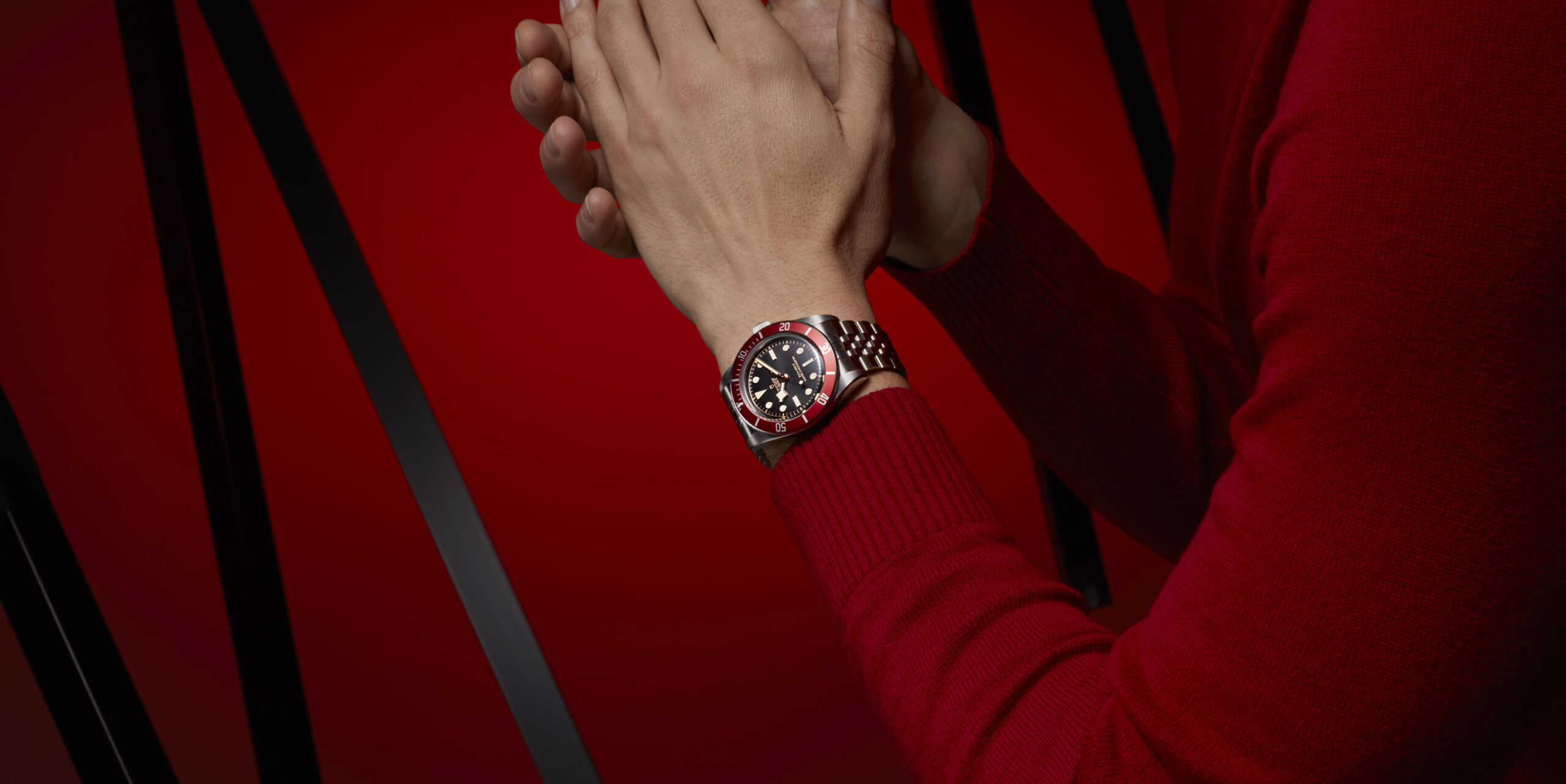
- Black Bay: The Black Bay collection is arguably Tudor’s most popular and recognisable line. Inspired by vintage Tudor Submariner models, the Black Bay features a distinctive snowflake hour hand, a unidirectional rotating bezel, and a domed crystal. The collection includes a variety of models, such as the Black Bay Fifty-Eight (a smaller, more vintage-inspired version), the Black Bay GMT (with a dual time zone complication), and the Black Bay Chrono (a chronograph). The Black Bay is now METAS certified, ensuring top-tier performance.
- Pelagos: The Pelagos is Tudor’s professional-grade diving watch, known for its titanium case, helium escape valve, and automatic adjustable clasp. The Pelagos is a robust and highly functional tool watch designed for serious underwater exploration. The Pelagos FXD models, developed in collaboration with the French Navy’s Commando Hubert, are particularly noteworthy.
- Ranger: The Ranger collection pays homage to Tudor’s heritage of producing robust and reliable expedition watches. The Ranger features a simple, legible dial, a durable case, and a comfortable bracelet or strap. It is designed to be a versatile and practical everyday watch.
- 1926: The 1926 collection is a line of elegant and classic dress watches, named after the year the Tudor brand was registered. The 1926 features a textured dial, applied hour markers, and a refined case design. It is available in a range of sizes and materials. The 1926 Luna adds a moon phase complication to the line.
- Royal: The Royal collection offers a sporty and sophisticated aesthetic, with integrated bracelets, notched bezels, and a variety of dial colours. The Royal is designed to be a versatile watch that can be worn in both casual and formal settings.
- Submariner (Historical): Although no longer in production, the vintage Tudor Submariner models are highly sought after by collectors. These watches, produced from the 1950s to the 1990s, are known for their robust construction, distinctive design elements (such as the snowflake hands), and historical significance. Key references include the 7922, 7924, 7016, and 79090.
- Chronograph Oysterdate “Montecarlo” (Historical): The Chronograph Oysterdate, nicknamed “Montecarlo” due to its colourful and distinctive dial design, is another highly collectible vintage Tudor model. These chronographs, produced in the 1970s, feature a roulette-wheel-like dial with contrasting colours and a sporty aesthetic.
Technical Heritage and Innovation
While Tudor initially relied on movements sourced from external suppliers, the brand has increasingly invested in developing its own in-house movements and incorporating innovative technologies into its watches.
- In-House Movements: In 2015, Tudor introduced its first in-house movement, the calibre MT5621. This movement, which powers the Pelagos and Black Bay models, features automatic winding, a silicon balance spring, and a 70-hour power reserve. Since then, Tudor has developed a range of in-house movements, including the MT5602 (a time-only movement), the MT5652 (a GMT movement), and the MT5813 (a chronograph movement).
- Silicon Balance Spring: Tudor utilises silicon balance springs in its in-house movements. Silicon is a non-magnetic material that is less susceptible to temperature variations and shocks, resulting in improved accuracy and reliability.
- METAS Certification: Tudor has achieved METAS (Swiss Federal Institute of Metrology) certification for its Black Bay collection. This certification guarantees high levels of precision, magnetic resistance, water resistance, and power reserve. METAS certification is a rigorous testing process that exceeds the standards of traditional chronometer certification.
- Titanium Construction: Tudor utilises titanium in the construction of the Pelagos diving watch. Titanium is a lightweight and durable material that is highly resistant to corrosion, making it ideal for underwater use.
- Automatic Adjustable Clasp: The Pelagos features an automatic adjustable clasp that allows the wearer to easily adjust the bracelet length to accommodate a wetsuit. This innovative clasp ensures a comfortable and secure fit, even when diving.
- Helium Escape Valve: The Pelagos is equipped with a helium escape valve, which allows helium gas to escape from the watch case during decompression, preventing damage to the crystal. This feature is essential for saturation diving.
Ownership and Corporate Structure
Tudor is a wholly-owned subsidiary of Rolex SA. This close relationship provides Tudor with access to Rolex’s extensive resources, expertise, and distribution network. While Tudor operates as a separate brand with its own identity and product development team, it benefits from the backing and support of its parent company.
The corporate structure ensures that Tudor maintains its own distinct brand identity and creative direction, while leveraging the operational efficiencies and technological advancements of the Rolex Group. This synergy has been instrumental in Tudor’s resurgence and its ability to offer high-quality watches at competitive prices.
Key Figures
- Hans Wilsdorf: The founder of both Rolex and Tudor, Wilsdorf was a visionary entrepreneur who recognised the potential for a more accessible brand that could offer the quality and reliability associated with Rolex.
- Jean-Paul Girardin: The former CEO of Tudor, Girardin played a key role in the brand’s relaunch in 2009 and its subsequent success. He oversaw the development of the Heritage Black Bay and the introduction of Tudor’s in-house movements.
- Philippe Peverelli: The current CEO of Tudor, Peverelli is responsible for leading the brand’s strategic direction and overseeing its product development and marketing activities.
Auction Records
Vintage Tudor watches, particularly Submariner and Chronograph Oysterdate models, have performed well at auction, reflecting their increasing popularity among collectors.
| Reference | Description
Tudor Oyster Prince Submariner Ref. 7923: In November 2019, Phillips sold a Tudor Oyster Prince Submariner Ref. 7923, manufactured in 1955, for CHF 75,000 (approximately £60,000 at the time) (according to Phillips 2019). This result demonstrates the desirability of early Tudor Submariner models among collectors.
* Tudor Submariner Ref. 7924:* In May 2021, Christies sold a Tudor Submariner Ref. 7924, manufactured in 1958, for CHF 68,750 (approximately £55,000 at the time) (according to Christies 2021). This reference, known as the “Big Crown” due to its oversized winding crown, is particularly prized by collectors.
These auction results highlight the growing interest in vintage Tudor watches and their increasing value as collectible items. The rarity, condition, and historical significance of a particular model can all influence its performance at auction.
Cultural Legacy and Influence
Tudor has cultivated a strong cultural presence through strategic partnerships and collaborations with individuals and organisations that embody the brand’s “Born To Dare” spirit.
- Partnerships with Athletes and Adventurers: Tudor has partnered with a diverse range of athletes and adventurers, including David Beckham, Jay Chou, and the members of the Alinghi Red Bull Racing sailing team. These partnerships help to reinforce Tudor’s image as a brand that is associated with performance, resilience, and a spirit of exploration.
- Sponsorship of Motorsports Events: Tudor has a long history of involvement in motorsports, sponsoring racing teams and events such as the IMSA Tudor United SportsCar Championship. This association with motorsports reflects Tudor’s commitment to precision, engineering, and performance.
- Collaboration with Military Organisations: Tudor has a long-standing relationship with military organisations, supplying watches to the French Navy (Marine Nationale) and other armed forces. These collaborations underscore Tudor’s reputation for producing robust and reliable tool watches that can withstand the rigours of military use.
- Design Influence: Tudor’s design language, particularly the snowflake hands and the overall aesthetic of the Black Bay collection, has had a significant influence on the watch industry. Many other brands have drawn inspiration from Tudor’s vintage-inspired designs.
Legacy and Significance
Tudor has evolved from being a more affordable alternative to Rolex into a respected and independent brand with its own distinct identity. The brand’s commitment to producing robust, reliable, and stylish watches at accessible prices has resonated with a wide audience.
Tudor’s key contributions to the watch industry include:
- Democratising Quality: Tudor has made high-quality Swiss watches more accessible to a wider range of consumers. By offering watches that are built to the same exacting standards as Rolex, but at a lower price point, Tudor has democratised access to fine watchmaking.
- Reviving Vintage Design: Tudor has played a key role in the revival of vintage-inspired watch designs. The Heritage Black Bay collection, in particular, has been instrumental in popularising vintage design cues and introducing them to a new generation of watch enthusiasts.
- Developing In-House Movements: Tudor’s investment in developing its own in-house movements has solidified its position as a serious player in the watch industry. These movements demonstrate Tudor’s commitment to technical innovation and its desire to offer watches that are both reliable and accurate.
- Building a Strong Brand Identity: Tudor has successfully cultivated a strong brand identity that is distinct from Rolex. The “Born To Dare” tagline and the brand’s partnerships with athletes and adventurers have helped to create a unique and compelling brand image.
Tudor’s legacy is one of innovation, accessibility, and a commitment to quality. The brand has successfully carved out its own niche in the watch industry and is poised to continue its growth and success in the years to come.