Jewelry
The Engagement Ring File: A Record for the Life of a Ring
A ring is chosen in a moment and worn for years. The photographs, certificates and care notes worth keeping alongside it help its story travel with it.
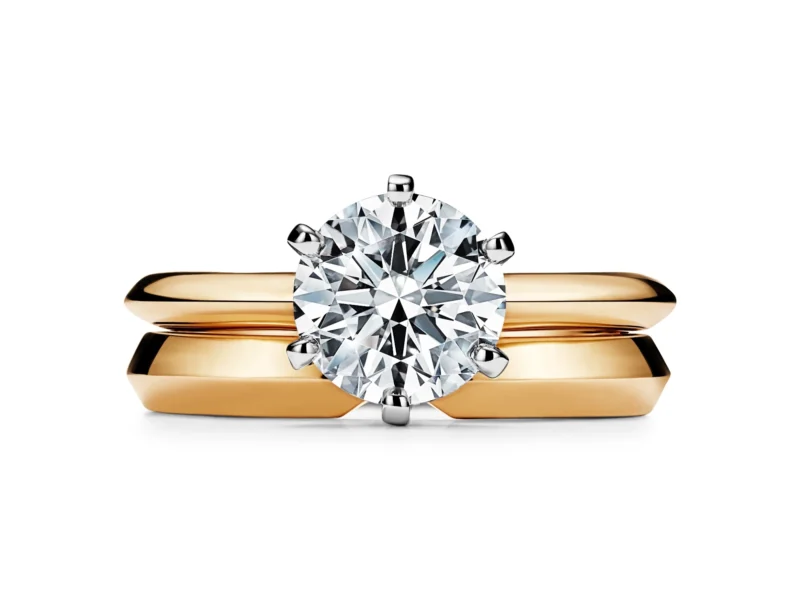
The Tiffany Setting in yellow gold, paired with a wedding band. Metal, setting and companion pieces each deserve their own line in the ring file. Courtesy of Tiffany & Co.
An engagement ring begins its life as a small, vivid object: a stone held to the light, a setting chosen for a particular hand, a box carried home with more feeling than paperwork. The records that accompany it can seem secondary in that moment. Years later, they become a quiet way of keeping the ring legible: to its owner, to the jeweller who cares for it and, if its story changes, to the next person entrusted with it.
The aim is not to turn a personal jewel into an archive. It is to keep the few things that answer the useful questions: what was bought, what work has been done and which documents belong to the ring itself.
Begin with the object as it was chosen
The first thing worth keeping is the detailed sales invoice. The best version names the jeweller, the date, metal, ring size, model or reference, and the principal stone. If a house supplied a warranty card, an order confirmation or its own certificate, keep those beside it with their original wording.
That first record has a particular grace: it captures the ring before years of wear, resizing or repair have added their own chapters. It records a purchase, however; it is not a current valuation and it does not replace a gemological report.
Photographs belong beside the invoice. A small set made in natural, even light is enough: the ring from above, both profiles, the underside of the setting, the inside of the shank and close views of any hallmarks or maker's marks. Include the original presentation box only when it has remained with the ring. These are object photographs, rather than occasion photographs, and they make later conversations with an insurer or jeweller much easier.
Let each document do its own work
A few well-chosen documents give a ring a wonderfully clear biography. Knowing what each one describes makes the folder easier to use.
| Document | Its useful purpose |
|---|---|
| Sales invoice | Records the transaction and the supplied description |
| House certificate or warranty | Records what the maison says about its own creation or diamond |
| Laboratory report | Describes the submitted gemstone and its reported characteristics |
| Appraisal | States a value for a particular purpose and date |
| Insurance schedule | Records the item and the basis on which it is covered |
| Service invoice | Preserves work carried out during the ring's life |
For a natural colourless diamond, GIA's Diamond Grading Report records characteristics such as weight, colour, clarity and measurements. GIA's Report Check lets an owner compare a report number with the Institute's record. That makes the report a strong part of the stone's identity, especially when the paper itself has been misplaced.
It remains a report about the stone, rather than a receipt for the ring or a current price. A Tiffany Diamond Certificate and a GIA report can sit in the same folder with different roles: the house's own certificate and warranty on one side, a laboratory's assessment on the other. The useful habit is simply to record the issuer and the exact title, rather than reducing everything to a vague note that a certificate exists.
GIA includes a report-number laser inscription with some services, including its Diamond Dossier. If your stone has one, ask the jeweller to note it alongside the report number during a visit. There is no need to dismantle a ring for the sake of a photograph: keep what can be recorded safely and let the jeweller advise on the rest.
A closer look
Details worth keeping.
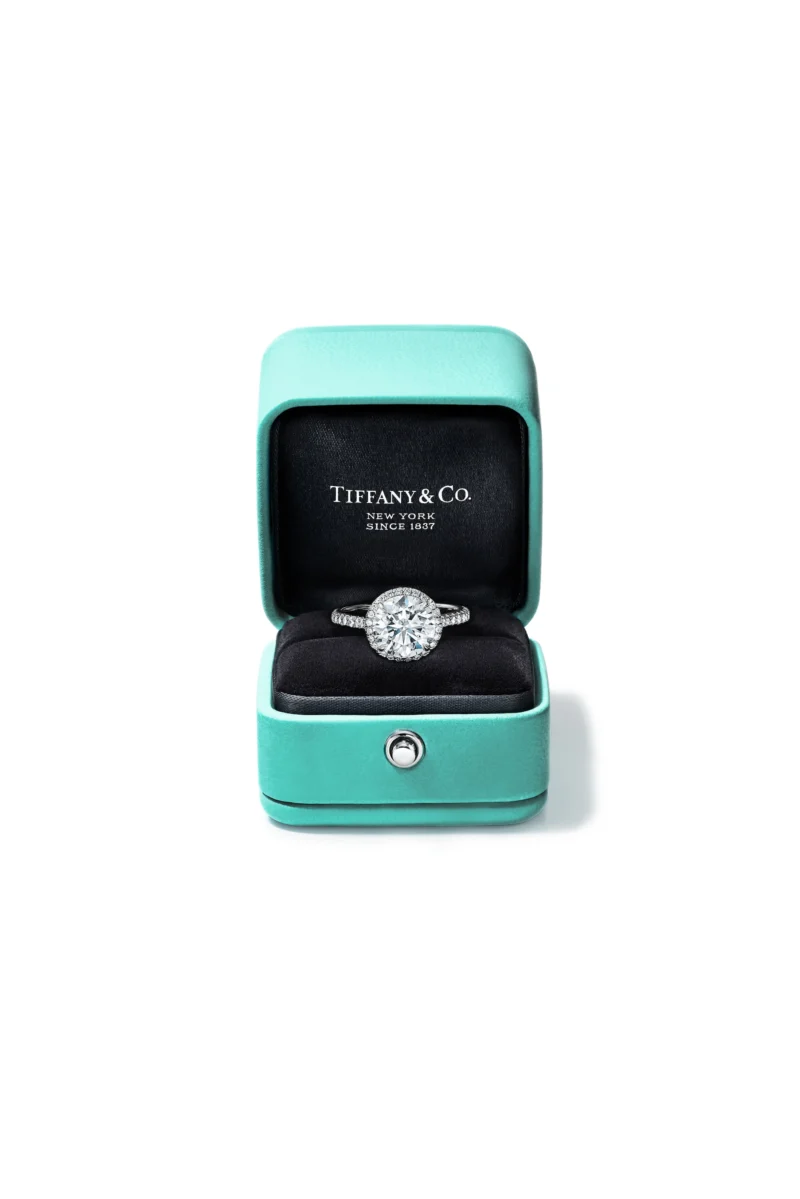
A Tiffany Soleste ring in its Blue Box. Keep a photograph of the presentation as well as close views of the ring itself. Courtesy of Tiffany & Co.
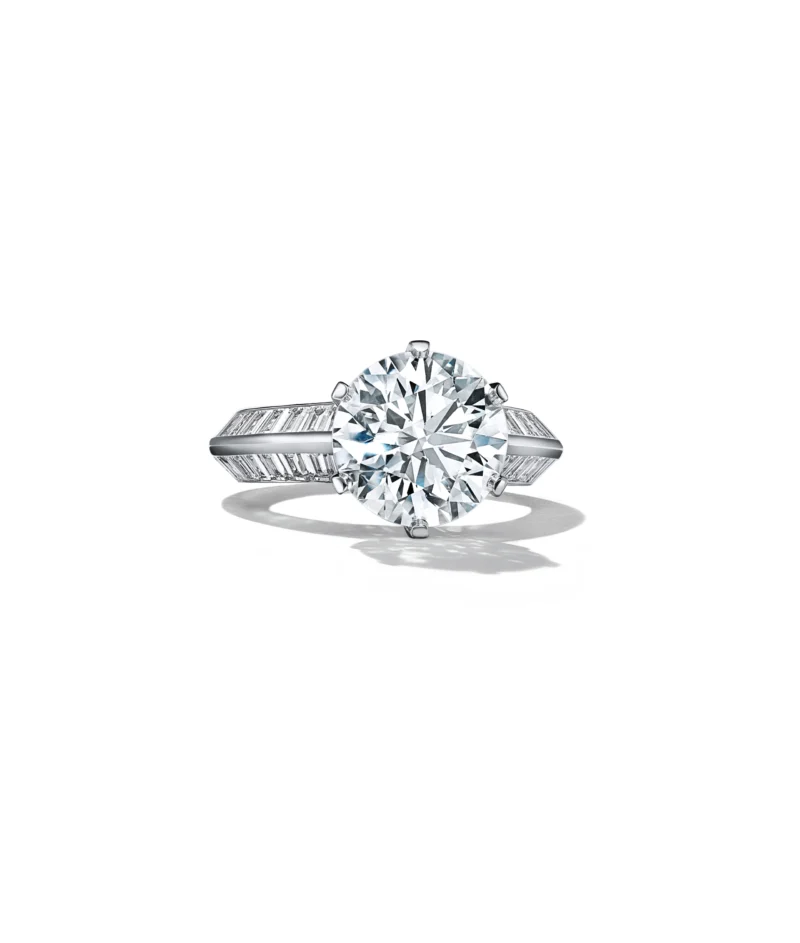
Round brilliant and baguette diamonds give this platinum Tiffany ring its distinct outline. A clear description records the side stones as well as the centre diamond. Courtesy of Tiffany & Co.
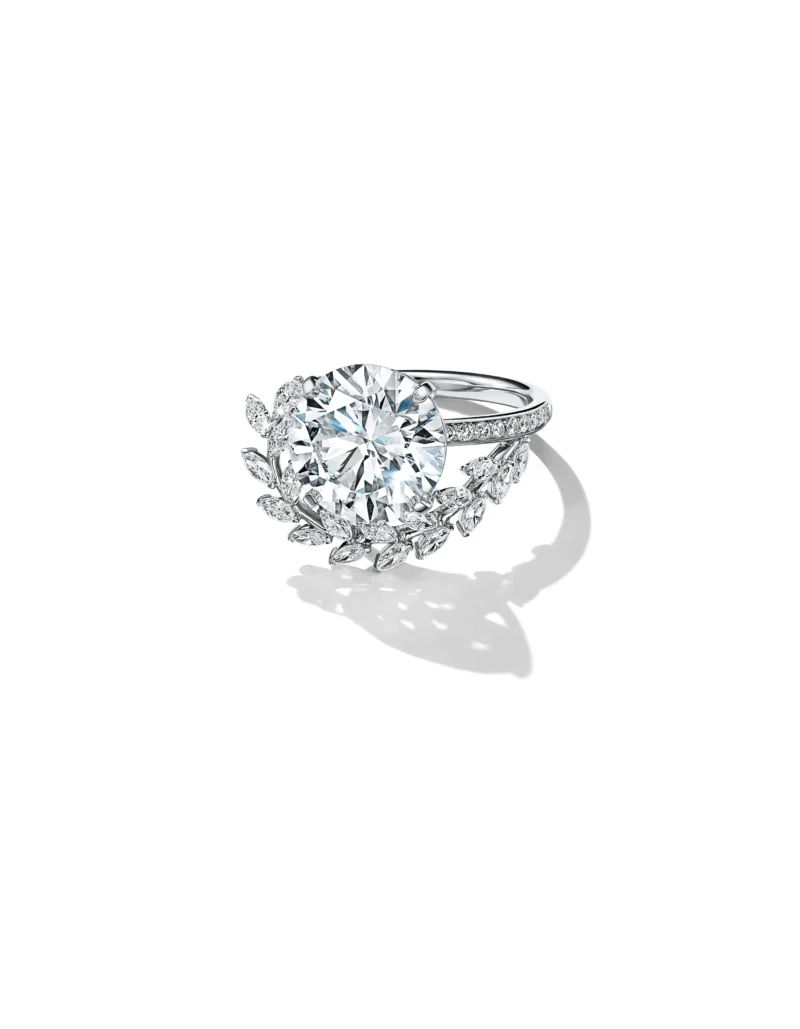
The vine-like setting of a Tiffany Victoria ring: the details around the centre stone are part of what makes a jewel recognisable. Courtesy of Tiffany & Co.
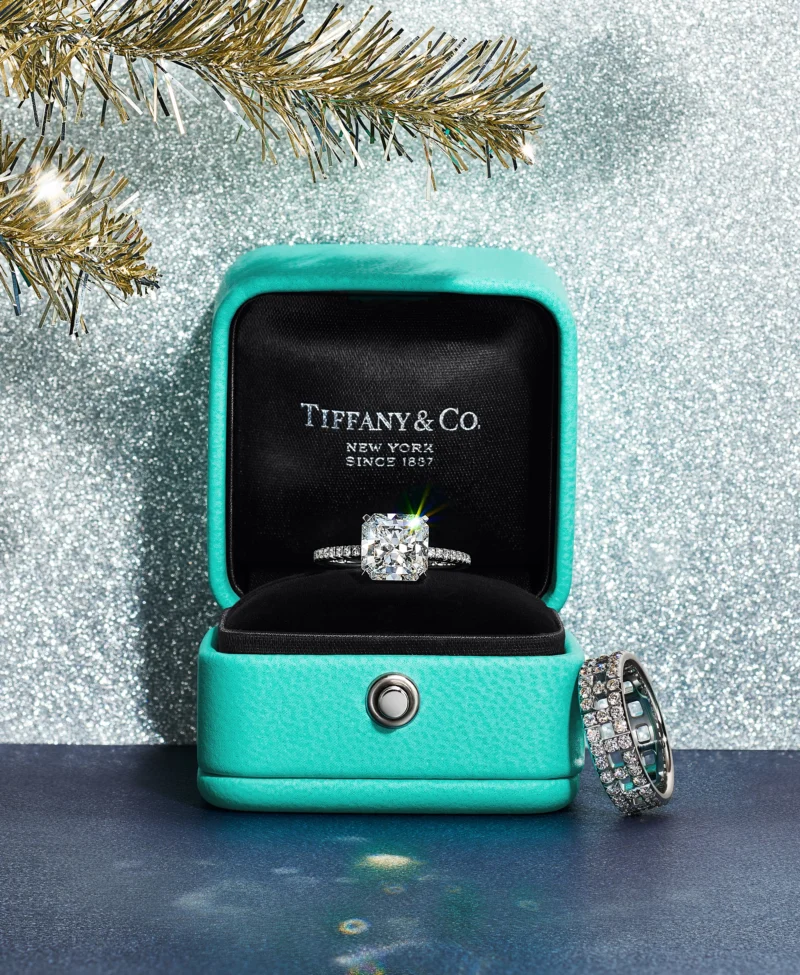
Tiffany True, presented with a diamond band. Record the two pieces separately, even when they are chosen and worn together. Courtesy of Tiffany & Co.
Make insurance a conversation with the ring's real history
An appraisal often enters the file when insurance is arranged. It should stay together with the policy schedule or correspondence that explains why it was made. Chubb's guidance asks owners to retain a detailed description, photographs and, where relevant, receipts or appraisals. The exact request depends on the policy and the market in which it is written.
Keep every dated appraisal, not just the newest. An older one is part of the ring's history; a newer one describes a later moment and a stated purpose. Neither should be mistaken automatically for what the ring might realise in a future sale. Purchase price, an insurance figure and a later offer can all be different without any of them being careless.
This is also a good moment to check that the photographs still resemble the ring. A setting that has been repaired or a shank that has been resized deserves a new image, and the earlier photograph remains worth retaining.
Care records are part of the story
Rings are made to be worn. Prongs may be checked, pavé stones replaced, metal polished or a shank adjusted as life changes. Tiffany describes sizing, polishing and setting checks among its engagement-ring services. Any workshop record should say plainly which work was carried out on the particular ring.
Whenever meaningful work is done, keep the work order or ask the jeweller to state what was carried out. The most useful note includes the date, workshop, requested work, completed work, change of size and whether stones, engraving, hallmarks or components were affected. A photograph before and after major work makes the written record easier to read later.
Resizing deserves one clear line in the file. On a signed ring, the inner shank may carry marks that give the piece part of its identity. Knowing the original size, the later size and who performed the work can explain a softened inscription without asking the ring to conceal its life.
When the story moves on
An engagement ring can pass between partners, through a family or into a new chapter of ownership. The file should follow the known facts with the same restraint. A dated gift note, an estate inventory, a resale invoice or relevant insurance correspondence may be enough. Sensitive material belongs in a private folder, shared only when there is a genuine reason.
If the ring is ever offered for sale, the work done quietly over the years becomes immediately useful. Sotheby's asks prospective jewellery consignors for photographs, paperwork, gemological certificates and background information so a specialist can understand the object. The invoice, report, baseline photographs and service history help form that picture. They do not promise a particular result; they allow the ring to be seen with fewer unanswered questions.
The original box can belong in this picture too, provided its history is described honestly. Packaging offers context and completeness when it has stayed with the jewel. It is not, on its own, proof of the ring inside it.
A file that feels easy to keep
One physical folder and one securely stored digital copy are usually enough. Name each scan with its date and subject, such as the purchase invoice, a profile photograph or a resizing receipt. Keep the digital copy somewhere other than the ring box, so the evidence is not lost with the object.
Once a year, take a few minutes to add a service invoice, a fresh photograph or an updated policy record. The task is small because the file has been made to travel with the ring rather than sit apart from it.
The value of the engagement-ring file is not bureaucratic perfection. It is continuity. It lets a much-loved object retain its own details as it is worn, cared for and, perhaps one day, understood by someone new.